Do You Recognize This Poisonous Plant?

Greetings!

Before I share this week’s video with you, I wanted to provide a quick update regarding the online mushroom foraging video course.  If you’re unaware, I’ve been very busy creating an extensive course designed to teach the necessary skills involved in confidently and successfully foraging wild mushrooms through every season.  The entire course will be available online, and it will feature over 60 brand new instructional videos with guided lessons on:

  • Mushroom ecology
  • Mushroom biology
  • Fungal taxonomy
  • Edible mushrooms
  • Poisonous mushrooms
  • Medicinal mushrooms and extraction techniques
  • Cooking wild mushrooms
  • Mushroom hunting resources

… and lots more.

This project has been a labor of intense love for the past two years and I’m really excited to share it with you!  Registration is set to be open early May, and the best way to stay up-to-date with the release of this course is to continue checking these emails.  Updates will also be posted to the Learn Your Land website shortly.

And now on to this week’s video!

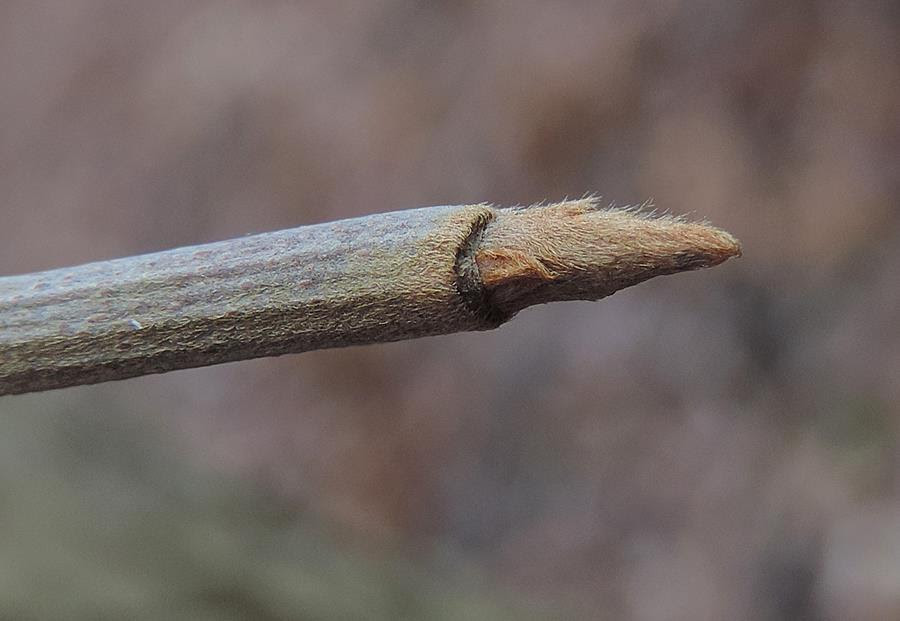
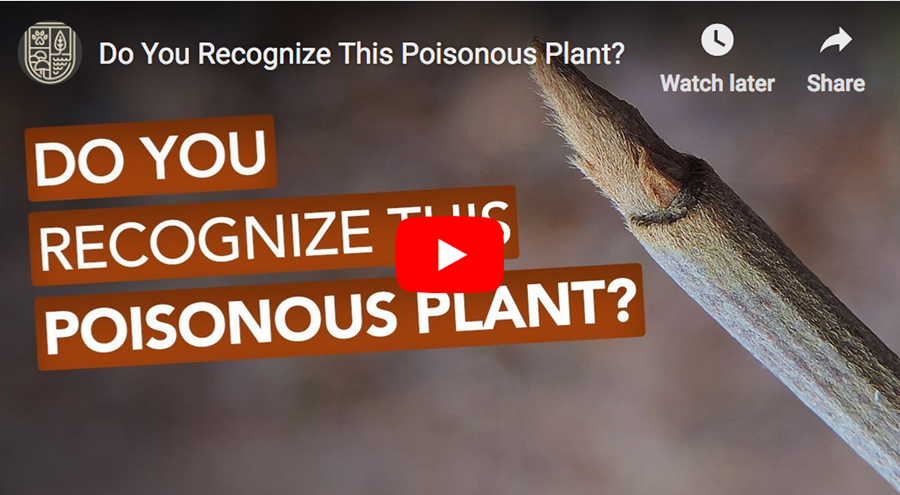
During a recent walk through the woods, I was happy to unexpectedly see a particular medicinal plant whose winter buds and twigs I enjoy.  Upon closer inspection, I realized that not all the buds and twigs in front of me belonged to this medicinal species.

Instead, many shoots around my desired plant actually belonged to a poisonous species.

Luckily, I left the woods unscathed, though I thought I’d film the situation for anyone interested in safely foraging wild medicinal plants.

Do you recognize this poisonous plant?  Check out the brand new video to learn more!

I recently had the pleasure of being interviewed by Sam Sycamore from the Good Life Revival Podcast.  In this interview, we talk about the intersection of health and nature connection, the benefits of knowing how to read the land, and lots more!  You can listen and download the interview here.

Thanks for reading, watching, and/or listening… and as always, thank you for your support!

-Adam Haritan

See more of Adam’s videos at: Learn You Land

How to select, prepare, store and preserve Sage [Infographic]

ecogreenlover's avatarecogreenlove

Sage is a prevalent herb used worldwide in cooking and herbal medicine. Whether you opt for the fresh or dried form, sage adds a warm, pine-like flavor with hints of rosemary and citrus to any dish.

View original post 294 more words

Essential Oils and Flower Essences

Crooked Bear Creek Organic Herbs's avatarGood Witches Homestead

Essential oils and flower essences bestow a concentrated dose of plant energy.
In most cases, however, you may want to work with the whole plant. You may find that if you wish to work with a particular plant, you’re obligated to grow it yourself. This may be for a variety of reasons.
* Some plants are rare to an area. You may need to nurture some indoors or order from a specialist nursery.
* What you desire may not be marketable: the alchemists treasured fresh morning dew caught upon the leaves of lady’s mantle. They called it “water from heaven” and prized it as an ingredient in many enchanted potions. If you want some {and you very well might; it’s reputed to provide a beautiful complexion!}, you’ll have to grow it and gather it yourself.
* In some cases, it’s best to have your own fresh stock of plants, to…

View original post 1,612 more words

Starting Plants: Grow Your Own Vegetable Garden Transplants

Crooked Bear Creek Organic Herbs's avatarCrooked Bear Creek Organic Herbs

Some plants can be started indoors early in the season, before soil and air temperatures are warm enough to plant outdoors. From a seed-starting perspective, most of our common vegetable plants fall into one of three categories.

  • Don’t do well direct-seeded outdoors – these plants seem to do better if they are started in a controlled environment. The reasons may include poor germination rates or too short of a growing season. Plants that fall into this category include tomatoes, peppers, eggplant, pumpkins, winter squash, onions, Brussels sprouts, gourds, and melons.
  • Do okay either started indoors or direct-seeded – these plants could be done either way. Some plants have a short enough growing season that even though they can be started indoors, the economics of doing it don’t justify the time and expense. Plants that fall into this category are peas, beans, corn, cabbage, broccoli, cauliflower, summer squash, spinach, Swiss chard…

View original post 569 more words

Starting Your Seeds Indoors This Winter

Crooked Bear Creek Organic Herbs's avatarCrooked Bear Creek Organic Herbs

Expert answers to your herb-growing questions.

Q.  This year I want to grow some of my herb plants from seeds. What are the steps to starting seeds over the winter?

A.  Seed starting is like baking bread- you need the right mix of ingredients, the right temperature, and viable yeast. In the case of seed starting, the ingredient list includes a lightweight growing medium and containers for planting. Provide the right temperature with a warm greenhouse or sunny window; and seeds, of course, are the viable catalyst.

Use a commercial potting mix or seedling mix for the growing medium. Choose from egg cartons, yogurt cups, flats of six-cell packs or small pots when it comes to containers. {Note: Fiber- or peat-based pots should be soaked well before adding soil.} Like yeast, seeds have a limited life, be sure the seeds are fresh or packaged for the upcoming growing season for…

View original post 630 more words

A Seed Starting Ritual for Nourishment, Connection, and Relationship

Dana's avatarThe Druid's Garden

All of the potential and possibility of the world is present in a single seed.  That seed has the ability to grow, to flourish, to produce fruit and flowers, to offer nutrition, magic, and strength.  Seed starting offers us a chance to connect deeply with the seeds we plant, and to , from the very beginning, establish and maintain sacred relationships with our plant allies. Seed starting is a truely magical druidic practice, and in today’s post, I want to talk a bit about the magic of seed staring and share a simple ritual that you can do to bless your seeds as you plant them. Some of my earlier posts on seed starting can be found here (a general philosophy of seeds from a druidic perspective) and here (recycled materials for seed starting).

Seeds coming up! Seeds coming up!

One of the most important parts of a druid practice, in my opinion…

View original post 2,045 more words

Primrose; The Flower of February

Crooked Bear Creek Organic Herbs's avatarGood Witches Homestead

COMMON NAME:  primrose
GENUS:  Primula
SPECIES, HYBRIDS, CULTIVARS:
P. denticulata-lavender, purple, or white flowers; grows to 12 inches. P. japonica ‘Millar Crimson’-flowers whorled around 24-inch stem; blooms May-June. P. polyanthus-best known; colors are red, pink, blue, gold, and white, all with small yellow eyes.
FAMILY:  Primulaceae
BLOOMS:  spring
TYPE:  perennial
DESCRIPTION:  Primroses form an attractive rosette of crinkly, light green leaves. The flowers are generally brightly colored and occur in tight bundles on individual stems above the leaves.
CULTIVATION:  Needing partial shade, primroses thrive in well-drained, rich soil. They are indigenous to cool, moist meadows and woodland environments  Duplicating these conditions as closely as possible will create the best growing conditions for primroses. The soil should not be allowed to dry completely. To retain vigorously blooming plants, divide clumps every four to five years. Seeds should be sown in midsummer for bloom the following spring.

Primrose is beloved…

View original post 705 more words

Aromatic Herb for February; Tansy

Crooked Bear Creek Organic Herbs's avatarGood Witches Homestead

Tansy {Tanacetum vulgare}

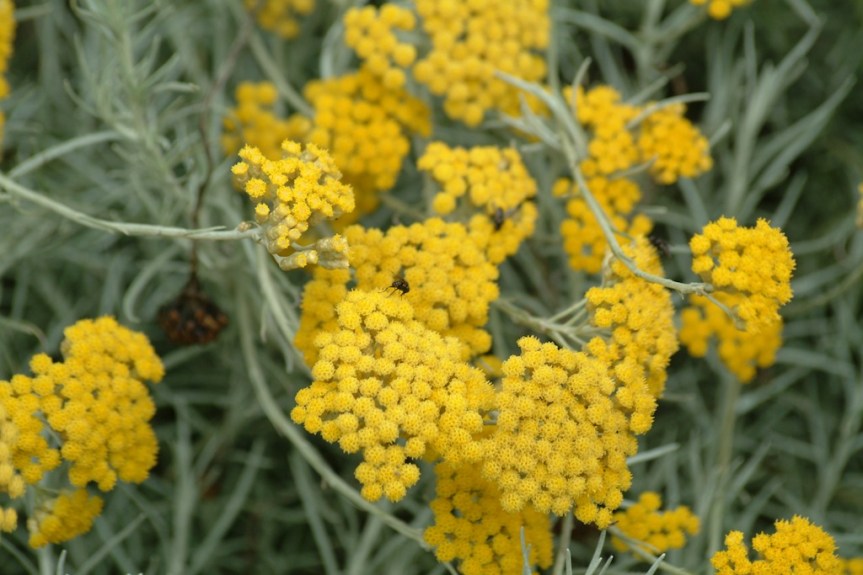
Tansy is an upright herb with a crown of bright yellow clustering flowers. It is a member of the Asteraceae family and is also known as common tansy, bitter buttons, cow bitter, mugwort, and golden buttons. It grows to a height of three feet and produces pinnate, lance-shaped leaves that are uniformly toothed. Its button-shaped flowers sit atop erect, reddish stems.

EXCLUSIVE! Get 15% Off Blue Tansy Oils at Plant Therapy! Use Code “SPOTLIGHT33” and Save! HURRY, Offer Ends 2/14! (Limit 1 Per Customer)EXCLUSIVE! Get 15% Off Blue Tansy Oils at Plant Therapy! Use Code

Native to Europe and Asia – and of possible Asian origin – the plant was likely first cultivated as a medicinal herb by the Greeks. In the eighth century, it grew in the herb gardens of Charlemagne and at the Abby of Saint Gall in present-day Switzerland, now a UNESCO World Heritage Site. At that time, it was used to treat…

View original post 458 more words

Home Brewed ‘Love Oil’ for Valentines

The Beautiful Herb That’s Amazing for Your Heart; Red Clover Benefits

Crooked Bear Creek Organic Herbs's avatarCrooked Bear Creek Organic Herbs

Finding a three-leaf clover may bring good luck, but taking red clover as a healing herb may bring even better fortune!

People have appreciated the therapeutic qualities of the red clover’s pink and red-hued blossom for generations. Women, in particular, have passed down its secrets as a remedy for feminine issues, whether premenstrual syndrome or menopause symptoms.

In modern times, scientific research has backed up its traditional uses, including supporting bone strength, blood health, hair growth, and mental wellness. For women, red clover might also offer support for symptoms of menopause; for men, it’s believed to encourage a healthy prostate.

What Is Red Clover?

Red clover (Trifolium pratense) — also known as cow clover, meadow clover, or wild clover — is a legume found in Europe, Western Asia, and northwest Africa. Red clover contains isoflavones. Isoflavones are a type of phytoestrogens, which are chemicals that are similar to the hormone estrogen…

View original post 1,071 more words