Kitchen Cabinet Medicine – Tea Blend for a Cold – Good Witches Homestead

tea-blog-header

Got a cold, sick in bed? Find relief and comfort with this simple tea blend using 3 common culinary herbs.


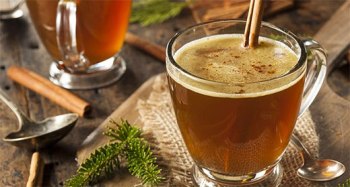
 When down with a cold, a hot cup of tea can go a long way. But it can be hard to take care of ourselves when we feel lousy. Grogginess, grumpiness, and exhaustion can overwhelm our capabilities for self-care. That’s why I often recommend this totally simple (yet very effective) herbal tea that makes use of some readily available kitchen herbs.

Kitchen Cabinet Medicine – Tea blend for a cold 

  • 2 teaspoons thyme leaf
  • 2 teaspoons sage leaf
  • 2 teaspoons fennel seeds – gently broken up in a mortar and pestle or spice grinder

Use high quality, organic herbs. If you’re a cook, you’ll probably have these herbs on hand in your spice rack. Put the herbs into a medium sized teapot or jar. Pour 2 cups freshly boiled water over the herbs, and cover. Let infuse for 10 – 15 minutes. This tea must be covered while steeping, to preserve the medicinal volatile oils in the plants. Strain and pour into your tea cup.  Add 1/2 – 1 teaspoon honey, if desired. Re-steep the herbs with more hot water for another brew. After 2 batches, start again with fresh herbs.

[…]

Entire article at the Source: Kitchen Cabinet Medicine – Tea Blend for a Cold – Good Witches Homestead

Secondary Effects of a Reiki Session – Holistic Experiment

In the field of alternative medicine, Reiki is used to help bolster one’s own healing abilities to cure all manner of maladies. Although it’s typically said that there is no side effects involved with Reiki, the practitioners are taught to warn patients that part of the healing process can involve a detox that can bring some side effects

A full body treatment takes from 45 to 60 minutes per session, a short session that only focuses on the chakras lasts 15 to 30 minutes. Sometimes the person who is receiving Reiki will  not feel anything during a session, this is because Reiki energy often works on a subtle level.

No matter what, Reiki energy always travels to the place that is needed the most, but it’s essential to understand that healing is a process. Reiki does not fix depression, anxiety, or aches and pain with just one session, just like it take a long time to cure a cold using conventional medicine, it takes time to heal.

The most common reactions during a Reiki session are: feeling emotional, hot or cold, seeing colors or light, twitching, stomach rumbles, and even falling asleep during the session. Every body is different, so every reaction is going to be unique, just make sure if you’re feeling uncomfortable during a session, inform the practitioner immediately.

Other commonly experienced side effects are: cold and sore throat, fever, abdominal pain or an upset stomach, fatigue and the need to sleep, less energy, feeling lightheaded, sensations in different parts of the body (often in the head and heart), and major life changes in relationships, career, locations, etc.

It’s often recommended to drink lots of water and rest as soon as you get Reiki because you might be feeling a bit tired. If you can, don’t drive to your appointment, or better yet, find a practitioner that can go to your home or take a distance healing session so that you can take a nice nap after the session.

A lot of people will notice that after this process takes its course, they start experiencing the happy side effects of Reiki. This happens because every single time we heal, we release one layer of darkness from our auras and our body’s blueprint. The body will slowly flush out the toxicity that is stored in our cells in order to pave the way for a healthier and happier lifestyle.

So next time you experience a side effect after a healing session, drink lots of water, rest, and welcome the side effects!

Source: Secondary Effects of a Reiki Session – Holistic Experiment

Health Benefits of PassionFlower – Crooked Bear Creek Organic Herbs

As always … Check for contraindications with any prescriptions you are taking.

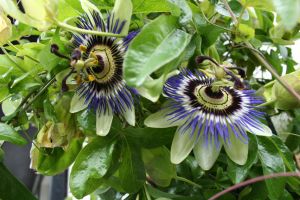
Passionflower is the common name of any one of the approximately 400 species of the plant genus Passiflora. Native to warm climates in North and South America, many species are now cultivated around the world for their colorful flowers and tasty fruit. Passion flower is also known for its therapeutic benefits. For hundreds of years, people used it as an herbal sedative, stress reducer, sleep aid, and many other applications.

History and Etymology

Natives of both North and South America used passion flower for food, drink, and therapeutic purposes for hundreds of years before the plant was first introduced to European explorers. By the 18th century, passionflower gained popularity in Europe as a remedy for epilepsy and insomnia. Today, the plant is cultivated worldwide.

With a name like “passionflower,” you might think the plant was traditionally used as some sort of aphrodisiac, like horny goat weed. Nothing could be further from the truth. The “passion” in passion flower actually refers to the passion of Christ. In the 15th and 16th centuries, Spanish missionaries in Peru saw the unusual flower as a symbol of the crucifixion. The blue and white colors of the flower were thought to stand for heaven and purity, the radial filaments symbolized the crown of thorns, and the tendrils represented Roman whips.

PassionFlower Species

The genus Passiflora contains over 500 different species, many of which are hybrids. Passiflora incarnata is the species most appreciated for its therapeutic benefits. Also known as maypop, P. incarnata is native to the southern United States but used throughout the world.

Passiflora edulis

Passiflora edulis is a South American species widely cultivated for its fruit. While many species of Passiflora bear edible fruit, P. edulis is the one that bears “passion fruit.” Passion fruit comes in two forms—the standard purple fruit and a yellow variety.

Passiflora alata

Passiflora alata, also known as wing-stem passion flower or fragrant granadilla, is another South American species. It’s known for its therapeutic applications and prized for its fruit. It’s earned the British Royal Horticultural Society’s Award of Garden Merit, a prestigious distinction of excellence in the gardening world.

Passiflora quadrangularis

Passiflora quadrangularis, also known as giant granadilla, produces the largest fruits (about the size of a football) of all Passiflora. These fruits are used in desserts, juice, and medicine. The leaves are made into tea and poultices.

Health Benefits of PassionFlower

In the United States, passionflower is regarded as alternative or complementary medicine, but it has more mainstream acceptance around the world, particularly in Europe. The plant is listed in the European Pharmacopoeia, a book that provides Europe’s legal and scientific standards for medicine. In Germany, P. incarnata is approved for nervous restlessness, sleeplessness, and anxiety-related gastrointestinal problems. All the above-ground parts of the plant—the stem, flowers, and particularly the leaves—are thought to be helpful.

Promotes a Balanced Mood

Passionflower is best known for its relaxing and calming effects. Multiple human and animal studies have confirmed it’s effective at supporting a balanced mood without harmful side effects. Studies have found that while prescription medications work faster, they also produce problems, including dizziness and job-related impairment. Passion flower is far more gentle.

Combining passionflower with other calming herbs can increase its potency. A randomized, placebo-controlled study revealed that a combination of passionflower, valerian, and St. John’s wort had positive effects on mood without causing cognitive impairment.

Promotes Restful Sleep

Passionflower is commonly used to support restful sleep and the evidence to support this use isn’t just anecdotal. Multiple studies confirm the plant’s ability to help you get a good night’s rest. In 2011, a double-blind investigation found that participants who drank passion flower tea reported better sleep quality than the placebo group.

Effect on Involuntary Muscle Contractions

Some studies have found that passionflower extract delays the onset and decreases the duration of involuntary muscle contractions. Interestingly, it also seems to reduce unhappy feelings after involuntary muscle contraction episodes whereas standard treatments tend to increase them. No conclusions can be drawn at this time but further research could uncover hope for those who suffer from involuntary muscle contractions and irregular electrical activity in the brain.

May Ease the Symptoms of Withdrawal

Passionflower may provide gentle relief for symptoms of withdrawal. A double-blind, randomized study found that a daily serving of passionflower extract helped address both physical and mental symptoms of withdrawal. What’s more, the extract had no detrimental side effects.

Many smokers start and fail cessation programs because they can’t overcome the nicotine withdrawal. Can passionflower help? Animal studies have found that administration of passion flower extract reduces nicotine withdrawal symptoms. More research is necessary to determine if these effects carry over to humans.

Other Health Benefits

Passionflower offers many more potential benefits. A compound isolated from passion flower extract was found to have aphrodisiac effects in mice. Recent animal testing also hints that P. incarnata promotes balanced blood sugar, a property that traditional Ayurvedic medicine has known for years.

Further, research suggests that passionflower could help promote comfort, respiratory health, digestive health, balanced blood sugar, and even attention and focus. Laboratory testing has found that passionflower extract may enhance the absorption and effectiveness of some types of medicine. If even half of these abilities prove effective, the therapeutic benefits could be huge.

Passion Flower Active Components

Different species of passionflower contain similar, but chemically distinct, compounds.
With so many species, identifying the exact components that account for passionflower’s health benefits can be somewhat difficult. And, despite intense investigation, the source of its calming properties is still up for speculation.

One theory attributes credit to a particular alkaloid compound in the plant. The many species of Passiflora contain many different alkaloid compounds and the most studied are harmine. Harmine is a beta-carboline alkaloid known to possess a variety of pharmacological effects. It helps slow the breakdown of neurotransmitters, improves insulin sensitivity, relaxes blood vessels, encourages bone health, and supports a balanced mood.

Passionflower is also host to several flavonoids including apigenin, orientin, swertiamarin, quercetin, kaempferol, vitexin, and chrysin. Any one of, or a combination of, these phytochemicals could contribute to the plant’s therapeutic effects. Flavonoids are a large group of phytochemicals that have been analyzed for neuroprotective activity. They also exhibit soothing, equilibrium-seeking effects.

One other possible mechanism of action could be gamma-aminobutyric acid or GABA. GABA is an inhibitory neurotransmitter, which means that it helps induce relaxation and sleep. It’s produced naturally in the brain. Research finds that passionflower may boost GABA levels and promote relaxation. Due to the variation of passionflower species and methods of passion flower administration, these findings are not yet conclusive.

PassionFlower Side Effects and Safety

When used as recommended, passionflower is considered safe for most people. However, adverse effects may result from taking extremely large servings. Do not combine passion flower with sedatives like drugs or alcohol. The combination can magnify their effects and cause dizziness or confusion.

Pregnant women should also avoid passionflower. One animal study found it may contribute to uterine contractions. Whether this effect carries over to humans is still unknown but exercising caution seems appropriate. Always consult a trusted health care practitioner before starting a new supplement routine.

Available Forms of PassionFlower

There are several ways to consume passionflower. The fruit can be eaten raw or made into juice, jams, dessert toppings, and smoothies. The leaves, flowers, and stem can be dried or used to make powders, tinctures, infusions, and extracts. Passionflower herbal tea is popular and frequently used as a sleep aid. Passionflower can also be found in nutritional supplements, both by itself and blended with other botanicals. Because of its support for balanced mood, we incorporate passion flower into our brain and mood support supplement NeuroFuzion®.

The first Americans knew of the mood-supporting, sleep-enhancing powers of passion flower. Now, we are rediscovering these benefits and more. If you have experience unhappiness or restless sleep, passionflower might be worth a try.

Source: Health Benefits of PassionFlower – Crooked Bear Creek Organic Herbs

Ten Alternative Cold and Flu Remedies to Try – Crooked Bear Creek Organic Herbs

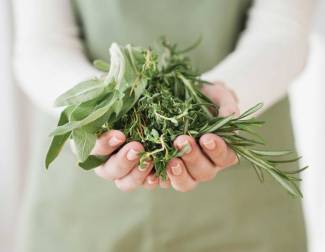
handful-herbs

Homeopathic medicine has great potential when used in conjunction with conventional medicine. Here are ten simple remedies you can try to help stop colds and flu symptoms in their tracks.

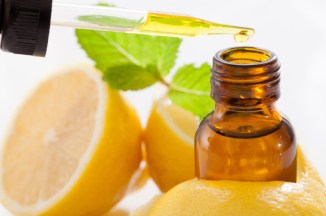
lemon-essential-oil1. Lemon

Even though lemons taste acidic, their juice helps to alkalinize the body. Lemons are loaded with vitamin C, which is known to support the body’s immune system. Lemon, as well as lime, is reported to decrease the strength of the cold and flu virus in the body and reduce phlegm.

How to use: Drink the juice of a lemon, or a few drops of lemon essential oil, squeezed into a cup of water or tea every few hours to build resistance or speed up healing.

garlic-for-cold2. Garlic

Garlic is great in treating sore throats and infections. Garlic contains the immune-boosting compound allicin, also known to relieve cold and flu symptoms.

How to use: Crush five cloves and mix with half a cup of honey.  Let it sit for a couple of hours and the mixture will become runny and thin. Take a teaspoonful at a time, as needed. If you’re worried about a severe odor or taste, crush a couple of cloves of garlic and “steep” them in hot water. Drink it like a mug of tea.

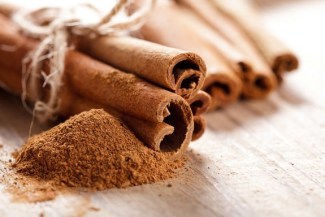
cinnamon-stick-powder-1309093. Cinnamon

Cinnamon is known as a natural antibiotic, is a powerful antioxidant.

How to use: A teaspoon of raw honey and a 1/4 teaspoon of cinnamon can knock out a cold within a day or two.

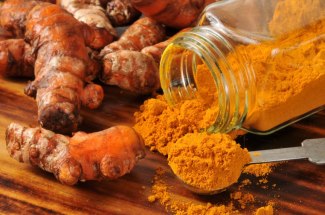
turmeric4. Turmeric

Turmeric contains an anti-inflammatory compound called curcumin, which has a strong cold and flu-fighting properties. Turmeric has strong anti-inflammatory and antioxidant properties and turmeric tea has been used for extensively worldwide for colds, congestion, headache, and sore throats.

How to use: Stir a teaspoon into a glass of water or use it in your cooking. In addition, the combination of honey with turmeric powder is an excellent remedy for a cough.

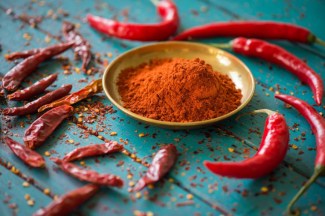
cayenne-pepper-metabolism_15. Cayenne pepper

Peppers are a heart-healthy food with the potential to protect against cancer, as well as common cold and flu viruses. Cayenne pepper is a natural remedy for a sore throat that can often precede a cold or flu.

How to use: A mixture of hot red chili powder and orange juice is an effective remedy for sore throats and congestion. Or take a teaspoon of pepper in a glass of water immediately when you feel a cold or a sore throat coming on. Its strong stimulatory effect can be enough to knock a cold out in the early stages.

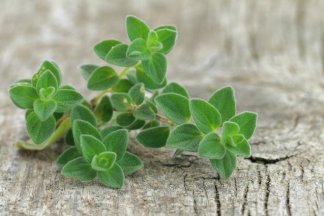
oregano-herb6. Oregano

Oregano is one of the best herbs for a cold. It is an excellent anti-inflammatory that contains phenolic acids, flavonoids, and color compounds that increase resistance and boosts immunity. Oregano is known for its antibacterial, antivirus, anti-fungus, anti-tumor, anti-inflammation, and anti-parasitic properties.

How to use: Oil of oregano is even more potent, and traditional healers since ancient times have used oregano extract to treat respiratory issues such as coughs, colds, flu, sore throats, and bronchitis. Add three to 10 drops of oil to a glass of water twice a day and continue until symptoms subside.

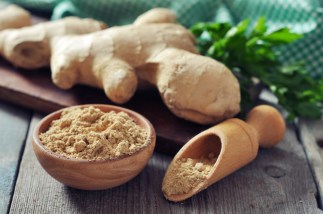
ginger-essence7. Ginger

Ginger is a stimulant that will also warm you if you’re feeling chilled with your cold. It’s best used fresh rather than as a powder.

How to use: Peel and grate a small piece of ginger root and place in a cup of boiling water. Allowed it to steep for five minutes, sweeten with honey if desired, and sip whenever needed to soothe a scratchy throat or a cough.

peppermint-oil8. Peppermint

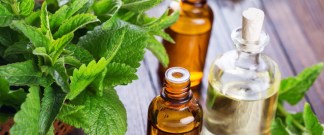
Peppermint can clear blocked noses and sinuses. It can also help the body fight off illnesses.

How to use: Enjoy it as a stimulating tea or add some peppermint teabags of it to your bath. A few drops of peppermint essential oil in a glass of water, or diffused, can also work wonders.

apple cider vinegar9. Apple cider vinegar

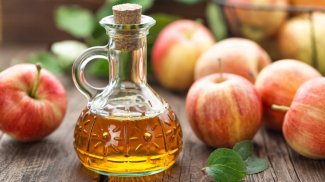
Apple cider vinegar can fight off infection, ease digestion, reduce inflammation, kill fungus, regulate pH balance, and wash toxins from the body. It’s also known to restore alkaline acid balance.

How to use: Add a tablespoon or two of apple cider vinegar to a tablespoon of honey and a cup of hot water to create an elixir to help ward off cold and flu symptoms.

honey-lemon-tea-a-800-dm10. Honey

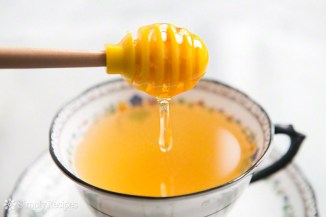
A daily dose of honey can help you to feel energetic and stay healthy. It also has antibacterial and antimicrobial properties, so, if you do develop a sore or scratchy throat, honey will soothe and help heal. Research shows that children who take a spoonful of honey before bed, cough less and sleep better than those who take over-the-counter products for coughs and colds.

How to use: Adding a little lemon to the honey will increase its anti-microbial effect. Honey and lemon can also be combined with hot water to make a soothing tea.

Source: Ten Alternative Cold and Flu Remedies to Try – Crooked Bear Creek Organic Herbs

~ The government’s real war on natural health ~

by Jon Rappoport

February 6, 2017

In 1994, after a lifelong aversion to politics, I ran for a seat in the US Congress out of the 29th District in Los Angeles. My platform was Health Freedom.

At the time, the FDA was raiding offices of natural practitioners, and threatening to cut off citizens’ access to a full range of nutritional supplements.

I watched a trial, if you can call it that, in downtown Los Angeles, in which the federal government was prosecuting a young man for selling, and making health claims about, a substance that occurs naturally in the body.

The defendant told the Judge he was prepared to present extensive evidence that the substance was safe and effective. The Judge refused, saying the only issue was: did the defendant violate an FDA rule? If so, he was guilty. At that point, the trial was over, and indeed, the Judge soon pronounced a verdict and the young man was led away to serve a prison sentence in a federal lockup.

At that moment, I began to construct my case against the State, and consider what Health Freedom was all about.

Let’s start here. The FDA, the CDC, and several other federal agencies have blood on their hands. This blood doesn’t wash away. On July 26, 2000, Dr. Barbara Starfield, a revered public health expert at the Johns Hopkins School of Public Health, published a review in the Journal of the American Medical Association: “Is US Health Really the Best in the World?”

Starfield concluded that that US medical system kills 225,000 Americans a year. That would extrapolate to 2.25 MILLION deaths per decade. I subsequently interviewed Starfield (2009), and she told me the US government has never made a significant effort to end this ongoing holocaust.

So, when the government talks about FDA rules governing safety and efficacy of treatments, they should be referring to their own crimes, since, for example, FDA-approved medicines are responsible for roughly half the 2.25 million deaths per decade.

On the other hand, natural health treatments kill virtually no one.

And here is where the situation becomes basic. The decision by a responsible adult, to manage his own health, by his own measure, and to seek out any other person to help him in that regard, is not the business of the State.

The State can license anyone it chooses to, as a health practitioner. Who cares? But there is no exclusive monopoly on healing. There is no monopoly on recovery from illness. There is no monopoly on the quality of a life.

The legal aspect of this is clear: contracts vs. licenses. The State has no Constitutional right to turn its licensing procedures into monopolies. On the other hand, two consenting adults can designate each other “patient” and “healer,” accepting full responsibility, with no future liability attached, for the outcome of their treatment-arrangement (contract).

The State has no Constitutional right to stick its nose into this business.

The State needs to clean up its own act, which is a euphemistic way of saying the State needs to stop killing 2.25 million Americans per decade. Obviously, the government front of “we can’t let people try to heal themselves apart from licensed practitioners, we must protect the people” is a piece of phony propaganda.

It’s a piece of Nanny-Mommy-Daddy State bullshit. This country wasn’t founded on the premise of the government protecting everyone everywhere all the time.

The State has no right to presume it knows, in advance, what will happen when two responsible citizens decide to engage in their own healing contract.

There’s more. If one state in the Union decided to allow this form of responsible contract in the field of healing, people from all over the country would move there—seeking freedom. As a result, the economy of that State would bloom. Other States, seeing this, would follow suit. There would be a genuine Health Freedom revolution…

And the government of the country could focus on an effort to stop killing people through medical interventions.

As for the people of America, their job is to stop giving in to a reflex- reaction of fear when they contemplate health freedom. “Oh, we can’t just let people decide, on their terms, which health treatments to choose. That could lead to terrible consequences.”

The terrible consequences are right in front of your face. They’re already here. They stem from the federal government’s attempt to run a monopoly on healing, which turns out to be a killing field.

That’s the result of rules and regulations set by the experts.

People either have freedom to choose or they don’t. They have a right to be right or wrong in those choices, or they don’t.

There is no State Mommy or Daddy decreed by some higher power.

Source: The government’s real war on natural health « Jon Rappoport’s Blog

Drink to Your Health – Long Winter Months Ahead – Good Witches Homestead

During the long, chilly winter months, our bodies need all the help they can get to fight infection.
Colds, viruses, and the flu lurk at the door and a simple handshake can lay one out for weeks. To build up the immune system and stave off bugs that run rampant in winter, try incorporating herbs like rosemary, sage, and lemon balm to your morning tea or coffee. All three of these herbs promote longevity and aid in strengthening the body’s defenses. Add them directly to the basket of your coffee pot for full infusion. Remember to gently crush the herbs in your hands first to release all of their essential oils. If you’re lucky enough to have a coffee grinder, that works even better. Simply add the sprigs or dried leaves to the beans and grind away. Then dress the drink as you normally would.
Don’t forget to consume fresh juices for more immunity-building in the darker months Reach for 100-percent juice varieties of blueberry, orange, pomegranate, and goji, which ward may ward off everything from the common cold to cancer. Juices are also a great option for flavoring teas, coffee, and punch.
For instance, you might add a shot of noni juice to coffee every morning for an antioxidant boost. Noni fruit is derived from trees found across the Polynesian islands and shows promise in fighting fatigue and combating aging.

Drink to Your Health – Ten Best Winter Drinks.

Beat winter’s cold bite and warm up with these cozy brews.
winter drinks
What better way to celebrate the colder, restful months than with a hot beverage?
Whether you’re looking to cozy up to the fire with a mug of herbal tea or entertain guests with spiced cider, there are dozens of recipes to choose from. For those special occasions with family and friends, reach for ancient recipes like mead or glogg to toast the season. You can enhance a bottle of wine with rich, earthy spices like cinnamon, cloves, star anise, or licorice root. For a warm punch that pleases a crowd, mix wine with liquors like brandy, Schnapps, Cointreau, Grand Mariner, or Galliano. Then jazz it up with stevia, fennel, basil, or woodruff. Most of the recipes found here are non-alcoholic, but suggest a liquor if you want to add a little “spirit.” Double the recipes for a larger crowd and keep the brews warm on the stove or in a crockpot. Garnish with pretty herbal flowers like chamomile, lavender, pineapple sage, and mint. Or use edible stir sticks like licorice root, chicory, cinnamon, or rosemary bark.

Peppermint Patty

 
The Aztecs considered chocolate a food of the gods. Montezuma, the Aztec emperor, purportedly indulged in the drink known as cacahuatl more than 50 times a day. Often, chiles, cinnamon, or anise seeds were added to cut the bitterness of this cocoa-based beverage. It wasn’t until Cortez brought the recipe back to Spain that sugar was included. The addition of peppermint adds a refreshing bite and promotes circulation.
1 tablespoon dried peppermint in a tea ball or cheesecloth
1/3 cup hot water
4 cups {1 quart} milk
1/2 cup sugar
1/4 cup cocoa
Suggested liquor: peppermint Schnapps.
In a medium saucepan, combine peppermint and water. Simmer over medium heat until mixture comes to a boil; stir for two minutes. Remove peppermint bundle. Add sugar and cocoa, stirring constantly, and continue boiling. Remove from heat, add milk, and stir. Serves 5.

Hot Buttered Cider

 
Originally, apple cider was a fermented alcoholic beverage manufactured across the world in countries like Spain, France, and England. Early American settlers began making the drink almost as soon as they arrived and it was quite popular in most households. In pagan cultures, the apple was a symbol of immortality and used in many love spells. {For a simple love charm, cut an apple in half, remove the seeds, and share it with the one you adore. Then bury the seeds beneath a full moon for a long and prosperous relationship!}
1 gallon of apple cider
6 whole allspice berries
Half of a nutmeg seed
3 cinnamon sticks
8 cloves
4 pats of butter
Chamomile flowers
Suggested liquor: spiced rum
To a large pot, add cider and spices. Simmer for 20 minutes. Strain into a pretty punch bowl and dot with butter. Garnish with chamomile flowers and serve warm. Serves 12.

Warm Mead

 
Thought to have originated in Ireland, mead dates back to ancient times. Brides and grooms toasted with the drink for a month after their wedding. Traditional mead is an ancient fermented beverage made from honey, water, yeast, and spices. The original process is very complicated; this is a simpler, heated version.
1 bottle Chardonnay
6 sprigs of sweet woodruff, washed and dried
1 vanilla bean
1/4 cup honey
In a medium saucepan, combine wine, woodruff, vanilla, and honey. Gently heat until honey dissolves. Remove woodruff and vanilla and serve in goblets. Serves 4.

Rosemary Coffee

 
This recipe might seem strange, but if you love rosemary, you’ll enjoy it. And because rosemary stimulates the mind, this caffeinated drink provides a double pick-me-up.
1/4 cup fresh coffee beans or ground coffee
1 sprig rosemary
Water
Grind coffee beans with rosemary sprig and brew. If you don’t have a grinder, chop the sprig first; then add it to the coffee basket before brewing. Serves 10.

Hot Toddy

 
My Irish grandmother used to make this for me when I wasn’t feeling well. It’s great for colds and sore throats and I make it for my husband and myself when we’re under the weather. The honey is soothing while the lemon detoxifies. Add the whiskey to help you sleep.
1 tea bag of orange pekoe, green, or black tea
1 cup of water
1 teaspoon honey
1 wedge of lemon
Suggested liquor: whiskey
Brew tea in water. Remove tea bag and pour into a mug and add honey and lemon. Serves 1.

Winter’s Nap Tea

 
This tea has all the makings to send you to dreamland. Lavender soothes and relaxes while valerian and chamomile promote sleepiness.
1 tablespoon loose-leaf chamomile tea
1 tablespoon dried lavender buds
1 tablespoon dried valerian
Water
Add all ingredients to a coffee basket and brew with water. Or heat in a saucepan and strain before serving. Add honey if desired. Serves 6.

After-Dinner Tea

 
After a big meal, sipping on this tea can help aid digestion and, as a bonus, it tastes great!
1 licorice root grated
1-star anise
1 tablespoon dried orange peel
Small handful anise seeds
Water
Muddle all ingredients together, and place in a tea ball or muslin bag. Gently heat in a medium saucepan filled with water. Remove herbs and spice and pour the liquid into mugs. Serves 2.

Swedish Glogg

 
A mulled wine that originated in the Scandinavian countries, glogg is enjoyed around the holidays and includes warm spices, nuts, and dried fruit. While many recipes call for a sweet wine like port or even sherry, you may find that the drier varieties better complement these ingredients. You can substitute the brandy for a fruity Schnapps like the peach.
1 whole orange
Handful of cloves
1 bottle dry red wine
1 cup blackberry brandy
6 cinnamon sticks
1 handful raisins
1 handful slivered almonds
Wash the orange and pierce it with the cloves. Add all ingredients to a large pot. Gently simmer until warm. Do not strain. Pour into a crock pot to keep warm. Serve in mugs. Serves 6.

N’Orleans-style Latte

 
Cafe Du Monde is a coffee and pastry shop located in the French Quarter of New Orleans. They serve pots of chicory-flavored coffee alongside tasty Beignets, fluffy triangle-shaped fried donuts dusted with powdered sugar. Chicory has been used for centuries as a coffee substitute. Is earthy flavor adds a rich, smokey taste to the hot beverage?
1/4 cup coffee beans, or ground coffee
1 chicory root
Milk
stevia powder
Grind coffee beans with chicory root, or grate root and add to the coffee basket. Brew with water. Add milk and stevia to taste. Serves 10.

Morning Power Tonic

 
There has been much chatter in the news lately regarding “power fruits.” Pomegranate, blueberry, goji, and acai berries are said to do everything from boost immunity to combat chronic illnesses. Packed with antioxidants, vitamins, phytochemicals, and anthocyanins, these fruits are the new wave of healthy eating. But age-old lemon balm here is also known to promote longevity. In A Modern Herbal, author Mrs. M. Grieve claims that John Hussey of Sydenham, who lived to the age of 116, drank lemon balm tea daily for 50 years!
1 cup purified water
2 tablespoons dried lemon balm
1/4 cup cranberry juice
1/4 cup pomegranate juice
1/4 cup blueberry juice
1/4 cup acai juice
1/4 cup goji juice
Add lemon balm to a tea ball and gently simmer in water for 10 minutes. Remove lemon balm and add juices, simmering for 5 more minutes. Enjoy at the start of your day for an energy boost. Serves 2.

Source: Drink to Your Health – Long Winter Months Ahead – Good Witches Homestead

Emu Oil: Uses, Benefits, and Side Effects – Crooked Bear Creek Organic Herbs

Emu oil has become popular recently due to health claims surrounding its uses and benefits.

Before using emu oil, it is important to understand what it is used for and what possible health benefits it has. It is also important to learn about the possible risks and side effects of using the oil.

What is emu oil?

Emu
The emu is the second largest living bird by height and is native to Australia.

An emu is a flightless bird, scientifically named Dromaius novaehallandiae. The bird is native to Australia but is now found in many countries because of a rising popularity of nutritious emu meat and medicinal emu oil.

Emu oil itself is a bright yellow liquid, made up of mostly fat, which is collected from the deposits below the skin of the bird. Once the fats are collected, they are passed through various filters and processes until pure oil is produced. It is a widely available commercial product with some unique benefits.

There are also different types of emu oil, based on different levels of filtration and processing. Most emu oils will go through full processing in order to reduce bacteria and contaminants. Some emu oils are refined more than others in order to create higher contents of fatty acids.

Organizations such as the American Emu Association have certification programs that aim to ensure that the emu oil people buy is pure and that the emus enjoyed the best possible lives. Completely pure emu oil will always be fully refined and is the type of emu oil studied for its beneficial effects.

Uses and health benefits

The use of emu oil originates from the Australian Aborigine culture. According to their oral history, emu oil has been used for over 40,000 years. The oil has been used to relieve minor aches and pains, help wounds heal quicker, and protect skin from the elements.

The Aborigines first introduced emu oil into European culture as a natural sunscreen and moisturizer. European settlers soon adopted the use of emu oil and many other natural remedies that the Aborigines provided. Since then, people have discovered many more benefits to emu oil.

Anti-Inflammatory

Aboriginals
Emu oil has been used for over 40,000 years by Australian Aboriginal people.

The most popular benefit of emu oil is its use as an anti-inflammatory. In a review posted to the journal Nutrition, researchers noted that the potent anti-inflammatory effect of emu oil may be beneficial in treating conditions like ear inflammation, inflammatory bowel syndrome, and even prevent bone loss induced by chemotherapy.

Emu oil is also popular with massage therapists, who use it to help treat people with arthritis.

Enhancing skin moisture and absorption

The skin easily absorbs emu oil. This can help lock in skin moisture, making the skin less prone to cracking or drying out. Emu oil is often suggested for the dry skin associated with cancer radiation.

It appears that emu oil can pass this absorbable trait on to other compounds when they are mixed together. This property may explain why emu oil is regularly mixed into moisturizers containing other helpful compounds.

Stimulating the skin

The research also signals that applying emu oil to the skin may help increase the number of healthy skin cells. Emu oil stimulates the skin to reduce the appearance of skin wrinkles, and rejuvenate aging or sun-damaged skin.

Emu oil has also been recommended for use in the treatment of skin conditions like alopecia, rosacea, hypopigmentation, shingles, and dermatitis.

Healing wounds

Because of its painkilling effect, antioxidant levels, and ability to reach deep into the skin, emu oil is great to apply on small wounds, cuts, bruises, or burns. It can help ease the pain of minor wounds, and the antioxidants may help protect the skin from additional damage.

Bug repellant

Applying emu oil to the skin before heading outdoors can actually help repel insects. This is partly due to substances called terpenes found in the oil. Many insects are disoriented or repelled by terpenes, and putting the oil on the exposed skin is a great way to keep bugs at bay.

Reducing cholesterol

When taken orally, emu oil may actually reduce cholesterol in the body. Researchers found that when compared to olive oil, subjects who were fed emu oil had significantly reduced cholesterol levels. More trials are needed to substantiate these claims, but the results are promising.

Treating ulcers

According to some research posted to Pharmacy Today, emu oil may also help treat ulcers.

In people who had ulcers, applications of various levels of emu oil had a protective effect. In some cases, the oil even reduced the size of the ulcers.

Breast sensitivity

breast feeding
For breastfeeding mothers who experience pain, emu oil may be used to reduce breast sensitivity.

According to a peer review posted to Nutrition, emu oil may also reduce the breast sensitivity common in breastfeeding mothers.

When newborns latch onto the breast, some women may experience pain caused by an improper latch. This can result in soreness, engorgement, cracked and dry skin, and pain. These symptoms may be severe enough to cause some new mothers to stop breastfeeding.

Researchers found that when breastfeeding mothers used an emu-based cream for a 24-hour period beginning soon after delivery, the breast areola and nipple skin was more hydrated.

Before feeding her baby, a woman should wipe her nipple and breast with a warm cloth to remove any residual oil. This is because emu oil has not been proven safe for infants and children to ingest.

How does emu oil work?

While many topical creams claim to be effective for dry skin, arthritis, and inflammation, most creams and lotions are made up of large particles that cannot penetrate the skin. However, emu oil is made up of smaller particles, which allows it to carry many healthful compounds to deep layers of the skin.

Emu oil contains high amounts of polyunsaturated fatty acids (PUFAs), antioxidants, and compounds, including:

  • Essential fatty acids: Emu oil is high in omega-3, omega 6, and omega-9 fatty acids. This help reduces inflammation, ease muscular pain, and arthritic joint pain. They may also help relieve signs of wrinkles, scars, and blemishes by nourishing the skin cells.
  • Vitamin A: An antioxidant and essential nutrient, vitamin A is an excellent skin tonic.
  • Additional compounds like carotenoids, flavones, polyphenols, tocopherol, and phospholipids.

Side effects, risks, and considerations

Emu oil is a natural product and there are few documented side effects. Some people may experience skin irritation when applying emu oil directly to the skin as a topical ointment. To prevent this, a person should apply a small amount of emu oil to a small patch of skin, such as the back of one hand. If an allergic reaction occurs, they should stop using the oil.

It may also be important to consider the source of the emu oil. Emus thrive when they have plenty of room to roam and are able to eat a rich diet. Low-quality living conditions may result in an inferior quality oil. It is best to buy oil from a reputable source, especially as the United States Food and Drug Administration (FDA) do not regulate its production.

Women who are pregnant or breastfeeding should talk to their doctor before taking emu oil by mouth. It is important to consult a doctor about the possible uses of emu oil and if it will affect a pregnancy.

Source: Emu Oil: Uses, Benefits, and Side Effects – Crooked Bear Creek Organic Herbs

What Are Adaptogens? – Crooked Bear Creek Organic Herbs

As always when using herbs … Check for contraindications for any prescription drugs.

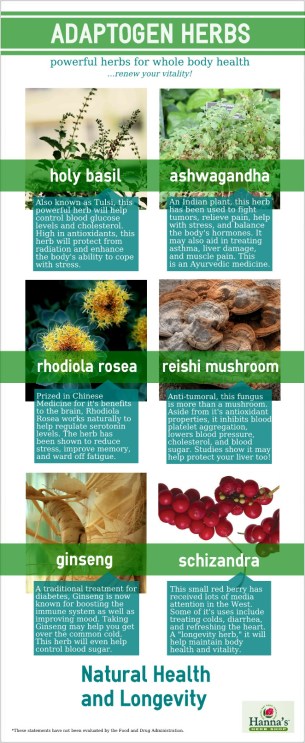
Adaptogens are natural substances that work with a person’s body and help them adapt; most notably, to stress. Adaptogens are a natural ally in dealing with persistent stress and fatigue because they work with regulating important hormones.

Adaptogens offer several other health benefits, including…

  • A boost for the immune system
  • Support for managing a healthy weight
  • Increased physical endurance and mental focus
  • Reduction in discomfort caused by poor health
  • Encouraging a balanced mood

All these benefits can come from something as simple as adding adaptogens into your regular diet. While there are a number of ways to increase your adaptogen intake, consuming adaptogenic herbs is arguably one of the best.

14 Powerful Adaptogenic Herbs

There are a number of naturally adaptogenic herbs that you might consider trying on for size. They can be taken in capsulated supplement form, brewed in teas, or simply cut up and used to spice up a meal. For maximum health benefits, it’s best to include a healthy variety of these herbs in your diet. Here are some of the most popular adaptogenic herbs and their traditional uses.

1. Asian Ginseng

This herb, also called Panax Ginseng, supports physical endurance, mental clarity, and has antioxidant properties that support heart health and your immune system. Studies show it’s safe to consume.

2. Holy Basil

A member of the mint family, this herb has soothing properties and has been used for centuries for good health. Its antioxidant properties support heart health and normal lipid profiles. It’s also a powerful weapon against stress.

3. Milk Thistle

The active compound in milk thistle, silymarin, supports liver health and metabolism that helps manage the hormones associated with stress.

4. Ashwagandha

Also called Indian Ginseng, studies from India shows that those who take this herb enjoy dramatic improvements in how they handle – and feel – stress. It’s also taken to keep the mind sharp, and for energy.

5. Rhodiola Rosea

This herb is popular among the Sherpas who work on Mt. Everest because of the way it supports regular energy levels and fights altitude sickness. Studies also show it helps encourage normal cortisol levels as well as energy levels.

6. Ginseng Eleuthero

Commonly called Siberian Ginseng, the Eleutherococcus senticous is known for not only its adaptogenic properties but also as a natural energy booster.

7. Rosemary

You’ve probably used rosemary in your cooking, but this herb does a lot more than add flavor and fragrance to your meals. Research shows two of its compounds, caffeic acid and rosmarinic acid, support heart, digestive, and liver health. Traditional medicine from around the world has used it for centuries to relieve stress.

8. Aloe Vera

Researchers have taken renewed interest in aloe vera as a powerful herb and superfood. Two of its compounds, acemannan and aloctin A, support immune and adrenal health.

9. Gotu Kola

Long used in both traditional Indian and Chinese medicines, this herb stimulates blood flow, helps reduce swelling, and is a powerful antioxidant.

10. Astragalus

The Chinese have used astragalus traditionally to encourage good health and fight stress. Its active compound, called TAT2, protects against aging, supports detoxification, and is nutrition for the kidneys.

11. Moringa Oleifera

The seeds, leaves, roots, and oils of the Moringa Oleifera plant are used throughout Southeast Asia an ingredient in many common dishes. As part of traditional medicine, it supports the immune response, eases swelling, and promotes energy and adrenal health.

12. Schisandra

This herb has been used in traditional Chinese Medicine to promote good health and overall wellness. Research shows it has powerful antioxidant properties that help your body stay balanced.

13. Bacopa

This popular Ayurvedic herb has been used for centuries to support brain health like memory, focus, and thinking.

14. Licorice Root

This herb has traditionally been used to promote many aspects of wellness, including normal metabolic function.

adaptogen-edited

How Do Adaptogens Work?

Now that we’ve mentioned some common herbal sources for adaptogens, let’s take a look at how adaptogens actually work. First of all, it’s important to understand that stress is only meant to exist in short bursts. It is a hormonal response that may have been responsible for helping some of your own ancestors escape from hungry lions (or maybe even face them!). Think about stress as what is commonly called your “fight or flight” response.

Today, most of us don’t have to worry so much about lions. However, most modern-day stresses are ongoing. When your adrenal system remains in a constant active state, it throws your body out of balance. Constant stress can wreak havoc on your body, especially on your digestive system and energy levels.

Adaptogenic compounds help mitigate the stress response. They work to bring the hormones of your adrenal system back into balance and overcome adrenal fatigue, a common condition of chronic stress. Studies show adaptogens like Rhodiola Rosea and Schisandra reduce the presence and effect of stress hormones. In this way, they help endurance during physical stress like exercise and return your body to normal when you’re faced with chronic stress.

Think of adaptogens like a thermostat. The keep your body’s stress response at a desirable level, much like the way a thermostat keeps the temperature from becoming too high or too low. They’re good for you all the time, not just when you have a high level of stress.

Adaptogens have broad-ranging effects, but this is mostly because they affect adrenal hormone secretion. In general, we can think of adaptogenic herbs this way: they set an “upper limit” on the signals the nervous system can send to the adrenals, making it harder for the body to crank adrenal response up to 100%. Some herbs, like licorice, keep adrenal hormones in the bloodstream longer: this lets the brain know that there’s plenty of response happening, and it doesn’t need to stimulate more. Others, like Rhodiola and eleuthero, help balance out excessive adrenal stimulation while at the same time containing chemistry that supports the activity of attention- and alertness-enhancing brain pathways. The net result: we feel more alert, but at the same time don’t produce excessive, unhealthy levels of adrenal hormones. Contrast this to the action of stimulant drugs (like amphetamines, or even caffeine): they increase brain alertness, but also crank up adrenal secretions. This is why stimulants make us feel awake, but also sometimes jittery, cold, and clammy: these last effects are the result of excess adrenal hormone secretion, and you’ll never feel them from adaptogens like Rhodiola or eleuthero.

schisandraberry_text

Other adaptogens are more calming in nature: they still help set an “upper limit” on adrenal hormone secretion, but also encourage deeper, more refreshing sleep and lack any of the activity on alertness pathways in the brain. By supporting more effective recovery during times of rest, adaptogens such as ashwagandha and Schisandra allow the body to bounce back and we can really notice this during the day: a balanced mood, energy level, and inflammatory response. It’s interesting to note that these herbs won’t ever make you “sleepy” directly: their effects, due in part to limiting the body’s ability to “overdo” the stress response and make sure our adrenals secrete hormones at balanced, healthy levels, are to get us into a more restful place during the evening and nighttime hours, so recovery and sleep can actually take place.

Source: What Are Adaptogens? – Crooked Bear Creek Organic Herbs

Echinacea 101 – Crooked Bear Creek Organic Herbs

If you taste echinacea’s powerful root, you’ll be surprised by the tingling sensation that soon follows. While many herbalists enjoy echinacea’s root, the entire plant can be used for its immune boosting properties.* The alkyamides in echinacea help stimulate the immune system, but this is only one set of constituents that work in harmony with many others in the plant. Perhaps this is why it is one of the most studied plants in Western herbalism. The true identity of all the active principles still remains open, making echinacea’s true powers another plant mystery!

All the plants in the echinacea genus are indigenous to North America and originally dwelled in prairie lands. In the mid-1800s, the American Eclectic physicians began to use echinacea and its healing powers reached beyond the New World.  By the beginning of the 20th century, it was one of the most frequently used herbal preparations in the United States, and overharvesting of the wild perennial flower soon followed.

Fortunately, United Plant Savers works to restore native populations of plants, and echinacea can now be cultivated in many different regions of the world. The best way to start your echinacea seeds is to have them endure a period of cold, moist stratification. What’s that, you ask? Some seeds are very hardy and lay dormant until awakened by the cold weather. Stratification either stimulates or creates winter conditions to encourage germination or sprouting. In the wild, echinacea’s dormancy is naturally overcome by spending time in the ground and enduring long winters.

The easiest way to start echinacea at home is to sow echinacea seeds about ¼ inch deep in fall, cover with a thin layer of rich compost and let nature take its course over the winter. Another option is to place the seeds in a small jar with some sawdust, vermiculite or peat moss. Then moisten and place the jar in the refrigerator for about a month. Once spring arrives, the seeds can be planted a ¼ inch deep into a large pot or directly into the soil. These purple coneflowers enjoy partial to full sun, ample water (but can handle some drought) and good drainage. You can expect the perennial to bloom fully by the summer of its second year.

tradmed_bp_november_embed_echinacea101_04-web

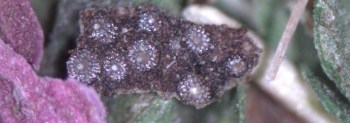
The leaves of Echinacea purpurea sometimes have “covering trichomes,” which are hairs, emerging right from the skin (or epidermis) of the leaf. Our microscopist helps to identify plants and saves photos like the above to deepen our knowledge of key plant identification features.

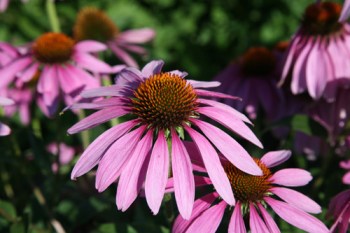
If you think you have found this plant in the wild, you will be able to identify it by some of its most pronounced features. All members of the Echinacea genus are perennials that bloom with both disk and ray flowers. The purple ray flowers attach to a round, high and spiky cone – hence the common name “purple coneflower.” Technically speaking, this thick and spiky cone is actually hundreds of more flowers, all tightly packed together.

So when you’re feeling like you need a plant ally to give you a boost, think of echinacea.

Now when you see a beautiful echinacea flower while you are out and about, its radiant purple flowers and sturdy structure will remind you of just how powerful this plant really is.

echinacea02Cold Stratification of Seeds for Growing Echinacea Purpurea
Attract goldfinches and butterflies to your garden with a healthy stand of Echinacea purpurea, or purple coneflower. The plant is a native perennial that thrives in U.S. Department of Agriculture plant hardiness zones 3 through 9. Purple coneflower grows from 2 to 4 feet tall, depending on variety, producing purple petals around a cone-shaped center in late summer that first draws butterflies, then finches as it becomes a bristly seed head. Once established, the plant is easy to care and readily self-seeds in place. When starting purple coneflower from seed indoors, you’ll get the best germination rates if seeds are cold stratified.

Cold Stratification

Cold stratification is a seed treatment developed to help gardeners mimic the winter conditions many seeds need to break dormancy and germinate. Many plants, both perennial and annual, that grow in a cold-winter climate evolved winter seed dormancy to keep them from sprouting when conditions are too cold or dry for sprouts to survive outdoors. Some seeds need only dry stratification — exposure only to temperatures between 33 and 50 degrees Fahrenheit — to germinate, while others need moisture in addition to the cold treatment. The length of stratification required also varies by plant species.

Purple Coneflower Stratification

Purple coneflower seed germinates best with moist stratification. Mixing the seeds with a small amount of sawdust, vermiculite or peat moss inside a plastic zipper bag or small jar for cold stratification keeps the seeds moist without hindering germination later. Seeds are sown one-quarter inch deep in containers of moist potting soil and covered with plastic to retain moisture. These containers go inside a refrigerator or other area where the temperature is consistently between 33 and 60 F for the entire stratification period. The temperature experts specifically recommend for E. purpurea coneflowers varies from 40 through 59 F, with the majority at the lower end of the range. Gardeners in areas with winter temperatures consistently in this range can place trays outdoors. Packaged seed often is pre-stratified and does not require any chilling to germinate.

Timing Stratification

The time required for stratification to be effective varies as well, from as little as two weeks up to a month for the seed to break dormancy. Planning for four weeks of cold prevents any question, as chilling for too long is not harmful to the seeds. Stratification time should be figured into your propagation time so that seeds are removed from chilling when it is time to sow. Seeds germinate in 10 to 30 days at 65 to 70 F and are often ready for transplanting within 30 days. The higher the temperature for both the seed and the seedling, the faster the germination and early growth. Purple coneflowers prefer slightly cool temperatures as seedlings and can be planted out just after the last predicted frost. Stems may be stronger and develop more flower buds when they experience cool temperatures of about 40 F after planting out.

Growing Purple Coneflower

Purple coneflowers grow in full sun to partial shade — dappled shade is ideal — in pH neutral, well-drained soil. Plants started from seed may not bloom for two years after planting. Transplants need at least 15 inches between them for the air circulation necessary to avoid disease, but no more than 24 inches to avoid spindly growth that requires staking. They are drought tolerant once established, but low to moderate water throughout the summer results in the prettiest plants. Like most natives, coneflowers have low fertilizer requirements, although a slow-release, high nitrogen fertilizer, like a 12-6-6, is beneficial in early spring as new growth begins. Deadheading keeps the plant blooming and compact and prevents self-seeding. Basal foliage is evergreen in zone 9 but can be cut back in early spring if it needs to be refreshed.

Source: Echinacea 101 – Crooked Bear Creek Organic Herbs

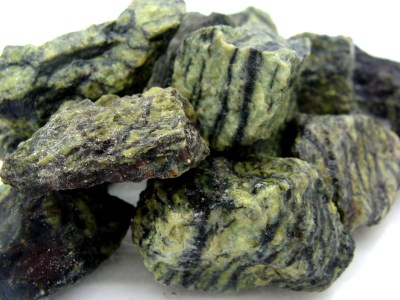
Crystal of the Week: Serpentine

Although it considered a common stone and is often overlooked, Serpentine or New Jade has a strong stone to work with. It is found in places such as New Zealand, China, Afghanistan, South Africa, The United States, and England and it’s associated primarily with the heart chakra.

Serpentine is a useful stone for aiding blockages in any chakras since it clears blocked or stagnant energies and it stimulates the arousal of the Kundalini energies. We’ll be talking more about Kundalini energies later on, so stay tuned!

This stone is known for helping the user understand the spiritual basis of their life and wonderful to help attract or manifest what we want in our lives.

Source: Crystal of the Week: Serpentine