Chicory Root

Featured Image -- 3812

Crooked Bear Creek Organic Herbs's avatarCrooked Bear Creek Organic Herbs

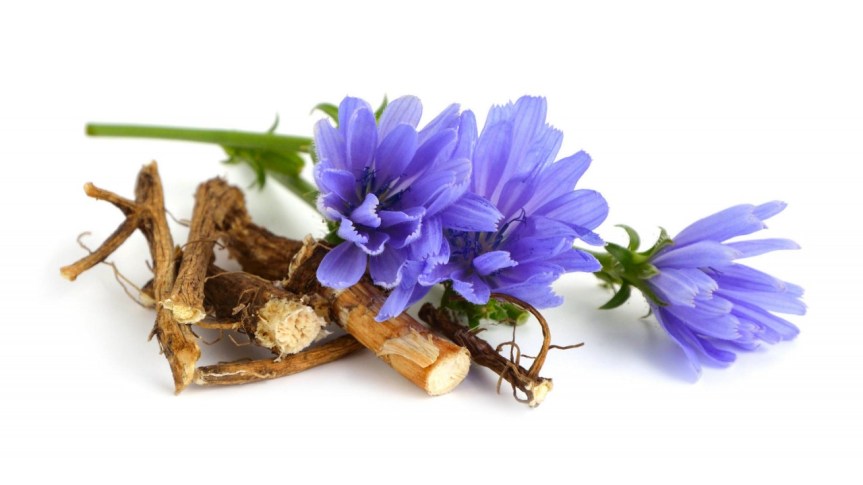
You may know the chicory root as a popular coffee substitute. In fact, it was widely used during the Great Depression and World War II when coffee was in short supply or too expensive. Today, it is used around the world and in the US, particularly in New Orleans, as a natural caffeine-free substitute for coffee. However, it’s much more than a rich drink.

Chicory has a long history as a cleansing medicinal herb. In fact, the ancient Egyptians were known to consume large amounts of chicory to purify the liver and blood. Romans were also known to have used the root to help with blood purification. Medieval monks cultivated the plant, and it is widely used in Europe and the Mediterranean where it natively grows.

Called kasni in the Far East, chicory contains tannin phlobaphenes and several forms of sugar. The seeds have carminative and are useful as a…

View original post 380 more words

Wild Roses

Featured Image -- 3775

Crooked Bear Creek Organic Herbs's avatarGood Witches Homestead

WILD ROSE

Fills your life with soft romance.
Gender: Feminine
Planet: Venus
Element: Water
Love. Psychic Powers. Healing. Love Divination. Luck. Protection.

WILD ROSE MAGICK

Use rosehips in healing mixtures.

Drink rosebud tea to induce prophetic dreams.

Rosebushes grown in your garden will attract faeries.

Add rose water distilled from the petals to your bath water.

Wear a chaplet of roses, or place a single rose in a vase on your altar when performing love spells to enhance the love-magic.

Common Names: Wild Rose, Dog Rose, Briar Rose
Botanical Name: Rosa canina, Rosa spp.
Family: Rosaceae
Plant Type: Shrub
Parts Used: Petals, leaves, and hips
Flowering: June

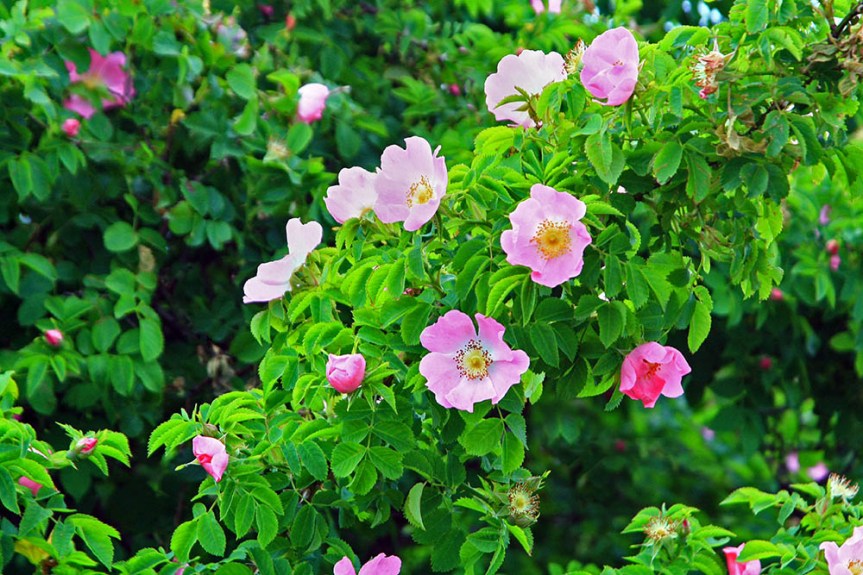
Native to Europe and Asia, R. canina is also naturalized in North America. It grows wild in hedges, along roadsides, and at the edges of meadows and woodlands.

Description: Wild rose, or Dog Rose is a shrub with arched, downward-curving branches…

View original post 431 more words

Valerian Root for Insomnia and Anxiety — Crooked Bear Creek Organic Herbs

Valerian is a plant with mild sedative properties that is sold as a sleeping aid and to treat anxiety. But does it work? In the United States (U.S.), valerian dietary supplements are usually sold as sleeping aids. In Europe, people more often take them for restlessness and anxiety. There are actually over 250 valerian species, […]

via Valerian Root for Insomnia and Anxiety — Crooked Bear Creek Organic Herbs

African Plant Extract Offers New Hope for Alzheimer’s

Crooked Bear Creek Organic Herbs's avatarCrooked Bear Creek Organic Herbs

A plant extract used for centuries in traditional medicine in Nigeria could form the basis of a new drug to treat Alzheimer’s disease, researchers at The University of Nottingham have found.

Their study, published in the journal Pharmaceutical Biology, has shown that the extract taken from the leaves, stem, and roots of Carpolobia lutea, could help to protect chemical messengers in the brain which play a vital role in functions including memory and learning.

The tree extract could pave the way for new drugs to tackle patient symptoms but without the unwanted side-effects associated with some current treatments.

The study was led by Dr. Wayne Carter in the University’s Division of Medical Sciences and Graduate Entry Medicine, based at Royal Derby Hospital. He said: “As a population, we are living longer, and the number of people with dementia is growing at an alarming rate. Our findings suggest that…

View original post 279 more words

Top 10 Health Benefits of Thyme

Crooked Bear Creek Organic Herbs's avatarCrooked Bear Creek Organic Herbs

There are few things a sprig of thyme won’t make immensely better. This versatile herb blends well with a myriad of flavors and is packed full of health-promoting compounds, vitamins, antioxidants, and other nutrients.

Thyme belongs to the genus Thymus which is part of the mint family and closely related to oregano—another powerful herb. Native to the Southern Mediterranean regions, this perennial herb is now grown around the world for its culinary and therapeutic uses. While this herb will liven up your cooking, thyme may also help expel harmful organisms from your body and support your mental and physical health.

What Is Thyme?

Thyme is an evergreen herb that blooms with small white, pink, and purple flowers. They hybridize easily and grow quickly in sunny areas with well-drained soil. Thanks to its ease of cultivation and growth, there are over 300 varieties of thyme in existence today. Each variety has…

View original post 1,415 more words

Cedarwood Essential Oil

Crooked Bear Creek Organic Herbs's avatarGood Witches Homestead

Cedarwood essential oil has a steady, reassuring strength.

It’s versatile, gentle, and powerful. It offers support in a wide range of blends, from respiratory inhalers to skin care creams, and both adults and children love its warm, woody aroma. Something about Cedarwood reminds me of sitting on a park bench under the shelter of a tall cedar tree.

In the blends below, I’m using three different Cedarwood essential oils: Cedrus atlantica, Cedrus deodara, and Juniperus virginiana. These three Cedarwoods are often good substitutes for each other, but I’ve included the Latin name in each blend so you’ll know exactly which Cedarwood I’m using.

1. Cedarwood connects us with our calm inner strength.

Cedarwood essential oil has the ability to see us through tough times. It can help us move steadily and securely through long projects . . . or through long, cold (sometimes dark) seasons like winter.

This…

View original post 675 more words

Patchouli Essential Oil

Crooked Bear Creek Organic Herbs's avatarGood Witches Homestead

Patchouli has a reputation for being peaceful, even in the face of conflict, and connecting us with the earth.

It’s all about calm, ease, and natural beauty.

In my mind, Patchouli’s mental and emotional effects are reflected in what it can do for our bodies. It calms inflammation, soothes anxiety, reduces bacteria, is astringent, and helps skin to heal.

The recipes in this Spotlight showcase Patchouli’s talents nicely!


Patchouli essential oil a perfect ingredient for natural acne relief blends.

This recipe is popular with boys, who I’ve found don’t often gravitate toward floral fragrances (but girls love this blend, too!).

You can make this in a 1 oz (30 ml) flip-top bottle:

  • 1 oz (30 ml) aloe vera gel (Aloe barbadensis)
  • 5 drops Patchouli (Pogostemom cablin)
  • 5 drops Lavender (Lavandula angustifolia)
  • 3 drops Tea Tree (Melaleuca alternifolia)
  • 2 drops Lemon (Citrus…

View original post 914 more words

What are Meridians? – Holistic Experiment

by Lucia Santos

Dubbed as the “primo-vascular system” by the scientists at Seoul National University, Meridians are a channel system that carries and distributes qi (energy) and blood. These Meridians work as conduit for energy to organs, endocrines, and body parts. Acupuncture, acupressure, and Reiki work with these meridians to remove any sort of blockage or imbalance in the body.

There are 12 primary paired meridians and two single mid meridians; six of them are yang (which is male and active) and the rest are yin (which are female and passive). The yang meridians run down the body while the yin meridians flow up the body. Each meridian is related to the elements of Earth, Metal, Fire, Wood or Water, which gives us the tools for treating imbalances that come from a lack or surplus of certain channels.

The most interesting fact is that each meridian is extremely active at a certain time of the day or night. For example, from 3AM to 5AM the qi (energy) is flowing through the Lung Meridian and later on enters the Large Intestine Meridian from 5-7Am, and then the Stomach Meridian from 7-9AM. The meridian cycle is continuous as the qi or energy flows throughout the body. If you’re curious about finding out more about the Qi Current, check out this interesting post.

Also, since sickness can happen when there’s a blockage of energy or when the ying and yang balance (also known as the male and female balance) in our bodies is disturbed. These meridians can show how an imbalance in an organ can cause symptoms in a completely different area of the body.

The twelve meridians are named according to their corresponding organs, these include:

  • Three arm yin meridians which focuses on the lungs, pericardium, and heart
  • Three arm yang meridians that focuses on the large intestine, triple burner, and small intestine.
  • Three leg yang meridians which focuses on the stomach, gallbladder, and the bladder
  • Three leg yin meridians that focuses on the spleen, liver, and kidney.

These twelve meridians make up the majority of the Meridian system and are known as the regular or principal channel. As mentioned before, there are various methods that will help balance the body such as Reiki, Acupuncture, Acupressure, and Yoga.

Meridians show that the human body is connected to the elements, the energetic structure and flow of energy at a cellular and physical level. It’s also said that Earth has energetic pathways or ley lines that are similar to the meridians in our bodies.

Source: What are Meridians? – Holistic Experiment

Ozark Encyclopedia – C – Cocklebur – Mountain Man Traditional Healing

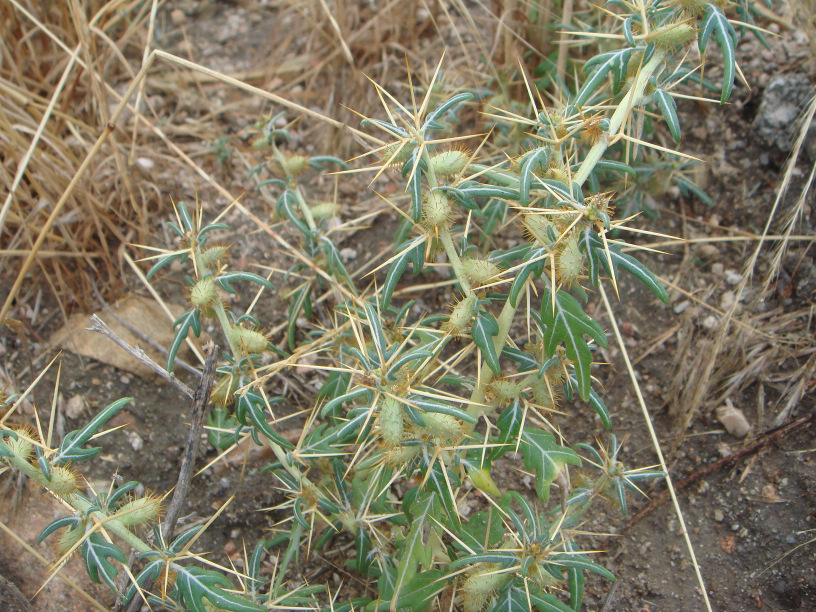
Cocklebur – Xanthium spinosum, X. strumarium

Parts used: burrs

Traditional uses: Infusion of root given to induce vomiting. Roots chewed for rattlesnake bite. Plant used for the kidneys. Decoction of seeds used for bladder ailments.

Tea used for rheumatism – “A tea made by boiling cockleburs in water is another remedy for rheumatism.” ~Randolph OMF 108

Used in love divinations – “Another girl picks a cocklebur, names it for her lover, and throws it against her skirt; if it sticks, she knows that her lover is true to her, if it doesn’t stick she thinks he is false.” ~Randolph OMF 172

Tea made for cold – “We always drank cocklebur tea for a cold. Dried burs, boil them in water, put a little sugar in it, strain them and drink it.” ~Carter and Krause HRIO

Used for coughs – “Boil ripe cuckleburrs. Make a tea out of the juice. Add enough sugar to make a syrup.” ~Parler FBA II 1970

For gall bladder – “Drink a quart of cockle-burr…tea each day for gall-bladder trouble.” ~Parler FBA II 2289

For kidney stones – “Take dry kickleburrs and place them in a stone jar. Then fill the jar with water (hot but not boiling) and set on stove next to fire. Let them simmer for 2 to 3 hours and then drain juice into jug. Take 1 tablespoon full 3 times per day for kidney stones.” ~Parler FBA III 2592

For kidney health – “Cucklebur…tea is good for kidneys.” ~Parler FBA III 2593

With alcohol and glycerin for tuberculosis – “To cure tuberculosis take dry cockleburrs, alcohol, and glycerin. Cook down and drink the water of it. You will spit up the T.B.” ~Parler FBA III 3474


Carter, Kay & Bonnie Krause Home Remedies of the Illinois Ozarks (HRIO)

Moerman, Daniel E. Native American Ethnobotany (NAE)

Parler, Mary Celestia Folk Beliefs from Arkansas (FBA)

Randolph, Vance Ozark Magic and Folklore (OMF)

Source: Ozark Encyclopedia – C – Cocklebur – Mountain Man Traditional Healing

Spicebush – Good Witches Homestead

Source: Spicebush – Good Witches Homestead

Spicy, lemony shrub with its rich history needs a reintroduction into the kitchens and medicine cabinets of North America.

It can be found from Maine to Florida, as far west as Kansas, and in parts of Texas. It is happiest just inside the edge of the forest but can successfully be grown out in the open with strong attention to its watering. The bush has a long American history that is enjoying a bit of a renaissance.

When European settlers first arrived in the Americas, they would have had to struggle with many elements of homesickness — particularly the loss of familiarity with the plants around them. Seeds were surely transported, and some even thrived in the New World, but many of the plants that colonists depended on for food, medicine, dye, and textiles had to be left behind. This meant that settlers needed to quickly understand which plants could serve as substitutes for lost staples.

If you’re in a strange place and need to know the landscape, the logical thing to do is to ask the natives. One of the important plants the Cherokee people taught early settlers about was spicebush. Spices have moved humans from place to place, started civilizations, and founded empires. Here on the temperate shores of the U.S., the bright spices cinnamon and ginger don’t grow, but we’ve always had milder and cooler substitutes. Spicebush berries can be used as a replacement for allspice, and the powdered bark makes a serviceable cinnamon.

Spicebush is known as fever bush, Benjamin bush, snap-wood, wild allspice, Appalachian spice, spicewood, and “forsythia of the forest” to name a few. Beyond its culinary use, Native Americans taught the settlers about the ways they used spicebush as a medicine. This native population used the leaves, bark, berries, and sap in various ways. Internally, they prized the plant for its diaphoretic properties, or its ability to induce sweating. Native people used spicebush to ease colds, cough, fever, and measles. Externally, they used oil from the pressed berries to ease the pain of arthritis. They used all parts of the plant interchangeably as compresses (external applications of cloth soaked in tea) for rashes, itching, or bruises, and they also used it to remove internal parasites.

Soon, the colonies began to expand, and many itching to explore the West. As they walked, they deepened their relationship with spicebush. Paul Strauss, in his book The Big Herbs, tells us that chewing on the twigs will quench thirst and moisten the mouth. In this way, spicebush walked with the settlers, many of whom were traveling with their families as they moved toward a farm they’d bought, sight unseen. Spicebush was associated with rich soil and easy access to the water table. If the surveyor said that the shrub was on the land in question, it was a safe bet for a successful farm.

Over time, the Americas’ access to the hot and intense spices of the East became easier. Medical advancements yielded awareness of plants with healing properties, and then modern drugs left the need for many plants behind. Spicebush was left alone in the woods to quietly feed the insects and animals that depend on it for survival. Only now are we coming back to an awareness of its presence?

Cultivating Spicebush

Spicebush is now a featured member of Slow Food USA’s Ark of Taste. Many are stepping back into the dappled shade of the forest’s edge to become reacquainted with this shrub. Spicebush is fond of moist soils along streams or in rich woods. It grows between 6 and 12 feet high. At its base, one often finds some of the most endangered of our medicinal plants, such as black cohosh, ginseng, false unicorn, goldenseal, and wild yam. In March and April, just before the leaves emerge, it sports pale yellow blooms that are a great early source of nectar for bees. The male and female blooms arise on separate shrubs. When the leaves appear, they are opposite, simple, smooth, and oval to oblong with a spicy, aromatic smell when crushed. In fall, the leaves turn a beautiful yellow that contrasts sharply with the red spicebush fruit. This fruit is an oval-shaped drupe containing one large seed. It’s bright, glossy red, and spicy when ripe in August through September.

In winter, after all the fruit has been eaten, you can identify the spicebush based on the gray to an olive-green color of the stems, which have a spicy smell when broken. The leaf scars are crescent-shaped, and both young stems and old bark are dotted with pale lenticels (raised pores where oxygen and carbon dioxide are exchanged). Spicebush spreads as a colony, by its roots. If you have a friend with an expanding group of spicebush, late fall is a great time to dig up some of the colony and move it to your house.

Growing spicebush is relatively easy, provided you have a good spot. Plants can be grown in full sun if you water them often and provide a rich soil with plenty of leaf compost. After they get established, they require little in the way of pruning or animal-proofing (deer don’t like them). You can just sit and enjoy the constant visual interest and all the other wildlife your spicebush will attract. The real problem will be deciding exactly which recipe you’d like to use with the leaves, twigs, and fruit your shrub will provide.

Uses for Spicebush

As a supplement, almost all parts of spicebush can be used in food and medicinal preparations. Spicebush bark’s antifungal capacities were demonstrated in a 2008 study that showed its activities against both Candida albicans and the fungus that causes athlete’s foot. To use the bark in this way, either make a tincture or simmer (decoct) the root in water for 15 to 20 minutes.

The entire shrub is high in volatile oils, making all parts of the plant likely effective at settling the stomach when made into a tea. The leaves are especially good as a tea and should be picked while glossy and green. The twigs can be picked to add to a tasty medicinal brew at any time of the year. If you’re hoping to have a cleansing sweat or break a fever, brew your tea for 30 minutes (4 ounces twigs to 1-quart water) and serve hot.

If you wish to use the berries, the possibilities for food as medicine are endless. Berries are ripe around the same time as apples, so think of the potential combinations! Dry berries in a dehydrator, and store them on a shelf or immediately freeze them. Some people cut the seed out of the middle before freezing, but I think that’s unnecessary and potentially removes some of the flavors. You’ll need to run unblanched, frozen berries through the food processor before adding them to a dish. Dried spicebush berries can be ground with a spice-dedicated coffee grinder. Try adding the resulting powder or pulp to coffee, cookies, chai tea, cobblers, curries, and more.

Spicebush is a strong part of our country’s past — but why keep it there? With so much to offer our landscape and even more to bring to our pantry and apothecary shelves, it deserves another look by all who enjoy a little history in the garden.

Spicebush Seed and Plant Sources

Strictly Medicinal Seeds (listed as “spice bush”)
Gurney’s Seed & Nursery Co.
Fedco Seeds

Fever Chai with Spicebush

spicebush teaRelieve typical fever symptoms, or make without milk to soothe fever caused by respiratory illnesses.

Total Hands-On Time: 1 hr

Cook Time: 1 hr

Yield: 5-7 cups

Fever Chai can bring some relief to fever symptoms, but you may make it without the milk for someone who’s experiencing a fever related to a respiratory illness, as milk can exacerbate symptoms of congestion.

Ingredients:

• 8 whole cloves
• 8 spicebush berries
• 7 twigs spicebush (broken to equal about 2 ounces)
• 2 sticks cinnamon (smashed)
• 1 cardamom pod
• 1 tablespoon fresh sliced ginger
• 1/2 star anise
• 2 cups water
• 4 to 6 cups milk (or almond milk)
• 2 tablespoons black tea
• Sugar or honey to taste

Instructions:

1. Crush all the spices lightly with a mortar and pestle and place them into a saucepan.

2. Cover the spices with water and bring to a boil.

3. Reduce heat and simmer for 30 minutes or until the water has reduced by half.

4. Add the milk to the saucepan and bring back almost to a boil.

5. Remove from heat. Add the black tea, cover, and steep for 5 minutes before straining.

6. While still warm, add sugar or honey to taste, and then use a milk frother to whip your chai.

7. Serve immediately.

Wild Allspice Java Rub with Spicebush

spicebush rubThis sweet and spicy rub is the perfect addition to steak, brisket, or pork.

Total Hands-On Time: 5 min

Preparation Time: 5 min

Yield: 1 cup

This rub is best on a grilled steak or brisket but also works well with pork.

Ingredients:

• 5 tablespoons ground coffee
• 2 tablespoons coarse salt
• 2 tablespoons brown sugar
• 2 tablespoons paprika
• 2 teaspoons freshly ground pink peppercorns
• 2 teaspoons garlic powder
• 2 teaspoons ground spicebush berries
• 1 teaspoon ground cumin
• 1 teaspoon unsweetened cocoa powder

Instructions:

1. Combine all ingredients and place in an airtight container.

2. This mix is shelf-stable but should be used within 6 months.

Continue reading “Spicebush – Good Witches Homestead”

Storytime with Rachel F Hundred

Creating stories for pleasure

Sibyl Moon

Shh I'm Writing

Sylum Clan

Nothing is True. Everything is Connected.

Laura Bruno's Blog

Medical Intuition, Astrology, Soul Readings, Intuitive Coaching, Tarot, Reiki: Inspiring and Empowering Visionaries, Artists and Healers

Fire Family Conflagration

Weekly Challenge from the 118, 126, & 113

Kiayea's Corner

all things fanfic...

Crystal Dawn Books & Gifts

Crystals, and all things Magical

Starkindler's Realm

welcome to the inner workings of my mind...

The Herb Society of America Blog

Learn • Explore • Grow

Dr. Gary Samuelson

A Journey of Discovery

Kylia's World

Where Canon has No Meaning and Universes Collide

originaltempus

Just another WordPress.com site

Profilers For Christmas

The Crime Drama Advent Calendar

Entangled Wood

Just another WordPress.com site

brokenamethystwrites

Here there be Dragons

Toasterpop's Fiction

Fanfiction and original stories from Toasterpop

Breakaway Consciousness

Seeking Ideas Beyond Conventional Thought

gypsysue

Writting, Drafts, Ideas

Ellywinkle

All Things Wicked and Wonderful

Natalie J. Case

Author, Editor, Photographer, Artist

Your Stories. Your Wall.

Honoring their service and building their legacy. The official blog of the Vietnam Veterans Memorial Fund.

00Q Reverse Big Bang!

Art and Stories for all things 00Q, since 2014

The Wild Hare Project

Where the Writer Comes First.

Anthea Davis

FanFiction Author

Every Fandom Bangs

The home of the Every Fandom Bang and Reverse Bang!

Penumbria

n. pl. pe·num·brae (-br) or pe·num·bras 1. A partial shadow, as in an eclipse, between regions of complete shadow and complete illumination.

This Crooked Crown

Witchcraft for the Everyday and the Extraordinary

This is who I am...

... and this is what I like

Fanfiction Recommendations by Isabelle Disraeli

Fanfiction Recommendations ~ Slash, Femslash, & Het Fanfic Recs

Ellywinkle

EVIL AUTHOR DAY

Convivial Supper

Recipes from the Past

Kaethe Vaako's Fiction

what my demented mind comes up with

Sylum Archive

Nothing is True. Everything is Connected

Quantum Bang

The Multi-Fandom Fix-it Big Bang

by Geep 10

a place for me to share what I've written

Good Witches Homestead

Enchanted World of Magical Gardening ~ Crystals & Gemstones ~ Locally Grown Organic Herbs

tkbenjamin

m/m original fiction and fanfic for adults only

Chestnut NOLA

It's All About The Romance

Loam Ananda

Spiritual Journeys in Druidry