Land Healing at the Druid’s Garden: Replanting, Forest Healing, and Refugia Update

Dana's avatarThe Druid's Garden

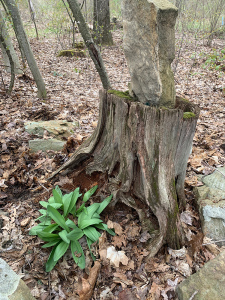
Ramps planted in my Grove of Renewal

Today I wanted to take some time to share some of the updates on the land healing and permaculture practices we are enacting at the Druid’s Garden Homestead.  As I’ve shared in earlier posts, when we purchased this land four years ago, the family who owned it just before us selectively logged about 3 acres, leaving the forest an absolute mess.  The land otherwise was perfect–we have our own spring, a nice sunny area for gardens….and three acres of land in desperate need of healing.  Since land healing is one of my primary forms of spiritual practice, I rolled up my sleeves and purchased the land! As this ongoing land healing project takes shape, I try to check in on the blog every once in a while to share new insights, techniques, and experiences.  Today I want to spend some time offering updates…

View original post 2,117 more words

Pineapple Mint – Herb of the Month

The Herb Society of America's avatarThe Herb Society of America Blog

A Two-Color Mint

by Maryann Readal

The Herb Society of America’s Herb of the Month for May is pineapple mint, Mentha suaveolens ‘Variegata’.

With its lime green leaves edged with a creamy white ruffle, pineapple mint is a perfect plant for the spring garden. This mint is a variegated cultivar of apple mint (Mentha suaveolens). However, its taste and smell does not remind one of apple mint. It has a sharp initial taste that fades into a light fruity flavor. Like other mints, pineapple mint thrives in a moist, rich soil. It does well in sun or in partial shade. In the south, it may need to be grown in partial shade. Also similar to other mints, pineapple mint can be a fast spreader, so containing it in a pot is a good way to control its growth. It is a nice plant to add to a hanging…

View original post 588 more words

Spring Plantain Herbal Infusion | The School of Aromatic Studies — Crooked Bear Creek Organic Herbs

It’s finally spring and all around there are cleavers, violet flowers, chickweed, plantain, and a few other early spring medicinal plants in the area around us. I am sure if you look around your yard or in a field yet to be touched by modern-day‘ weed killers’ you will stumble upon plantain.  Today we… Continue […]

Spring Plantain Herbal Infusion | The School of Aromatic Studies — Crooked Bear Creek Organic Herbs

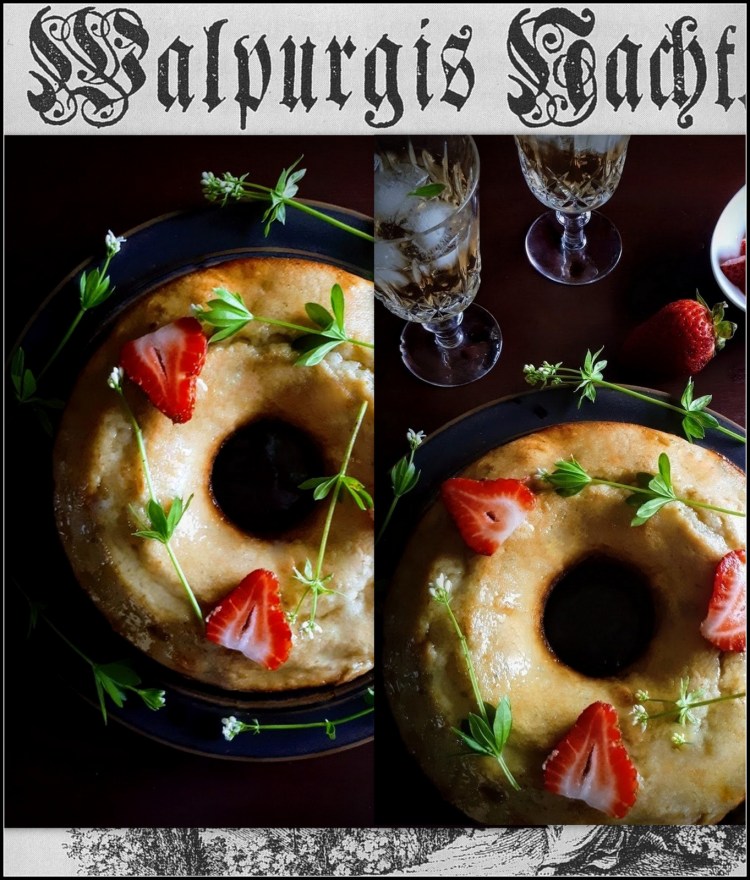
Bewitching Maibowle Cream Cake For Walpurgis Nacht (May Day Eve) – Gather Victoria

Crooked Bear Creek Organic Herbs's avatarGood Witches Homestead

Soon May Day Eve will be upon us – so I’m sharing this recipe posted last year at Gather Patreon. (Patrons will see a new recipe coming soon!) This Maibowle Cream Cake – made and…

Source: Bewitching Maibowle Cream Cake For Walpurgis Nacht (May Day Eve) – Gather Victoria

View original post

Welcoming Spring in the Year 1400

The Herb Society of America's avatarThe Herb Society of America Blog

By Zainab Pashaei

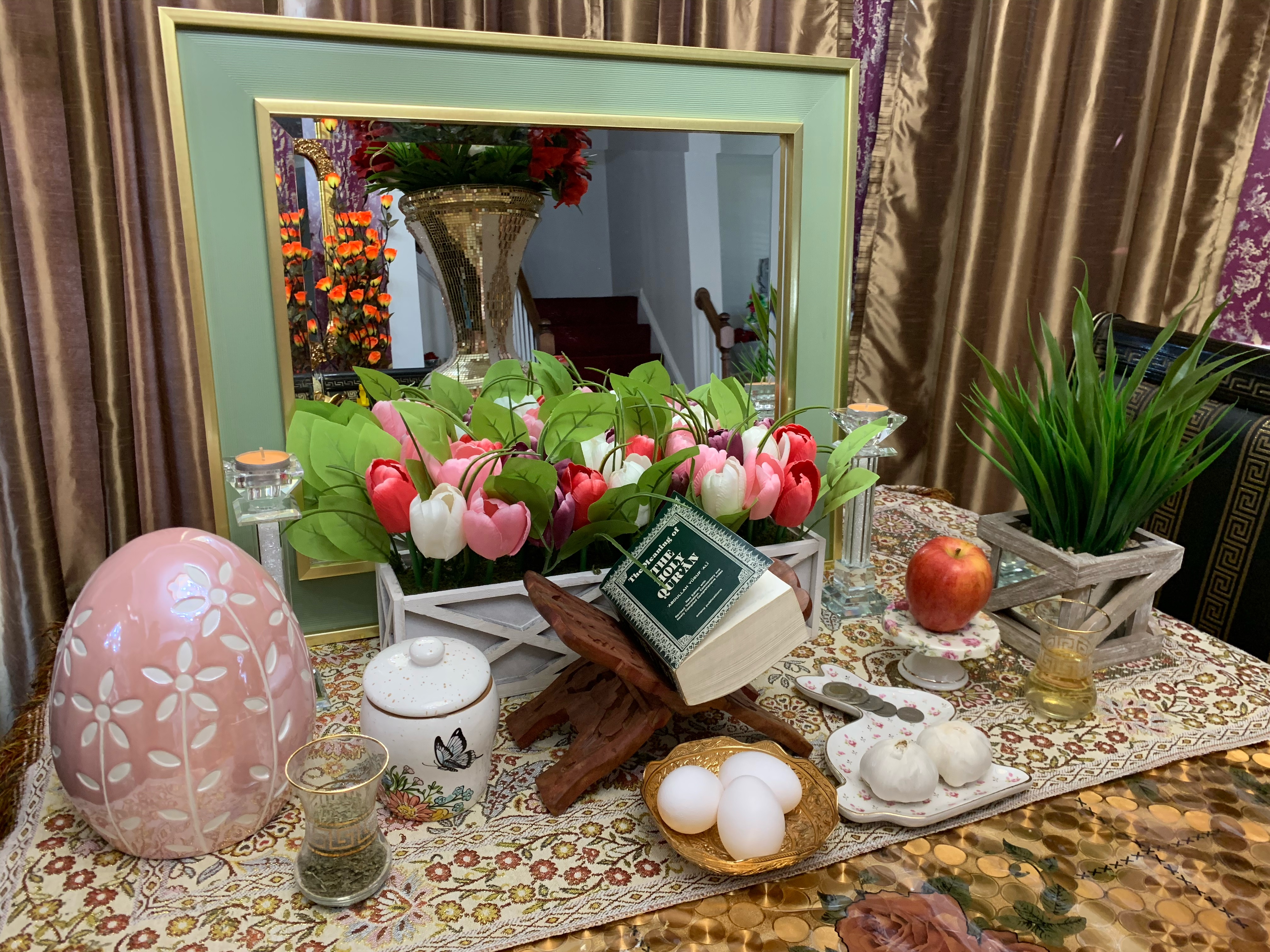
Haft-Sin tableI’m not talking about time travel. Nowruz—the equivalent of the New Year—was just celebrated on the spring equinox in Iran as well as in numerous other countries and among ethnic groups in the Middle East. In Iran, the first month of the year is called Farvardin, which began on March 20, 2021 (spring equinox). Although the year is specifically 1400 in Iran, Iranian traditions for Nowruz are thousands of years old and pre-date the emergence of Islam in the country. In contrast to Western nations, the importance of nature and spring plays a critical role in new year festivities of the nation. Many of these festivities are symbolic and involve herbs, nature, and light (fire).

JumpingDuring the festivities, which start on the Wednesday before the spring equinox, Iranians will gather and jump over fires and light fireworks in observance of Chaharshanbe Suri (loose translation =…
View original post 872 more words

Druid Tree Workings: Cutivating Recpiprocity

Dana's avatarThe Druid's Garden

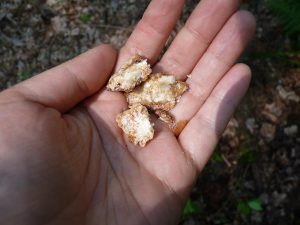
White spruce resin, locally harvested from my land Norway spruce resin, harvested  with honor and reciprocity from the land

When I was still quite young, my grandfather used to take me and my cousins into the deep forest behind our house and teach us many things about nature.  One of the fun things he taught us, for example, was that you could use spruce gum or white pine resin not only as a chewing gum (something that gave us endless enjoyment) but also to cover over a cut to help heal it or draw out a splinter or stinger. I remember once day we were walking in the woods and I fell on the ground and scraped my knee quite badly on a rock.  He went to a nearby spruce tree and got some of the sticky resin, then carefully spread it on my knee and covered it with a tulip poplar leaf.  The resin stuck the leaf…

View original post 1,783 more words

HSA Webinar: Shedding Light on the Solanaceae: An Exploration of Our Relationship with Nightshades

The Herb Society of America's avatarThe Herb Society of America Blog

by Jen Munson, HSA Education Chair

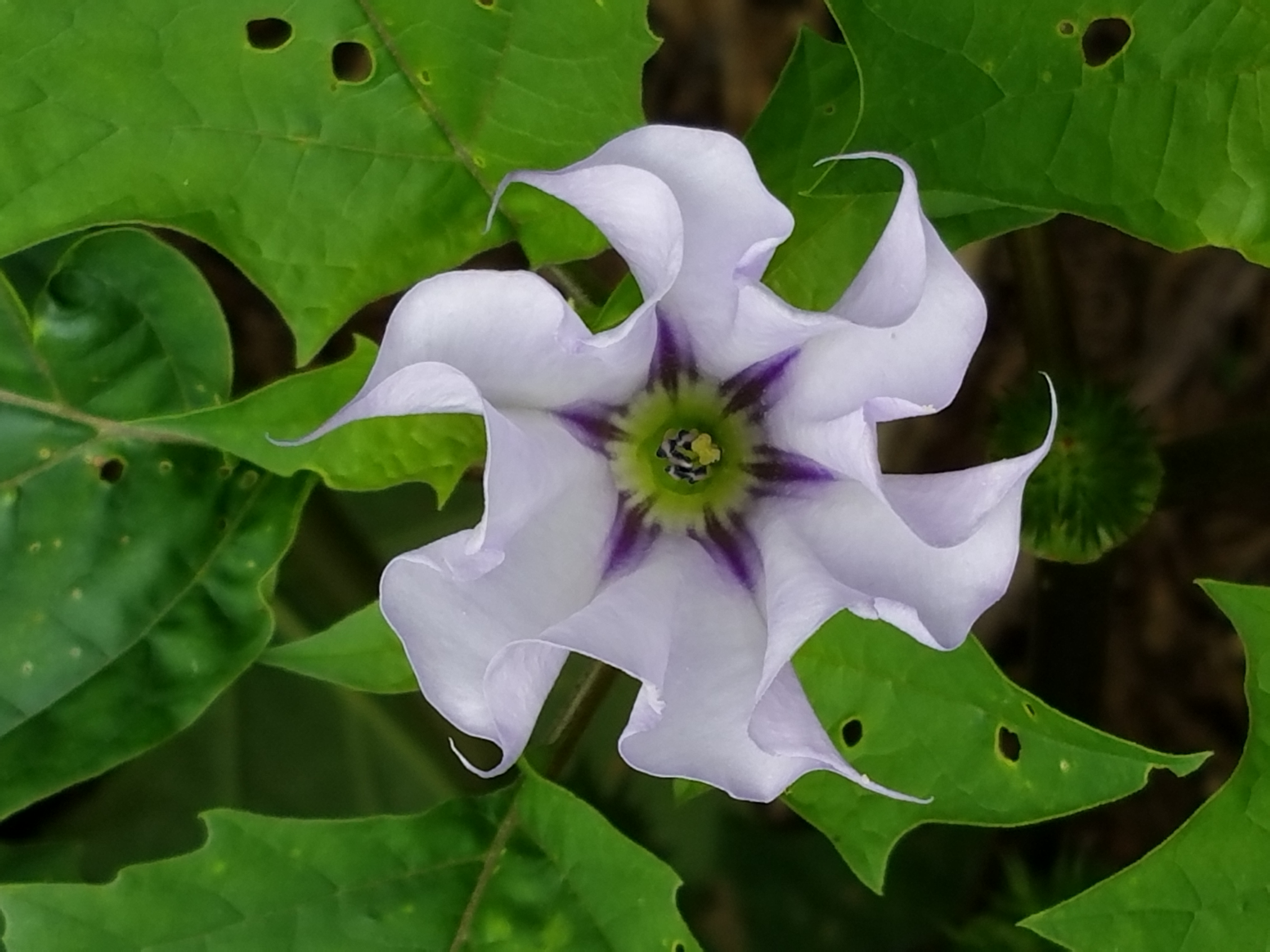
20170811_093151The nightshade family of plants sounds ominous  – how could it not with the use of the words night and shade? The official name of this family is Solanaceae, and these plants are characterized by the shape of the flower, which in some cases feature near perfect pentagrams of petals, sepals, and stamens, and in others the petals are fused to form long tubes.
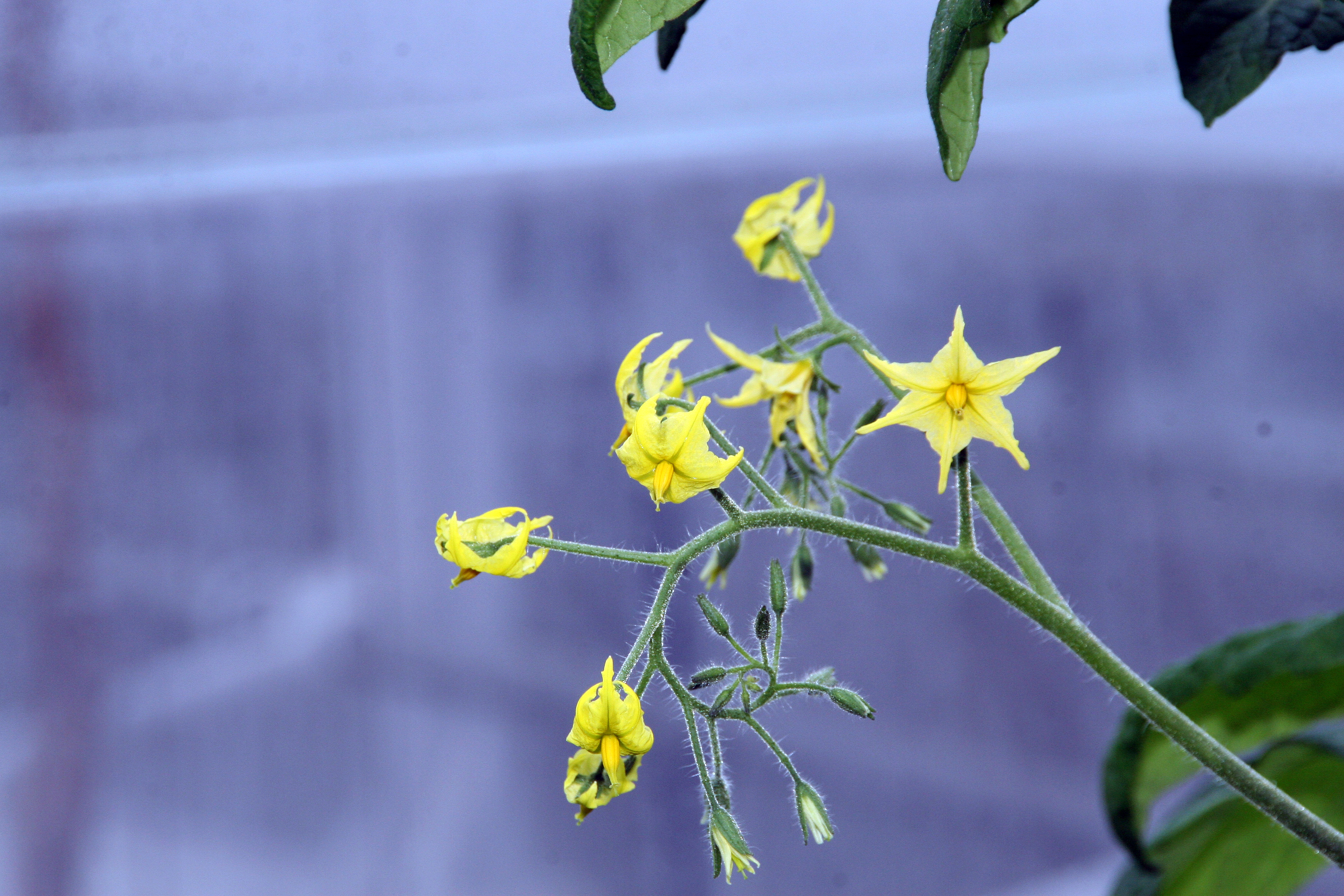
The Solanaceae features nearly 90 genera and 3,000 species, including some of humanity’s most important plants. You may be surprised to learn that many of our everyday foods fall in the nightshade family. These include hot and bell peppers, potatoes, eggplant, and tomatoes. To learn more, join HSA on April 13th at 1pm EDT when National Herb Garden gardener, Erin Holden, joins us for “Shedding Light on the Solanaceae: An Exploration of Our Relationship with Nightshades.” 

Lycopersicon_esculentum_Supersweet_100_0zz by David J StangAlthough many…

View original post 352 more words

Chervil – Herb of the Month

The Herb Society of America's avatarThe Herb Society of America Blog

by Maryann Readal

chervil plantChervil, Anthriscus cerefolium, is similar to parsley but has a milder, anise flavor. It is sometimes called French parsley or garden parsley. The Romans named it cherifoliu, the ‘cheri’ part meaning delight and the ‘folium’ part meaning leaves—the joy of leaves.

Chervil is important in French cuisine, where it is an ingredient in classic sauces such as béarnaise and ravigote. These sauces pair well with fish, veal, or chicken. Along with parsley, chives, and tarragon, chervil is in the French herb combination, herbes fines. Chervil is better used fresh as it loses its flavor when dried. It should be added at the end of cooking to get the most out of its flavor. It is a good addition to omelets and salads and can be sprinkled over fresh fruit. Chervil makes a flavorful and colorful butter. The leaves and flowers can…

View original post 1,075 more words

Sensory Herb Gardens for Special Needs Children

The Herb Society of America's avatarThe Herb Society of America Blog

By Candace Riddle

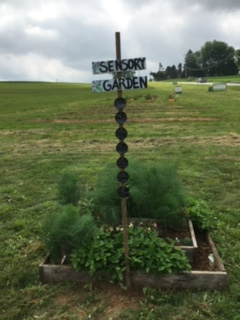
IMG_0317Ever since Beatrix Potter wrote The Tale of Peter Rabbit,children and gardens have had a special friendship. That friendship is even stronger between children with special needs and special gardens called “sensory gardens.” 

The difference between a sensory garden and a “regular” garden is the human factor— regular display gardens are designed primarily for visual beauty, while a sensory garden is designed to stimulate all the senses: sight, sound, scent, touch, and taste. A display garden is meant to be viewed or seen from either a short or long distance, whereas a sensory garden is meant to be experienced close and personal using all five of the human senses.  

Educators describe a sensory herb garden as peaceful and calming with the ability to draw kids into the moment; even non-verbal kids can show their feelings about their garden experience.

When we use the term “children…

View original post 1,142 more words

Our most popular F R E E Online Herbal Course is back

Birdsong Paula,Is spring singing sweetly in your neck of the woods? Here in the southern Appalachians, we’re sitting on the edge of our garden stools, ready to be fully wooed by the season. There’s nothing like the spectacle put on by vernal green beings, whose soft brightness is the ultimate restorative after months of dark and cold—figuratively and literally.As redbuds swell and daffodils nod their sunny heads, we’re feeling more than an emergence from winter. This past year surpassed seasonal hibernation; it was a chrysalis moment. A time of dissolution, solitude, and soul-searching, and for many of us a test of spirit as we mourned the loss of loved ones and faced unparalleled challenges. As the veil of the past 12 months begins to lift, we’re ravenous for the renewal of apple blossoms and robinsong.Throughout the last year, cascades of folks have found health, connection, and resilience through the study of herbal medicine. People have turned out for herbal classes, learned to make their own medicines, and grown gardens for the first time in profound numbers. Do you want to join the movement?Registration has just opened for our most popular FREE Online Herbal Course.
Our HANDCRAFTED HERBALISM FREE ONLINE MINI-COURSE is a foundational introduction to some of the most important subjects herbalists need to learn:
Sustainable Wild Food + Medicine ForagingHerbal Medicine MakingPlant Identification + Herbal BotanyIf you enroll by March 29th, you can join us for four vibrant videos, three downloadable lessons (yours to keep!), review Q+A’s, and a self-graded quiz (so you can tape your herbal report card to the fridge).
Enroll in the Mini-Course