
by Jen Munson, HSA Education Chair
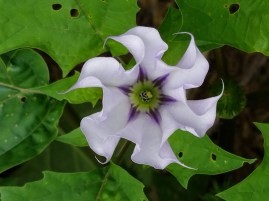 The nightshade family of plants sounds ominous – how could it not with the use of the words night and shade? The official name of this family is Solanaceae, and these plants are characterized by the shape of the flower, which in some cases feature near perfect pentagrams of petals, sepals, and stamens, and in others the petals are fused to form long tubes.
The Solanaceae features nearly 90 genera and 3,000 species, including some of humanity’s most important plants. You may be surprised to learn that many of our everyday foods fall in the nightshade family. These include hot and bell peppers, potatoes, eggplant, and tomatoes. To learn more, join HSA on April 13th at 1pm EDT when National Herb Garden gardener, Erin Holden, joins us for “Shedding Light on the Solanaceae: An Exploration of Our Relationship with Nightshades.”
 Although many…
View original post 352 more words
 Chervil,
  Ever since Beatrix Potter wrote
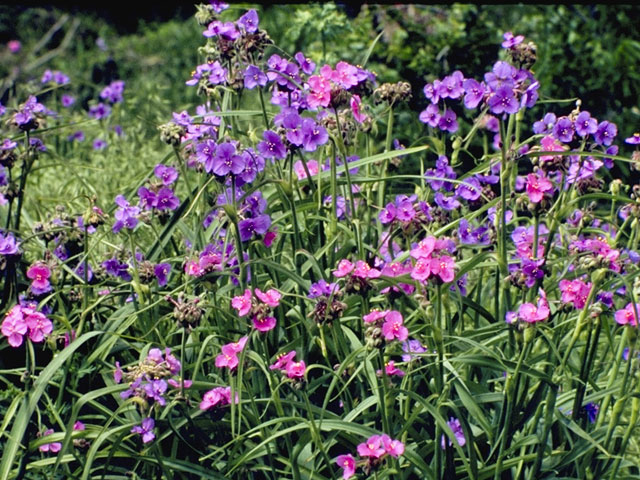 You may be one of the growing numbers of home gardeners who have put shovel to soil in the effort to nourish themselves and their families with wholesome, organic, fresh, and ultimately local vegetables and fruits. It is empowering to know exactly where your food comes from. And, while gardening is perfect exercise…it can be a lot of work! What if you could grow food plants that all but took care of themselves? Or better yet simply harvest, with caution of course, from the wild.
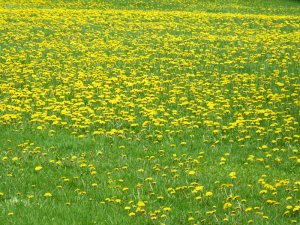
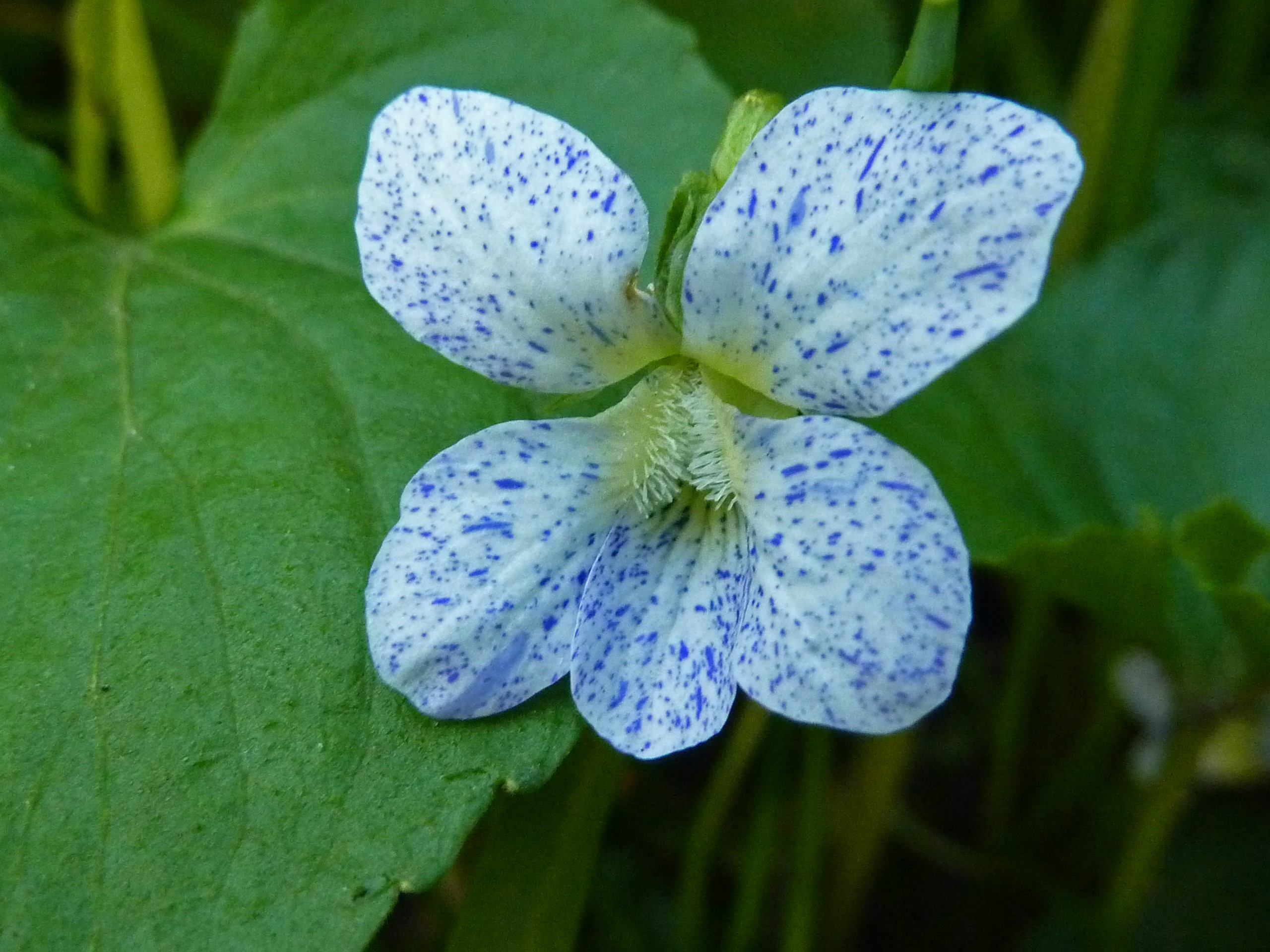 A common harbinger of spring is the showy dandelion with its bright yellow flower that pops against newly greening lawns. With dandelion sightings, so the debate begins between those who want the perfectly manicured lawn and environmentalists who see dandelions as an early food source for pollinators and beneficials. The dazzling dandelion outshines another harbinger of spring, and that is the less-assuming violet.
  Little do many of us realize that v


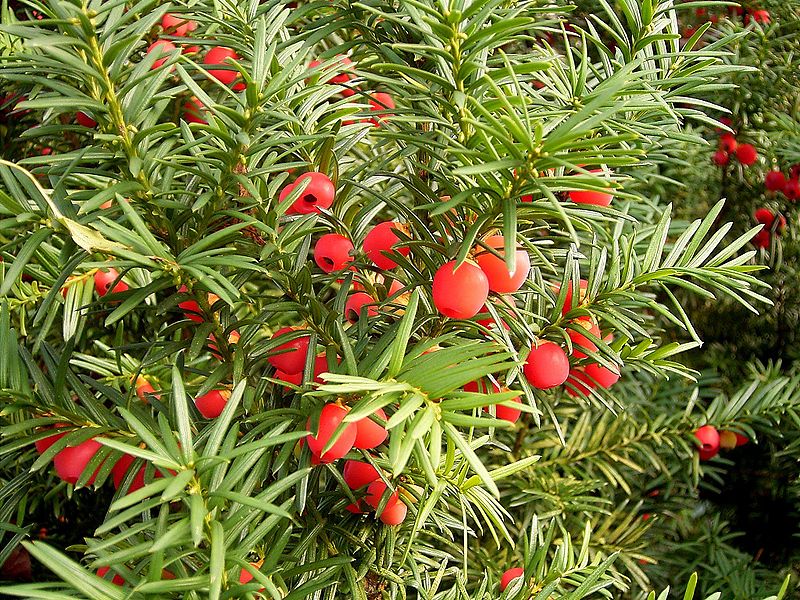 As an herbalist I’m interested in many aspects of plants – from their use in herbal and conventional medicine, to lore that informs us how those in the past viewed the plant. I knew that Taxol was a cancer drug made from the yew tree, but when a friend mentioned its poisonous aspects, I decided to dig a bit deeper.

You must be logged in to post a comment.