As long as anyone can remember humanity has had beliefs in a higher power through the use of magick ~ spells ~ curses ~ cures ~ incantations ~ remedies that have been preserved across many different cultures
Grimoires were then developed over the centuries which became the books of choice for secrets societies
Writing down ones magick did vary in style some written down in tiny pocket notebooks others in hugh ledgers and those who wrote their secrets upon odd scraps of paper
Many preserved and available
Many burned upon administering the cure
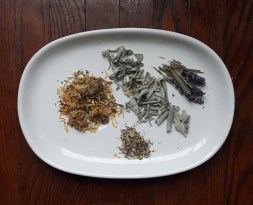
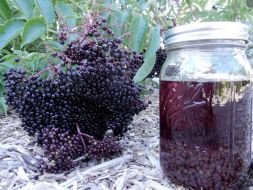
Magickal tinctures are another form of using the smell of botanicals to help focus intent and energy by stimulating your consciousness through smell. Using different types of herbs and resins can help focus energy for specific intents. They’re also a great way to create simply aromatics for the home, with of course some added magickal stimulus. You can make tinctures for a variety of uses, depending on the herbs you use. Alcohol based tinctures have a longer shelf life, often lasting several years, but tinctures can also be made with glycerine, for bathing spells, and for consumable tinctures you can use vinegar or even honey. Obviously check with your provider and research whether the herbs you wish to include are consumable …
Please check with your Doctor or Pharmacist that any herbal remedies have NO contraindications with your prescription medications.
I confess winter has become my favorite season. Especially when it is as cold and snowy as this one has been. I love the silence of a landscape blanketed in snow. I love fires and hot tea and snow in my boots. I have finally embraced the fact that winter is not my slow time and that hibernation isn’t really a possibility in this line of work. I have decided to embrace the waxwings and the deer and keep moving like they do. I play like the squirrels with my family and try to keep it as simple as possible, staying close to home. As the year 2016 comes to an end it is time to reflect while gazing into a warm fire and to give thanks for all the good things and good people in my life. I am truly blessed and feeling the abundance.
An increasing number of chemical and pharmacological studies, which strongly support traditional medicinal uses of Greek herbs against various illnesses such as a sore throat, cough, and gastric ulcer, have been reported recently. One of these herbs is an endemic plant of the island of Crete, which has been widely used as a traditional medicine since antiquity: the dittany of Crete, Origanum dictamnus (Lamiaceae family). A variety of compounds, including flavonoids, lipids, and terpenoids have been identified from the plant. Current studies have shown that its extracts and the essential oil possess important antimicrobial, antioxidant and anti-ulcer pharmacological properties.
The use of herbal medicine has its roots in the Bronze Age. The Homeric texts describe herbal wound healing treatments during the Trojan War. Ancient Greeks had developed a considerable medical knowledge based on systematic observation in order to heal their precious human capital. The Mycenaean palatial centers systematically produced and exported huge quantities of aromatic and essential oils to the kingdoms of the Mediterranean basin and exchanged them to copper and tin for their weapons and tools. Were they also used as medicines? The tradition is still preserved and the consumption of aromatic plants as a component in curing common diseases is still on population’s practices in many islands and rural areas. Though observations show that persons in Crete that consume Cretan herbal teas, mainly dittany and sage, are more resistant to viral induced infections. Until recently, there hasn’t been any double-blind trial conducted on the effectiveness of Cretan herbs in the prevention and curing of common diseases. […]
Not everyone celebrates the same during the holidays and gift giving varies from culture to culture. If you are looking to help someone’s life progress and know what they are currently struggling with, you cannot fail or tarnish your Karma if you are willing to help another, in fact, you are in turn balancing it. Good deeds are always rewarded three-fold … Read the article at the Source: Witches Gossip Corner ~ December 19, 2016
Arnica; poisonous in large amounts which can cause serve gastroenteritis, fever, nausea, dizziness, abnormal pulse rate, diarrhea, skin reactions, and internal bleedingof the digestive tract.
Azalea; poisonous and causes nausea, vomiting, depression, difficulties breathing, coma, and it is rarely lethal.
Balm of Gilead; can cause skin irritation, serve stomach upset, and pregnant/breastfeeding woman should avoid.
Belladonna; very deadly poisonous causes blurred vision, staggering, loss of balance, dry mouth and throat, headache, rash, constipation, confusion, hallucination, and convulsions. Careful when handling because it can be adsorbed through skin.
Bleeding Heart; may be poisonous in large amountswhich cause convulsion and other nervous symptoms.
Blue Flag; nausea, vomiting, irritation of the mouth, throat, digestive tract, skin, headaches, watery eyes.
Bryony; all parts of are poisonous and can cause death, lethal if consumed.
Buttercup; irritant juices may severely damage the digestive system.
Calamus; toxic in large dosages and causes hallucinations, nausea, and vomiting.
Calabar Bean; extremely toxic which can cause excessive sweating and saliva, reduced pupil size, nausea, vomiting, diarrhea, irregular heartbeat, blood pressure changes, confusion, seizures, coma, muscle weakness, paralysis, serve breathing problems, and death.
Camphor; serve allergic reaction which include rashes, hives, itching, difficulties breathing, tightness in chest, swelling of the mouth, eyes, face, lips, or tongue.
Castor Oil Plant; poisonous and causes burning sensation in mouth and throat, abdominal pain, bloody diarrhea. In the next several days dehydration, drop in blood pressure, and decrease in urine. Unless treated death can be within 3-5 days.
Celandine; nausea, dizziness, fatigue, fever, and liver damage.
Christmas Rose; causes burning of the mouth, eyes, throat, oral ulceration, gastroenteritis, and vomiting blood.
Cowbane; poisonous and can attack the central nervous system which can induce seizures.
Daffodil; can cause nausea, diarrhea, vomiting, and can be but usually not fatal.
Daphne; poisonous, causes burns to the mouth and the digestive tract then followed by a coma. Can be fatal.
Dog’s Mercury; poisoning will appear in the next few hours which includes vomiting, pain, gastric and kidney inflammation, sometimes inflammation of the jaw and cheeks, and drowsiness.
Elderberry; poisonous and causes nausea and digestive upset.
Elephant Ear; all parts are poisonous and causes irritation of the mouth and tongue, can be fatal.
Ergot; can be fatal and can also cause nausea, vomiting, muscle pain or weakness, numbness, itching, vision problems, convulsion, confusion, spams, and unconsciousness.
Gelsemium; extremely poisonous even in small amounts very toxic and can cause headaches, vision problems, difficulties swallowing, dizziness, muscle problems, seizures, breathing problems, and slowing of the heart.
Golden Chain; serve poisoning which causes excitement, staggering, convulsions, and coma. This can be lethal.
Foxglove; large amounts can cause irregular heartbeat, digest upset, mental confusion, and can be fatal.
Hellebore; likely unsafe if ingested or applied to skin which can cause irritation of the mouth and throat lining and also slow down the heartbeat. Large dosages cause vomiting, diarrhea, difficulties swallowing, nerve problems, blindness, convulsions, paralysis, difficulties breathing and death.
Hemlock; stomach pains, vomiting, and progressive paralysis of the central nervous system.
Henbane; cause dilated pupils, hallucinations, increased heart rate, convulsions, vomiting, hypertension, and ataxia.
Holly; berries can be deadly and the leaves can cause nausea, diarrhea, vomiting, stomach and intestinal problems.
Honeysuckle; can cause allergic reactions which include rashes.
Horse balm; gastrointestinal irritation, nausea, dizziness, and painful urination.
Hyacinth; nausea, vomiting, diarrhea, and can be fatal.
Ilex; serve allergic reactions which include rash, hives, itching, difficulties breathing, redness, burning, swelling of the mouth, eyes, face, lips, or tongue.
Iris; serve digest upset.
Ivy; poisonous, causes stomach pains, labored breathing, and possible coma.
Jewelweed; dangerous when consumed in large amounts.
Jerusalem Cherry; nausea and vomiting and occasionally fatal especially to children
Jimsonweed; do not inhale or consume, can cause many toxic effects like dry mouth, extreme thirst, vision problem, nausea, vomiting, constipation, fast heart rate, hallucinations, high temperatures, seizures, confusion, loss of conciseness, breathing problems, and death.
Laburnum; intense sleepiness, vomiting, excitement, staggering, convulsive movements, frothing at the mouth, unequally dilated pupils, coma and death.
Larkspur; digestive upset, nervous excitement, depression, and can be fatal.
Laurel; poisoning produces anorexia, profuse salivation, depression, uncoordination, vomiting, watering of the eyes, difficulties breathing, weakness, cardiac distress, convulsion, coma, and eventually death.
Lily of the Valley; irregular heartbeat and pulse accompanied by digest upset and mental confusion.
Lobelia; potentially toxic which can cause vomiting, it also can interfere with medication.
Jack-In-The-Pulpit; produces allergic reactions and causes skin, mouth, throat irritation, swelling, burning, difficulties breathing, and stomach upset.
Kava Kava; can cause liver problems, nausea, rapid heartbeat, vomiting, drowsiness, numbness around mouth, hallucinations, kidney effects, shortness of breath, and disorientation.
Mandrake; poisonous which can cause blurred vision, dryness of the mouth, difficulties urinating, headaches, vomiting, rapid heart rate, and hallucinations.
Mayapple; diarrhea and serve digestive upset.
Mistletoe; poisonous and causes gastrointestinal discomfort, diarrhea, weak/slow pulse, seizures, and it is rarely lethal to humans.
Morning Glory; toxic and causes diarrhea, gastrointestinal upset, disorientation, ataxia, anorexia, and hallucinations.
Mugwort; use in a well ventilated area and with the right dosage, too much can be lethal.
Nightshade; fatal and intense digestive disturbance and nervous symptoms.
Oak; poisonous in large amounts and gradually affects the kidneys.
Oleander; extremely poisonous can cause heart effects, serve digest upset and even death.
Pennyroyal; can cause serve liver and kidney damage and also stomach pain, nausea, vomiting, burning of the throat, fever, confusion, restlessness, dizziness, high blood pressure, abortions, and brain damage.
Periwinkle; contains poisonous chemicals and should no be ingested can cause nausea, vomiting, hearing loss, hair loss, dizziness, bleeding, nerve problems, seizures, liver damage, low blood sugar, and even death.
Pleurisy Root; can cause serve heart problems, nausea, vomiting, and skin rashes.
Poinsettia; skin rashes, serve eye irritation, and irritation or burns to the mouth, throat, stomach, and intestinal lining.
Pokeweed; all parts are poisonous and when handling use gloves because some chemicals can pass through skin and affect the blood and it also causes nausea, vomiting, cramping, stomach pain, diarrhea, low blood pressure, difficulty controlling urine, and thirst.
Rhubarb; fatal and large amounts can cause convulsions, coma, and a rapid death.
Snakeroot; can be fatal, cause nausea and vomiting.
Spurge; unsafe and has chemicals that cause cancer, other effects include nausea, diarrhea, vomiting, burning of the mouth, dilated pupils, dizziness, painful bowel movements, near unconsciousness, irregular heartbeat, rashes, reddening, itching, burning, and blisters.
St John’s Wort; can be poisonous and cause fatigue, dizziness, confusion, and dry mouth.
Skullcap; pregnant women should not use it can cause a miscarriage
Thorn Apple; abnormal thirst, distorted sight, delirium, incoherence and can be fatal.
Uva Ursi; can cause skin discoloration, headaches, tinnitus, dizziness, muscle twitching, tremors, convulsion, seizures, nausea, vomiting, irritation to the skin and eyes.
Wahoo; poisonous and potentially deadly, symptoms include serve upset stomach, bloody diarrhea, fever, shortness of breath, unconsciousness, spams and coma.
Wisteria; mild to serve digestive upset, many children have been poisoned by this plant.
Wolfsbane; also know as Aconite, disables nerves, lowers blood pressure, and can stop the heart. Avoid skin contact.
Wormwood; can cause diarrhea, vomiting, nausea, insomnia, restlessness, vertigo, and seizures.
Yellow Jasmine; poisonous and cause nausea and vomiting.
Yew; fatal, death is usually sudden without any warning symptoms.








You must be logged in to post a comment.