
During the long, chilly winter months, our bodies need all the help they can get to fight infection.
Colds, viruses, and the flu lurk at the door and a simple handshake can lay one out for weeks. To build up the immune system and stave off bugs that run rampant in winter, try incorporating herbs like rosemary, sage, and lemon balm to your morning tea or coffee. All three of these herbs promote longevity and aid in strengthening the body’s defenses. Add them directly to the basket of your coffee pot for full infusion. Remember to gently crush the herbs in your hands first to release all of their essential oils. If you’re lucky enough to have a coffee grinder, that works even better. Simply add the sprigs or dried leaves to the beans and grind away. Then dress the drink as you normally would.
Don’t forget to consume fresh juices for more immunity-building in the darker months Reach for 100-percent juice varieties of blueberry, orange, pomegranate, and goji, which ward may ward off everything from the common cold to cancer. Juices are also a great option for flavoring teas, coffee, and punch.
For instance, you might add a shot of noni juice to coffee every morning for an antioxidant boost. Noni fruit is derived from trees found across the Polynesian islands and shows promise in fighting fatigue and combating aging.
Drink to Your Health – Ten Best Winter Drinks.
Beat winter’s cold bite and warm up with these cozy brews.
What better way to celebrate the colder, restful months than with a hot beverage?
Whether you’re looking to cozy up to the fire with a mug of herbal tea or entertain guests with spiced cider, there are dozens of recipes to choose from. For those special occasions with family and friends, reach for ancient recipes like mead or glogg to toast the season. You can enhance a bottle of wine with rich, earthy spices like cinnamon, cloves, star anise, or licorice root. For a warm punch that pleases a crowd, mix wine with liquors like brandy, Schnapps, Cointreau, Grand Mariner, or Galliano. Then jazz it up with stevia, fennel, basil, or woodruff. Most of the recipes found here are non-alcoholic, but suggest a liquor if you want to add a little “spirit.” Double the recipes for a larger crowd and keep the brews warm on the stove or in a crockpot. Garnish with pretty herbal flowers like chamomile, lavender, pineapple sage, and mint. Or use edible stir sticks like licorice root, chicory, cinnamon, or rosemary bark.
Peppermint Patty
The Aztecs considered chocolate a food of the gods. Montezuma, the Aztec emperor, purportedly indulged in the drink known as cacahuatl more than 50 times a day. Often, chiles, cinnamon, or anise seeds were added to cut the bitterness of this cocoa-based beverage. It wasn’t until Cortez brought the recipe back to Spain that sugar was included. The addition of peppermint adds a refreshing bite and promotes circulation.
1 tablespoon dried peppermint in a tea ball or cheesecloth
1/3 cup hot water
4 cups {1 quart} milk
1/2 cup sugar
1/4 cup cocoa
Suggested liquor: peppermint Schnapps.
In a medium saucepan, combine peppermint and water. Simmer over medium heat until mixture comes to a boil; stir for two minutes. Remove peppermint bundle. Add sugar and cocoa, stirring constantly, and continue boiling. Remove from heat, add milk, and stir. Serves 5.
Hot Buttered Cider
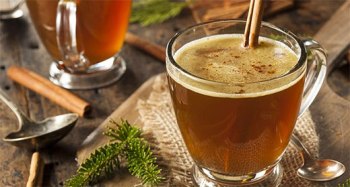
Originally, apple cider was a fermented alcoholic beverage manufactured across the world in countries like Spain, France, and England. Early American settlers began making the drink almost as soon as they arrived and it was quite popular in most households. In pagan cultures, the apple was a symbol of immortality and used in many love spells. {For a simple love charm, cut an apple in half, remove the seeds, and share it with the one you adore. Then bury the seeds beneath a full moon for a long and prosperous relationship!}
1 gallon of apple cider
6 whole allspice berries
Half of a nutmeg seed
3 cinnamon sticks
8 cloves
4 pats of butter
Chamomile flowers
Suggested liquor: spiced rum
To a large pot, add cider and spices. Simmer for 20 minutes. Strain into a pretty punch bowl and dot with butter. Garnish with chamomile flowers and serve warm. Serves 12.
Warm Mead
Thought to have originated in Ireland, mead dates back to ancient times. Brides and grooms toasted with the drink for a month after their wedding. Traditional mead is an ancient fermented beverage made from honey, water, yeast, and spices. The original process is very complicated; this is a simpler, heated version.
1 bottle Chardonnay
6 sprigs of sweet woodruff, washed and dried
1 vanilla bean
1/4 cup honey
In a medium saucepan, combine wine, woodruff, vanilla, and honey. Gently heat until honey dissolves. Remove woodruff and vanilla and serve in goblets. Serves 4.
Rosemary Coffee
This recipe might seem strange, but if you love rosemary, you’ll enjoy it. And because rosemary stimulates the mind, this caffeinated drink provides a double pick-me-up.
1/4 cup fresh coffee beans or ground coffee
1 sprig rosemary
Water
Grind coffee beans with rosemary sprig and brew. If you don’t have a grinder, chop the sprig first; then add it to the coffee basket before brewing. Serves 10.
Hot Toddy
My Irish grandmother used to make this for me when I wasn’t feeling well. It’s great for colds and sore throats and I make it for my husband and myself when we’re under the weather. The honey is soothing while the lemon detoxifies. Add the whiskey to help you sleep.
1 tea bag of orange pekoe, green, or black tea
1 cup of water
1 teaspoon honey
1 wedge of lemon
Suggested liquor: whiskey
Brew tea in water. Remove tea bag and pour into a mug and add honey and lemon. Serves 1.
Winter’s Nap Tea
This tea has all the makings to send you to dreamland. Lavender soothes and relaxes while valerian and chamomile promote sleepiness.
1 tablespoon loose-leaf chamomile tea
1 tablespoon dried lavender buds
1 tablespoon dried valerian
Water
Add all ingredients to a coffee basket and brew with water. Or heat in a saucepan and strain before serving. Add honey if desired. Serves 6.
After-Dinner Tea
After a big meal, sipping on this tea can help aid digestion and, as a bonus, it tastes great!
1 licorice root grated
1-star anise
1 tablespoon dried orange peel
Small handful anise seeds
Water
Muddle all ingredients together, and place in a tea ball or muslin bag. Gently heat in a medium saucepan filled with water. Remove herbs and spice and pour the liquid into mugs. Serves 2.
Swedish Glogg
A mulled wine that originated in the Scandinavian countries, glogg is enjoyed around the holidays and includes warm spices, nuts, and dried fruit. While many recipes call for a sweet wine like port or even sherry, you may find that the drier varieties better complement these ingredients. You can substitute the brandy for a fruity Schnapps like the peach.
1 whole orange
Handful of cloves
1 bottle dry red wine
1 cup blackberry brandy
6 cinnamon sticks
1 handful raisins
1 handful slivered almonds
Wash the orange and pierce it with the cloves. Add all ingredients to a large pot. Gently simmer until warm. Do not strain. Pour into a crock pot to keep warm. Serve in mugs. Serves 6.
N’Orleans-style Latte
Cafe Du Monde is a coffee and pastry shop located in the French Quarter of New Orleans. They serve pots of chicory-flavored coffee alongside tasty Beignets, fluffy triangle-shaped fried donuts dusted with powdered sugar. Chicory has been used for centuries as a coffee substitute. Is earthy flavor adds a rich, smokey taste to the hot beverage?
1/4 cup coffee beans, or ground coffee
1 chicory root
Milk
stevia powder
Grind coffee beans with chicory root, or grate root and add to the coffee basket. Brew with water. Add milk and stevia to taste. Serves 10.
Morning Power Tonic
There has been much chatter in the news lately regarding “power fruits.” Pomegranate, blueberry, goji, and acai berries are said to do everything from boost immunity to combat chronic illnesses. Packed with antioxidants, vitamins, phytochemicals, and anthocyanins, these fruits are the new wave of healthy eating. But age-old lemon balm here is also known to promote longevity. In A Modern Herbal, author Mrs. M. Grieve claims that John Hussey of Sydenham, who lived to the age of 116, drank lemon balm tea daily for 50 years!
1 cup purified water
2 tablespoons dried lemon balm
1/4 cup cranberry juice
1/4 cup pomegranate juice
1/4 cup blueberry juice
1/4 cup acai juice
1/4 cup goji juice
Add lemon balm to a tea ball and gently simmer in water for 10 minutes. Remove lemon balm and add juices, simmering for 5 more minutes. Enjoy at the start of your day for an energy boost. Serves 2.
Source: Drink to Your Health – Long Winter Months Ahead – Good Witches Homestead



 Cold Stratification of Seeds for Growing Echinacea Purpurea
 Smudging: Shamanic smudging or just ‘smudging’ is an age-old tribal tradition which has been used for centuries for cleansing and to create harmony and peace. There are many different shamanic smudging ceremonies, and different tribes use a variety of herbs for smudging. Smudging was used for centuries by the native people of both North and South America, Europe, the Middle-east, Africa, Asia and the Siberian shamans to open the doors of the soul to the spirit world. In all cultures, the burning of certain herbs and incense was seen as a way of gaining access to the soul and power of the plants for cleansing, purification, protection spiritual, ceremonial and magical use, the banishment of negative energies and creation of sacred space. In modern use, incensing is still used as a symbol of purification and sanctification.



You must be logged in to post a comment.