Tag: Herbs
Love That Lovage

By Maryann Readal
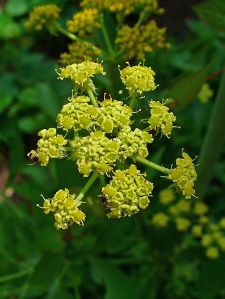 Lovage, Levisticum officinale, is The Herb Society’s Herb of the Month for June. It can be a difficult herb to find in nurseries where I live in Texas. This spring, though, I did find a nice-looking lovage plant and decided to give it a try. After doing some research, I learned that lovage is native to the Mediterranean area and Southwest Asia. It is an easy-to-grow perennial that can reach a height of six feet and a width of three feet. Needless to say, I had it planted in the wrong place, and I had to move it to give it more room to grow. It dies back in the winter, but returns in the spring. It can be cut back in midsummer to control its height. Lovage thrives in sun or partial shade and needs well-watered soil. If it does not receive enough water during the…
View original post 746 more words
Roses for Beauty, Flavor, and Fragrance
By Beth Schreibman Gehring
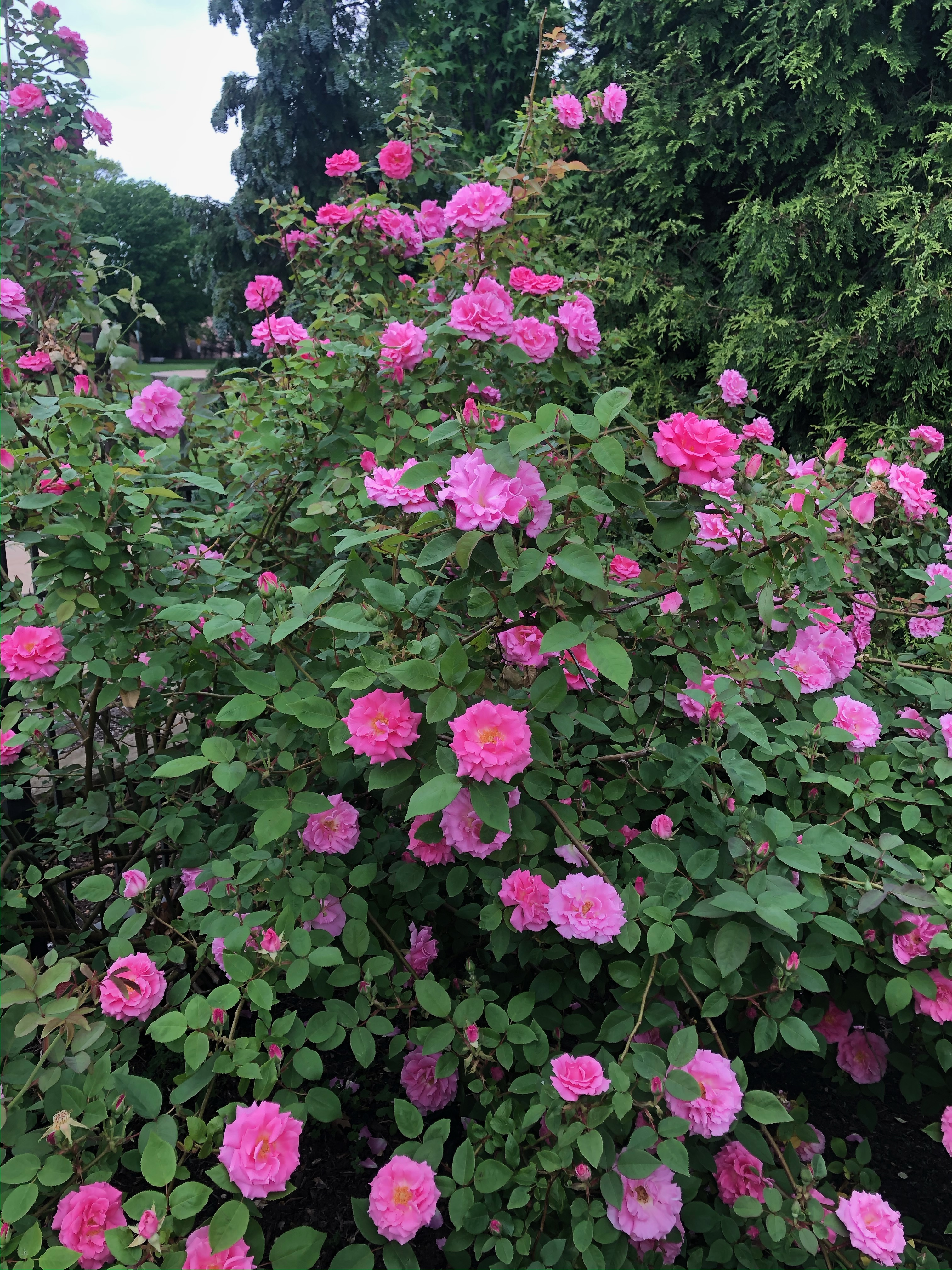
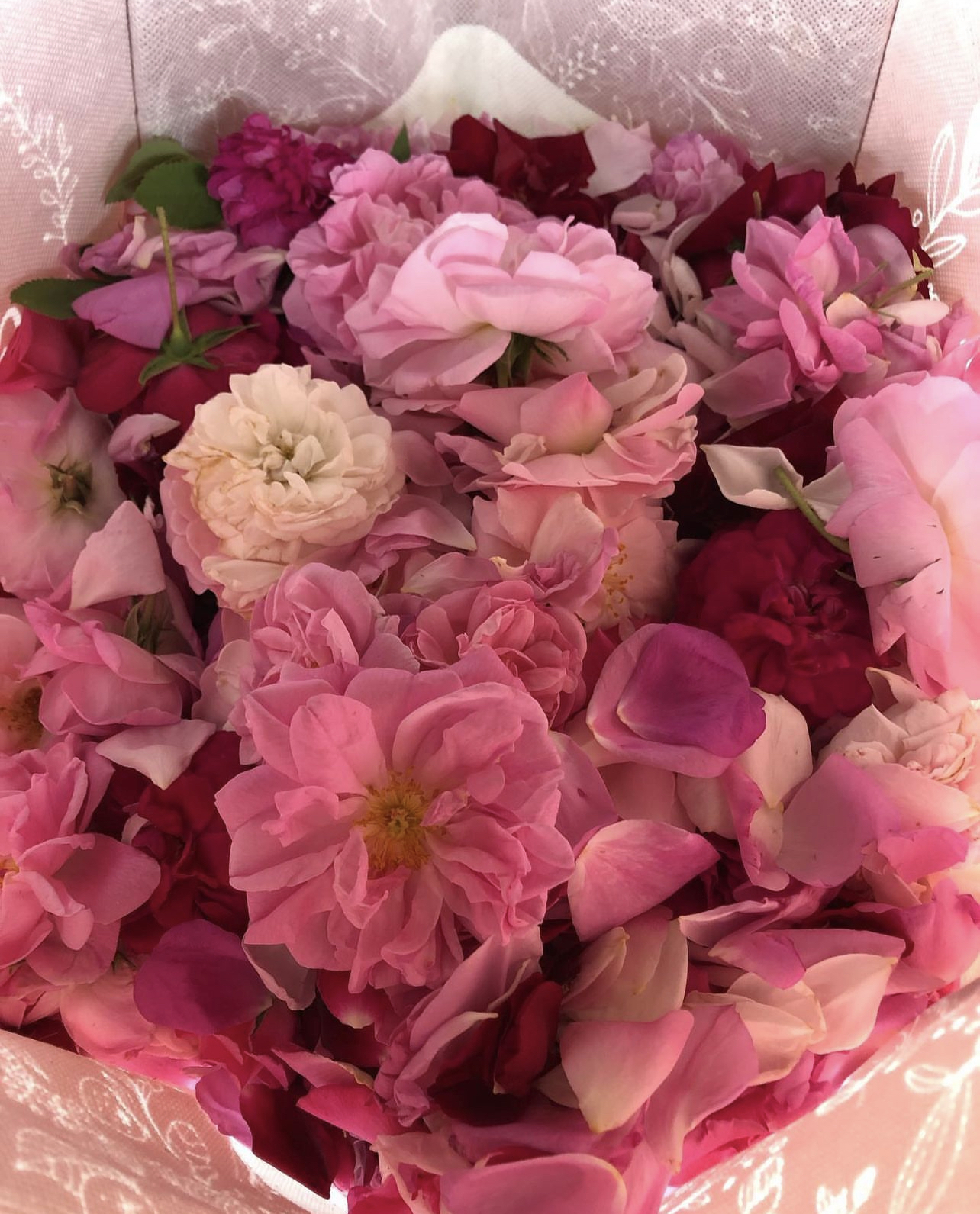 From as early as I can remember, I have been completely smitten by the beauty and versatility of roses. As I have mentioned before, my father was a passionate gardener who loved heirloom roses. Being a trained biologist, he knew the value of gardening organically, and he promoted the benefits of mycorrhizal fungi in the late 70s to strengthen the roots of his garden plants. Instead of using fungicides and pesticides, he planted fragrant herbs among the roses, knowing that many common rose pests would be deterred by the essential oils that they released. He would always tell me, “Remember Beth Ann, feed the roots first and forget about the flowers, because if you feed the roots, the flowers will always be healthy and beautiful.” This is a piece of advice I have followed to this day with real success.
 Like many artists for centuries before…
View original post 1,969 more words
Perennial Herbs for the Garden
By Peggy Riccio
 I love being able to step out into the garden and snip fresh herbs whenever I need them. Yesterday, I was making ham and bean stew in the crockpot. I was inspired to add thyme so I cut off a few sprigs from the thyme growing in the front of the house. I looked around and snipped even more herbs: cutting celery, oregano, sage, and rosemary. Except for the cutting celery, these are perennial herbs that should be in everyone’s garden. They can be tucked in the ornamental bed just like any other perennial plant. In the spring, you can purchase the small plants from a nursery or you can ask a friend for a cutting or division. Once you have them in your garden, you can enjoy them year-round and nothing will bother them, not even deer.
Cutting Celery
 Botanically speaking, the cutting celery is a…
View original post 702 more words
Ancestral Spring Greens: “Viva La Italia”! — Gather Victoria

I am passionate about ancestral foods and none are more ancient than the wild greens known today as weeds. So in honor of International Women’s Day, I’ve decided to share these spring recipes from Gather Victoria Patreon, Wild Green “Erbazzone” Pies, and Wild Green Pancotto Soup. What, you may ask, do wild weedy greens such…
Ancestral Spring Greens: “Viva La Italia”! — Gather Victoria
MARCH MAGIC: BABA’S RED & WHITE SPIRAL COOKIES — Gather Victoria

“Spring has arrived, we will survive!” Old Romanian Saying Banish winter, bless the coming of spring, and ensure your face remains beautiful all year with these Rosehip & Raspberry Jam Spirals! They are my edible cookie version of the red and white magical talismans woven by Babas (old women or grandmothers) each March in Eastern…
MARCH MAGIC: BABA’S RED & WHITE SPIRAL COOKIES — Gather Victoria
HSA Webinar: Horticultural Therapy – Improving Health and Wellness
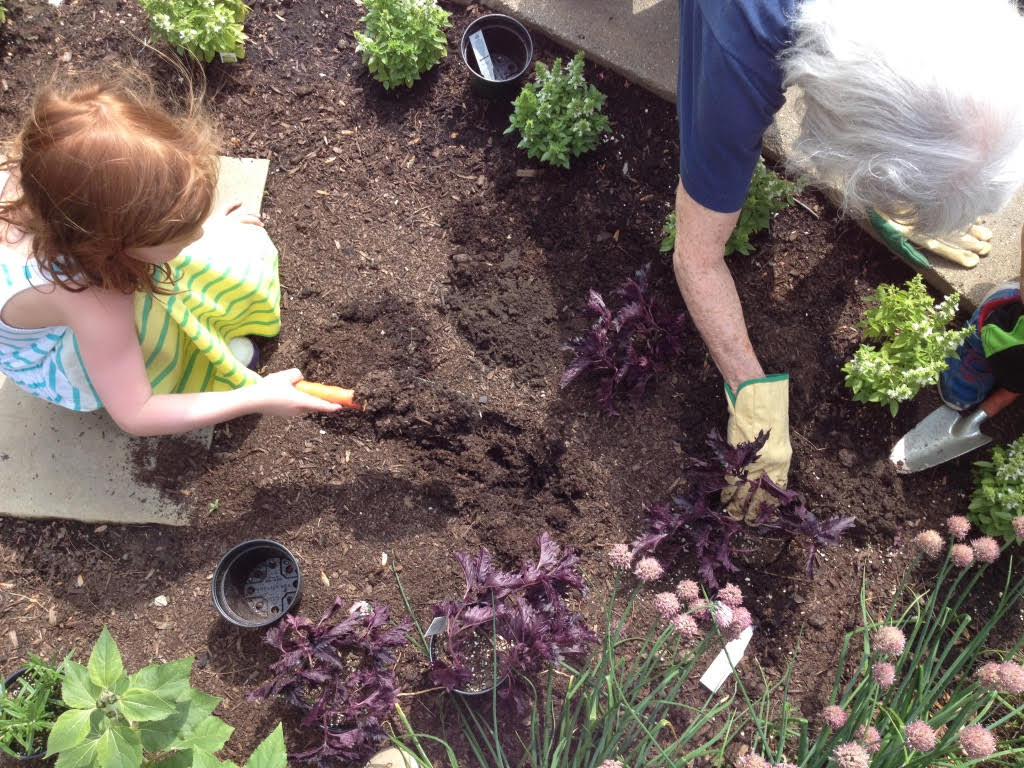 Have you ever said to yourself or others, “My garden is my therapy?” If you have noticed that you feel more relaxed and even rejuvenated after imbibing the beauty, fragrance, and even hard work in your garden, you are not alone! Gardening provides physical exercise, as well as a rewarding intellectual and emotional connection. When recognized on a personal level, it is not a stretch to see how people in a wide variety of care environments who are facing diverse personal challenges can benefit from professionally facilitated horticultural experiences as well.
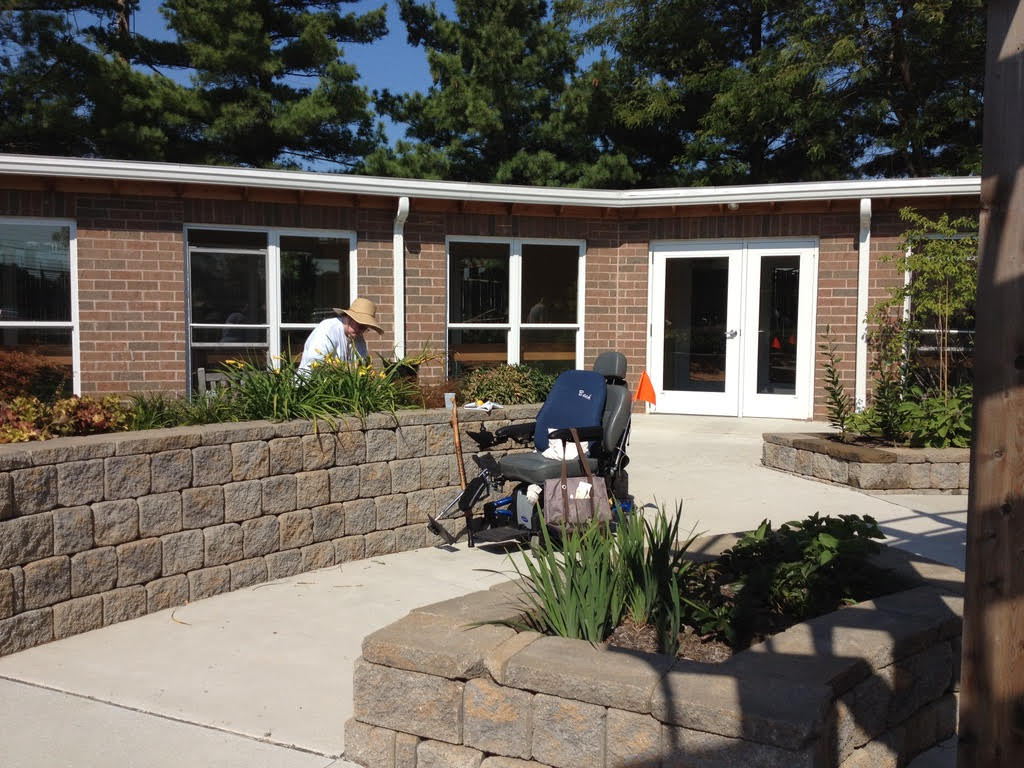 The profession of horticultural therapy (HT) was formalized in the early 1970s, though people have sought out gardens and gardening activities for respite and health recovery well before then. The practice of horticultural therapy involves a plant-based activity, a horticultural therapist, client(s), and identified treatment goals and objectives. Either in a group or as individuals, clients participate in outdoor…
View original post 748 more words
The Caileach’s Red Ale Cake: An Imbolc Tale of the Darkness & the Light — Gather Victoria

I’ve been celebrating Imbolc for over a decade and each year I discover more layers to its mythology and food lore. Last year over at Gather Victoria Patreon, I created a Cailleach Ale Cake (the oldest spirit in the world) in honor of the dark counterpart of Brigid, the Gaelic Cailleach, one of the oldest…
The Caileach’s Red Ale Cake: An Imbolc Tale of the Darkness & the Light — Gather Victoria
Good, Great, Gulp-able Ginger
by Pat Crocker
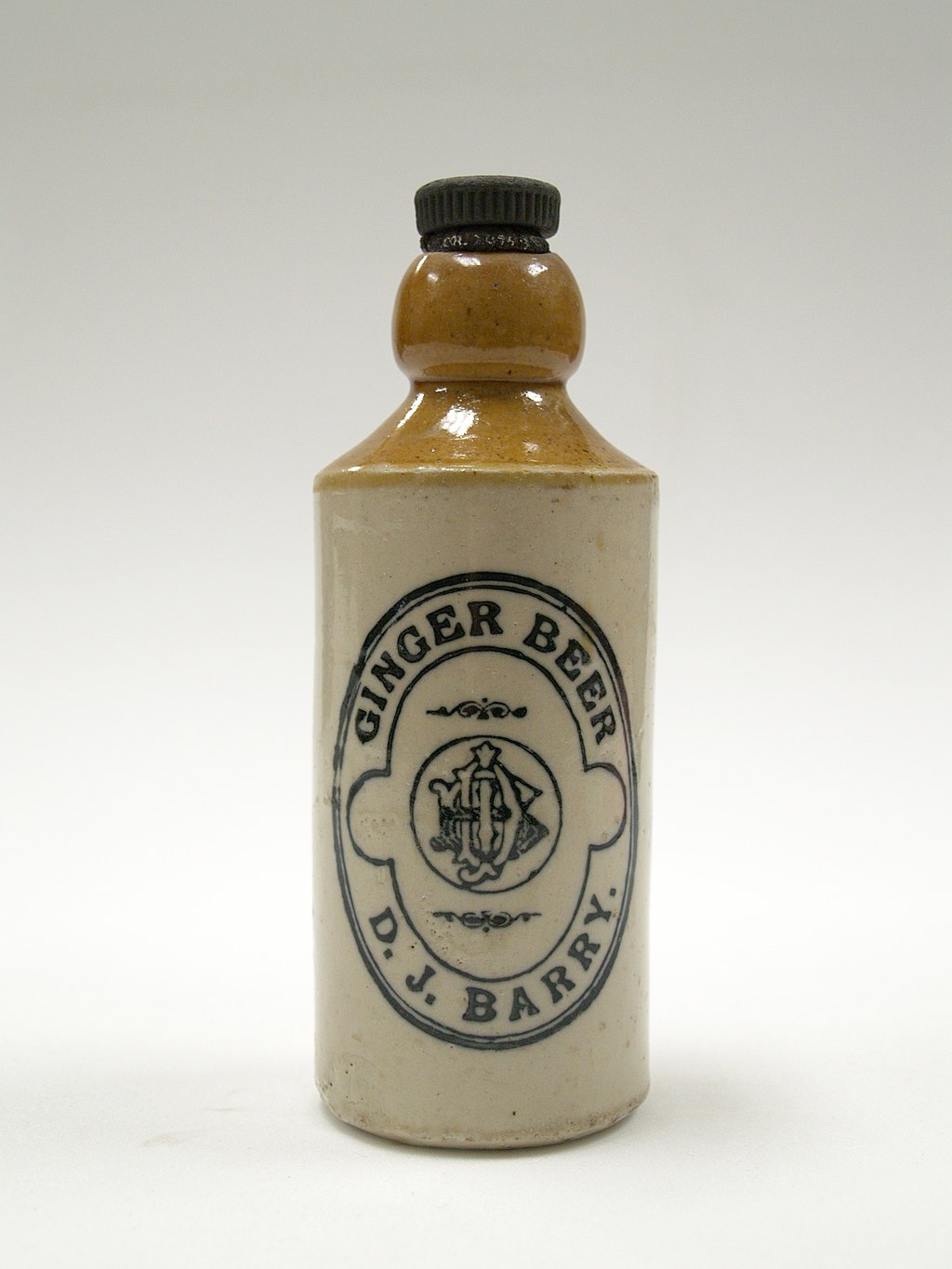 The fresh or dried rhizome of ginger (Zingiber officinale) has been used “as a condiment and aromatic stimulant from ancient times”. And from as early as the 15th century, ginger was exported from Zanzibar—a possible origin of the Latin, Zingiber—for use by healers, monks, and herbalists in tisanes, syrups, tinctures, and other carminative simples.
In England, from around the middle of the 18th century, ginger was fermented with sugar, water, and a starter culture to make an alcoholic beverage that quenched thirst and quelled stomachs at the same time. That drink was called ginger beer and it has survived—with and without alcohol—right up to the present time.
Almost a century later (1890 to be precise), an enterprising Canadian chemist, John McLaughlin, began bottling his own soda water. Never one to coast, McLaughlin’s experiments with natural flavorings and recipes led him to his greatest accomplishment…
View original post 871 more words
Holiday Herbal Cocktail Party
By Debbie Boutelier
Join Debbie Boutelier for a new webinaron Thursday, October 20th, at 1 pm Eastern. See below for details!
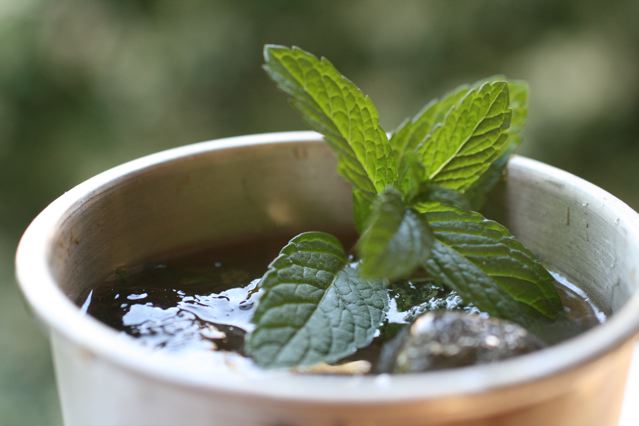 Fall and winter are the perfect “thyme” to enjoy some new seasonal herbal libations. As we move away from the oppressive heat of summer with our icy and light drinks enjoyed by the pool or lakeside, we can curate our offerings with the stronger, more flavorful herbs. Herbal cocktails and mocktails continue to be very popular and have the perfect flavor profile for wowing our guests as we entertain for the holidays.
Throughout the ages, herbs have been added to drinks because they aided digestion; they were fortifying for the seasons; they lifted one’s mood; and they smelled and tasted absolutely amazing! Crafting a flavorful cocktail to offer your guests is easy and a lot of fun. Using your creativity and a few good herbal tricks, you can…
View original post 616 more words


You must be logged in to post a comment.