

GO INTO THE GARDEN EVERY DAY, NO MATTER WHAT.
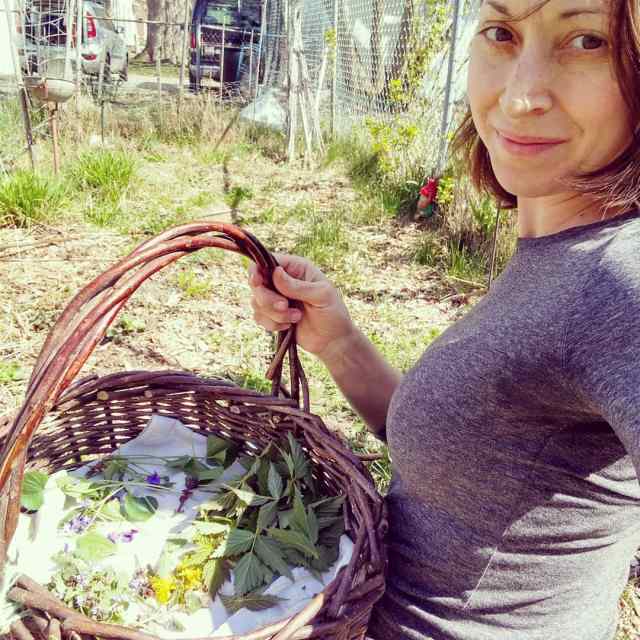
That’s the promise I made at the start of the season. It will be a daily ritual, a practice to keep me in tune with the growth and health of the garden, and a sure way not to miss a bit of garden gossip. Like a bustling city full of honking horns, buses whizzing by, and street conversations half-heard, there is endless activity to observe. Cucumber beetles rapidly working to destroy the cucumber crop. Birds ravishing the cherry tree singing loudly to their friends to join in on the feast. Earthworms patiently turning the soil underfoot. Never a dull moment, but you need to go to the garden every day to keep up.
That has been my biggest lesson gardening this year. If you’re not there to enjoy the first ripe strawberries, the squirrels will be happy to take on that…
View original post 1,040 more words




 June 2020 Cultivar of the Month
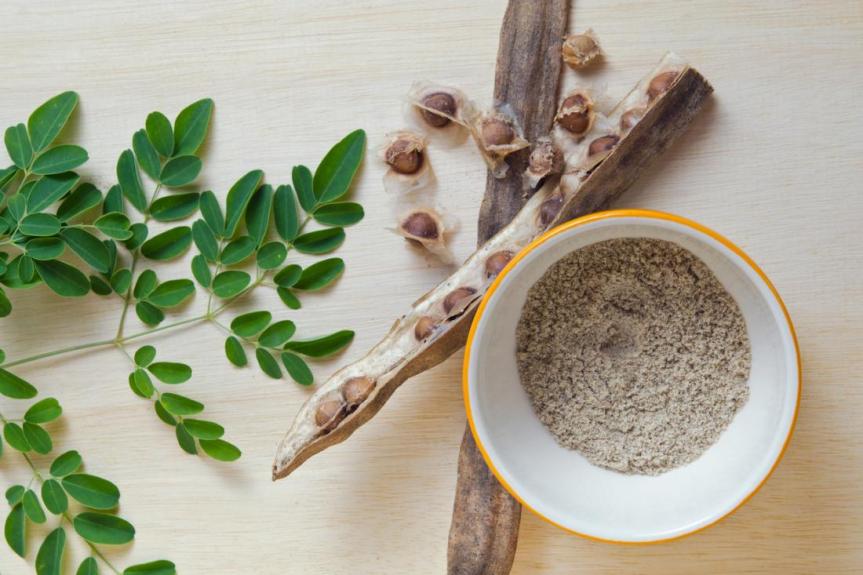
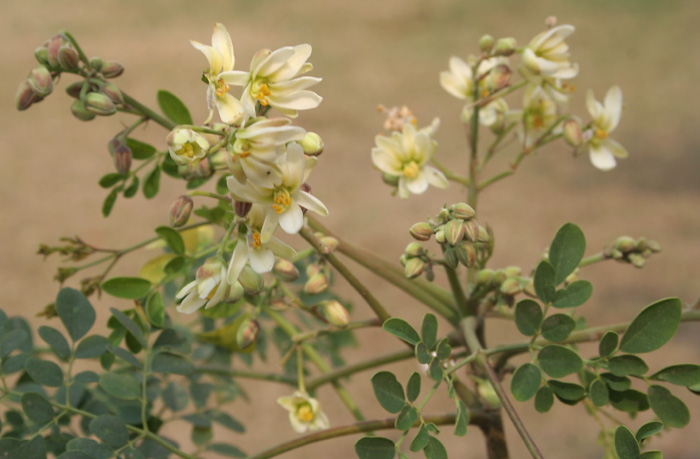 are endemic to Africa, and three species occur in India.1,2 Belonging to the Brassicales order, this plant family is distantly related to cruciferous vegetables like arugula (Eruca vesicaria ssp. sativa, Brassicaceae) and broccoli (Brassica oleracea var. italica, Brassicaceae) and contains many of the same nutrients and sulfurous phytochemicals.1,3 Moringa species grow as stout-stemmed trees or shrubs. Some species are known as bottle trees and have a large root system that enhances water storage and aids the trees’ survival during periods of drought.1 Members of the Moringa genus have corky gray bark and distinct bi- or tri-pinnately compound leaves that have conspicuous swellings, or pulvini, at…

 Paths I Walk
You must be logged in to post a comment.