NAHA | Herbal Salves for Aromatherapy

Crooked Bear Creek Organic Herbs's avatarCrooked Bear Creek Organic Herbs

Herbal Salves for Aromatherapy

By Anna Pageau, NAHA Certified Professional Aromatherapist®

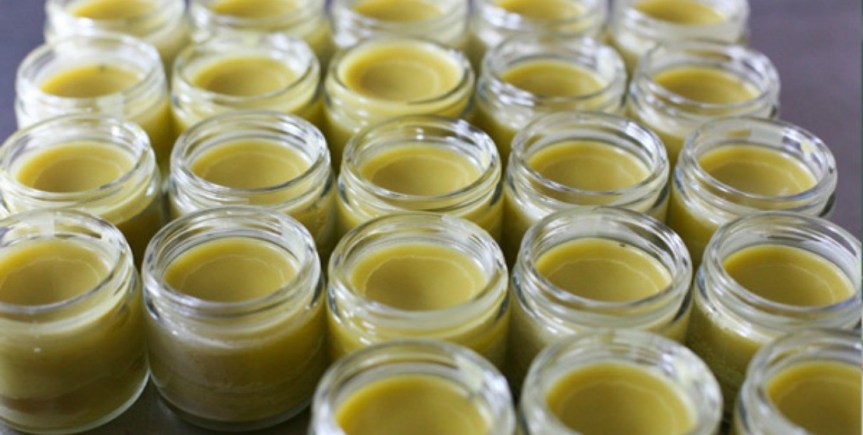
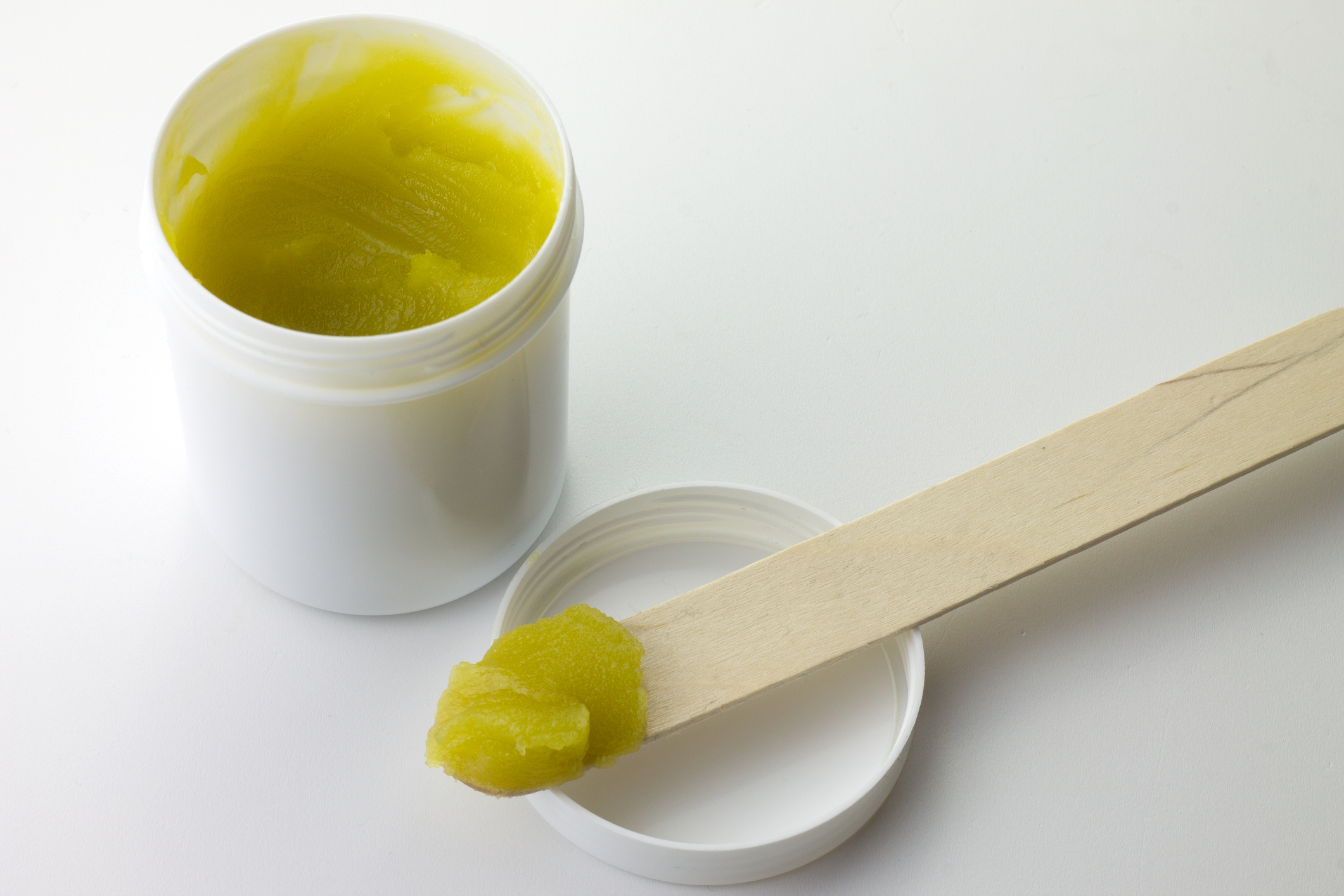
What is a salve? A salve as defined by dictionary.com is “a medicinal ointment for healing or relieving wounds and sores.”1 Many over-the-counter remedies are salves such as Neosporin®. Lip balms are also a form of salve, so a salve doesnt have to be medicinal, just nourishing to the skin. Salves in general are a simple formula with just a few ingredients. They generally include an oil and a wax to create a semi-solid material. Today people use the terms lotion bars or balms to also describe salves.

These oil-rich salves are used to nourish and protect skin. They lock moisture in, keeping skin soft and smooth throughout the seasons. Salves can be made as thick as a bar of soap. A salve will remain in a solid state…

View original post 1,552 more words

NATIONAL HERBS AND SPICES DAY

Crooked Bear Creek Organic Herbs's avatarCrooked Bear Creek Organic Herbs

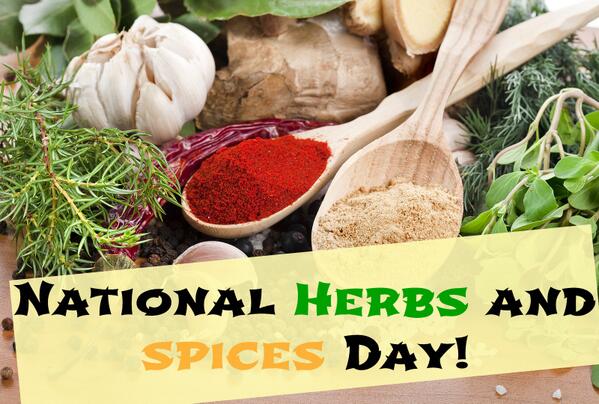
Celebrating flavor each year on June 10th, National Herbs and Spices Day recognizes the diversity and quality offered by using both fresh and dried herbs and spices in your cooking.

All year long, herbs and spices are essential to cooking. But as the summer heats up, developing a knack for cooking with fresh herbs will bring brightness and flavor to your grilling and your kitchen. They not only add flavor to your meals but herbs and spices also add color bringing a vibrancy that might otherwise be missed.

Raising your own herbs can be a form of relaxing therapy, too. Herbs and spices have been used for many hundreds of years, and besides making our food delicious, each has its specific health benefits. Growing your own herbs and spices is a great way to add fresh variety to your food. Herbs raised in your home add an aromatic and natural fragrance…

View original post 221 more words

Black Pepper – Herb of the Month

The Herb Society of America's avatarThe Herb Society of America Blog

By Maryann Readal

Black pepper, Piper nigrum, is a ubiquitous spice that can be found on tables anywhere in the world where food is served. But what is the story behind this popular spice that is used in kitchens the world over? 

P. nigrum is native to the Malabar Coast of southern India. It is also grown in other parts of the tropical world, including Vietnam, which has taken the lead in production by exporting 287,000 tons of black pepper worth $722 million in 2019. This is about 35% of the world’s black pepper trade. 

pepppercorn drupe from Missouri Botantical Garden Pepppercorn drupes. Photo credit: Missouri Botantical Garden

Black pepper is a perennial vine with heart shaped leaves and pendulous flowers. It is grown for its fruit, which is dried and then used as a seasoning. The black pepper vine grows in my Zone 8b garden; however, it has yet to produce any peppercorns, although…

View original post 1,122 more words

Are You A Forager? New Forager Course — Good Witches Homestead

As herbalists, we have a lot of passions, and foraging is top of the list! With spring in full swing and summer inching closer, we are enjoying our foraging forays and plan for even more time in the fields and forests as the green world bursts into a riot of growth! To make the most […]

via Are You A Forager? New Forager Course — Good Witches Homestead

Rudraksha Tree – A Medicinal Tree of India and Nepal — The Herb Society of America Blog

By Maryann Readal Seeing hundreds, perhaps thousands, of strings of what looked to be brown seeds hanging in stores around holy places in India made me extremely curious about this seed. On a recent visit to India and Nepal, it was a very common sight to see hundreds of people walking around Buddhist temples in […]

via Rudraksha Tree – A Medicinal Tree of India and Nepal — The Herb Society of America Blog

Herbal Beauty Ideas for All Year — Crooked Bear Creek Organic Herbs

DIY Moisturizing Skin Serum Growing up, I was fed the beauty myth that oily skin is bad. The cosmetics industry pushes the use of harsh, drying soaps and products that strip natural oils to help you get rid of shine. However, those natural oils actually help moisturize your skin. Washing them away can result in overly […]

via Herbal Beauty Ideas for All Year — Crooked Bear Creek Organic Herbs

A Safe Bug Spray That Really Works: Natural Mosquito Repellent

Crooked Bear Creek Organic Herbs's avatarCrooked Bear Creek Organic Herbs

Summer is prime time for enjoying the outdoors. But more often than not, there’s a dark cloud hanging over that backyard barbecue: bugs – and especially mosquitoes. These blood-seeking fun busters expertly follow their senses right to your skin. But if you can repel them with one quick application of bug spray, then what’s the problem? It turns out that many old-fashioned bug sprays contain neurotoxic ingredients that may increase cancer risk. But, worry not – there are plenty of nontoxic essential oil blends that repel the bugs, without the bite to your health.

Why Should We Use Natural Mosquito Repellent?

Mosquito bites are not just annoying. They can also transmit diseases such as malaria, Zika, and dengue fever, among others. So, it’s important to guard against them. Mosquitoes are guided by their sense of smell, which is equipped with hundreds of odor-receptor proteins, and they’re attracted to the carbon dioxide we…

View original post 2,121 more words

Wild Foragers, Violets, Spring Enchantments

Crooked Bear Creek Organic Herbs's avatarGood Witches Homestead

Violet has been on our minds this spring as we see her pretty little flowers blooming here in southeastern Utah. Violets are one of the earliest wild plants to appear in the season, and we are reminded of her beauty as well as her long history of culinary and herbal use that may have us deciding to seize spring for all that it is!

Violet, being rich in vitamin C, indeed has our attention for a supportive immune boost! 

We love to harvest the fresh leaves and flowers to incorporate into springtime salads, juices, and refreshing smoothies. Violet, of course, also makes a really lovely tea, vinegar, or syrup, not only for the vitamin C content but also for soothing respiratory symptoms. 
Violet has a cooling and moistening energy, and its demulcent and expectorant properties are soothing to a sore throat, dry cough, and other respiratory irritation.
The recipe for…

View original post 449 more words

ESSENTIAL OILS FOR HOPE, HEALING, AND HAPPINESS

Crooked Bear Creek Organic Herbs's avatarCrooked Bear Creek Organic Herbs

During turbulent times, the ability to adapt to constant change is vital. Coping with transitions and a shift in routines can be inherently stressful, leading to issues such as the zapping of energy, frenzied thoughts, confusion, low mood, restlessness, and sometimes feelings of loneliness or isolation.

Adopting a constructive mindset and healthy coping strategies, although not easy, can be an important factor in sparking hope and beginning a journey towards positive emotional healing. Pure essential oils can provide a powerful complementary tool to help the mind and body adjust to the sensations of overwhelm, fear, boredom, lethargy, sadness, and hopelessness commonly experienced during a crisis. Combined with other therapeutic and self-care techniques such as meditation, exercise, journaling, calling loved ones, and talking to a licensed therapist, these potent plant oils can offer a soothing, relaxing, and uplifting respite from day-to-day worries and anxieties.

Essential oils have been used historically for…

View original post 2,071 more words

Woad as natural antibiotics | Joybilee® Farm | DIY | Herbs | Gardening |

Crooked Bear Creek Organic Herbs's avatarCrooked Bear Creek Organic Herbs

Isatis tinctoria for a broad-spectrum antibiotic

I have a guest post on the Herbal Academy of New England blog about using one of my favorite herbs, Dyer’s Woad, as a natural antiviral. It works so well as an antiviral because it is also a natural antibiotic and so it prevents secondary infections.  Woad and other Isatis spp have been used in Traditional Chinese Medicine for thousands of years for their unique ability to prevent viruses like influenza and measles from replicating in human cells.  Check out my post to find out more about this unique and generous plant.

A brief history of woad

Isatis tinctoria or dyer’s woad is an easy to grow biennial that originated in the Caucus area, near Turkey. It was valued for its rich blue pigment and archeological evidence traces its use as a natural dye back to the Neolithic period in France, the Bronze age…

View original post 1,114 more words