

We are happy to announce the next webinar in the Sustainable Herbs Program (SHP) Toolkit Webinar Series: COVID and the Botanical Industry: Perspectives from the Field.
How is the unprecedented growth in the botanical industry impacting producer groups around the world? What can ingredient suppliers, finished product companies, and consumers do to support the work these companies do to source high quality botanicals from their regions?
In this webinar, SHP Director, Ann Armbrecht will speak with Puspa Ghimire, from ANSAB, Nepal; Tarun Prajapati from Cultivator Natural Products, India; and Paulo Barriga from Pebani, Peru about the challenges of the past year in producing and supplying high quality, sustainable, and fairly traded botanicals to the global market.
COVID and the Botanical Industry: Perspectives from the Field
A conversation with Puspa Ghimire, from ANSAB, Nepal; Tarun Prajapati from Cultivator Natural Products, India; and Paulo Barriga from Pebani, Peru
Thursday, January 21…
View original post 17 more words

 Chocolate: food or medicine? For centuries, chocolate was consumed primarily as medicine. Cacao, from which chocolate is derived, was the basis for prescriptions promising relief from such ailments as anemia, alopecia, fever, gout, heart disease, kidney and liver disease, along with tuberculosis. Prescriptions from the 16th and 17th centuries would combine cacao with cinnamon, sugar, pepper, cloves, vanilla, and/or anise to ease common complaints. Certainly modern day amoxicillin could benefit from such a delicious concoction.
 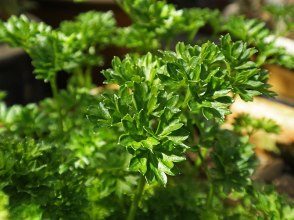 The spotlight is shining on parsley this month. Parsley (
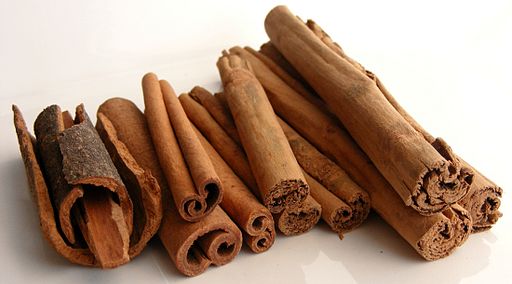 The two most common cinnamon species are “true” or Ceylon cinnamon (
 True nootropics should aid natural cognitive function, support and protect brain function, and be non-toxic to the user. The properties and constituents of nootropic herbs have demonstrated numerous benefits. Using medicinal herbs to enhance brain health is nothing new; in fact, many have been used safely and effectively for thousands of years.
 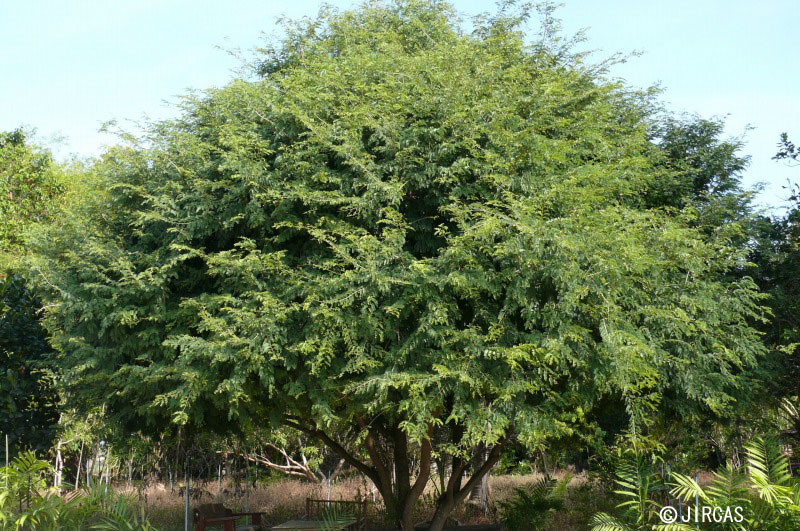 is also an evergreen, long-lived landscape tree, reaching a height of 40 to 60 feet tall and a width of up to 25 feet wide. Its pinnate leaves close up at night. The branches droop to the ground, making it a graceful shade tree. A mature tree can produce up to 350-500 pounds of fruit each year. It is native to tropical Africa and is in the Fabaceae family.
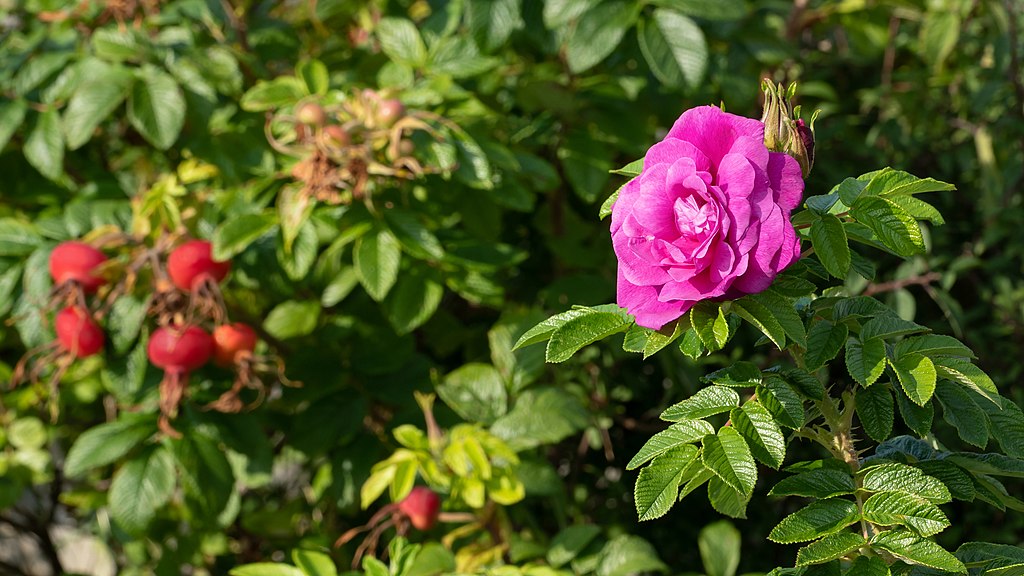 Now, you may be wondering why you should allow your roses to form hips. Here are some good reasons:
 One of the great pleasures of summer is fresh corn on the cob, and one of my least favorite things is the silk that often interferes with that pleasure. But these silky strands can be dried and used as a tea. Corn silk was used…
 Paths I Walk
You must be logged in to post a comment.