Tag: healing
THE GOOD SIDE of BEING DOWN
The anatomy of anger, envy, sadness, and fear
Negative emotions do us a great favor – they save us from ourselves.
They’re mysterious signals, that oftentimes surge for “no apparent reason”, urging us to pay attention and change what we’re doing. Emotions that generate unpleasant feelings have been called sins (anger, envy), rejected in “polite” interaction (jealousy, frustration), or identified as unhealthy (sadness, shame). Culturally we’re taught to suppress these feelings, or medicate them, and punish ourselves for feeling them. Because these feelings are mostly seen as unpleasant, they are often called “negative” emotions… although “negative” is a misnomer. Honestly, if you think about it, emotions are not inherently negative or positive, they simply are a feeling to situations that happen. In esoteric practices, for example, they are distinguished by much more than whether they feel good or bad. Beneath the surface, every emotion orchestrates a complex expression of changes in motivation…
View original post 1,139 more words
Empath and the Soul
Ancestral Remembrance: An Introductory Weekend
by Ancestral Apothecary
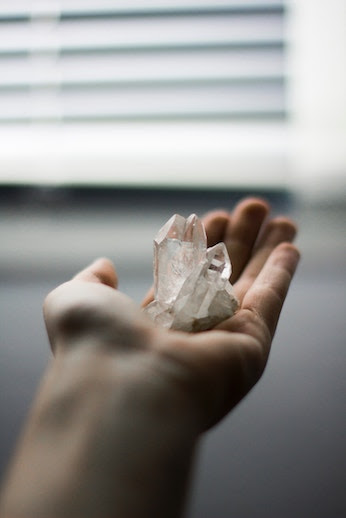
Crystal Healing 101 ~ Your Safety Matters
By Krista Mitchell
|
|
|
|
|
|
|
|
|
|
|
|
|
|
|
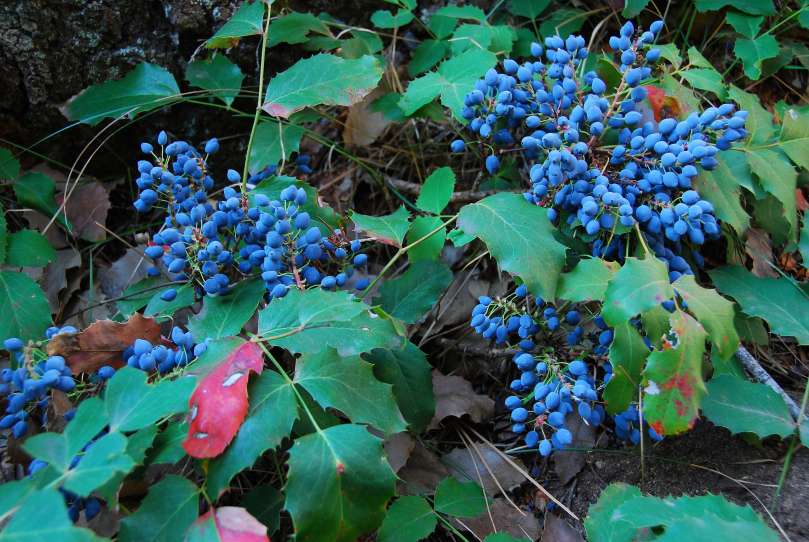
Our Beloved Oregon Grape
Crooked Bear Creek Organic Herbs
Berberis aquifolium
Also, Known As:
- Oregon Grape
- Mountain Grape
Not many people are aware of the interesting fact that the state flower of Oregon blooms on this beautiful shrub. Known for its attractiveness and its rapid growth, the Oregon grape is used medicinally, as well as for ornamental landscaping in several homes across the country. The leaves of the Oregon grape resemble those of holly; they are dark green, spiny and shiny, in almost the same way as the holly leaves are dark green and shiny. The flowers of this shrub are small and yellowish green in color, and the berries of the Oregon grape are a shade of dark purple-blue, especially when they ripen. They grow in small clusters, and in this, they resemble clusters or bunches of grapes. The Oregon grape shrub can grow to almost 6 feet in height, but in general, it grows about 3 –…
View original post 1,132 more words
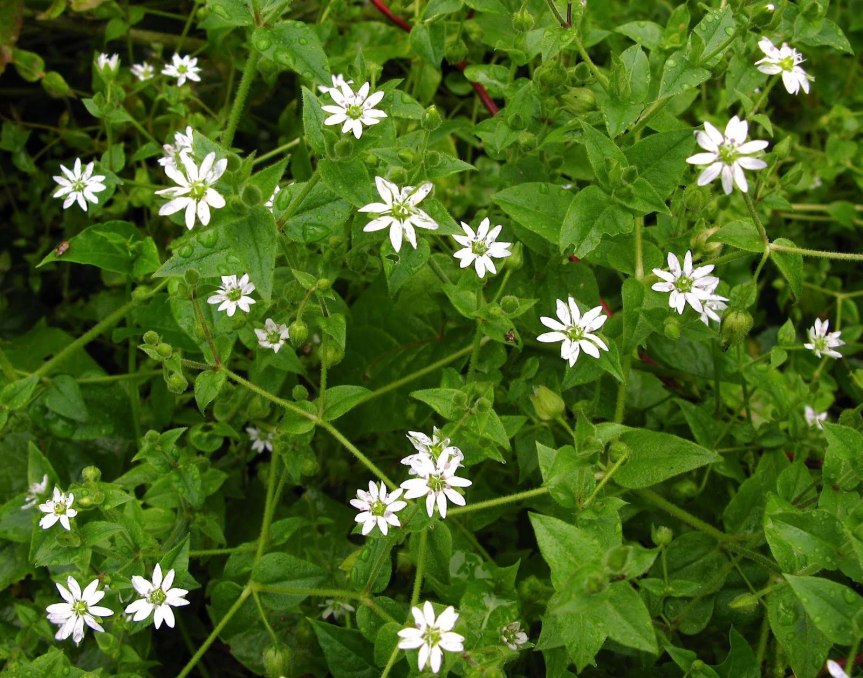
Chickweed {Stellaria media}
Crooked Bear Creek Organic Herbs
Also, Known As:
- Adder’s Mouth
- Chickweed
- Indian Chickweed
- Satinflower
- Scarweed
- Starweed
- Starwort
- Stitchwort
- Tongue Grass
- White Bird’s-eye
- Winterweed
The plant known as the chickweed is a very fragile appearing herb; as a plant, it is actually a very lusty annual plant characterized by the presence of matted to straight green stems growing in profusion over vast areas of land. The chickweed is an extraordinarily hardy herb, and the normal growing starts during the fall season, it is very capable of enduring harsh sleet and severe snowstorms during the winter months, and has been found to be growing even in the far northern areas of the continent, the plant is so hardy that it has been known to be resistant to the majority of weed killers used in agriculture. The production of seeds is usually over by the spring, even though the plant itself is known to begin blooming even when…
View original post 1,978 more words
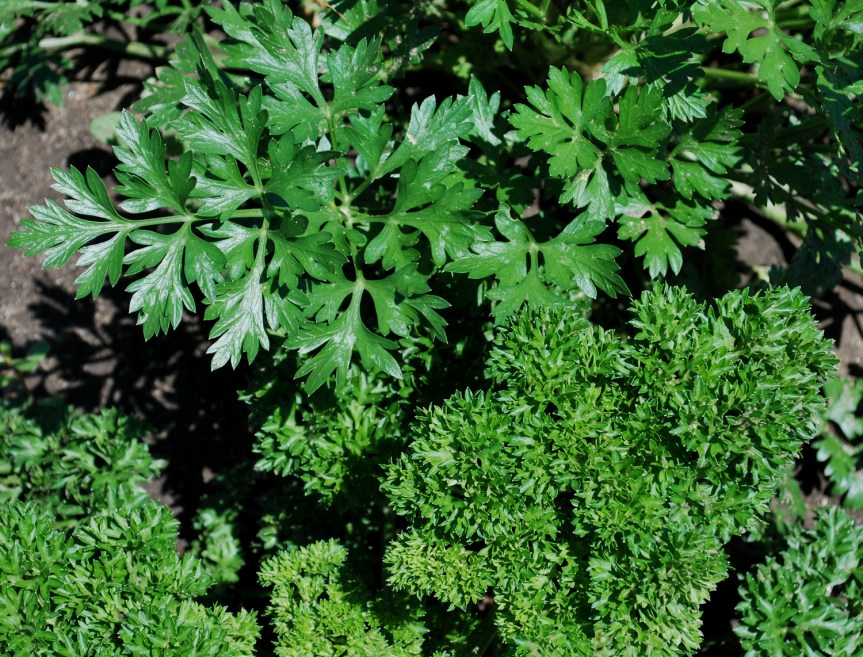
Our ‘Go To’ Herb: Parsley
Crooked Bear Creek Organic Herbs
Petroselinum crispum
Also, Known As:
- Common Parsley
- Curly Parsley
- Flat-leaved Parsley
- Parsley
Parsley (botanical name Petroselinum crispum) belongs to the family Apiaceae and is among the most well-known herbs that are extensively used for garnishing of over 2,000 years, but it is hardly ever consumed. In addition, the leaves, fruits and the root of this herb have also been employed in traditional medicine for several centuries. Botanists have described the leaves of this herb as pinnate decompound, which denotes that they are divided and have an appearance slightly akin to feathers. As it is able to easily identify parsley by any individual who has eaten this herb anytime in any restaurant, however, there are a number of essentials regarding parsley. For instance, parsley is a biennial herb that is cultivated extensively. This herb produces small yellow flowers in clusters. The fruits of this herb, which are generally known as seeds…
View original post 2,980 more words
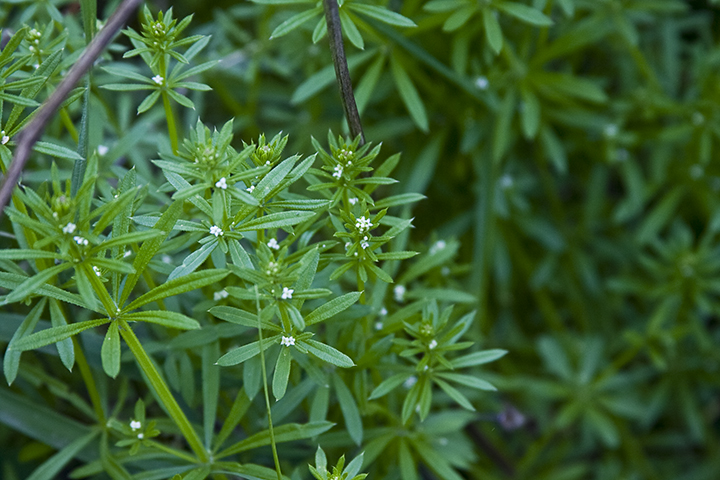
Cleavers – A Common Little Known Herb
Crooked Bear Creek Organic Herbs
Galium aparine
Also, Known As:
- Catchweed
- Cleavers
- Goose Grass
Cleavers, botanical name Galium aparine, is a herb-like annual plant that is found growing in damp or verdant locales as well as besides the banks or rivers and along the fences in eastern United States, Canada as well as the Pacific coast. Belonging to the plant family Rubiaceae, cleavers has a thin taproot that gives rise to a frail, rectangular, prostrate or climbing thorny stem that grows up to a length of anything between two feet to six feet. This herbaceous annual plant produces coarse leaves whose shape varies from oblong to the head of a lance to nearly straight or linear. The leaves of cleavers appear in whorls of about six to eight encircling the stem. Cleavers bears diminutive flowers having white or greenish-white hues during the period between May and September. Cleavers gives off a potent smell similar to…
View original post 2,197 more words
Diary of a Land Healer: January
It is late January. We had a very bout of cold weather these last few weeks, as I’m writing this, the weather broke and I’m out in the land for a longer stay since since the sub-zero temperatures hit. When I came to my new home and new land in the fall, there was so much to do, just moving in and getting ready for winter, stacking wood, unpacking, painting, fixing things, building a greenhouse, and settling in that I didn’t have the time I wanted to spend with the land. But winter is good for such quiet communion, and so, I’ve been seeing what there is to discover.
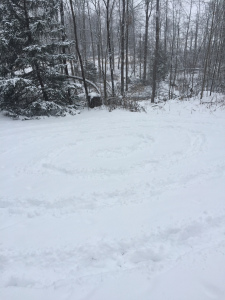
A snow spiral/labyrinth, one of many I walk during the winter months.
As I’ve mentioned previously on this blog, in purchasing this land, I knew that part of my work here would be in documenting the regrowth of this land…
View original post 1,528 more words


You must be logged in to post a comment.