Tag: Gardens
Medicine Chest: Herbal First Aid Kit

Topical Herbal First Aid Kit
As you delve into the world of herbal medicine, at some point or another you take a look at your medicine cabinet and think, “What kinds of natural remedies should I stock in my first aid kit?” Many herbs offer topical applications for a variety of everyday woes, including aches and bruises, cuts and scrapes, bug bites and rashes. And conveniently, you can cultivate or wildcraft most of these herbs or find them easily at natural food stores and online herb shops. Here are a few basics to consider stocking:
Plantain {Plantago major} leaf, a ubiquitous and easily recognizable weed, is readily available in most lawns, woodland path edges, and pavement cracks. You can apply the freshly chewed or mashed leaves directly to bug bites, bee stings, poison ivy, rashes, and splinters to quickly draw out inflammation, irritation, venom, and foreign objects. How…
View original post 1,755 more words
Caring With Calendula
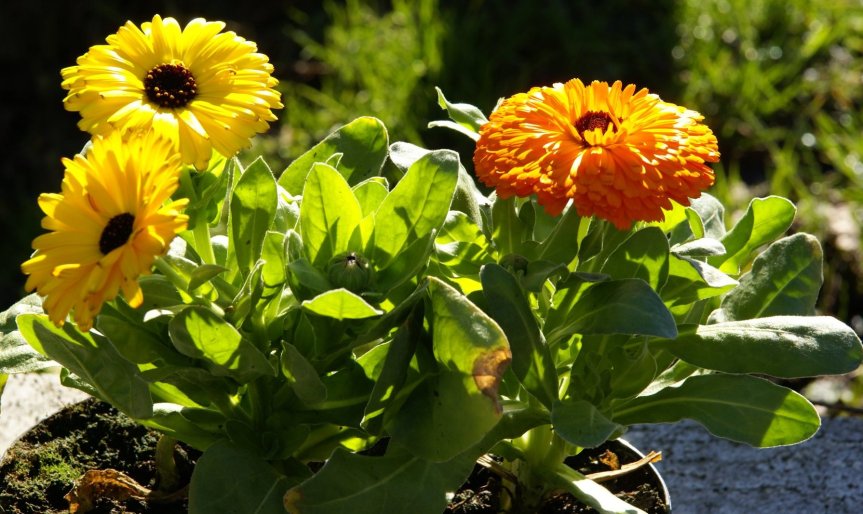
This vibrant orange blossom pops in the garden add a burst of color to cuisine and is a powerhouse in the medicine cabinet. Learn more about this amazing, autumn-loving species.
Brilliantly striking, calendula’s gorgeous yellow and deep-orange blossoms bring a smile to both gardener and herbalist alike. In the fall, you’ll find this plant gracing many doorways, a staple among other autumn harbingers that herald the colder weather to come. But this dazzling ornamental’s long, storied history and powerful medicine make it a must-have for the home.
Sunshine in the Yard
Visually delightful, sun-loving Calendula officinalis is also commonly called marigold, but don’t confuse it with Mexican marigold {Tagetes erecta}, which is another species entirely. A member of the Asteraceae family along with chamomile, dandelion, and Echinacea, calendula is native to southern Europe and parts of the Middle East, but now grows in temperate climates throughout the world…
View original post 1,964 more words
Old-fashioned Escalloped Squash — A Hundred Years Ago

August means a plethora of zucchini, so I’m always looking for new ideas (hmmm. . . I think that I really mean old ideas) for using zucchini and other summer squash. And, I lucked out. I found a nice hundred-year-old recipe for Escalloped Squash that is made with mashed squash, egg, and milk – and […]
Sunflower Lore — Good Witches Homestead

COMMON NAME: sunflower GENUS: Helianthus SPECIES: H. annuus-grown for seed and flower FAMILY: Compositae BLOOMS: summer TYPE: annual DESCRIPTION: Characterized by its height and size of the flower, the sunflower has earned a welcome place in the summer garden. Many varieties on the market now offer diversity in color {even a white sunflower!}, size of the flower, and plant […]
Raspberry Patties en Surprise — A Hundred Years Ago

I’m always intrigued by hundred-year-old recipes that include drawings of the finished product since such recipes are few and far between. So when I recently came across a drawing of a beautifully presented recipe for a raspberry dessert called Patties en Surprise in a 1919 advertisement for Minute Tapioca, I decided to give it a […]
A Joyful Cup — Good Witches Homestead

With our non-stop, busy lives, it’s hard to find a quiet moment to relax and recharge. But even the practice of pouring a cup of tea can bring peace of mind – especially with the right herbs. Whether you take your tea at high noon or prefer a bedtime brew, these garden herbs provide the […]
Rosemary ‘to remember’ Infused Oil — Wylde and Green

Rosemary is one of my favorite herbs, and it has a lore stretching back to the ancients, so maybe it is fitting, that more than any other this is the herb of ‘remembrance’. It is such an attractive plant, with long, slender limbs of the darkest green, and delicate, pale blue flowers that the bees […]
Sage Varieties: Growing Tips and Recipes
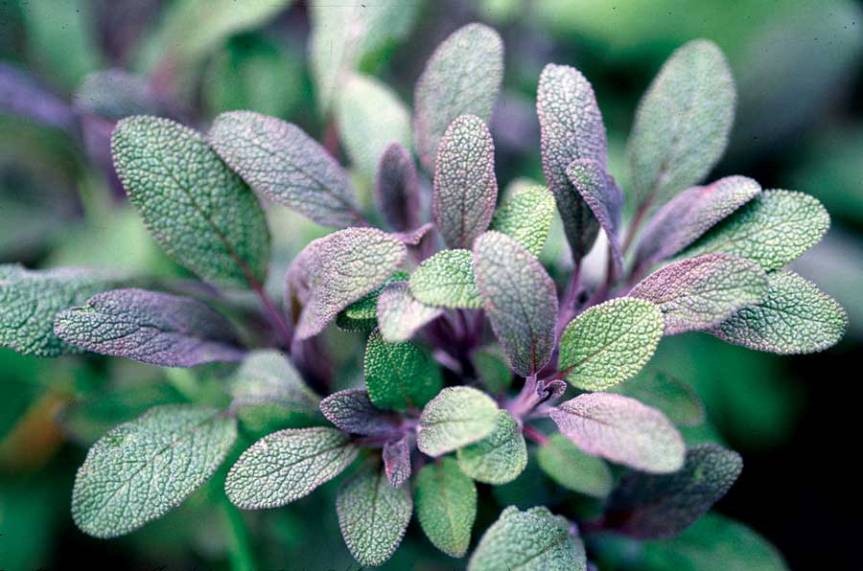
The genus Salvia contains a staggering range of species suitable for every garden use under the sun—and in the shade. But for cooking, none can rival common garden sage (Salvia officinalis) and its cultivars. Sage has long been valued for its contributions to the cook’s palette of flavors. Its robust piney aroma and earthy flavor complement many ingredients. Sage is also an attractive garden plant, particularly in its fancy-leaved forms. Plus, it prospers under a wide range of conditions and adds striking bold texture to mixed plantings.
Growing Info For Sage
• Light: Full sun
• Height: 18 to 24 inches
• Width: 24 to 36 inches
• Bloom time: Late spring, although valued most for its evergreen foliage.
• Soil: Well-drained, tolerant of a wide range of soil types.
What’s the Difference Between Types of Sage?
S. officinalis vary widely in the size and shape of its leaves. Sharp-eyed herbalists…
View original post 1,578 more words
A Druid’s Primer on Land Healing: Ecosystems, Interconnectivity, and Planting Guilds

I had a recent conversation with a friend who lives in the town where I work (and where I used to rent a house). I had commented on how “nice” her lawn looked, as it was growing tall full of clover, dandelions, all heal, and so many other blooming plants; it was wild and beautiful. She laughed and said that she wished her neighbor felt the same way! She said that her lawn would have to be mowed that very day, and if she didn’t do so, her neighbor had already threatened her with calling the township due to the 6″ grass ordinance. Even though my friend isn’t a druid, this prompted a deep conversation about nature, ecology, and ecosystems. We started talking about the broader ecosystem, and the connectivity of all life–how she wanted to support insect life, bees, and larger life in her small patch of…
View original post 2,047 more words
 Paths I Walk
You must be logged in to post a comment.