A Joyful Cup — Good Witches Homestead

With our non-stop, busy lives, it’s hard to find a quiet moment to relax and recharge. But even the practice of pouring a cup of tea can bring peace of mind – especially with the right herbs. Whether you take your tea at high noon or prefer a bedtime brew, these garden herbs provide the […]

via A Joyful Cup — Good Witches Homestead

Rosemary ‘to remember’ Infused Oil — Wylde and Green

Rosemary is one of my favorite herbs, and it has a lore stretching back to the ancients, so maybe it is fitting, that more than any other this is the herb of ‘remembrance’. It is such an attractive plant, with long, slender limbs of the darkest green, and delicate, pale blue flowers that the bees […]

via Rosemary ‘to remember’ Infused Oil — Wylde and Green

Sage Varieties: Growing Tips and Recipes

Crooked Bear Creek Organic Herbs's avatarCrooked Bear Creek Organic Herbs

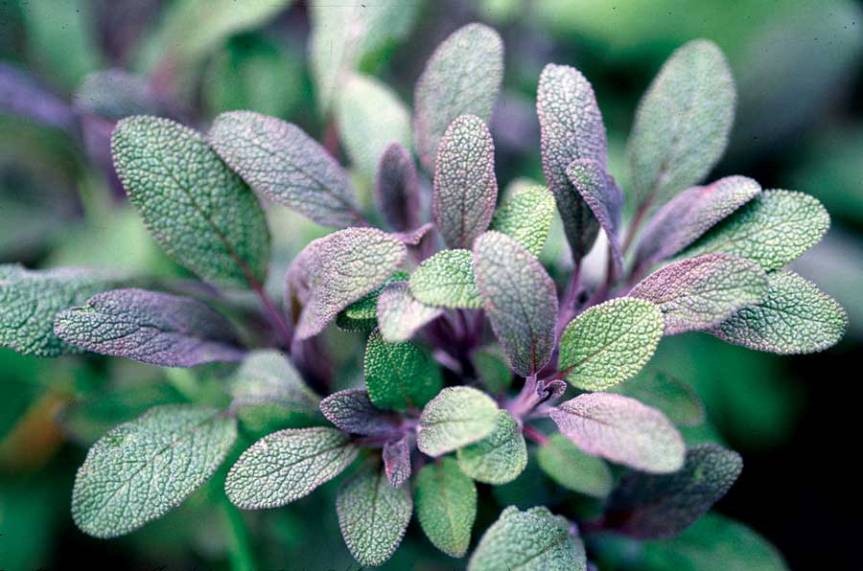
The genus Salvia contains a staggering range of species suitable for every garden use under the sun—and in the shade. But for cooking, none can rival common garden sage (Salvia officinalis) and its cultivars. Sage has long been valued for its contributions to the cook’s palette of flavors. Its robust piney aroma and earthy flavor complement many ingredients. Sage is also an attractive garden plant, particularly in its fancy-leaved forms. Plus, it prospers under a wide range of conditions and adds striking bold texture to mixed plantings.

Growing Info For Sage

• Light: Full sun
• Height: 18 to 24 inches
• Width: 24 to 36 inches
• Bloom time: Late spring, although valued most for its evergreen foliage.
• Soil: Well-drained, tolerant of a wide range of soil types.

What’s the Difference Between Types of Sage?

S. officinalis vary widely in the size and shape of its leaves. Sharp-eyed herbalists…

View original post 1,578 more words

A Druid’s Primer on Land Healing: Ecosystems, Interconnectivity, and Planting Guilds

Dana's avatarThe Druid's Garden

I had a recent conversation with a friend who lives in the town where I work (and where I used to rent a house). I had commented on how “nice” her lawn looked, as it was growing tall full of clover, dandelions, all heal, and so many other blooming plants; it was wild and beautiful.  She laughed and said that she wished her neighbor felt the same way!  She said that her lawn would have to be mowed that very day, and if she didn’t do so, her neighbor had already threatened her with calling the township due to the 6″ grass ordinance. Even though my friend isn’t a druid, this prompted a deep conversation about nature, ecology, and ecosystems. We started talking about the broader ecosystem, and the connectivity of all life–how she wanted to support insect life, bees, and larger life in her small patch of…

View original post 2,047 more words

Summer Wellbeing: Summer, The Season of Becoming

Crooked Bear Creek Organic Herbs's avatarGood Witches Homestead

Summer has arrived, filled with a joyful abundance of all the sweetest of things. It makes me want to run barefoot and wild, as I listen to the sounds of the forest: the chirping birds and crickets, the rush of leaves when a gentle breeze comes to play. I fill my lungs as long and as wide as I can, dancing upon the warm winds of this season of flourishing.

$50 off the Botanical Skin Care Course for a limited time!

Here we are met with the season of being alive — of letting go of all fears. Of letting the sun heal us with her gentle glow: restoring our hopes and our dreams. By now we are full-grown, in full bloom, but are also all still children with dirty feet and sparkling eyes. Summer is the season of starlight, of hikes through the forest, of a mountain lake, swims, bursts of laughter, long books of poetry, long days by the…

View original post 2,054 more words

Growing Edible Flowers in Your Garden

Crooked Bear Creek Organic Herbs's avatarGood Witches Homestead

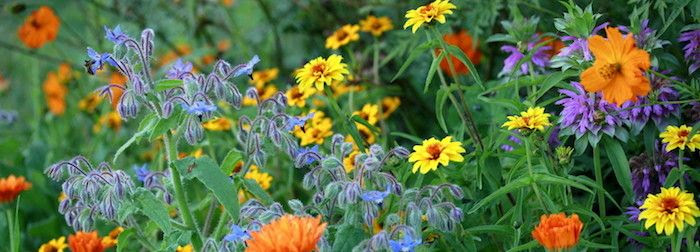
While gardeners love flowers for their beauty outdoors in the garden and indoors in a vase, few raise them to eat. That’s a shame because many flowers are edible and bring lively flavors, colors, and textures to salads, soups, casseroles, and other dishes. Eating flowers is not as exotic as it sounds. The use of flowers as a food dates back to the Stone Age with archeological evidence that early man ate flowers such as roses.

Of course, flowers have been used to make teas for centuries, but flower buds and petals also have been used from China to Morocco to Ecuador in soups, pies, and stir-fries. Rose flowers, dried day lily buds, and chrysanthemum petals are a few of the flowers that our ancestors used in cooking. In fact, many of the flowers we grow today were originally chosen for the garden based upon their attributes of aroma and flavor, not…
View original post 1,520 more words

Fresh Peas, Pasta and Feta

Trap Garden: One man’s vision for food secure communities in Nashville and beyond

Celebrate Calendula Flowers

Crooked Bear Creek Organic Herbs's avatarCrooked Bear Creek Organic Herbs

Calendula flowers have a sunny disposition in the garden. Use its golden petals in the kitchen and be sure to keep it well-stocked in the medicine cabinet for an array of medicinal uses, including soothing ointments and astringent tinctures.

Since antiquity, calendula flowers, or pot marigold, have been used in infusions for many maladies.

Since antiquity, calendula (also known as pot marigold) flowers have been used in infusions for many maladies. The Egyptians used the petals to heal wounds. In the Middle Ages, calendula was used for indigestion and healing bruises and burns. In World War I, the herb was used on the injured to prevent inflammation and infection. According to Annie Burnham Carter, author of In An Herb Garden (1947), “In England during that war, Miss Gertrude Jekyll gave a field on her estate for the exclusive cultivation of pot marigolds . . . the flowers which bloomed there…

View original post 1,743 more words

Wine Cap Mushroom Cultivation: Wood Chips, Garden Beds, Recipes, and More

Dana's avatarThe Druid's Garden

How many times have you seen your neighbors getting tree work done or had tree work done yourself? The landscape company often comes with the big wood chipper and truck and then, after cutting up the wood, hauls that beautiful pile of chips off to some unknown location. Last year, our electric company came through and was doing tree work along our driveway and road to prune and cut trees too close to the power lines. We asked them to dump the wood chips on our property, and they were happy to do so. A lot of times, companies have to pay or go far out of their way to dump wood chips, and they see them as a “waste”; they will almost always dump them for free if you ask!  But a pile of wood chips are harldy a waste–they can offer you multiple yields over a period of…

View original post 1,964 more words