We are thrilled to share with you that Learning Herbs will open their registration this morning for Taste of Herbs with herbalist and best-selling author Rosalee de la Forêt who has created a transformative online training.
Rosalee writes and teaches with such substance, and depth, but also makes it very easy and practical for people to understand. In Rosalee’s ‘Taste of Herbs’, she has a way of showing people how to understand and apply the energetics of herbs to every day herbalism and it is quite brilliant.
Some plants are easy to find. Other plants require time, turnpike tolls, and chance encounters with botanists’ field notes in order to pinpoint their precise locations.
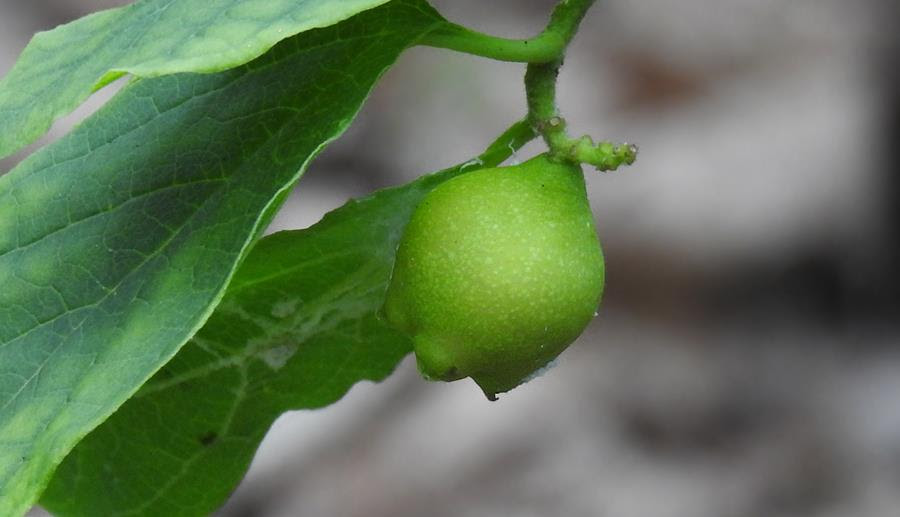
Buffalo Nut, an understory shrub with a rather bizarre lifestyle, falls into the latter category.
My first encounter with Buffalo Nut took place more than 5 years ago. Since that initial sighting, I had never seen the plant again.
A few weeks ago, I came across a list of plants that a few botanists had compiled regarding the flora of certain forests. One of those forests was located in the southwestern portion of the state, and one of the plants included on the list was the elusive Buffalo Nut.
Intrigued, I decided to plan a visit to this forest in search of Buffalo Nut, though because I was quite unfamiliar with the area, I knew that I’d be embarking on a small-scale adventure. What excited me the most was finding its fruits, because years ago when I first discovered the plant, I had only witnessed it in flower.
The trip was planned, though the questions remained. Would I find the fruits? Would I even find the plant? Why are turnpike tolls so expensive?
In this brand new video, I recount the story of my recent adventure in search of an unassuming denizen of the forest.
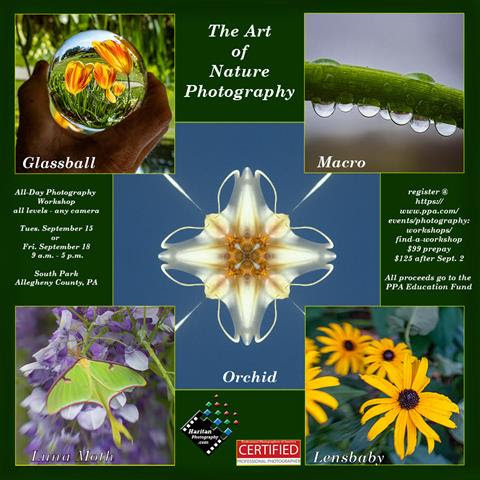
If you are interested in learning artistic nature photography skills, there are two upcoming opportunities to learn directly from an expert in the field. Michael Haritan (my father) is a photographer with over 30 years of experience. He will be teaching two separate classes in southwestern Pennsylvania (Allegheny County) on the techniques involved in using the camera to create images worthy of artistic merit. If you are interested in taking your photography skills to the next level, these all-day classes are definitely worth the investment.
I love weeds. There, I said it. Don’t worry, I do pull them (there’s a reason why they’re called weeds, after all), but I am much more likely to make a tincture or a salve or something good (yes, good) to eat than to discard them completely.
After all, weeds were really the first herbs. Emerson said “weeds are but an unloved flower.” They have also been called a plant out of place. Consider a field of commercial dandelions with a single forlorn rose bush growing in the middle. Now which one is the weed?
Weeds tell wonderful stories, and as we learn them, they take us on a journey to discover where they came from and how they came to be who they are today.
For example, there’s the common broadleaf plantain (Plantago major). Broadleaf plantain is everywhere, which is a good thing for…
Plant Profile Family: Tropaeolaceae Scientific name: Tropaeolum majus Common names: nasturtium, Indian cress, trophy cress, trophywort Native Habitat: Peru, parts of South America Plant Type: Annual Growth Habit: Dwarf bushy cultivars grow from 8 to 18 inches in height, while the climbers can easily reach 6 to 10 feet, or more. Hardiness: Hardy in frost-free locations Light: Best in full sun; can tolerate a few hours of shade, which produces more leaves with fewer flowers Water: Moist but not wet; will tolerate some drought Soil: Friable and porous garden loam, well-drained soil; does well in containers Propagation
Swampy wetlands can be unforgiving places during the summer months. The vegetation is thick, the mosquitoes are hungry, and the lack of tree cover forbids any kind of refuge from the mid-day sun.
Strange as it may seem, I still find myself drawn to these soggy habitats in search of organisms that are not commonly encountered elsewhere. Wet feet and insect bites are small prices to pay in exchange for opportunities to observe and learn new species.
During a recent trip to one of these remote wetlands in western Pennsylvania, I experienced quite a spectacle: the flowers of swamp rose; the immature fruits of winterberry; and the thread-like stems of dodder intimately engaging with every herbaceous plant in sight.
Amongst this activity, I couldn’t help but notice a shrubby plant inhabiting the margins. Insects were crawling up and down its branches and birds were singing in its canopy, but I knew that any physical contact between the plant and my skin could result in serious consequences.
This plant, which is known as poison sumac, can lead to painful rashes in over 85% of humans. Susceptible individuals experience symptoms similar to (and reportedly worse than) the reactions caused by poison ivy.
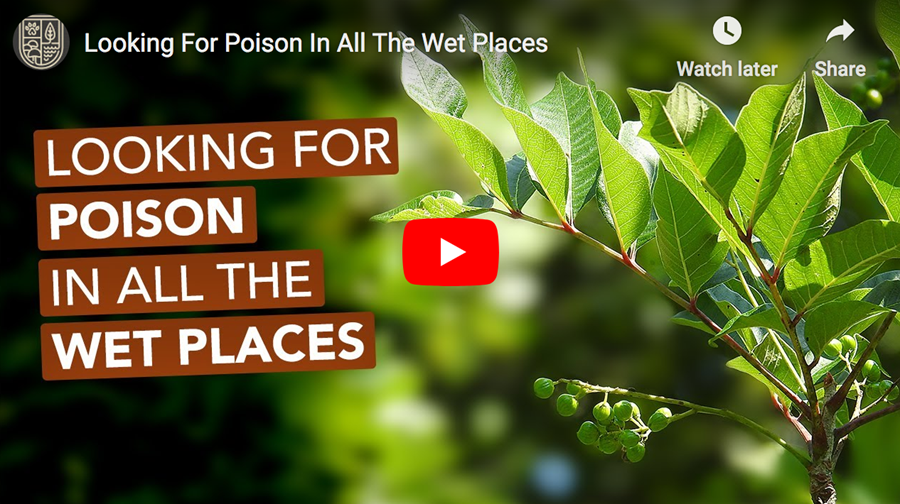
Instead of avoiding the plant, I decided to film a video in which I discuss not only the unique ability of poison sumac to cause skin irritations in humans, but also its ecological value in supporting the health of other organisms.
I was a recent guest on the Wild Fed Podcast hosted by Daniel Vitalis. We covered lots of topics in this interview including plant and fungal interactions, the sustainability of gathering food from the land, the importance of learning non-edible species, and lots more. You can listen to the conversation here.
Speaking of plant and fungal interactions, did you know that wild blueberries depend on fungi for sustenance? Without these inter-kingdom relationships, far fewer blueberry shrubs would probably exist. Check out a recent Instagram post to learn more.
While on a volunteer trip in Orlando, Florida, I was desperate for bug spray. In the middle of December, the mosquitoes nibbled on any exposed skin they could find, leaving me and the rest of the unprepared Maryland native participants with patches of red swollen bumps on our ankles and arms. Our guides, a retired couple who volunteers with the state parks, became our heroes on the second day of the trip. During our lunch break, the husband saunters over to us, carrying a branch from a nearby shrub and states, “This is spicebush. Crush its leaves and rub it onto your arms. Keeps the bugs away and helps the itch.” Immediately, we passed the branch around, ripped the leaves off the branch, crumpled them, and rubbed the lemon-peppery scented oil onto our skin.
A couple years later, I would learn that spicebush (Lindera benzoin)…
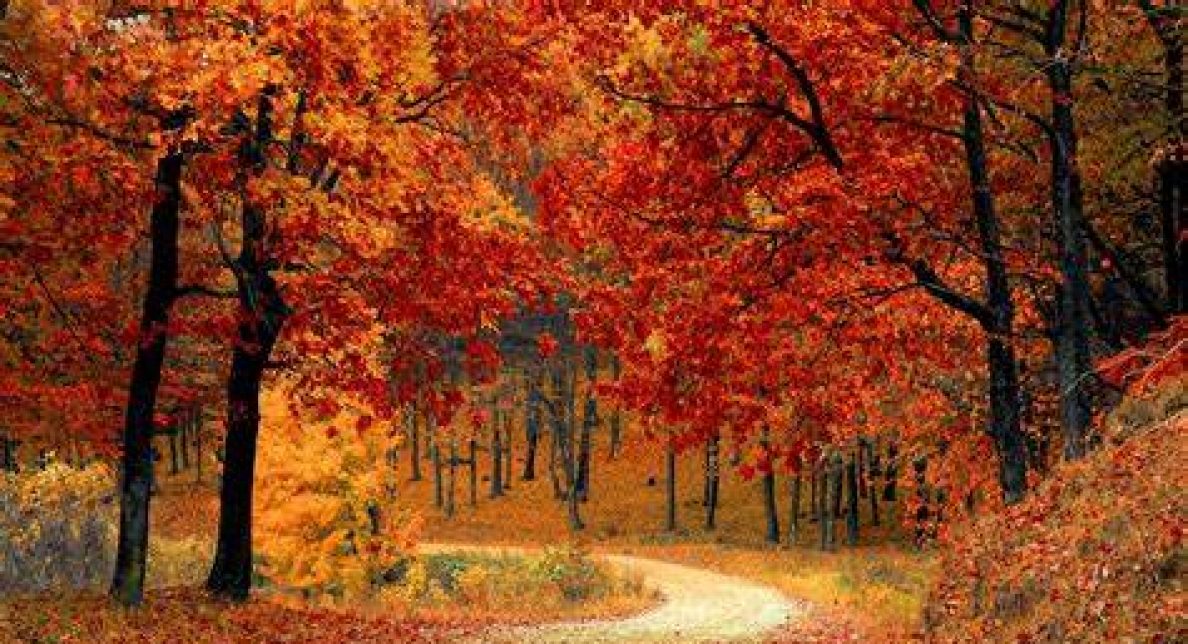
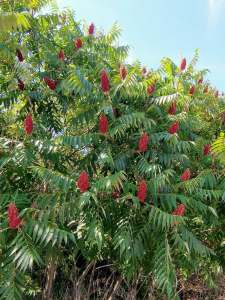
As we begin the march from summer into fall, the Staghorn Sumac are now in bloom. With their flaming flower heads reaching into the sky, the Staghorn sumac are striking upon our landscape. As fall comes, the Staghorn Sumac leaves turn fiery red before dropping and leaving their beautiful, antler-like, and hairy stems behind. All through the winter months, the Staghorn Sumac stems stand like antlers reaching into the heavens, until they bud and spring returns again. This post explores the medicine, magic, ecology, herbalism, craft, and bushcraft uses, and lore surrounding these amazing trees.
This post is a part of my Sacred Trees in the Americas series, which is my long-running series where I focus on trees that are dominant along the Eastern USA and Midwest USA, centering on Western PA, where I live. Previous trees in this series have included:
That’s the promise I made at the start of the season. It will be a daily ritual, a practice to keep me in tune with the growth and health of the garden, and a sure way not to miss a bit of garden gossip. Like a bustling city full of honking horns, buses whizzing by, and street conversations half-heard, there is endless activity to observe. Cucumber beetles rapidly working to destroy the cucumber crop. Birds ravishing the cherry tree singing loudly to their friends to join in on the feast. Earthworms patiently turning the soil underfoot. Never a dull moment, but you need to go to the garden every day to keep up.
That has been my biggest lesson gardening this year. If you’re not there to enjoy the first ripe strawberries, the squirrels will be happy to take on that…
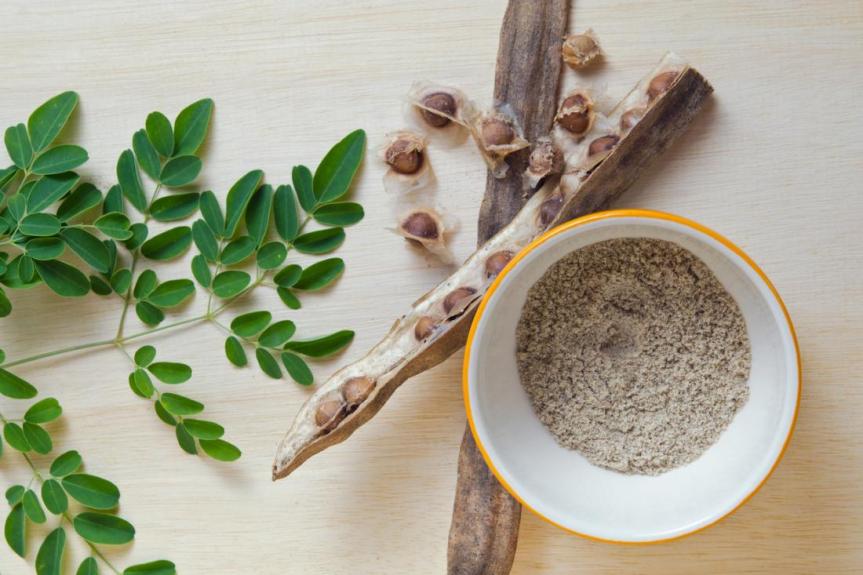
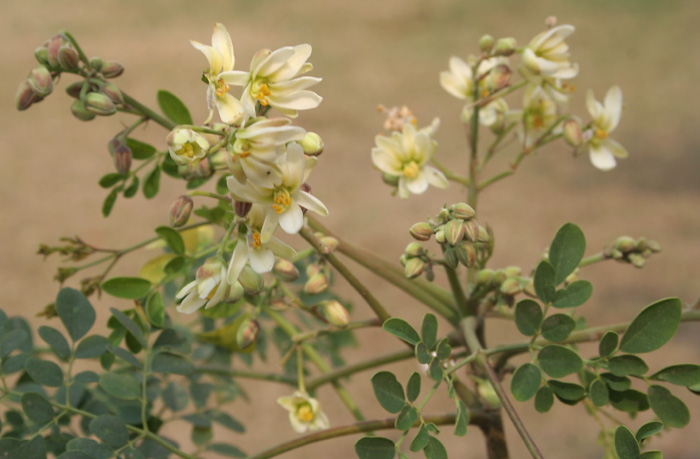
Moringa oleifera is one of the 12 known Moringa species in the horseradish tree family (Moringaceae) that flourish in drier parts of the world.1 Nine species occur in eastern Ethiopia, northern Kenya, and Somalia, of which eight are endemic to Africa, and three species occur in India.1,2 Belonging to the Brassicales order, this plant family is distantly related to cruciferous vegetables like arugula (Eruca vesicaria ssp. sativa, Brassicaceae) and broccoli (Brassica oleracea var. italica, Brassicaceae) and contains many of the same nutrients and sulfurous phytochemicals.1,3 Moringa species grow as stout-stemmed trees or shrubs. Some species are known as bottle trees and have a large root system that enhances water storage and aids the trees’ survival during periods of drought.1 Members of the Moringa genus have corky gray bark and distinct bi- or tri-pinnately compound leaves that have conspicuous swellings, or pulvini, at…
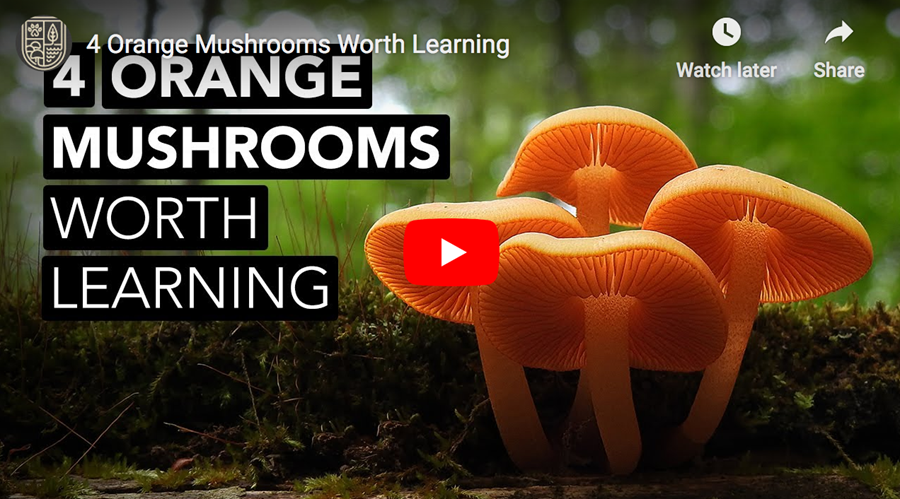
Orange is not the first word that comes to mind when most people think about a hemlock forest. Greens, grays, tans, and browns are instead the colors that typify these densely shaded areas — especially as the early days of summer approach.
With careful observation, however, and with a directed focus on the fungal world, any color can easily make itself known in a dark forest.
On a recent walk through one of these areas, the only mushrooms that I encountered were orange. Of course, I thought nothing of it upon seeing the first orange species, and I wasn’t too surprised after finding a second orange mushroom either.
But then I found a third, and eventually a fourth.
And I inevitably thought to myself, “Someone should document this.”
Fortunately, I brought my camera along for the adventure and decided to film the orange mushrooms that were appearing in succession. All four mushrooms are fascinating, though a few of them are often overlooked and underappreciated despite their brilliant coloration.
If you are interested in learning more about orange mushrooms that may be growing in a forest near you, check out the new video.
When I am not looking down at the forest floor for plants and mushrooms, I am looking up into the canopy for birds of all colors. Fortunately, I live in a region characterized by its avian diversity, and if you are interested in seeing some of the birds that have recently posed for my camera, check out the Learn Your Land Instagram page.


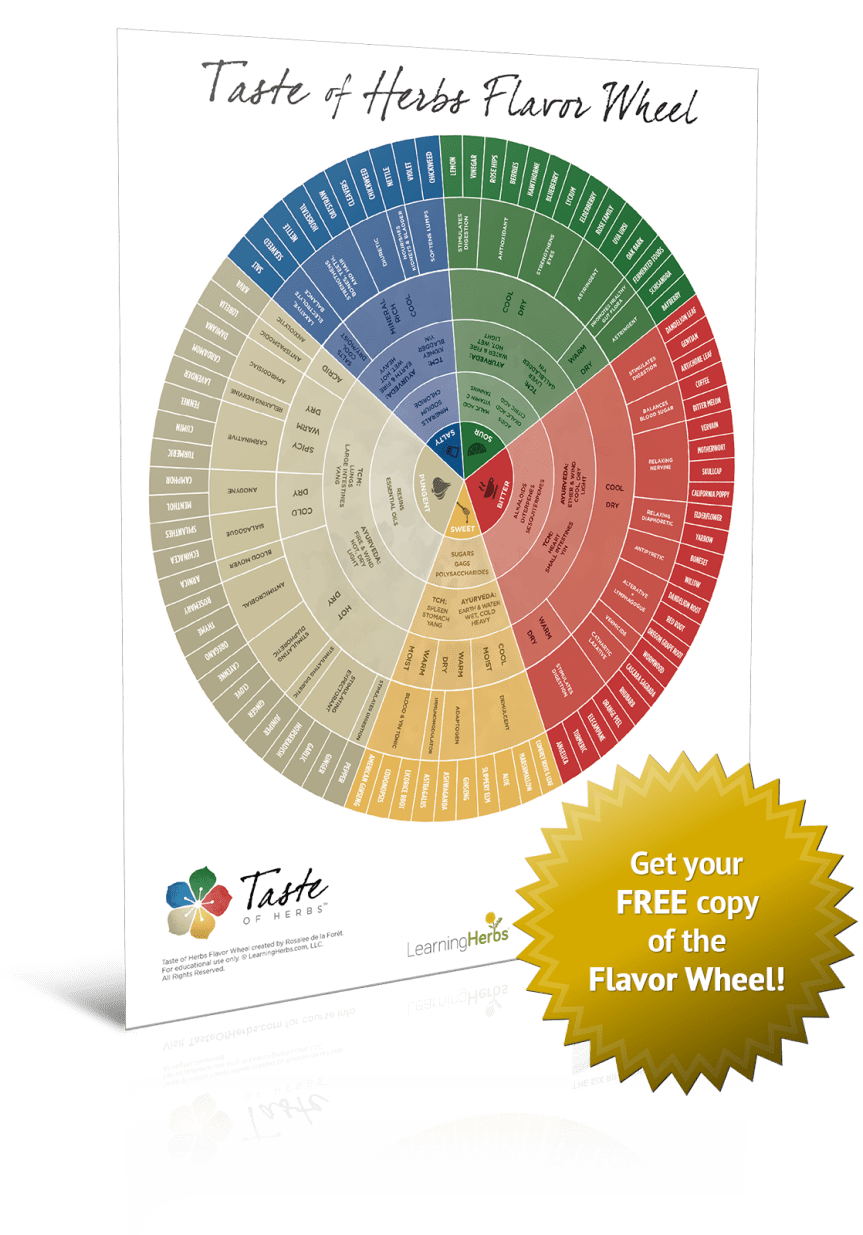
 Source: Getting Results with Herbs, a free training with Rosalee de la Forêt



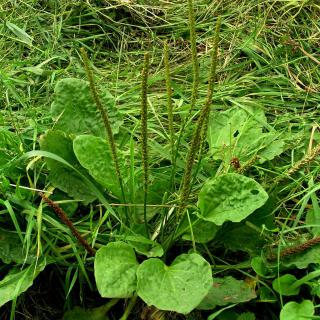 Weeds tell wonderful stories, and as we learn them, they take us on a journey to discover where they came from and how they came to be who they are today.
 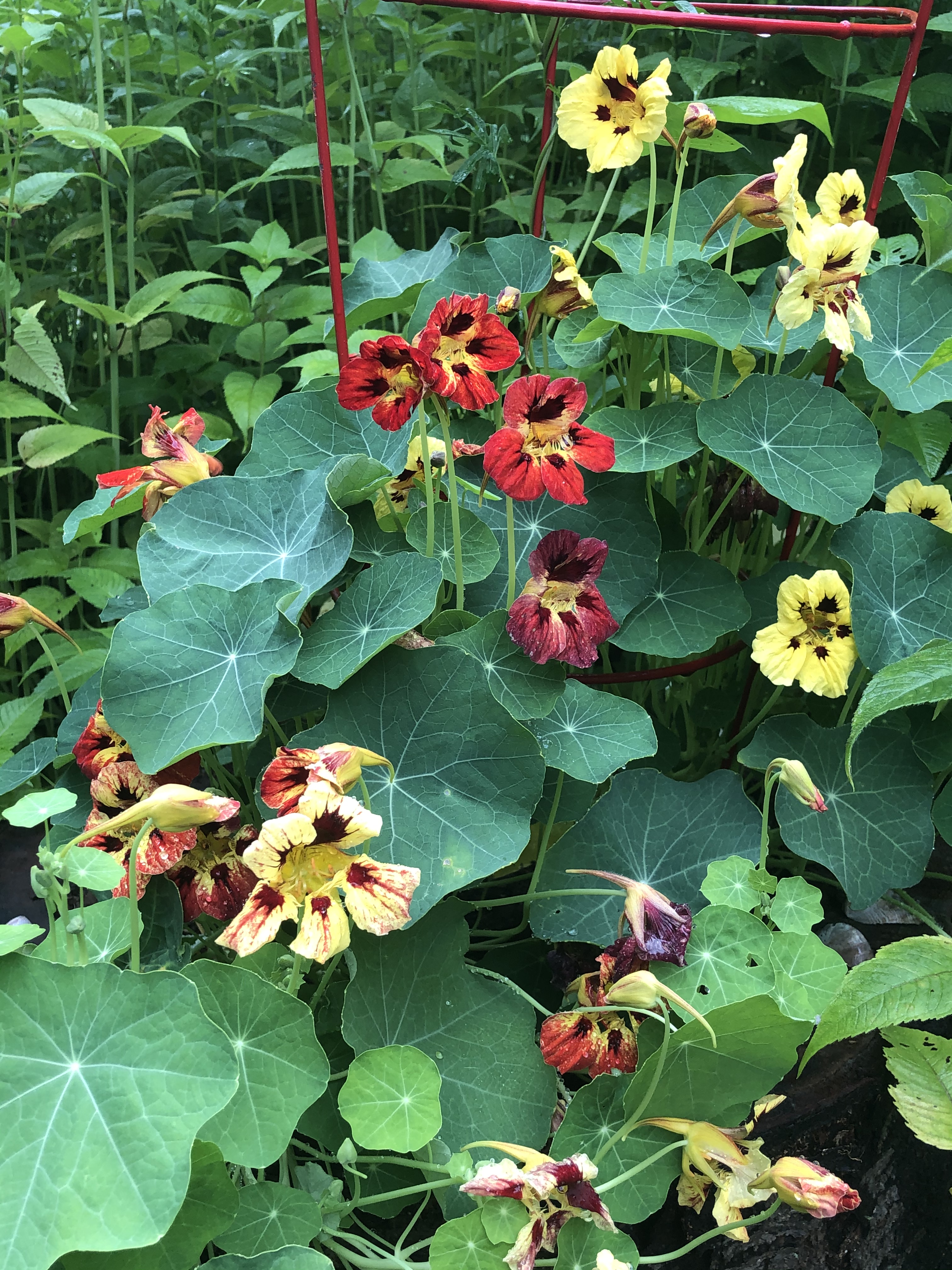 Plant Profile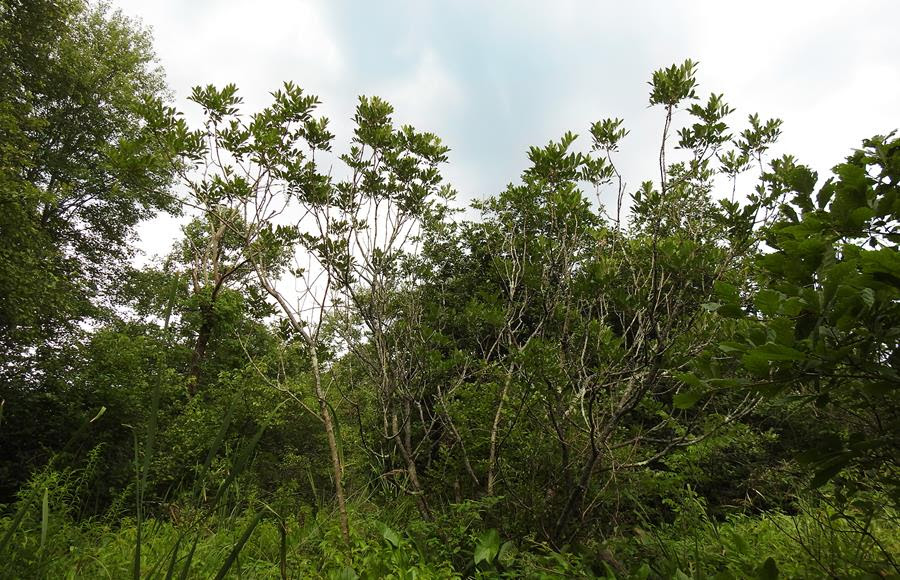



 While on a volunteer trip in Orlando, Florida, I was desperate for bug spray. In the middle of December, the mosquitoes nibbled on any exposed skin they could find, leaving me and the rest of the unprepared Maryland native participants with patches of red swollen bumps on our ankles and arms. Our guides, a retired couple who volunteers with the state parks, became our heroes on the second day of the trip. During our lunch break, the husband saunters over to us, carrying a branch from a nearby shrub and states, “This is spicebush. Crush its leaves and rub it onto your arms. Keeps the bugs away and helps the itch.” Immediately, we passed the branch around, ripped the leaves off the branch, crumpled them, and rubbed the lemon-peppery scented oil onto our skin.

 are endemic to Africa, and three species occur in India.1,2 Belonging to the Brassicales order, this plant family is distantly related to cruciferous vegetables like arugula (Eruca vesicaria ssp. sativa, Brassicaceae) and broccoli (Brassica oleracea var. italica, Brassicaceae) and contains many of the same nutrients and sulfurous phytochemicals.1,3 Moringa species grow as stout-stemmed trees or shrubs. Some species are known as bottle trees and have a large root system that enhances water storage and aids the trees’ survival during periods of drought.1 Members of the Moringa genus have corky gray bark and distinct bi- or tri-pinnately compound leaves that have conspicuous swellings, or pulvini, at…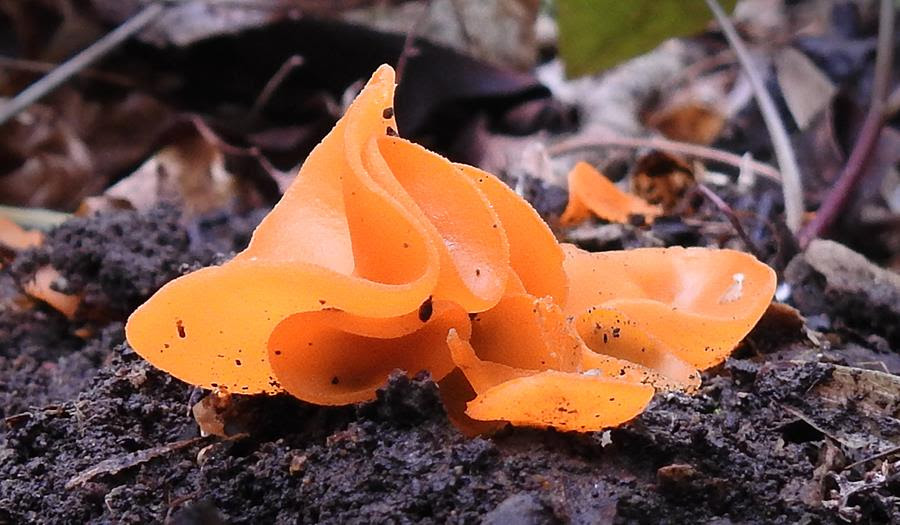



You must be logged in to post a comment.