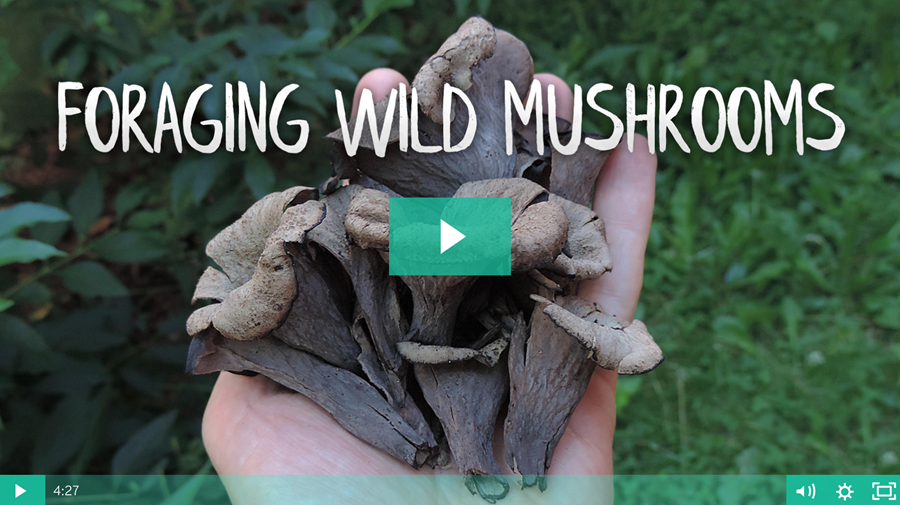

Foraging Wild Mushrooms — Online Course Is Now Open For Enrollment!

Greetings!

The winter mushroom season is almost upon us, and at the request of those eager to pursue educational opportunities during the winter months, I’ve decided to open the doors to Foraging Wild Mushrooms for the next 7 days. 

This 4-season online course is designed to help you safely, successfully, and confidently forage wild mushrooms from the forest, from the field, and even from your own backyard.

Whether you’re interested in foraging for food, for medicine, for study, or just for fun, Foraging Wild Mushrooms covers the most important lessons to get you started.

In addition to over 70 step-by-step exclusive and instructional videos included within the course, you’ll also receive:

  • Supplemental handouts covering mushroom anatomy, terminology, and biology that you can download and print for easy viewing.
  • A 42-page guide to medicinal mushrooms that summarizes the latest research on the most popular medicinal fungi with over 75 peer-reviewed references.
  • Immediate and lifetime access to all materials.

Additionally, a portion of all proceeds derived from course sales will be donated to the Western Pennsylvania Conservancy — a nonprofit organization whose mission it is to protect and restore exceptional places and forests for the benefit of present and future generations.

Since 1932, the Western Pennsylvania Conservancy has protected more than a quarter-million acres of natural places.  To express gratitude, and to ensure that these and many more wild places exist for generations to come, I find it imperative to support organizations that in turn directly support the land.

Therefore, a portion of all proceeds derived from this enrollment period will be donated to the Western Pennsylvania Conservancy for use in land conservation.

Please note that enrollment for Foraging Wild Mushrooms is open for one week only — from today until Monday, December 21st.  After that, enrollment will be closed for the season.

To learn more about the course, check out this video which gives an overview of what you can expect.

Thanks for your continued support, and I hope to see you in there!
—Adam Haritan

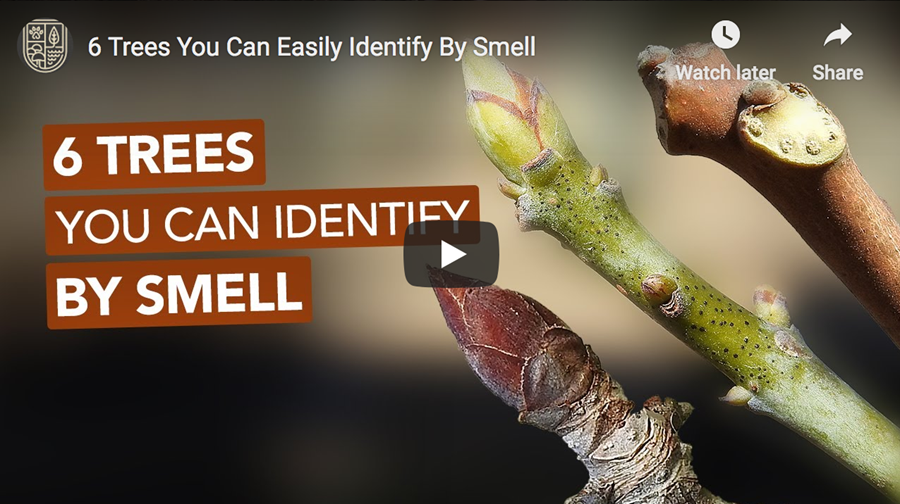
6 Trees You Can Easily Identify By Smell

As winter approaches, tree identification can pose many problems to those of us who typically rely on flowers, fruits, and foliage for clues.

Fortunately, trees don’t completely disappear during the coldest months, and although their winter outfits may conceal several diagnostic features, dormant trees still offer us a few critical pieces of information.

Take smell, for instance.

Many trees produce unique aromas and odors that can be detected when we scratch their fresh twigs.  These aromas will oftentimes lead us to a positive identification when other features fail to do so. 

In a brand new video, I discuss six trees that you can easily identify by smell.  If you’re interested in improving your winter tree identification skills, check it out!

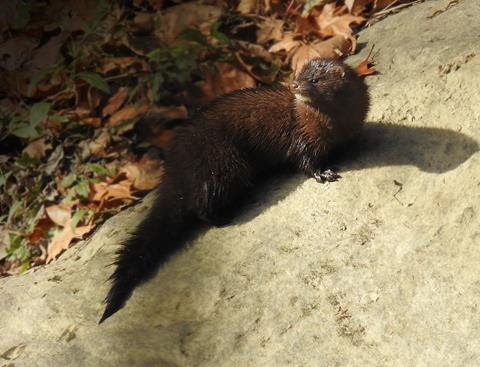
Unlike deciduous trees in my neck of the woods, many creatures do not go dormant during the winter season.  I recently encountered this semi-aquatic animal while I was exploring the bank of a swift stream.  Are you familiar with this carnivore?  Check out the most recent Instagram post to learn more.Click to view post

Thanks for reading and watching, and thanks for your continued support!

-Adam Haritan

Yellow Knight: Thoughts On Eating A “Deadly” Mushroom

To determine whether a mushroom is edible or not, time is one factor worth considering. 

A mushroom that has been eaten for centuries with few adverse events reported is a mushroom that most people would consider to be edible. 

On the other hand, a mushroom with a centuries-old reputation of being toxic is certainly a mushroom whose edibility should be called into serious question, even in modern times.

But not all mushrooms fit neatly into those two categories.

Take the Yellow Knight, for instance. 

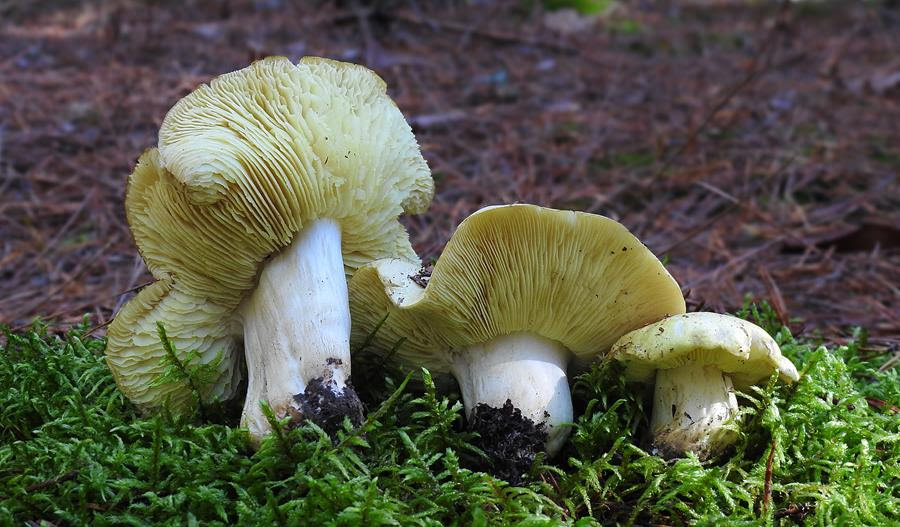
The Yellow Knight is a wild mushroom that had been safely eaten for centuries.  In the 1990s, however, consumption of the Yellow Knight suddenly and unexpectedly became linked to multiple human poisonings.  Some of these poisonings resulted in death.

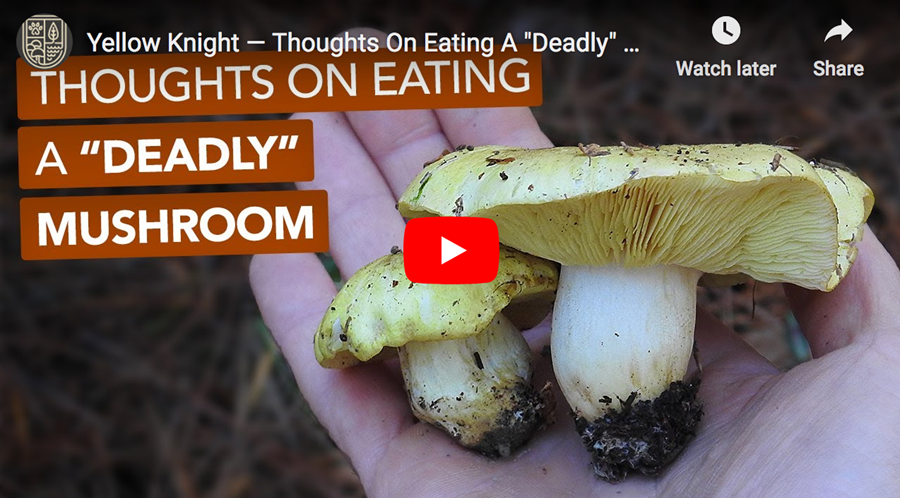
During a recent walk through a pine forest, I encountered the infamous Yellow Knight mushroom.  After careful consideration, I decided to harvest the mushroom and cook it, and in the following video I explain why I would do such a thing.

If you are interested in learning more about a common yet controversial fall mushroom, check out the brand new video!

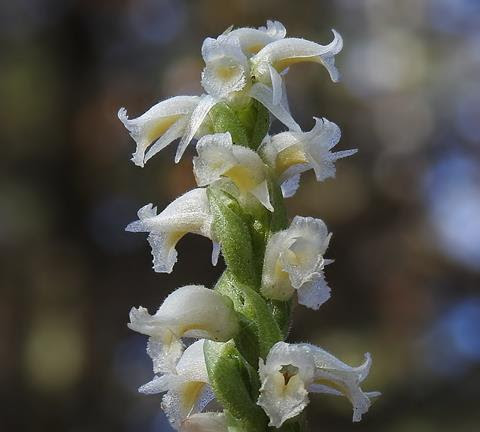
Deeper into the forest full of Yellow Knight mushrooms, this wildflower was blossoming under red pine trees.  Known as Yellow Ladies’ Tresses, this orchid is involved in a tangled web of specialized relationships.  Check out this recent Instagram post to learn more.Click to view post

Thanks for reading and watching, and thanks for your continued support!

-Adam Haritan

Getting Spooky | Full Blue Crone Moon Hag’s Candle DIY Ritual

Full Blue Crone Moon Hag’s Candle DIY Ritual

This Full Moon is our second Full Moon this month making it a Blue Moon. Full moons offer us illumination and insight. Our intuition is increased and our third eye is open at this time. A Blue Moon offers us a second chance towards illumination.

This is also the Crone Moon and Samhain. The Crone Moon represents ancestral wisdom, intuitive knowing and crone energy. On this Samhain Full Moon, the veil is at its thinnest, and our intuition is at its strongest.

Full Blue Crone Moon Hag’s Candle DIY Ritual

The word Samhain means “Summer’s End.” It marks the end of the harvest season, and acts as a way to celebrate the darker months ahead.

A great way to celebrate this time of year is by tapping into fire magick.

Making a “Hag’s candle” on Samhain to be used in the coming winter helps us tap into the Crone Moon energy while we prepare for colder and darker months ahead.

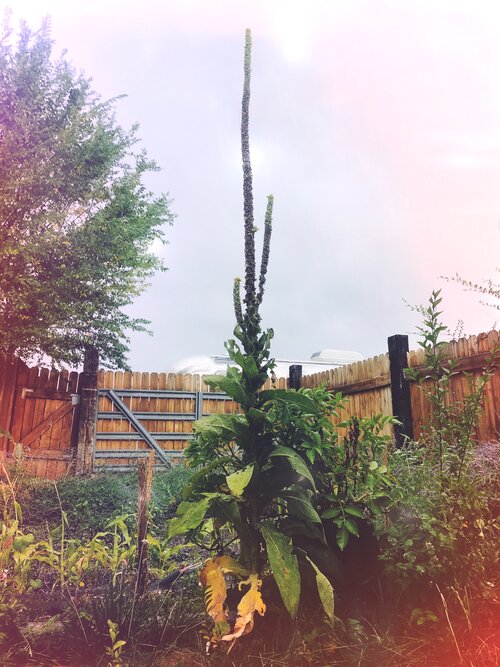
A Hag’s Candle is a candle made from the stalk of a mullein plant.

Mullein is a wild plant that grows almost everywhere. Mullein is great for the lungs, stomach and infection. In folklore, Mullein is said to keep away evil spirits. It offers protection, illumination, courage and crone magick.

Read original article at: Spirit de la Lune ~ Getting Spooky|Full Blue Crone Moon Hag’s Candle DIY Ritual

Reflections On Eating One Of The Strangest Mushrooms In The World

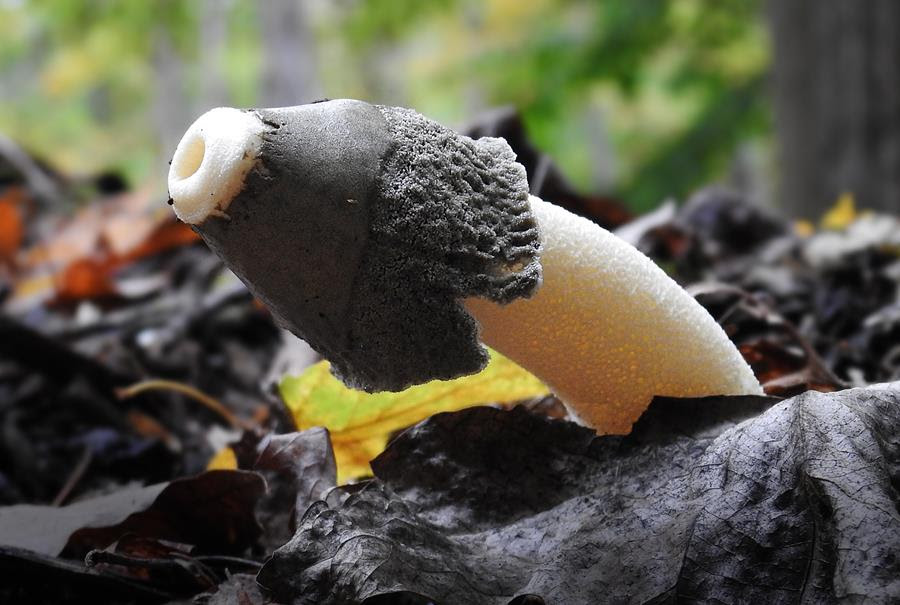
Stinkhorns, with their presumptuous shapes and foul odors, are truly some of the strangest creatures in the biological world.  Any rational person could be forgiven for assuming that such bizarre fungi couldn’t possibly be edible.

Fortunately, however, nature isn’t always rational, and foul-smelling entities with presumptuous shapes can sometimes be eaten.

Take Ravenel’s Stinkhorn, for instance.

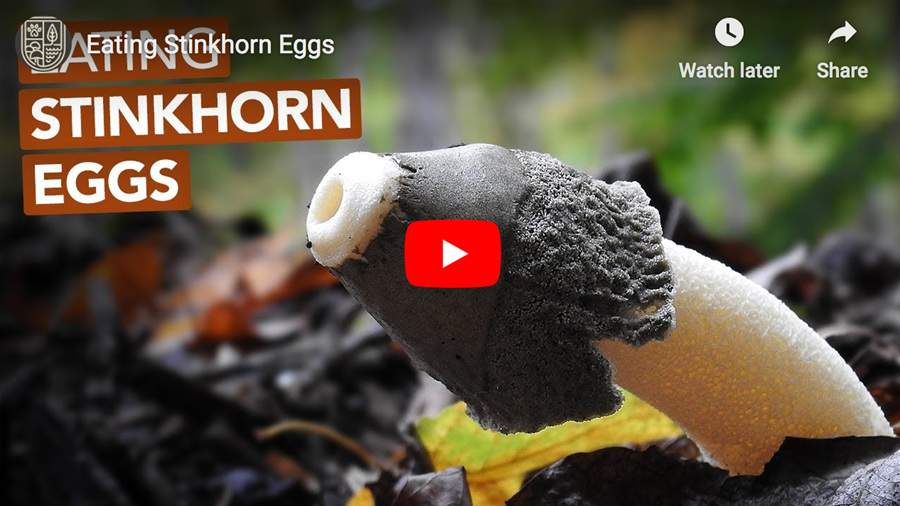
This strongly-scented fungus grows in wood chips and along trails during the autumn months.  As it turns out, Ravenel’s Stinkhorn is considered to be edible with one caveat:  only its immature “eggs” are supposedly fit to be eaten.

During a recent walk, I encountered quite a few of these funny-looking stinkhorns growing alongside their primordial eggs.  Rather than snap a few photographs and flee the scene, I decided to harvest a few eggs and see for myself just how edible these quirky creatures could be.

If you are interested in hearing my candid thoughts on eating one of the strangest mushrooms in the world, check out the brand new video!

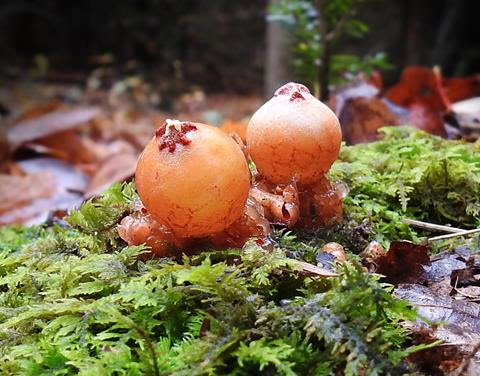
Speaking of strange fungi, this odd-looking pair inhabits forests in eastern North America and performs critical roles in maintaining the health of oak trees.  Check out this recent Instagram post to learn more.Click to view post

Thanks for reading and watching, and thanks for your continued support!

-Adam Haritan

Ode to the Oak: Acorn Harvesting, Preparation, Acorn Breads, and More!

Dana's avatarThe Druid's Garden

Honoring the oak

With the cooler temperatures of September and October, the abundance of the Oaks come forth.  In my area, we have abundant oaks of a variety of species: white oak, chestnut oak, eastern red oak, swamp oak, and much more.  Each of these oaks, every 2-3 years, produces an amazing crop of nuts that simply drop at your feet. Acorn was once a staple food crop of many different peoples around the world–and in some places, it still is.  Here in North America, acorns and chestnuts were primary food sources for native American people. Cultures subsided–and thrived–on annual acorn harvests and the bread, cakes, grits, and other foods that can be made with processed acorns.  I really enjoy processing acorns and using them as ritual foods for both the fall equinox and Samhain.

Thus, in this post, we’ll explore the magic of the acorn, how to process acorns…

View original post 3,973 more words

The Mushroom With A Questionable Reputation

Greetings,

Before I share a brand new video with you, I want to provide a reminder that today — Monday, September 28th—  is the last day to register for Foraging Wild Mushrooms.  After midnight, registration will be closed for the season.

If you want to learn the skills involved in safely and successfully harvesting wild mushrooms with confidence, Foraging Wild Mushrooms can help you achieve that goal.

Click here to register before midnight.

Now on to this week’s brand new video — a video in which we take a look at the discrepancies involved in classifying nature.

Over the years I’ve come to realize that things in nature don’t always fit so neatly into human-constructed categories. 

Take the Freckled Dapperling, for instance.

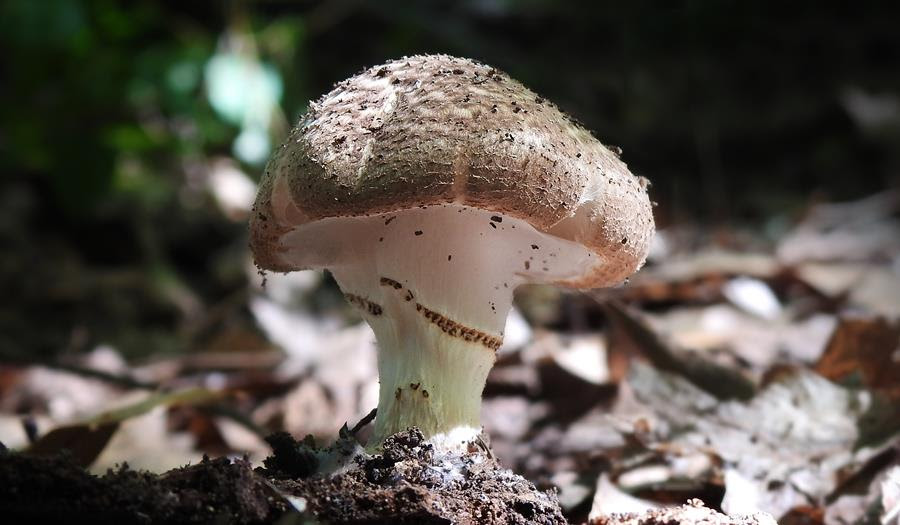
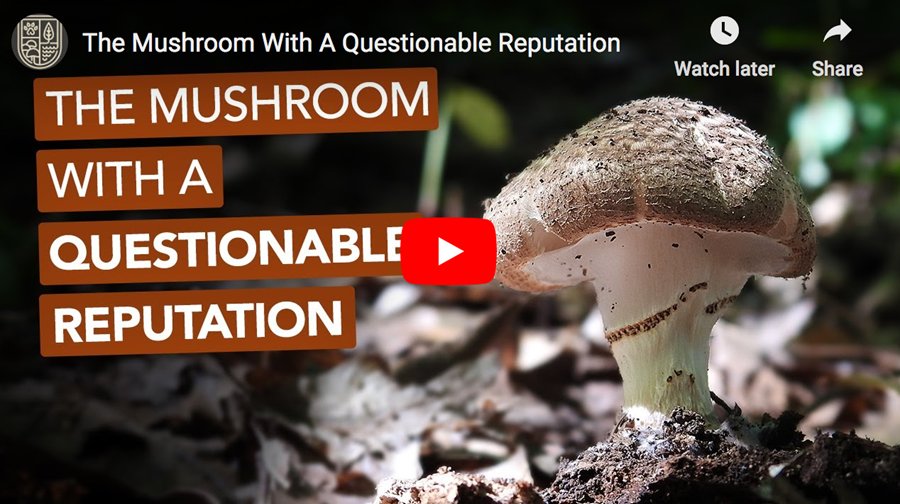
The Freckled Dapperling is a wild mushroom that grows on plant debris during the autumn season.  Some sources claim that the Freckled Dapperling is edible; others state that it’s inedible; and plenty of other sources claim that it’s poisonous.

Needless to say, the Freckled Dapperling is a mushroom that’s certainly worthy of our attention, and in the following video, I do my best to answer some very important questions about this fascinating fungus.

To learn more about the questionable mushroom known as the Freckled Dapperling, check out the brand new video!

Thanks for reading and watching, and thanks for your continued support!

-Adam Haritan

The Delicious Wild Mushroom That Isn’t Always Recommended To Beginners

Greetings,

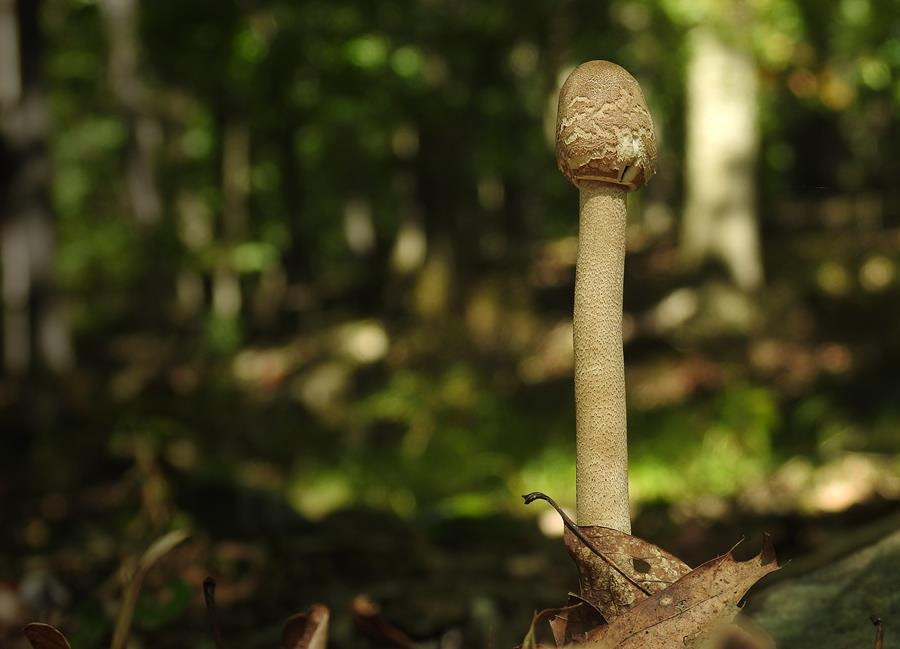
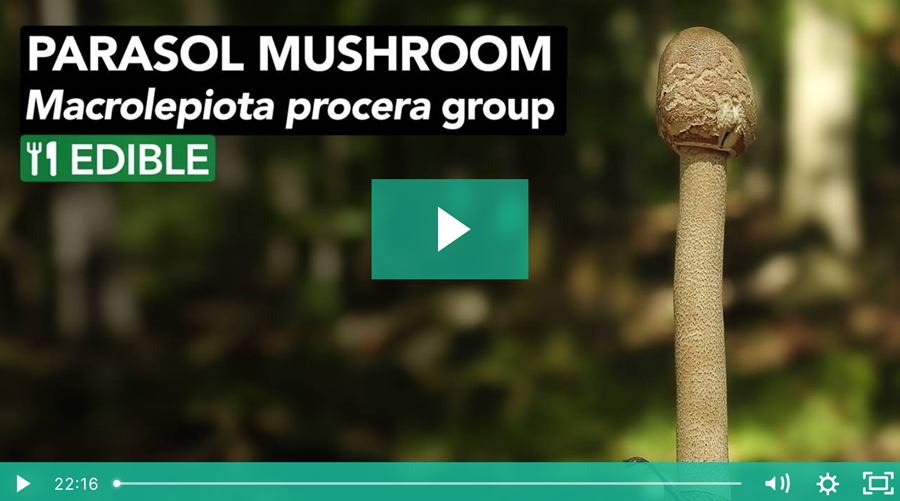
An autumn mushroom that you may see over the next few weeks is the Parasol Mushroom.  Edible, delicious, and easily spotted in the woods, the Parasol Mushroom is a favorite amongst many foragers for its nutty smell and taste.  

The Parasol Mushroom, however, is not the easiest mushroom to positively identify because it shares similar features with several other species — some of which are toxic.  Many field guides and online articles fail to include a sufficient number of images and offer little help in identifying the Parasol Mushroom.  Such lack of detail can leave readers with more questions than answers, and ultimately with no Parasol Mushrooms for dinner!

To address this issue and to assist with the identification process, I created an extremely detailed video outlining all the important pieces of information that any forager needs to know in order to safely and confidently harvest the Parasol Mushroom for the table.  This video is one of over 75 exclusive videos featured in Foraging Wild Mushrooms — a four-season online course designed to help you confidently and successfully forage wild mushrooms.  

Registration for Foraging Wild Mushrooms is open until Monday, September 28th at midnight.  After September 28th, registration will be closed. 

If you’ve ever considered harvesting wild mushrooms but didn’t know where to start, or where to go, or how to discern between edible and poisonous species, Foraging Wild Mushrooms will equip you with the skills necessary to ensure that your harvests are safe and successful. 

To get a sneak peek into the kinds of content found within the course, please enjoy this video.

A portion of all proceeds derived from course sales will be donated to the Western Pennsylvania Conservancy — a nonprofit organization whose mission it is to protect and restore exceptional places and forests for the benefit of present and future generations. 

Thanks for reading and watching, and thanks for your continued support!

—Adam Haritan

Foraging Wild Mushrooms ~ Online Course Is Now Open For Enrollment

I’m very excited to announce that Foraging Wild Mushrooms is currently open for enrollment!

This 4-season online course is designed to help you safely, successfully, and confidently forage wild mushrooms from the forest, from the field, and even from your own backyard.

Whether you’re interested in foraging for food, for medicine, for study, or just for fun, Foraging Wild Mushrooms covers the most important lessons to get you started.

In addition to over 75 step-by-step exclusive and instructional videos included within the course, you’ll also receive:

  • Supplemental handouts covering mushroom anatomy, terminology, and biology that you can download and print for easy viewing.
  • A 42-page guide to medicinal mushrooms that summarizes the latest research on the most popular medicinal fungi with over 75 peer-reviewed references.
  • Immediate and lifetime access to all materials.

Additionally, I’m equally excited to let you know that a portion of all proceeds derived from course sales will be donated to the Western Pennsylvania Conservancy — a nonprofit organization whose mission it is to protect and restore exceptional places and forests for the benefit of present and future generations.

Since 1932, the Western Pennsylvania Conservancy has protected more than a quarter-million acres of natural places.  To express gratitude, and to ensure that these and many more wild places exist for generations to come, I find it imperative to support organizations that in turn directly support the land.

Therefore, a portion of all proceeds derived from this enrollment period will be donated to the Western Pennsylvania Conservancy for use in land conservation.

Please note that enrollment for Foraging Wild Mushrooms is open for one week only — from today until Monday, September 28th at midnight.  After that, enrollment will be closed.

To learn more about the course, check out this video which gives an overview of what you can expect.

I hope to see you in there!
—Adam Haritan

Getting Results with Herbs, a free training with Rosalee de la Forêt

Crooked Bear Creek Organic Herbs's avatarCrooked Bear Creek Organic Herbs

We are thrilled to share with you that Learning Herbs will open their registration this morning for Taste of Herbs with herbalist and best-selling author Rosalee de la Forêt who has created a transformative online training.

Rosalee writes and teaches with such substance, and depth, but also makes it very easy and practical for people to understand.  In Rosalee’s ‘Taste of Herbs’, she has a way of showing people how to understand and apply the energetics of herbs to every day herbalism and it is quite brilliant.

Click here to register!

Source: Getting Results with Herbs, a free training with Rosalee de la Forêt

View original post