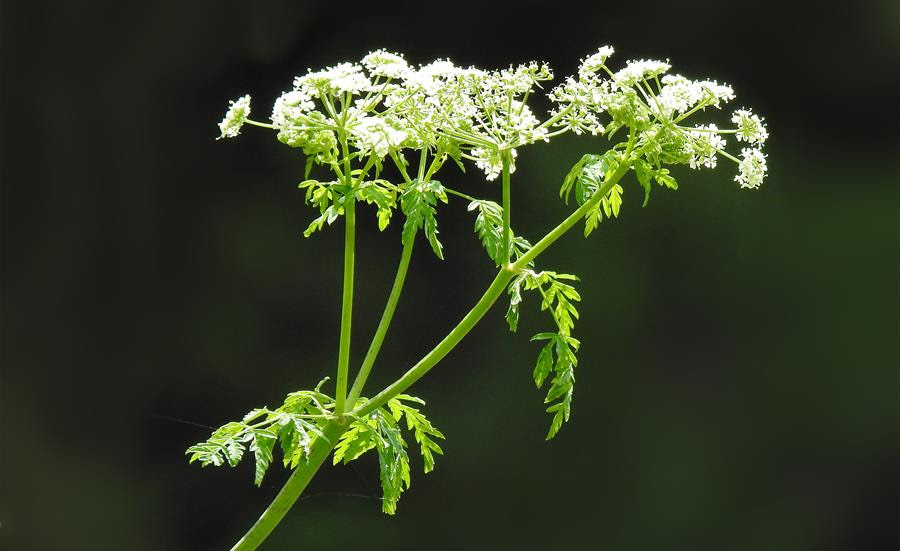

Poison hemlock gets an incredibly bad rap these days.
It’s weedy. It’s aggressive. And it’s lethally toxic.
Here in the United States, poison hemlock grows in almost every single state. Because many of us will inevitably encounter a naturalized population of poison hemlock, it’s important that we learn its key features and its effects on the human body.
The trend these days is to write scathing articles about poison hemlock where personal feelings eclipse objective information. Today, however, I’ll offer something different.
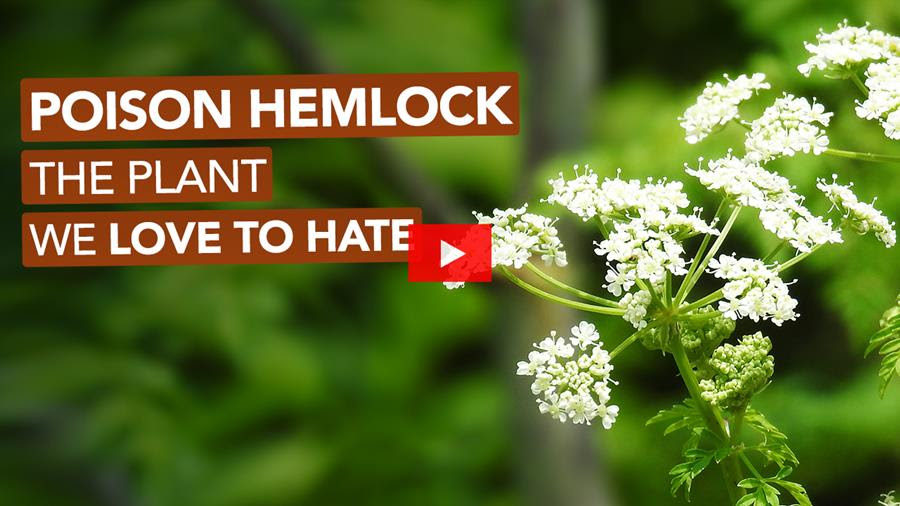
In a new video, I don’t get too angry talking about poison hemlock, but I instead try to remain fairly neutral when discussing its attributes.
If you’re interested in learning more about one of the most toxic plants in the world, check out the brand new video!
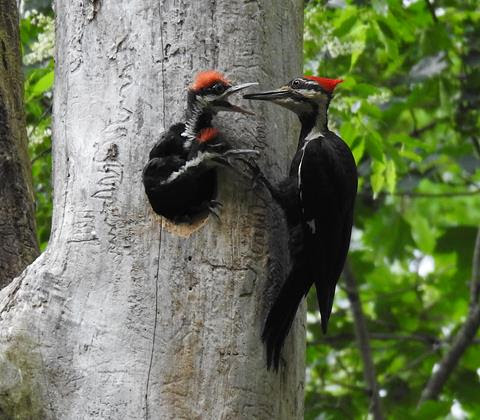
Last year, I stumbled upon a pileated woodpecker nest for the first time. Exactly one year later, I encountered a second site in a different location. To read about my recent experience, and to view more photographs of the nest, check out the latest Instagram post!Click to view post
Thanks for reading and watching, and thanks for your continued support!
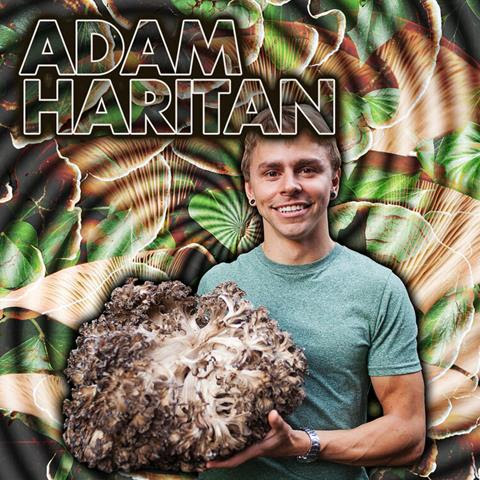
-Adam Haritan






 You may be one of the growing numbers of home gardeners who have put shovel to soil in the effort to nourish themselves and their families with wholesome, organic, fresh, and ultimately local vegetables and fruits. It is empowering to know exactly where your food comes from. And, while gardening is perfect exercise…it can be a lot of work! What if you could grow food plants that all but took care of themselves? Or better yet simply harvest, with caution of course, from the wild.


You must be logged in to post a comment.