Plastic Waste into Resources: Exploring Ecobricks as Sustainable Building Tools

Dana's avatarThe Druid's Garden

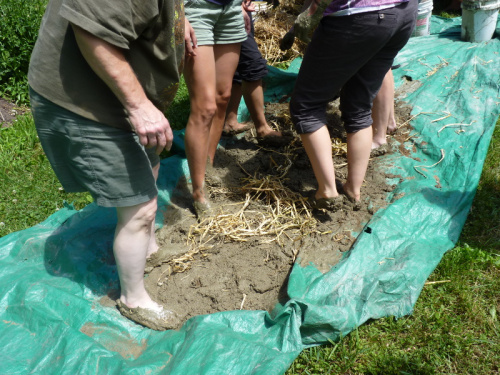
As I described in last week’s post, at least here in the US, we have serious challenges befalling us with plastic recycling along with a host of waste plastics that can never be recycled. A recycling infrastructure built almost exclusively on exporting masses of “dirty” recycling to China now has the recycling system here in the US is in shambles when China stopped taking recycling. Further, so many plastics simply can’t be recycled, meaning that even well meaning folks who recycle everything they can still end up throwing away enormous amounts of single-use plastics, packaging, film, and other waste. In permaculture design terms, it is time to turn some of this waste into a resource!  So in today’s post, I’d like to explore the concept of making ecobricks as a way to sink large amounts of un-recyclable waste into a productive resource and share some designs and…

View original post 1,988 more words

Native American Truth

Wild Cakes for Camossung: A Prayer For Restoring The Garden — Gather Victoria

My family background is pretty diverse (stretching across Europe, from Spain, France, Greece to Eastern Europe and Russia) so I harvest and write about the many foods my ancestors have eaten for literally thousands of years. But I also resonate deeply with the food cultures of the Coast Salish Peoples whose territories I occupy. I…

via Wild Cakes for Camossung: A Prayer For Restoring The Garden — Gather Victoria

The Best Places to Purchase Herbs and Supplies World-Wide

Crooked Bear Creek Organic Herbs's avatarGood Witches Homestead

Please keep in mind that the vendors shared here are not endorsed by the Herbal Academy. We have reviewed these suppliers to the best of our ability, but as we mentioned earlier, we recommend that you do your own research to determine if the supplier you are considering ordering from is a good fit for your needs!

We’ve pulled together some of the best places to purchase herbs and supplies world-wide to make it easier to find what you need for your herbal studies!

Source: The Best Places to Purchase Herbs and Supplies World-Wide

View original post

Dreaming Mirrors

A Deeper Look At Forest Roots

Black and Blue Cohosh Forest

Sandy loam, a substance created by the breakdown of minerals (rock) mixed with the breakdown of carbon (tree or grass detritus). Sandy loam is what we all want, because it is the best all around substrate for growing the plants we love the most: GoldensealGinsengBlack and Blue CohoshWild YamTwinleafBloodroot, Stonerooot, Mayapple — the entire interconnected clan of powerfully medicinal shade-loving forest roots. My book “Growing At-Risk” gives a chapter on each of these (and other) herbs of the hardwood forest biome. Let’s look a bit deeper into what can be done to bring these entities down home and help them prosper!

Survey the growing area. It may be a woodland with trees, brush and diverse broadleaf species already intact. If this is the case, identify areas overgrown by weedy species or heavily shaded by dead wood or thin-able trees. Such areas have often been left undisturbed for some time, and the soil may be rich and undisturbed. Clear away dead wood and crowded trees, giving access to the forest floor and providing more light to the growing beds. Forest roots like dappled shade, where sunlight moves across the moist and humus-laden soil in amorphous patches.

After all, even shade-loving herbs eat light! Remove existing weedy species and push your spade into the ground. If you have at least 6 inches of good dirt, then it’s a go. Pull the existing mulch away from the planting bed, which should be at

Mayapple Forest

least 4 feet wide, arranged with a path to the side to guide forest creatures and humans away from the planting, not over the top of the sensitive plants. Pile the mulch in the path, and plant the dormant roots in the bed, then rake the mulch back over the top of the bed. Mark the bed with a heavy stake and a label giving the date and the species planted there. Metal tags may be used for this, so that they do not fade or disintegrate with time. You will be oh-so-happy that you marked your planting spot!


Read full article via Ricoh’s Blog: A Deeper Look at Forest Roots

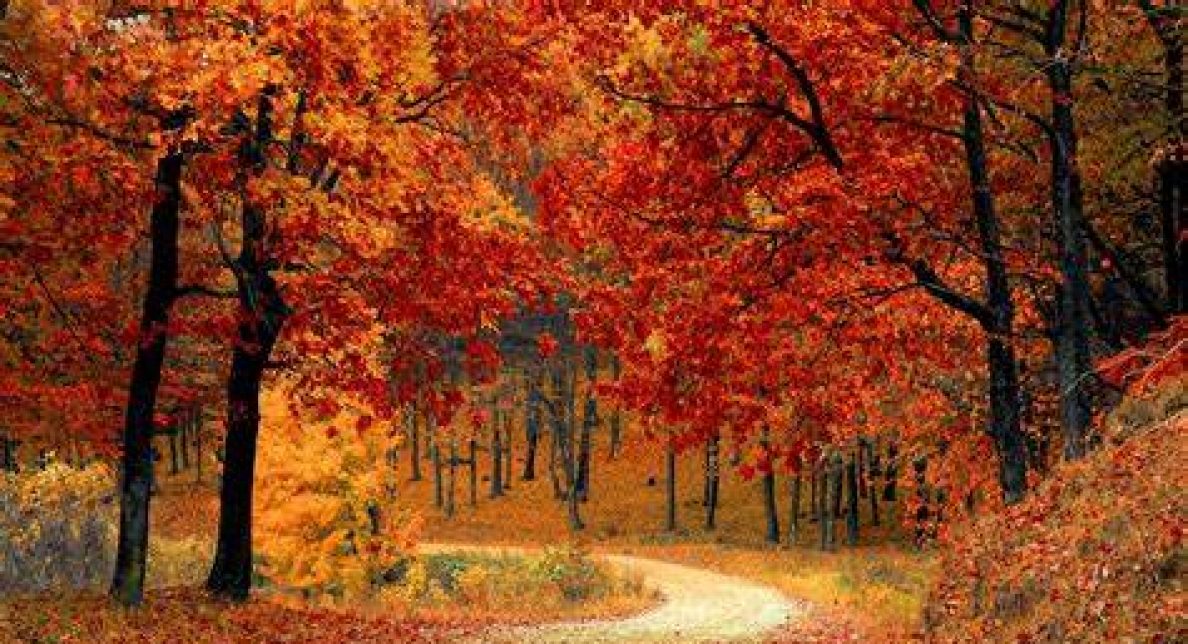
Fall Gourds

Crooked Bear Creek Organic Herbs's avatarGood Witches Homestead

Storage containers, bowls, utensils, tools, masks, musical instruments, jewelry, dolls, flotation devices, toys, wheels, sieves, food, birdhouses – the list goes on and on for the many functional, spiritual, and decorative uses of the humble gourd. At this time of year, gourds abound at farmer’s markets, the grocery store, and even the backyard for some dedicated growers. This oddly shaped fruit has a colorful history – and deserves a bit of spotlight.

Origin

While not a common backyard plant today, it’s believed that gourds may be the earliest domesticated plant in North America. A previous theory held that the bottle gourd originated in Africa, carried over to the Americas via the Atlantic Ocean. But as the American Gourd Society reports, archeological and DNA evidence shows them coming from Asia more than 10,000 years ago via the Bering Strait – either by boat, by floating across the water, or carried by…

View original post 1,082 more words

A Tribute To The Dog — Oro Cas Reflects

20180829_083939_HDR(1)I found the following piece of literature in a 1959 National Geographic magazine that I own. It is part of a huge collection that I purchased from an estate. This writing can also be found inscribed on “The Old Drum Memorial” in Warrensburg Missouri and was written in 1870. A Tribute To The Dog A […]

via A Tribute To The Dog — Oro Cas Reflects

August (and Blackberry Jam)

Make Your Own Herb Kombucha

Crooked Bear Creek Organic Herbs's avatarCrooked Bear Creek Organic Herbs

This popular, fizzy beverage provides flavor, health benefits, and an opportunity to use some of your favorite herbs. Learn how to brew up a batch of homemade kombucha.

Known as the “tea of immortality” in China, where the earliest recorded use dates back to 221 BCE, kombucha has enjoyed an epic rise in popularity here in North America over the last several years. Cruise through the beverage aisles in any grocery store and you’ll likely find kombucha from several different brewing companies, with a huge range of flavors to choose from. The appeal of this unique beverage and the opportunity to personalize it with herbs and other additions make brewing your own kombucha a creative endeavor that tastes good and may also offer some benefits to your health.

Getting Started

So, what exactly is kombucha? It’s a fermented tea – a combination of brewed tea from the Camellia sinensis plant…

View original post 1,975 more words