
By Maryann Readal
Cinnamon is the name for several plant species in the laurel family (Lauraceae). It is a small tropical evergreen tree with aromatic leaves and bark. The spice, cinnamon, is the bark of the tree which has been shaved, rolled, and dried into the familiar tubes called “quills.”
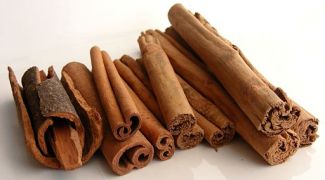 The two most common cinnamon species are “true” or Ceylon cinnamon (Cinnamomum verum) and cassia cinnamon (Cinnamomum aromaticum). “True” cinnamon is grown in Sri Lanka. Cassia cinnamon is grown in Southeast Asia and is the one found in the spice section of your grocery store. The two cinnamons differ in taste and color, with the “true” cinnamon having a more subtle, delicate flavor and a lighter color. It is also more expensive. The picture is a good illustration of the difference between the two cinnamons. The cinnamon on the left is the coarser cassia cinnamon. The…
View original post 820 more words

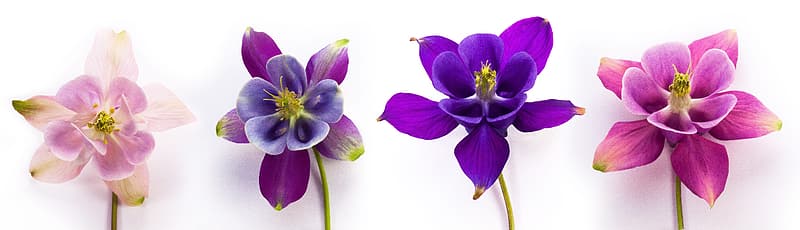
 I love pressing herbs and flowers in a phone book or microwave press. I use the…

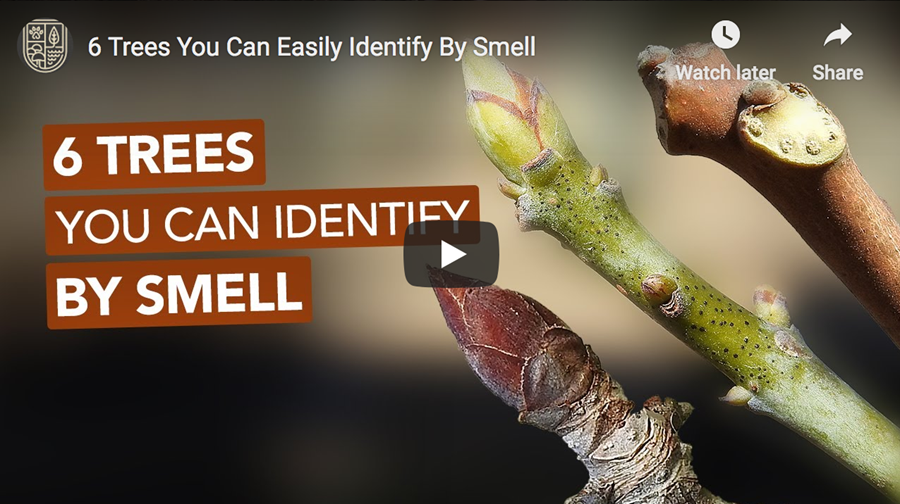

 After watching a video online about making paper from corn husks, I thought it would be fun to try. I had never made paper before, but the video made it look easy. Don’t they always?! I first made some using the husks from six ears. After it didn’t really go well, I bought a book with more detail and tried again.

 second only to water in most consumed beverages (DeWitt, 2000). I, myself, have become a tea drinker over the years, and as a plant nerd, I wanted to know more about how the tea leaves were farmed. What I ended up learning is that while tea (Camellia sinensis) is by far the most well known and widely used product of the genus Camellia, it is by no means its only contribution to the herbal marketplace.


 Paths I Walk
You must be logged in to post a comment.