Home-Grown and Wildcrafted Smudge Sticks: Plant List and Recipes

Dana's avatarThe Druid's Garden

Basket of newly made smudge sticks Basket of newly made smudge sticks

Creating homemade smudge sticks with local ingredients is a wonderful activity to do this time of year.  As the plants die back, you can harvest whatever you aren’t using for other purposes and create a number of beautiful smudges that can be used for many different purposes: clearing, honoring spirits, protection, setting intentions, letting go, bringing in, preparing for ritual or mediation, and much more.

A few years ago, I wrote an initial post on homemade smudge sticks using local ingredients–this has become my most popular post on my blog.  Given that, I wanted to offer a follow-up post with some additional information and share a few smudge stick recipes for specific purposes. For initial instructions on how to make your sticks, please see my first post.  This post expands the plant list that you can use to make smudges and also offers…

View original post 2,497 more words

Making Smudge Sticks from Homegrown Plants and Wildharvested Materials: Step by Step Instructions with Cedar, Rosemary, Sage, Mugwort, and More!

Dana's avatarThe Druid's Garden

I recently posted about my research on Eastern White Cedar, and I wanted to follow-up that post with information on making smudge sticks, inspired by Eastern White Cedar. Smudge sticks are bundles of herbs that are dried and burned for purification and ceremonial uses. They come out of Native American traditions, but today they are broadly used by many for their purification purposes.  I use them as a druid in my ceremonies, to bless and cleanse my house, to cleanse outdoor spaces that are in some kind of energetic funk.  But I also use them practically–as a blessing for my garden at the start of the growing season, as a way to remove hostile energies from my chickens who aren’t getting along, or to pass among friends before sharing a meal.  They are a great way to bring a bit of ceremony and the sacred into the everyday.

Freshly Wrapped Smudges Freshly Wrapped…

View original post 2,564 more words

Contemplating Death

Spirit Obsession

Food as Medicine: Date (Phoenix dactylifera, Arecaceae)

Crooked Bear Creek Organic Herbs's avatarCrooked Bear Creek Organic Herbs

The date palm (Phoenix dactylifera, Arecaceae) has been cultivated for more than 5,000 years.1 Because of this long history of use and cultivation, the exact origin of the date palm is difficult to pinpoint. Dates have been harvested for centuries in northern Africa and the Arabian Peninsula, and have played a large role in the economies of countries where the plant grows.1,2 The largest global producers of dates are Iraq, Egypt, Saudi Arabia, Tunisia, Algeria, the United Arab Emirates, Oman, Libya, Pakistan, Sudan, and the United States.3

The date palm is a large palm tree and grows about 49-82 feet tall.1 The palm leaves are 1.5 to 11.5 inches long.1 Around the trunk of the date tree, the palm branches grow in a spiral pattern and form a crown with hundreds of leaves that are gray in color.2,4 The leaves have a…

View original post 2,299 more words

The Spiritual Realms of Water

6 LUNG HERBS for the BODY & MIND

Crystal Grid for Gratitude

by Jenn Lynn from Feather Spirit Crystal Healing

Crystal Grid for Gratitude by Jenn Lyn

Making a crystal grid for gratitude is a special way to show appreciation for the blessings you have received as well as promoting a sense of love and thankfulness. While holding the intention of gratitude, you can place any crystals in the grid and even incorporate gifts from the Earth as well. Your gird can be set up in your personal sacred space or even a family room to enhance feelings of gratitude and positivity during social gatherings.

For my grid, I chose to include the following stones:

  • Green Aventurine (Heart Chakra): Develops deeper understanding and appreciation of nature; Brings positivity, new growth and opportunities; Assists with embracing change; Symbolizes luck and abundance.
  • Rose Quartz (Heart Chakra): Promotes a strong energy of love and appreciation; Opens our Heart Chakra to receive all forms of love and enables us to send that love and gratitude out into the Universe.
  • Botswana Agate (Root Chakra): Reminds us to be genuine in our lifestyle and have compassion; Brings in universal energies to promote unconditional love; Provides balance and stability; Shifts our focus to the “big picture” and allows us to appreciate what truly matters.
  • Rhodochrosite (Heart Chakra): Represents selfless love and compassion; Enhances optimism and encourages positive attitude; Aids us with recognizing the “silver lining” and being grateful for blessings in disguise.
  • Apatite (Throat Chakra): Promotes positive expressions of gratitude; Reminds us to focus on what we have in the present moment and to not be distracted by the past or the future.
  • Clear Quartz (all Chakras): Amplifies intention and energy.
  • Heart Shaped Petrified Wood (Root Chakra): Connection to the Earth; Enhances deep roots and stability; Symbolizes love and gratitude for Mother Earth and all of her blessings.

I also chose to incorporate gifts from the Earth to symbolize connection to Ancestors (tree stump grid base), potential & abundance (acorns), growth & renewal (leaves/greenery) and Enlightenment (pinecones).

Crystal Grid for Gratitude by Jenn Lynn

Take a few moments each day to sit with your gratitude grid and reflect on your blessings, big and small. Spread love and appreciation to not only the loved ones in your life, but the universal energies that connect us all.

Crystal Blessings,

Jenn Lyn, CCH
Certified Crystal Healer

Add Lemongrass to Your Garden Plans — The Herb Society of America Blog

Lemon grass is probably one of the easiest, cheapest herbs you can grow.

via Add Lemongrass to Your Garden Plans — The Herb Society of America Blog

Sacred Tree Profile: Oak’s Medicine, Magic, Mythology, and Meanings

Dana's avatarThe Druid's Garden

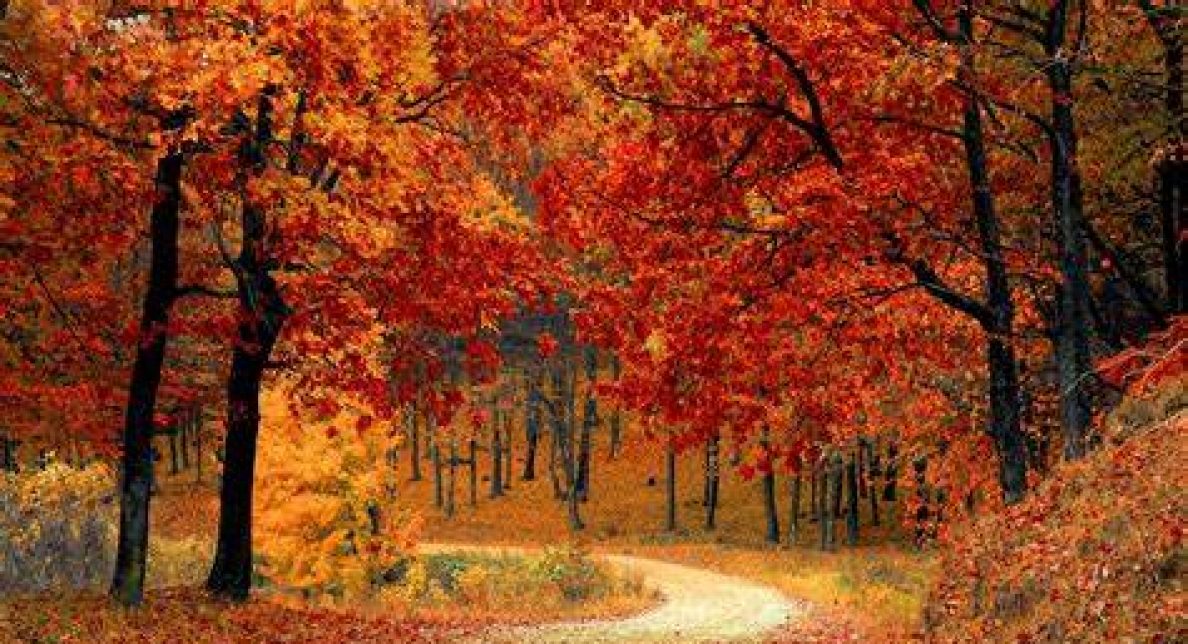
A glorious oak tree in fall colors! A glorious oak tree in fall colors!

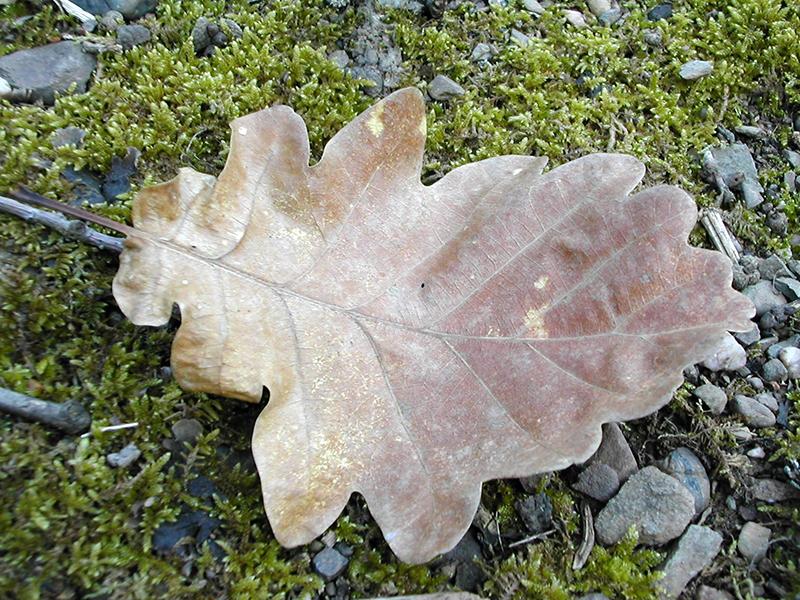
There is nothing quite as majestic as an oak, which is likely why ancient druids met in groves of them to perform their ceremonies.   As I write this, I look at my glorious black oaks, white oaks, and burr oaks in the surrounding landscape and their incredible mantle of gold, tan, crimson and oranges.  Where I live, the oaks keep the green on their leaves through most of the fall season, and begin their transition into color just before Samhain. The oaks and beeches, here, are the very last to lose their leaves–if they lose them at all.  Many of the oaks, especially the younger ones, keep their leaves all winter, dry and crackling, and only drop them before they bud out again in the spring.   Their behavior in the fall and winter months is certainly a testament to their energy and…

View original post 2,533 more words