February in the Low Desert

Crooked Bear Creek Organic Herbs's avatarCrooked Bear Creek Organic Herbs

In February, continue to prepare for frost events and take necessary frost protection measures. Don’t let a warm week in February fool you into believing spring has arrived. The low-desert can still have periods of freezing temperatures during the month.

Mesquites may ooze an amber-colored resin; this can be normal or released as a result of an injury. The exudates are often sweet smelling and tasting. If the exudates are dark in color, sticky and odiferous it is caused by a bacterial infection called slime flux.  You can prune affected branches, but once it has been established the tree will remain diseased and take years to die.

February is still a good time to prepare a new vegetable garden bed for spring planting. Prepare your vegetable bed by using a digging fork or rototilling to approximately 12-18 inches deep. Do not work soil if it is too wet as it…

View original post 1,049 more words

Natural Dyes from your Flower Garden [Infographic]

ecogreenlover's avatarecogreenlove

We plant gardens for food, health, and beauty. But did you know that many plants yield natural dyes for yarn, fiber, and fabric as well? The truth is that humans have been borrowing nature’s colors for thousands of years. This concept is back in vogue as it opens up a whole new world for many – especially those who value organic practices.

Botanical dyes are earth-friendly, biodegradable renewable resources. Crafters are also drawn to them because natural plant dyes produce hues that are much more complex than their synthetic counterparts. Color doesn’t stop at flower petals. Depending on the species, it can also be found in other parts of the plant, such as leaves, stems, roots, and fruits.

View original post 119 more words

All About Your Heart; 6 Weight-Friendly Juice Recipes

Crooked Bear Creek Organic Herbs's avatarCrooked Bear Creek Organic Herbs

Juicing has become a popular way to boost energy and lose weight. You may have heard juice cleansing radio ads, seen (or bought) expensive juices in the store, or maybe you’ve even made juice from scratch. But does juicing for weight loss work?

Juicing refers to using a juicer or blender to liquefy fruits, vegetables, and herbs. Juices differ from smoothies because the latter include additional ingredients like milk, yogurt, seeds, and sweeteners. Juices typically contain only the liquid components — although some juices contain pulp. Making your own blends is easier with a juicer, although some people use a blender.

When used with other dietary and lifestyle changes — particularly increased exercise and a plant-based diet — juicing can help you lose weight. You can add juice to your regular diet to maintain a healthy metabolism and detoxify your body, and some people juice-fast as a short-term detox or body cleansing regime.

Is Juicing Good…

View original post 1,894 more words

All About Your Heart; Foods That Lower Blood Pressure

Crooked Bear Creek Organic Herbs's avatarCrooked Bear Creek Organic Herbs

There is a virtual cornucopia of foods, herbs, and other forms of nourishment that are readily available to lower high blood pressure, or hypertension, naturally. Fruits, vegetables, and nuts are just a handful of healthy things you can eat to promote healthy blood flow. Learning the benefits of these foods and determining which ones are best for your diet may help to lower your blood pressure and maintain circulatory health.

The Importance of Your Blood

“Blood is a very special juice,” wrote the famous 18th-century author Johann Wolfgang von Goethe, but it is more than just “special.” Blood is the fuel that sustains human and animal life. It enables the body to stay alive by carrying oxygen and nutrients to living cells, taking away waste products, and transporting immune cells to fight infections. The average human adult body contains more than six quarts of blood which travels through the blood vessels and…

View original post 2,216 more words

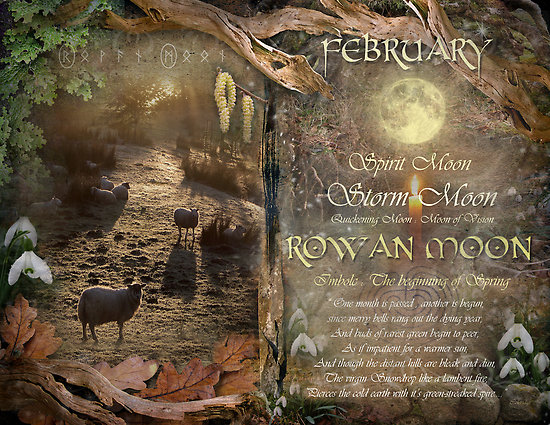
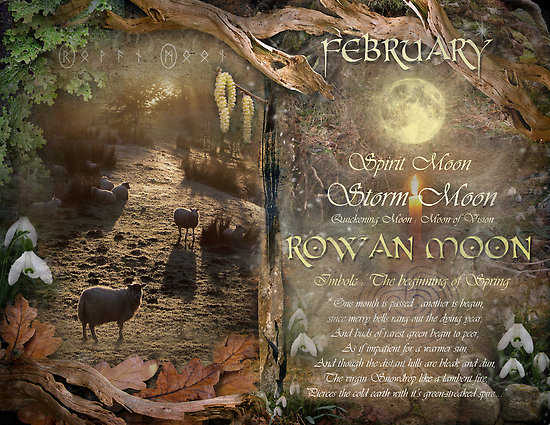
The Energies of February

Crooked Bear Creek Organic Herbs's avatarGood Witches Homestead

As February begins, we find ourselves feeling a little bemused as to how January has managed to slip past quite so fast but definitely enjoying the lengthening daylight hours and the promise they hold that spring is not too far away. Before we get to that though, February seems set on living up to its reputation as being one of the coldest months of winter with low temperatures and snow on the menu for most of us for the next little while.

The start of February is the midpoint between the December solstice and the March equinox, an occasion traditionally marked by the Celtic fire festival Imbolc, a celebration that honors the slowly returning light in the northern hemisphere. The corresponding festival for those in the southern hemisphere is Lammas, which traditionally celebrates the gathering in of the first fruits of the year’s harvest.  Chinese New Year will be celebrated…

View original post 1,221 more words

How to help an Author: Leave a Review — In so many words

I saw this on Charles Delint’s Facebook page and it’s so very true. This is why I leave reviews on Goodreads for the books I read. It doesn’t matter if the author is well established or just starting out. Reviews help get books moved on up the charts. Reviews help books get past the initial…

via How to help an Author: Leave a Review — In so many words

Learn About the Incredibly Nourishing Oil for Hair, Skin and Nails: Hemp Seed Oil

Uranus In Taurus (2018-2026)

Herbs that Boost Collagen Naturally

Can This Wild Edible Mushroom Cause Cancer? Here’s What I Discovered

Greetings!

Classifying wild mushrooms as edible or not edible isn’t as straightforward as one may think.  Confusing matters even more, the labels edible and poisonous aren’t always clearly defined either.

Take the mushroom pictured above, for example.

Its name is the Late Fall Oyster, and this wild mushroom is listed in many field guides as edible.  It’s no surprise, then, that countless hungry mushroom enthusiasts forage and eat the Late Fall Oyster every year.

However, if you do a little digging around online, you’ll eventually encounter the warning that the Late Fall Oyster is potentially carcinogenic.  Consequently, many people recommend against eating this fungus due to the possibility that it may contain cancer-causing compounds.

I’ve heard both sides of the story, and having eaten the Late Fall Oyster in the past, I was recently inspired to discover any “truth” to this issue.  After a little bit of work and research, I received some answers.

If you’d like to learn more about the controversial status regarding the Late Fall Oyster’s edibility, check out the brand new video!

If you love Eastern Skunk Cabbage, thank a fungus!  It may not seem obvious, though fungi contribute immensely to the health and success of wetland habitats.  To learn more about this intimate relationship between two very different organisms, check out the recent Instagram post!

Thanks for reading and watching, and as always, thank you for your support!

-Adam Haritan