Primrose; The Flower of February

Crooked Bear Creek Organic Herbs's avatarGood Witches Homestead

COMMON NAME:  primrose
GENUS:  Primula
SPECIES, HYBRIDS, CULTIVARS:
P. denticulata-lavender, purple, or white flowers; grows to 12 inches. P. japonica ‘Millar Crimson’-flowers whorled around 24-inch stem; blooms May-June. P. polyanthus-best known; colors are red, pink, blue, gold, and white, all with small yellow eyes.
FAMILY:  Primulaceae
BLOOMS:  spring
TYPE:  perennial
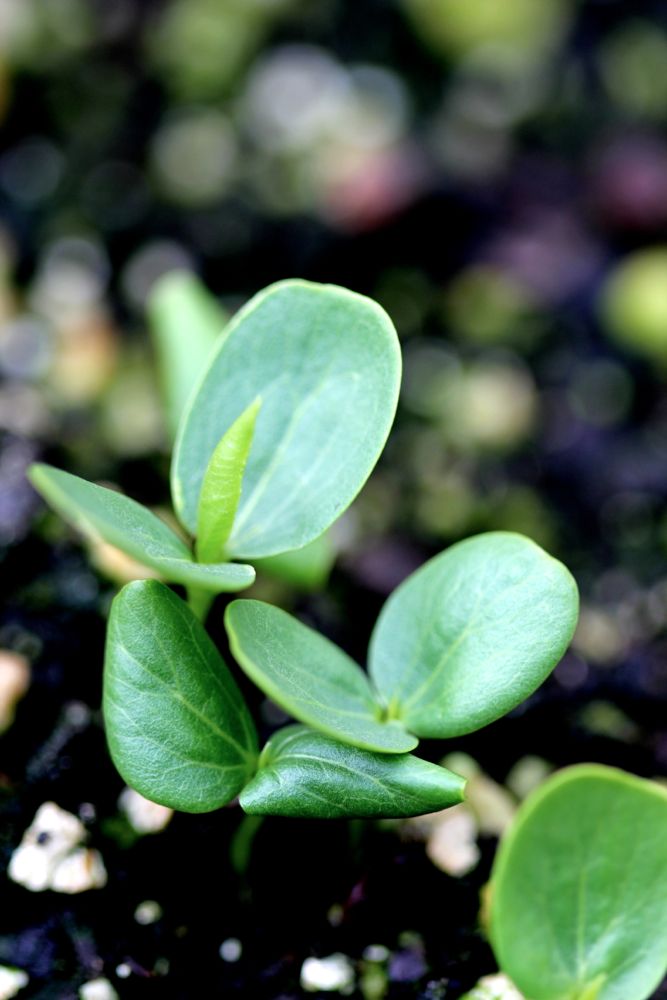
DESCRIPTION:  Primroses form an attractive rosette of crinkly, light green leaves. The flowers are generally brightly colored and occur in tight bundles on individual stems above the leaves.
CULTIVATION:  Needing partial shade, primroses thrive in well-drained, rich soil. They are indigenous to cool, moist meadows and woodland environments  Duplicating these conditions as closely as possible will create the best growing conditions for primroses. The soil should not be allowed to dry completely. To retain vigorously blooming plants, divide clumps every four to five years. Seeds should be sown in midsummer for bloom the following spring.

Primrose is beloved…

View original post 705 more words

Energy Work: Calling Down Energy

Energy Work: Energy Breathing

Energy Work: Grounding

Energy Work: Centering

5 Things You Didn’t Know About Cardamom

Crooked Bear Creek Organic Herbs's avatarCrooked Bear Creek Organic Herbs

f you have ever tasted Biryani (Indian flavored savory rice) or kheer (Indian rice pudding) or the famous Finnish pulla, you would probably identify the aroma of cardamom. The sweet and mystical spice was used by the Greeks and Romans in their perfumes and the ancient Egyptians as mouth fresheners. Even today, Cardamom (green) is one of the most expensive spices. It’s not just native to the South-East Asian belt, it’s increasingly used in Europe as well.

1- Cardamom, ginger, and turmeric belong to the same botanical family Zingiberaceae: cardamom is part of the Zingiberaceae family and is sold in pods, seeds, and powder form. The pods can be split open to expose the aromatic seeds. Both turmeric and ginger are roots, or rhizomes, while cardamom is the seed of the plant. It pairs very well with turmeric and ginger. Turmeric imparts a deep yellow color to curries, ginger…

View original post 766 more words

From Winter to Spring

How the Ouija Board Got Its Sinister Reputation

By now, most have vague notions of the Ouija board horror narrative, in which demonic spirits communicate with – even possess – kids. Director Mike Flanagan furthers this trope in his new film ‘ Ouija: Origin of Evil .’ Set in 1967, a widow and her daughters earn a living scamming clients seeking to contact dead loved ones. The family business is relatively harmless until the youngest daughter discovers an old Ouija board, attempts to contact her deceased father and instead becomes possessed by evil spirits.

The Ouija Board Didn’t Always Have a Sinister Reputation

In fact, the Ouija board developed out of Spiritualism, a 19th-century movement known for its optimistic views about the future and the afterlife. As Spiritualism’s popularity waned, the Ouija board emerged as a popular parlor game; it was only in the 20th century that the Catholic Church and the horror movie industry rebranded the game as a doorway to the demonic.

Spiritualist Origins

The Spiritualist movement is  often said  to have begun in Hydesville, New York in 1848 when two sisters, Kate and Maggie Fox, reported hearing a series of mysterious raps in their tiny home. No one could discern where the raps were coming from and they manifested in other houses the sisters visited. With no apparent source, the raps were attributed to spirits and they appeared to respond to the sisters’ questions.

The Fox sisters became overnight celebrities and Spiritualism, a religious movement based on communicating with the dead, was born. Spiritualism spread across the Atlantic and into South America, but its popularity surged in the wake of the Civil War. The bloodiest war in American history had left many grieving families longing for ways to speak with their lost loved ones and many sought comfort from spirit ‘mediums’ – people like the Fox sisters who could allegedly talk to the dead. In 1893  Spiritualism became an official religious denomination and in 1897 The New York Times reported that Spiritualism had eight million followers worldwide.

Spiritualism was equated by some Christians with witchcraft. This 1865 broadsheet, published in the United States, also blamed spiritualism for causing the American Civil War. (Anthon.Eff / Public Domain)
Spiritualism was equated by some Christians with witchcraft. This 1865 broadsheet, published in the United States, also blamed spiritualism for causing the American Civil War. (Anthon.Eff  Public Domain )

View original article at: Ancient Origins How The Ouija Board Got Its Sinister Reputation

Herb of the Month; Cardamom – The Queen of Spices

Crooked Bear Creek Organic Herbs's avatarCrooked Bear Creek Organic Herbs

Cardamom is the Queen of Spices and has grown lavishly under the tropical canopy on hillsides in the Ghat Mountains on the Malabar Coast of southern India to be harvested by hand and shipped around the world.  The cardamom familiar to India and the western world is called green cardamom and it, along with several other types such as giant cardamom, black cardamom, and bastard cardamom, have been used for cooking, perfumery, incense, and medicine since very early in history.

Ancient Egyptians used it frequently for perfume along with frankincense, myrrh, cinnamon, and cassia, and had a recipe for an ointment called “Oil of Lilies” that included the scent from 1000 lilies. It is often mentioned as one of the ingredients of the ancient incense kyphi. Cardamom essential oil is one of the oldest essential oils known in perfumery and in the apothecary. Cardamom is the third most expensive spice after saffron…

View original post 3,341 more words

Aromatic Herb for February; Tansy

Crooked Bear Creek Organic Herbs's avatarGood Witches Homestead

Tansy {Tanacetum vulgare}

Tansy is an upright herb with a crown of bright yellow clustering flowers. It is a member of the Asteraceae family and is also known as common tansy, bitter buttons, cow bitter, mugwort, and golden buttons. It grows to a height of three feet and produces pinnate, lance-shaped leaves that are uniformly toothed. Its button-shaped flowers sit atop erect, reddish stems.

EXCLUSIVE! Get 15% Off Blue Tansy Oils at Plant Therapy! Use Code “SPOTLIGHT33” and Save! HURRY, Offer Ends 2/14! (Limit 1 Per Customer)EXCLUSIVE! Get 15% Off Blue Tansy Oils at Plant Therapy! Use Code

Native to Europe and Asia – and of possible Asian origin – the plant was likely first cultivated as a medicinal herb by the Greeks. In the eighth century, it grew in the herb gardens of Charlemagne and at the Abby of Saint Gall in present-day Switzerland, now a UNESCO World Heritage Site. At that time, it was used to treat…

View original post 458 more words