Wild Spring Greens: A Superfood Recipe Round-up! — Gather Victoria

Today there is a huge demand for antiviral and immune-supportive herbs amid growing concern over COVID-19. Many are sold right out as herbalists scramble to get packages out. But don’t worry – I’ve got good news – the wild spring greens are here! Jam-packed with “nutraceuticals” known to have antiviral, antibiotic, anti-inflammatory, immune supportive and…

via Wild Spring Greens: A Superfood Recipe Round-up! — Gather Victoria

Food as Medicine: Black Elderberry (Sambucus nigra, Adoxaceae)

Crooked Bear Creek Organic Herbs's avatarCrooked Bear Creek Organic Herbs

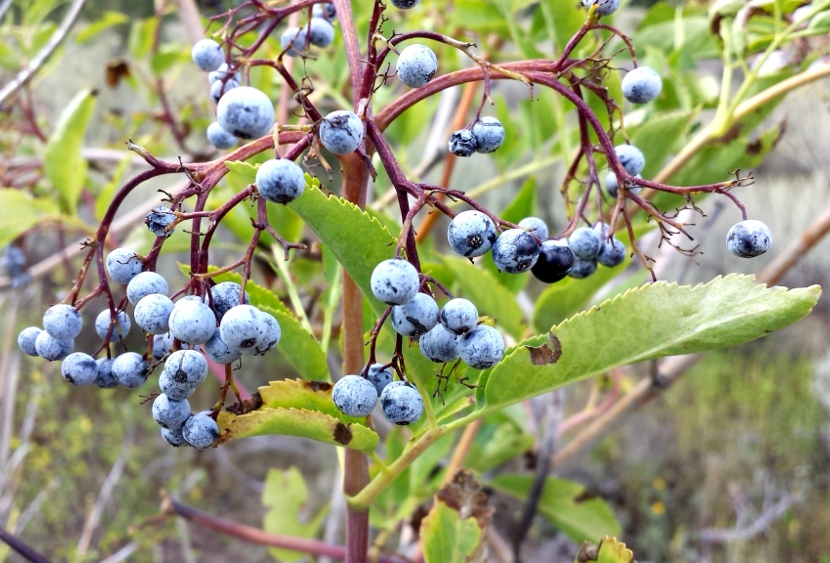
Plants commonly known as elder belong to the genus Sambucus and consist of 20-30 species of deciduous trees and shrubs in the Adoxaceae, or moschatel, family.1-3 Sambucus species are native to forested temperate and subtropical climates and grow to an average height of 32 feet (10 m).1,3 Elder shrubs have light brown or gray stippled bark and narrow, dark green pinnately compound leaves with five to nine toothed leaflets.2,4 In early summer, elder plants produce flat to roundish clusters of tiny, cream-white, saucer-shaped flowers. Depending on the species, the clusters of small fruits, botanically characterized as drupes, are blue-black, black, or red (and rarely, yellow or white).2,3 The only elder species with a history of culinary use are those that produce blue-black or black fruits. Elder species are highly adaptable and readily naturalize in an area, making them potentially invasive outside their native range.3 This…

View original post 3,417 more words

Health Benefits of Chaga Mushroom

Crooked Bear Creek Organic Herbs's avatarCrooked Bear Creek Organic Herbs

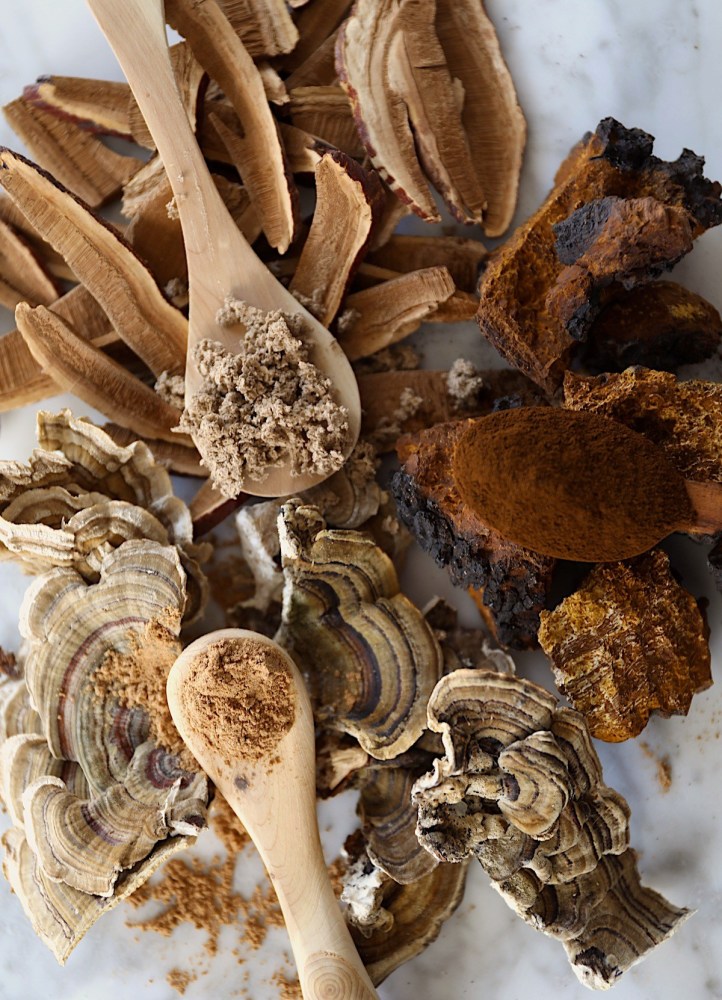
Chaga mushrooms contain a wide variety of vitamins, minerals, and nutrients.
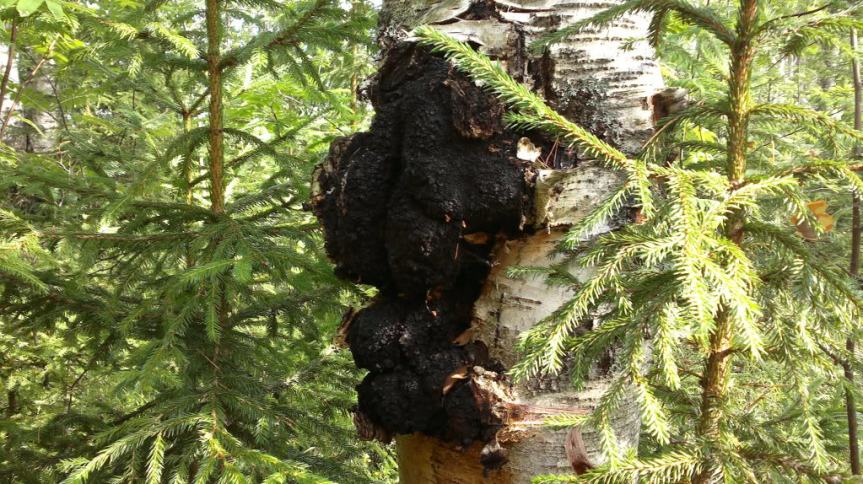
The Chaga mushroom grows on birch trees throughout the northern hemisphere. It resembles a dark clump of dirt more than a mushroom but is distinguished from other growths by its orange tissue.

Doctors, alternative medicine advocates, and researchers are increasingly interested in the potential health benefits of the Chaga mushroom (Inonotus obliquus). Some studies on Chaga mushrooms have yielded promising results.
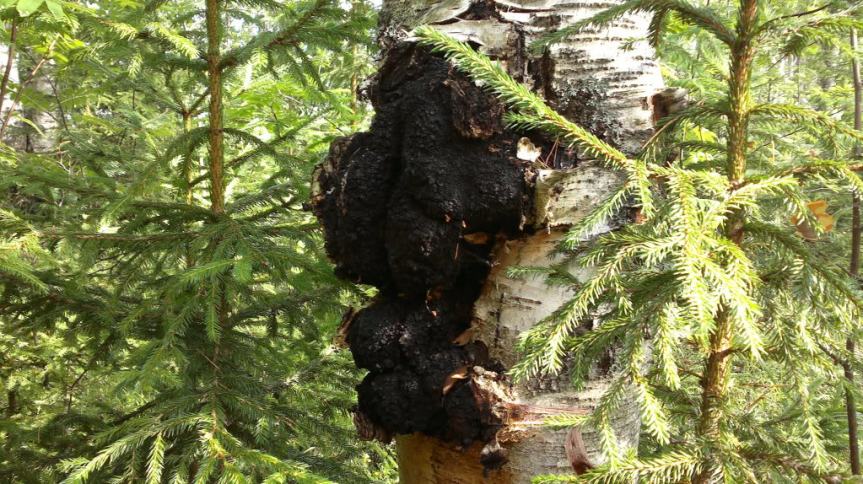
chaga

Nine potential benefits

In this article, we look at the potential health benefits of Chaga mushrooms and the research behind the claims.

1. Nutrient-dense superfood

Chaga mushrooms are rich in a wide variety of vitamins, minerals, and nutrients, including:

  • B-complex vitamins
  • vitamin D
  • potassium
  • rubidium
  • cesium
  • amino acids
  • fiber
  • copper
  • selenium
  • zinc
  • iron
  • manganese
  • magnesium
  • calcium

2. Preventing and fighting cancer

Some studies suggest that Chaga mushrooms may slow the growth of certain cancer cells.

Increasingly, researchers are taking…
View original post 2,189 more words

Early Season Scouting For Morel Mushrooms

Greetings!

Few sights are more enticing to the spring mushroom hunter than a morel mushroom.

So beloved is this iconic fungus that annual festivals are held in its honor, earrings are crafted in its image, and two babies per one million born are given its name.

Morels, more so than any other fungus, and for reasons both known and unknown, have come to epitomize spring mushroom hunting.

In anticipation of the long-awaited morel mushroom season, I thought I would head to the woods early to scout out potential hot-spots.  While doing so, I decided to document the experience and discuss some of the conditions I’ll be looking for in a few weeks.

If you are interested in tagging along with me as I explore several different habitats for these highly prized — yet oftentimes elusive — fungi, check out the brand new video!


I was a recent guest on the Publicly Challenged podcast hosted by Lucas Oswald.  In this conversation, we discuss foraging for mushrooms, hunting for meat, the value of older mentors, what’s going on behind the camera, and much more.  Here are a few ways to listen:

Thanks for reading and watching… and as always, thank you for your support!

-Adam Haritan

How to Make Elderberry Syrup — Richo’s Blog

According to herbalists, Elderberry syrup is a great preventive for colds and flus, an antiviral (helps prevent viruses from replicating) and immune stimulant. European Black Elderberries (Sambucus nigra) are the best type to use. Here is a simple recipe for making the syrup at home: 1) Use one cup (appx 100g) of dried black elderberries.…

via How to Make Elderberry Syrup — Richo’s Blog

The Mushroom Course Giveaway – Herbal Academy

Crooked Bear Creek Organic Herbs's avatarGood Witches Homestead

PRE-REGISTRATION OPENS MARCH 17TH

Take a journey into the hidden kingdom of fungi with The Mushroom Course by Herbal Academy! Discover what makes a mushroom a mushroom and the ways that fungi interact with other living beings. The Mushroom Course will teach you how to discover, differentiate, and forage for mushrooms safely, but that’s not all! These lessons are jam-packed with wisdom on using and preparing mushrooms as both foods and herbs, whether foraged, cultivated, or purchased, to promote wellness.

  • Explore the visual characteristics of mushrooms and learn how to use identification keys.
  • Learn tips and tools for identifying mushrooms, and when it is appropriate and safer to leave identification to the experts.
  • Get up-close and personal with fungi in our mushroom walk videos. We’ll even get you started cultivating useful mushrooms in your own backyard!
  • Dive into the ethics, safety, and techniques of mushroom foraging.
  • Get familiar with…

View original post 67 more words

Saving Trees with Tree-Eating Mushrooms (new video!)

Greetings!

If you could imagine for one moment a mushroom-less world, you’d probably agree that this fantasy land would certainly not resemble the one we inhabit today.

In almost every ecosystem, fungi thrive and engage in countless roles indispensable to the health of every resident organism.

Perplexingly, many fungi also have the ability to shift roles in an ecosystem and instead undermine the health of resident organisms, ultimately contributing to their demise.

One model group of fungi with the ability to perform multiple (and seemingly contradictory) roles in forests is the Armillaria genus of fungi.

Armillaria fungi produce honey mushrooms, and while mycophagists celebrate the appearance of these early autumn treasures, honey mushrooms spell trouble for many foresters and homeowners.

As it turns out, mycelia of honey mushrooms can infect living trees and eventually destroy their roots and lower trunks.  This disease is known as “Armillaria root rot” and it occurs throughout the temperate and tropical regions of the world.

I recently received a great question from an arborist who was interested in combatting Armillaria infection particularly by using other fungi as a means of control.

Interestingly, there are numerous studies on the ability of mushrooms to treat and prevent Armillaria infection, and this fascinating topic is one that I explore thoroughly in the following video.

If you are interested in learning how tree-eating mushrooms can paradoxically save trees infected with fungi, check out the brand new video!


Speaking of trees, the time in which we can analyze and appreciate their winter buds is slowly dwindling.  Pictured here are four different broad-leaved species.  Do you recognize any of them?  Check out this recent Instagram post to learn more!

Thanks for reading and watching… and as always, thank you for your support!

-Adam Haritan

Mushrooms, Mexico, & Molecular Mycology (new video!)

“An investment in knowledge always pays the best interest.”

Upon discovering these words from Ben Franklin years ago, I quickly realized the extraordinary value of investing in one’s education.  A casual look at my bookshelves, notebooks, and study habits over the years easily confirms this.

What does all of this have to do with nature?

Almost everything.

As a way of learning nature skills, I am a big proponent of investing in quality education.  While I believe that books and websites are excellent learning tools, I feel that in-person training from exceptional educators is an often overlooked yet essential strategy for acquiring information.

This is why I am a huge fan of attending educational events, and why I recently drove to central Pennsylvania to study with a visiting mycologist from Oakland, California.

This mycologist, whose name is Alan Rockefeller, is an expert on the topic of DNA sequencing and he travels all over North America studying and teaching classes on mushrooms.

I acquired an incredible amount of value during Alan Rockefeller’s event and decided to document the experience.  If you are interested in learning more about Alan’s work, and especially about the motives behind one man’s devotion to kingdom Fungi, check out the brand new video!


A recent trip to a living American chestnut tree brought me directly to two late winter mushroom species.  While snapping a few photographs, I could not help but think that — as paradoxical as it sounds — without fungi, perhaps the lone, living American chestnut tree would not exist at all.  You can read more about these thoughts (and two mushrooms) on Instagram.


Thanks for reading and watching… and as always, thank you for your support!

-Adam Haritan

Attack Of The Invasive Asian Beauty Fungus (new video + Q&A opportunity)

Greetings!

Over the past few years, I’ve received countless emails and messages with lots of great questions pertaining not only to plants, mushrooms, and trees… but also to my background, study habits, and thoughts on a particular subject.

As a way of making this information available to more people, I thought I’d film a video dedicated solely to answering your questions.

If you have a particular question that you’d like me to answer, simply reply to this email and let me know.  I can’t promise that I’ll be able to answer every question, though I’ll do my best to address as many as I can!

Again — all you have to do is hit “reply” to this email to ask your question.  The Q&A video will be filmed sometime in February.

Moving forward, let’s discuss a lesser-known subject within the discipline of invasion ecology.

Fungi.

When fungi are mentioned in the context of invasion ecology, we usually read about the effects of invasive plants and animals on native fungi.

But what about fungi as invaders?  Are there such things as invasive mushrooms?

According to most ecologists, the answer is a resounding “yes.”  Fungi certainly have the ability to leave their native dwellings and establish themselves in new ecosystems… oftentimes, and not surprisingly, with the help of humans.

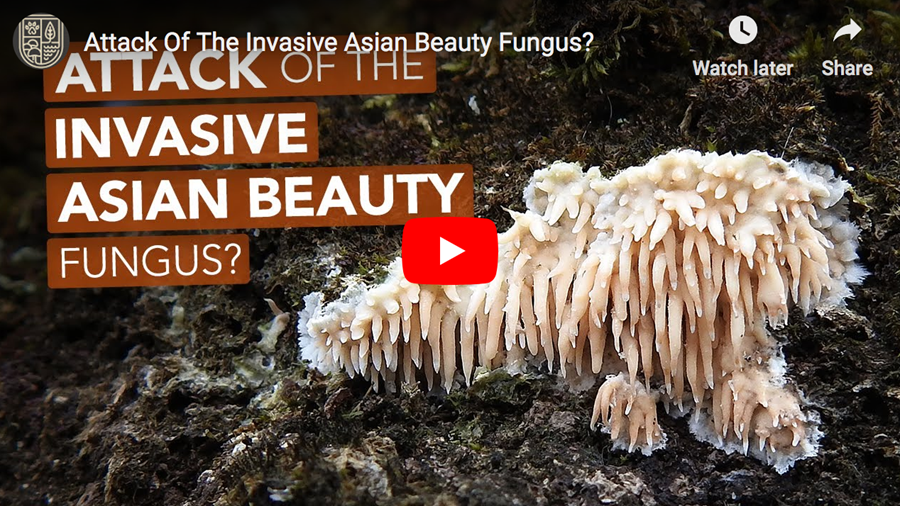
One such fungus with the perceived ability to travel the world is the Asian Beauty.  Native to Asia, this fungus was first documented in North America only 10 years ago.

Could this fungus be an invasive species?  Or have we simply been overlooking its presence on the North American continent for centuries?

That’s the topic of this week’s brand new video, so if you’re interested in learning more about the wayfaring fungus known as the Asian Beauty  — and about the broader topic of invasive mushrooms — check it out!


Winter is a great time to observe common plants wearing new outfits.  Tall Thimbleweed is one such species whose winter plants scarcely resemble their summer counterparts, though many people would agree that Tall Thimbleweed is most attractive during the coldest months of the year.  Have you seen Tall Thimbleweed lately?  Check out this Instagram post to learn more!

Thanks for reading and watching, and if you have a question that you’d like me to answer on video, hit reply and let me know!

-Adam Haritan

Mushroom Colors & The Surprising Stories They Tell (new video!)

Anyone who has ever walked through the forest knows how colorful mushrooms can be.

Red, purple, blue, green, yellow, black, white… it seems that just about every color is represented in the fungal kingdom.

But have you ever asked yourself “Why?”

Why are mushrooms so colorful?  What’s the reasoning behind coloration within the fungal kingdom?  Why are some mushrooms highly pigmented while others are seemingly drab?

Fortunately, a new study has given us some answers based on trends spanning 40 years and over 3 million observations of mushrooms.

Needless to say, the results of this study are quite fascinating!

If you’re interested in hearing some surprising stories that the colors of mushrooms can tell, check out the brand new video!


I was a recent guest on the Awake Aware Alive⁣⁣⁣⁣⁣ Podcast hosted by Jacob Gossel.  In this interview, we discuss foraging for food, nature connection, my thoughts on hunting, and lots more!


Lastly (and this may pertain more to PA folks, though anyone can certainly help!), you can support a fantastic organization in Pennsylvania by voting for Pennsylvania’s River Of The Year and selecting “Buffalo Creek.”  This waterway is stewarded in part by the Audubon Society Of Western Pennsylvania and is designated an Important Bird Area due to species of concern that inhabit the area.  If Buffalo Creek receives the most votes, the Audubon Society will be awarded a grant to expand their conservation impact in this high-quality watershed.  To show your support, click this link and select “Buffalo Creek.”  It only takes a few seconds!

Thanks for reading and watching (and casting a vote if you did!), and as always, thank you for your continued support.

-Adam Haritan