

Greetings,
Some plants are easy to find. Other plants require time, turnpike tolls, and chance encounters with botanists’ field notes in order to pinpoint their precise locations.
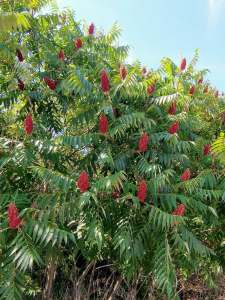
Buffalo Nut, an understory shrub with a rather bizarre lifestyle, falls into the latter category.
My first encounter with Buffalo Nut took place more than 5 years ago. Since that initial sighting, I had never seen the plant again.
A few weeks ago, I came across a list of plants that a few botanists had compiled regarding the flora of certain forests. One of those forests was located in the southwestern portion of the state, and one of the plants included on the list was the elusive Buffalo Nut.
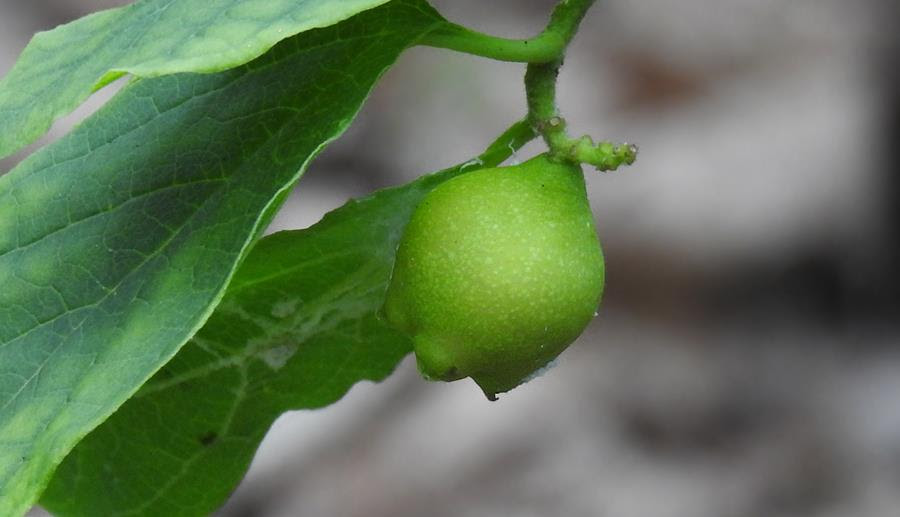
Intrigued, I decided to plan a visit to this forest in search of Buffalo Nut, though because I was quite unfamiliar with the area, I knew that I’d be embarking on a small-scale adventure. What excited me the most was finding its fruits, because years ago when I first discovered the plant, I had only witnessed it in flower.
The trip was planned, though the questions remained. Would I find the fruits? Would I even find the plant? Why are turnpike tolls so expensive?
In this brand new video, I recount the story of my recent adventure in search of an unassuming denizen of the forest.
Click here to watch the video.

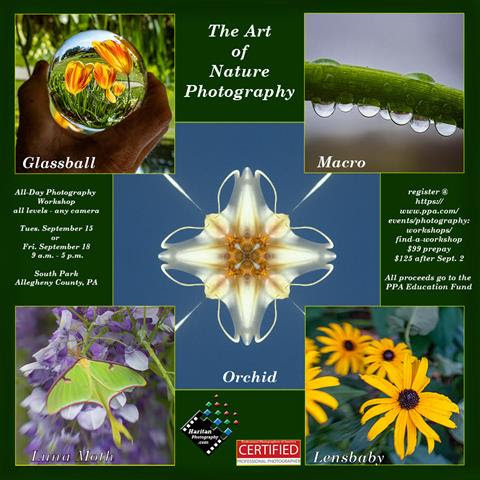
If you are interested in learning artistic nature photography skills, there are two upcoming opportunities to learn directly from an expert in the field. Michael Haritan (my father) is a photographer with over 30 years of experience. He will be teaching two separate classes in southwestern Pennsylvania (Allegheny County) on the techniques involved in using the camera to create images worthy of artistic merit. If you are interested in taking your photography skills to the next level, these all-day classes are definitely worth the investment.
Thanks for reading and watching, and thanks for your continued support!
-Adam Haritan

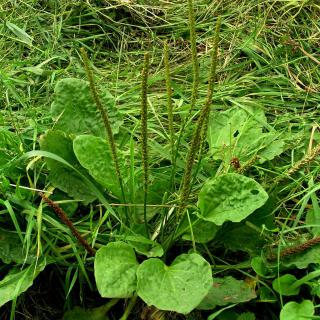 Weeds tell wonderful stories, and as we learn them, they take us on a journey to discover where they came from and how they came to be who they are today.


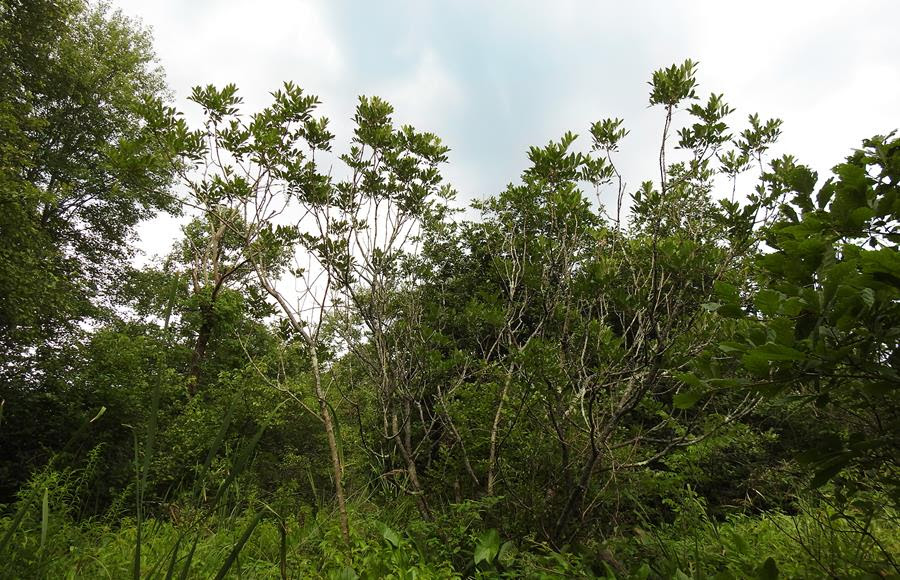



 While on a volunteer trip in Orlando, Florida, I was desperate for bug spray. In the middle of December, the mosquitoes nibbled on any exposed skin they could find, leaving me and the rest of the unprepared Maryland native participants with patches of red swollen bumps on our ankles and arms. Our guides, a retired couple who volunteers with the state parks, became our heroes on the second day of the trip. During our lunch break, the husband saunters over to us, carrying a branch from a nearby shrub and states, “This is spicebush. Crush its leaves and rub it onto your arms. Keeps the bugs away and helps the itch.” Immediately, we passed the branch around, ripped the leaves off the branch, crumpled them, and rubbed the lemon-peppery scented oil onto our skin.
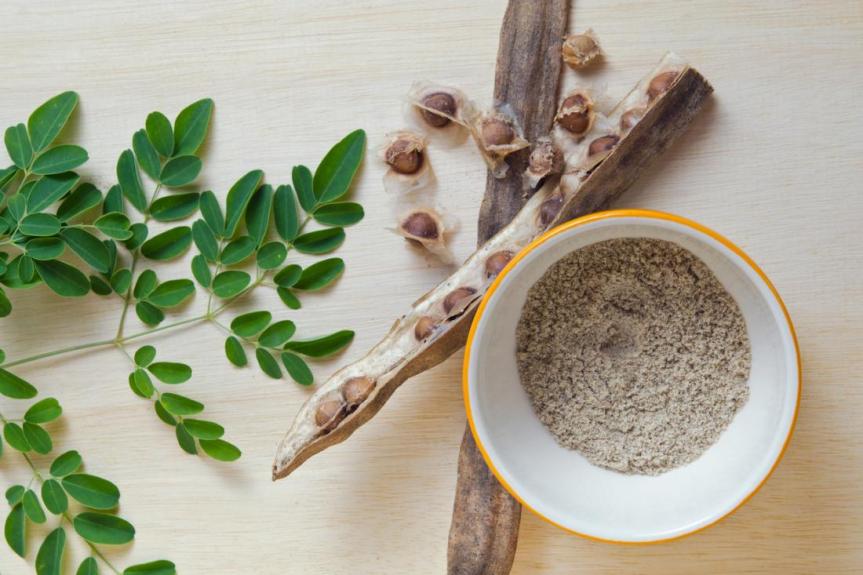

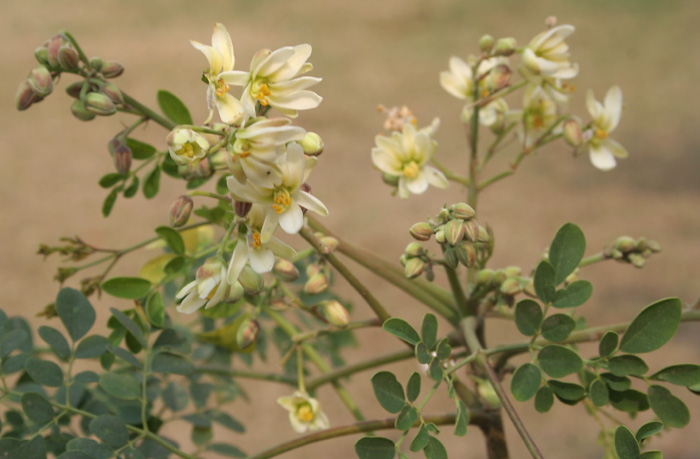 are endemic to Africa, and three species occur in India.1,2 Belonging to the Brassicales order, this plant family is distantly related to cruciferous vegetables like arugula (Eruca vesicaria ssp. sativa, Brassicaceae) and broccoli (Brassica oleracea var. italica, Brassicaceae) and contains many of the same nutrients and sulfurous phytochemicals.1,3 Moringa species grow as stout-stemmed trees or shrubs. Some species are known as bottle trees and have a large root system that enhances water storage and aids the trees’ survival during periods of drought.1 Members of the Moringa genus have corky gray bark and distinct bi- or tri-pinnately compound leaves that have conspicuous swellings, or pulvini, at…



 Paths I Walk
You must be logged in to post a comment.