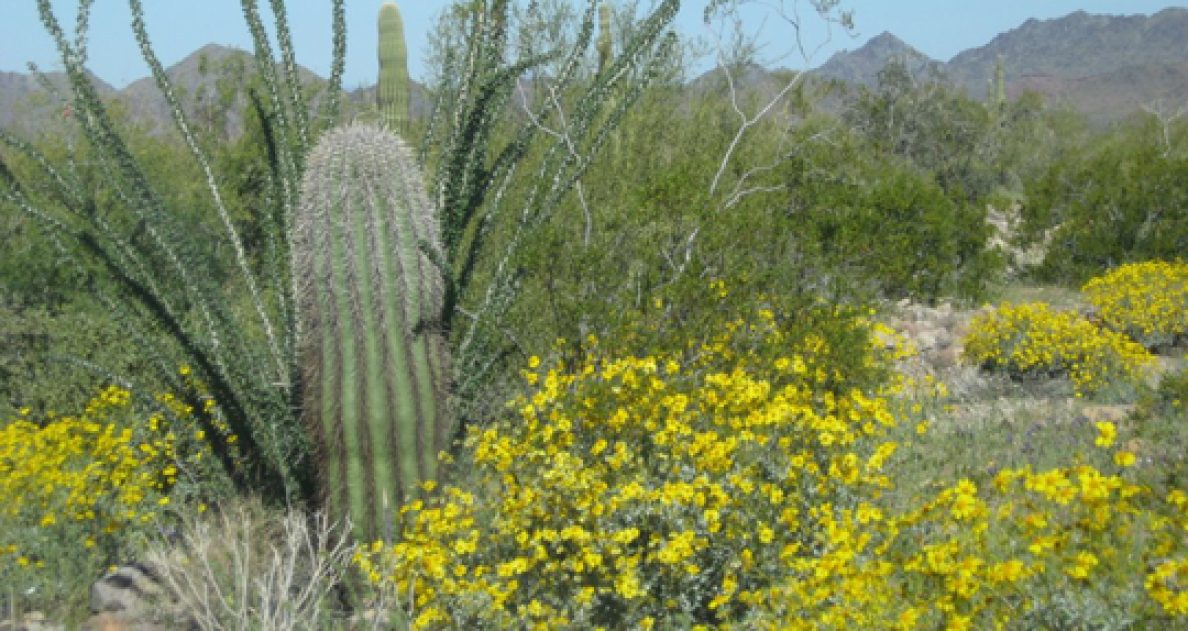

By Amanda Dix
(Blogmasters’ note: Experiencing craft beer is a high point for many connoisseurs these days. While beer in its various forms has been around for millennia, today’s brew-masters have taken beer to a whole new level by adding unique flavor combinations to their recipes. Capitalizing on that trend, many gardens and arboreta are incorporating special tasting events into their program repertoire that highlight the herbs that make each brew unique. Below are some of horticulturist and brewer Amanda Dix’s suggestions for upping your botanical beer game. Even if you don’t brew yourself, these might inspire you to try new things and understand how herbs are woven into this timeless beverage.)
Many culinary dishes and beverages are abundant with tropical herbs, spices, and fruit. Beer is no exception, and using unique ingredients alongside barley, hops, and yeast is very common these days.
When formulating a beer recipe, be sure…
View original post 510 more words
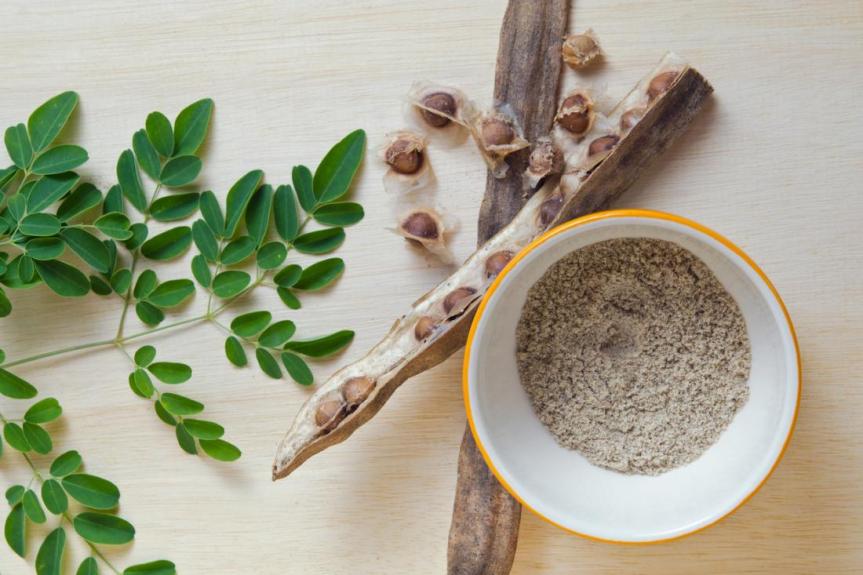

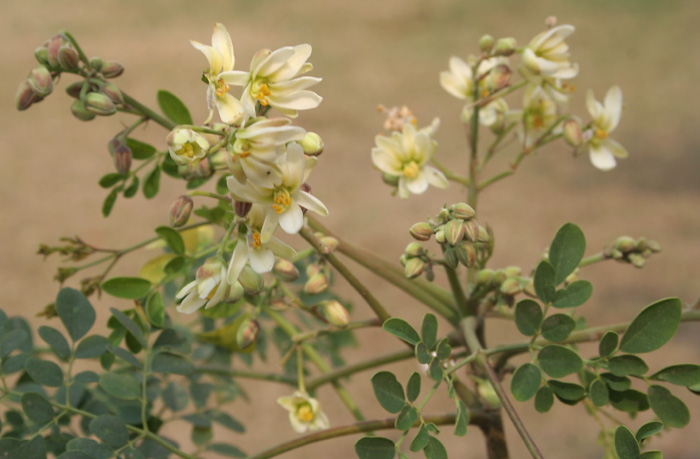 are endemic to Africa, and three species occur in India.1,2 Belonging to the Brassicales order, this plant family is distantly related to cruciferous vegetables like arugula (Eruca vesicaria ssp. sativa, Brassicaceae) and broccoli (Brassica oleracea var. italica, Brassicaceae) and contains many of the same nutrients and sulfurous phytochemicals.1,3 Moringa species grow as stout-stemmed trees or shrubs. Some species are known as bottle trees and have a large root system that enhances water storage and aids the trees’ survival during periods of drought.1 Members of the Moringa genus have corky gray bark and distinct bi- or tri-pinnately compound leaves that have conspicuous swellings, or pulvini, at…
 Pepppercorn drupes. Photo credit: Missouri Botantical Garden


 Paths I Walk
You must be logged in to post a comment.