HSA Webinar: Exploration of Spice

The Herb Society of America's avatarThe Herb Society of America Blog

Sponsored by The New York Unit
by Jen Munson, HSA Education Chair

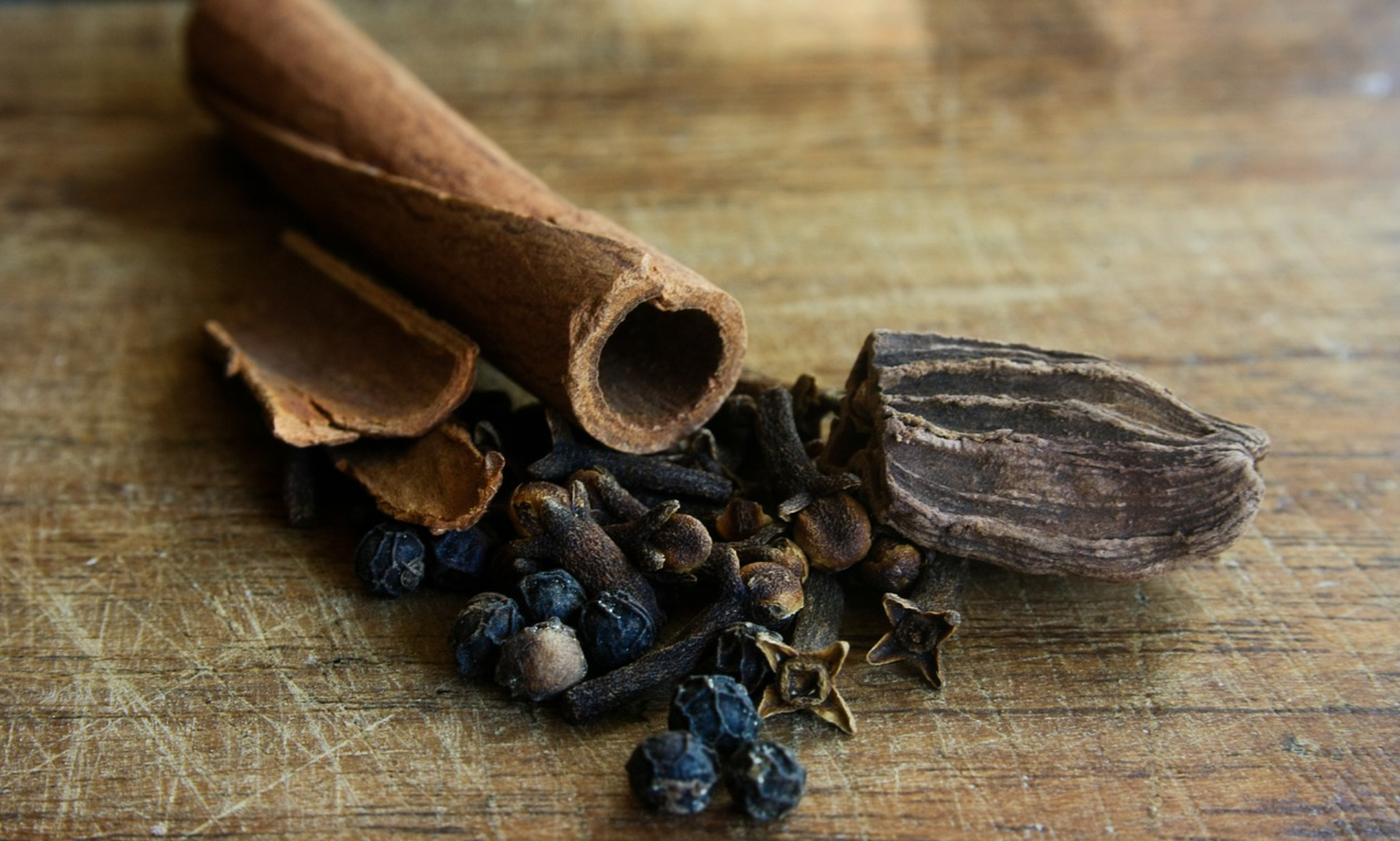
spice imageThe Herb Society embraces spices as herbs, but what distinguishes an herb from a spice? An herb is the leafy part of a plant, whereas a spice is the “hard” part. So, herbs might include oregano, sage, rosemary, sorrel, and basil, to name a few. Spices, on the other hand, include the bark, root, or seed…think of cinnamon, black pepper, cloves, and nutmeg. Notable exceptions to the herb vs. spice conversation are coriander and dill. Coriander and dill seed are the seeds of the cilantro and dill plants, respectively. 
While herbs take the culinary spotlight for delivering immense flavor to our food, spices often get relegated to fall holidays when cinnamon, allspice, and other favorite spices get used. However, spices can be enjoyed year-round to ramp up the flavor in food. To learn more, join us on Tuesday…

View original post 472 more words

Sacred Trees in the Americas – The Magic, Medicine, and Uses of the Tulip Poplar (Liriodendron tulipifera)

Dana's avatarThe Druid's Garden

One of the most majestic experiences you can have with trees is being surrounded by old-growth Tulip Poplar trees.  Tulips grow extraordinarily tall and straight, with thick gray trunks and spreading roots. You feel like you are in a cathedral, standing under these magnificent trees. The tulip trees get their name both from the leaves–which are shaped like a tulip and from their flowers–beautiful, large, showy orange and yellow flowers that look just like a tulip. You can find these trees easily in June as the showy tulip leaves begin to drop to the forest floor. They are also easy to spot in the winter–you can look up and see the remains of the tulip flowers, gone to seed, throughout the winter months–they look like little cups reaching up to the heavens, a beautiful sight.

We have one such grove of tulip trees in a local park near here–a local…

View original post 2,603 more words

Free Webinar: Equity and Wild-Harvested Plants Co-Hosted by the FairWild Foundation – American Botanical Council

Crooked Bear Creek Organic Herbs's avatarCrooked Bear Creek Organic Herbs

We are happy to announce the next webinar in the Sustainable Herbs Program (SHP) Toolkit Webinar Series: Equity and Wild-Harvested Plants: Building Mutually Beneficial Relationships.

This webinar will discuss what it takes to create and maintain mutually beneficial long term trade relations among those wild-harvesting plants for the global supply network, including equitable sharing of the costs of sustainable production. The speakers will talk about what these trade relationships entail, the responsibilities of buyers, and the role of standards and certifications like FairWild.

Speakers include: Marin Anastasov, Sourcing Manager at Pukka Herbs; Peter Rangus, Business Development Manager of Arxfarm, Slovenia; and Bryony Morgan, Executive Officer of the FairWild Foundation. Guest discussants include: Krystyna Swiderska, Principal Researcher in IIED’s Natural Resources Group, and Elizabeth Bennett, Associate Professor of International Affairs, Lewis & Clark College.

Equity and Wild-Harvested Plants: Building Mutually Beneficial Relationships
Thursday, May 20…

View original post 29 more words

HSA Special Program: Foodscaping with Herbs

The Herb Society of America's avatarThe Herb Society of America Blog

by Jen Munson, HSA Education Chair

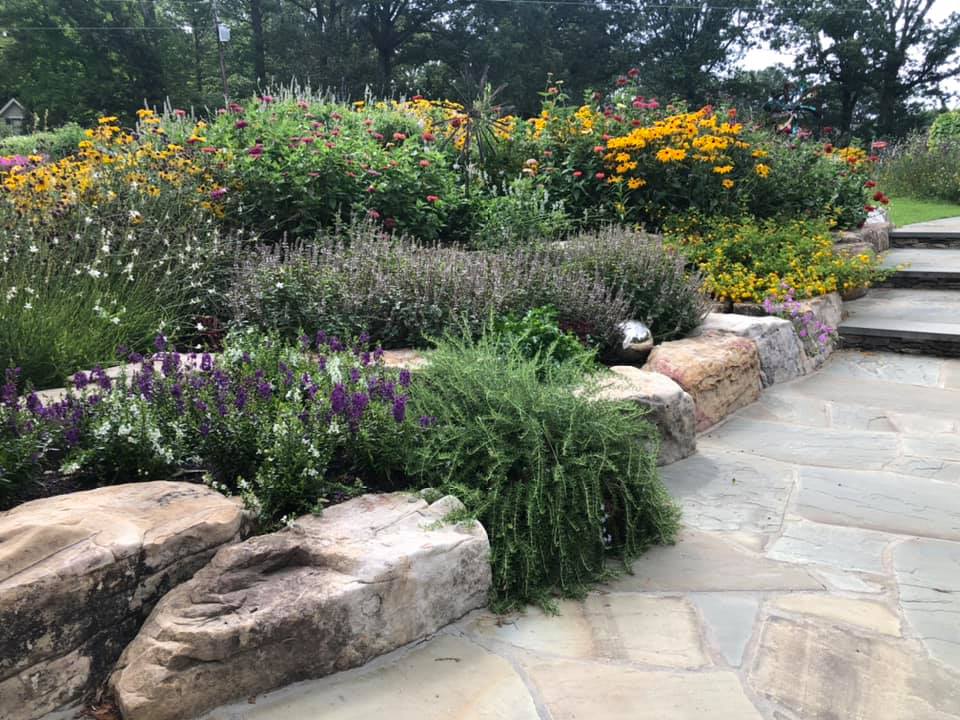
image-assetFoodscaping–it’s so simplistic. In its most basic form, it is landscaping with an edible twist. It’s the intersection of the purely ornamental garden with the purely edible or vegetable garden. Herbs, vegetables, berry-producing bushes, and fruit trees intertwine with ornamentals to become design elements. 
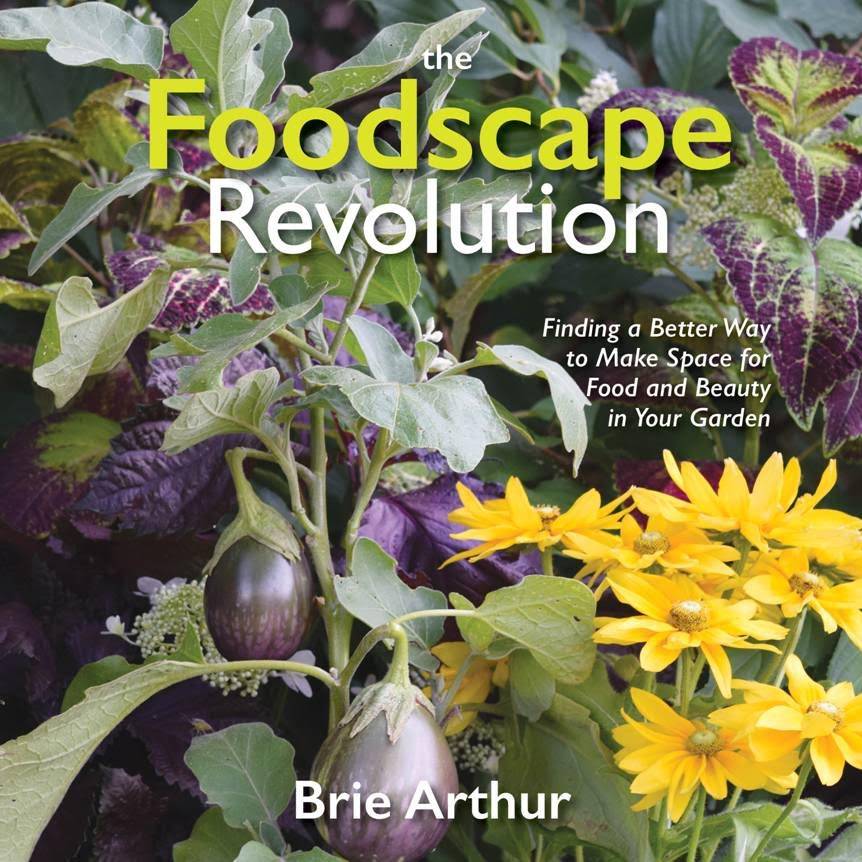
Join us for Foodscaping with Herbs with bestselling author Brie Arthur on Friday, May 14th from 12pm to 1:30pm ET. Brie will share creative ideas about foodscaping with herbs in this lively, virtual session. Lemongrass suddenly becomes a replacement for other tall grasses, providing beauty and enjoyment. Blend Thai basil with lemon basil for a stunning border. Use chives and garlic for structure and as natural pest deterrents. Discover how to plant beautiful and bountiful designs for year-round use, and learn easy-to-apply strategies to deter browsing mammals, including voles!

Brie Arthur - 2Food in our landscapes is not new. Cottage gardens and the…
View original post 309 more words

Land Healing at the Druid’s Garden: Replanting, Forest Healing, and Refugia Update

Dana's avatarThe Druid's Garden

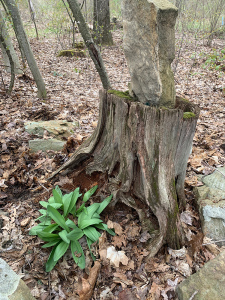
Ramps planted in my Grove of Renewal

Today I wanted to take some time to share some of the updates on the land healing and permaculture practices we are enacting at the Druid’s Garden Homestead.  As I’ve shared in earlier posts, when we purchased this land four years ago, the family who owned it just before us selectively logged about 3 acres, leaving the forest an absolute mess.  The land otherwise was perfect–we have our own spring, a nice sunny area for gardens….and three acres of land in desperate need of healing.  Since land healing is one of my primary forms of spiritual practice, I rolled up my sleeves and purchased the land! As this ongoing land healing project takes shape, I try to check in on the blog every once in a while to share new insights, techniques, and experiences.  Today I want to spend some time offering updates…

View original post 2,117 more words

What It Takes To Find Morel Mushrooms

Experience has shown me that morel mushroom hunting involves no less than three general factors.

Luck.

Like a first-time bowler who bowls a 200 game, some people find morel mushroom honey holes without even trying.

Skill.

This is a somewhat more predictable factor.  Without proper awareness of habitat, timing, and tree associations, a successful morel hunt will be impaired.

Persistence.

Any inveterate morel hunter will tell you that leg work is essential.  In order to consistently find, one must fearlessly seek.

During a recent excursion in the woods, I found several morels near elms and tulip poplars.  Instead of harvesting every mushroom and calling it a day, I decided to film a video and analyze the specific factors involved in finding such a bounty.

The following analysis parallels the specific points mentioned in the previous video (“6 Reasons You Can’t Find Morels”) in order to help you better locate these elusive fungi.

You can watch the brand new video here.

Experience has also shown me that encountering spring migratory birds can be just as exciting as finding morels.  This particular bird spent his winter in Central America and has recently returned to the wilds of Pennsylvania.  Have you seen him or heard his song?  Check out the latest Instagram post to learn more.Click to view post

I was a recent guest on the Awake Aware Alive podcast hosted by Jacob Gossel.  In this interview, we discuss many topics including how to read landscapes more effectively, the importance of learning directly from humans, and what I think about ticks.  You can listen to the interview through one of the following links:

Thanks for reading and watching, and thanks for your continued support!

-Adam Haritan

Pineapple Mint – Herb of the Month

The Herb Society of America's avatarThe Herb Society of America Blog

A Two-Color Mint

by Maryann Readal

The Herb Society of America’s Herb of the Month for May is pineapple mint, Mentha suaveolens ‘Variegata’.

With its lime green leaves edged with a creamy white ruffle, pineapple mint is a perfect plant for the spring garden. This mint is a variegated cultivar of apple mint (Mentha suaveolens). However, its taste and smell does not remind one of apple mint. It has a sharp initial taste that fades into a light fruity flavor. Like other mints, pineapple mint thrives in a moist, rich soil. It does well in sun or in partial shade. In the south, it may need to be grown in partial shade. Also similar to other mints, pineapple mint can be a fast spreader, so containing it in a pot is a good way to control its growth. It is a nice plant to add to a hanging…

View original post 588 more words

Spring Plantain Herbal Infusion | The School of Aromatic Studies — Crooked Bear Creek Organic Herbs

It’s finally spring and all around there are cleavers, violet flowers, chickweed, plantain, and a few other early spring medicinal plants in the area around us. I am sure if you look around your yard or in a field yet to be touched by modern-day‘ weed killers’ you will stumble upon plantain.  Today we… Continue […]

Spring Plantain Herbal Infusion | The School of Aromatic Studies — Crooked Bear Creek Organic Herbs

Bewitching Maibowle Cream Cake For Walpurgis Nacht (May Day Eve) – Gather Victoria

Crooked Bear Creek Organic Herbs's avatarGood Witches Homestead

Soon May Day Eve will be upon us – so I’m sharing this recipe posted last year at Gather Patreon. (Patrons will see a new recipe coming soon!) This Maibowle Cream Cake – made and…

Source: Bewitching Maibowle Cream Cake For Walpurgis Nacht (May Day Eve) – Gather Victoria

View original post

Welcoming Spring in the Year 1400

The Herb Society of America's avatarThe Herb Society of America Blog

By Zainab Pashaei

Haft-Sin tableI’m not talking about time travel. Nowruz—the equivalent of the New Year—was just celebrated on the spring equinox in Iran as well as in numerous other countries and among ethnic groups in the Middle East. In Iran, the first month of the year is called Farvardin, which began on March 20, 2021 (spring equinox). Although the year is specifically 1400 in Iran, Iranian traditions for Nowruz are thousands of years old and pre-date the emergence of Islam in the country. In contrast to Western nations, the importance of nature and spring plays a critical role in new year festivities of the nation. Many of these festivities are symbolic and involve herbs, nature, and light (fire).

JumpingDuring the festivities, which start on the Wednesday before the spring equinox, Iranians will gather and jump over fires and light fireworks in observance of Chaharshanbe Suri (loose translation =…

View original post 872 more words