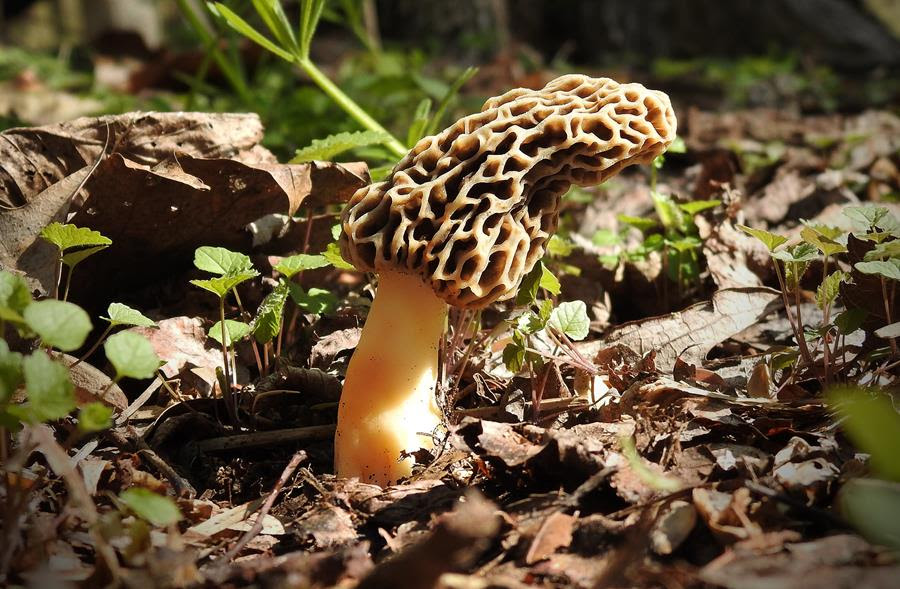

Experience has shown me that morel mushroom hunting involves no less than three general factors.
Luck.
Like a first-time bowler who bowls a 200 game, some people find morel mushroom honey holes without even trying.
Skill.
This is a somewhat more predictable factor. Without proper awareness of habitat, timing, and tree associations, a successful morel hunt will be impaired.
Persistence.
Any inveterate morel hunter will tell you that leg work is essential. In order to consistently find, one must fearlessly seek.
During a recent excursion in the woods, I found several morels near elms and tulip poplars. Instead of harvesting every mushroom and calling it a day, I decided to film a video and analyze the specific factors involved in finding such a bounty.
The following analysis parallels the specific points mentioned in the previous video (“6 Reasons You Can’t Find Morels”) in order to help you better locate these elusive fungi.
You can watch the brand new video here.

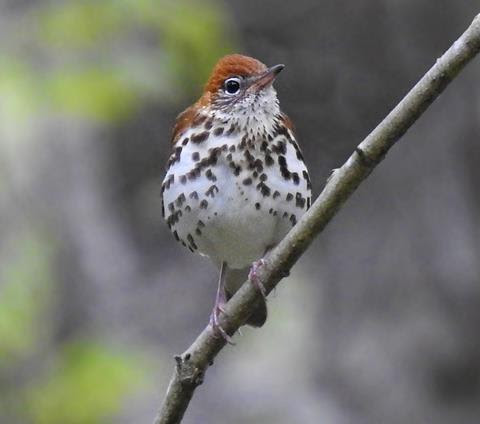
Experience has also shown me that encountering spring migratory birds can be just as exciting as finding morels. This particular bird spent his winter in Central America and has recently returned to the wilds of Pennsylvania. Have you seen him or heard his song? Check out the latest Instagram post to learn more.Click to view post

I was a recent guest on the Awake Aware Alive podcast hosted by Jacob Gossel. In this interview, we discuss many topics including how to read landscapes more effectively, the importance of learning directly from humans, and what I think about ticks. You can listen to the interview through one of the following links:
Thanks for reading and watching, and thanks for your continued support!
-Adam Haritan

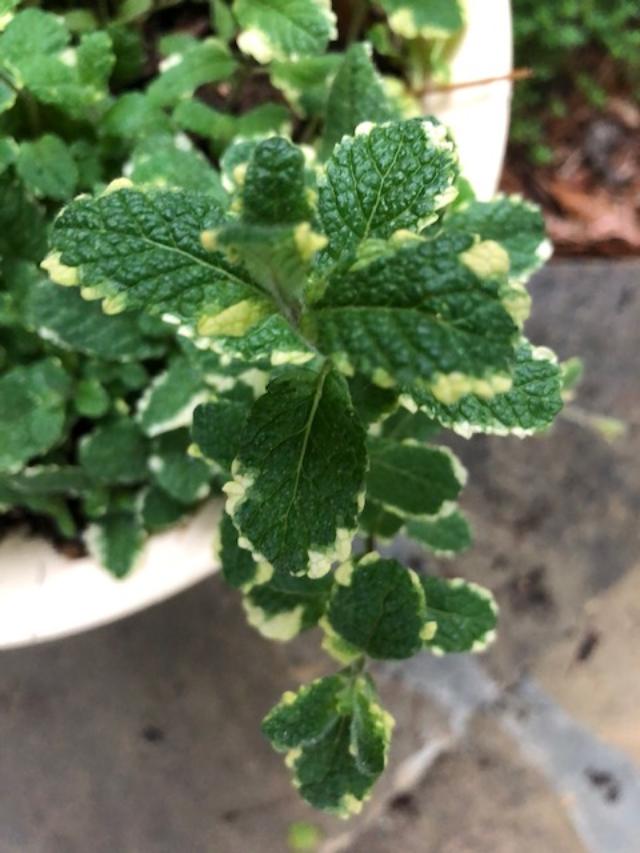 With its lime green leaves edged with a creamy white ruffle, pineapple mint is a perfect plant for the spring garden. This mint is a variegated cultivar of apple mint (



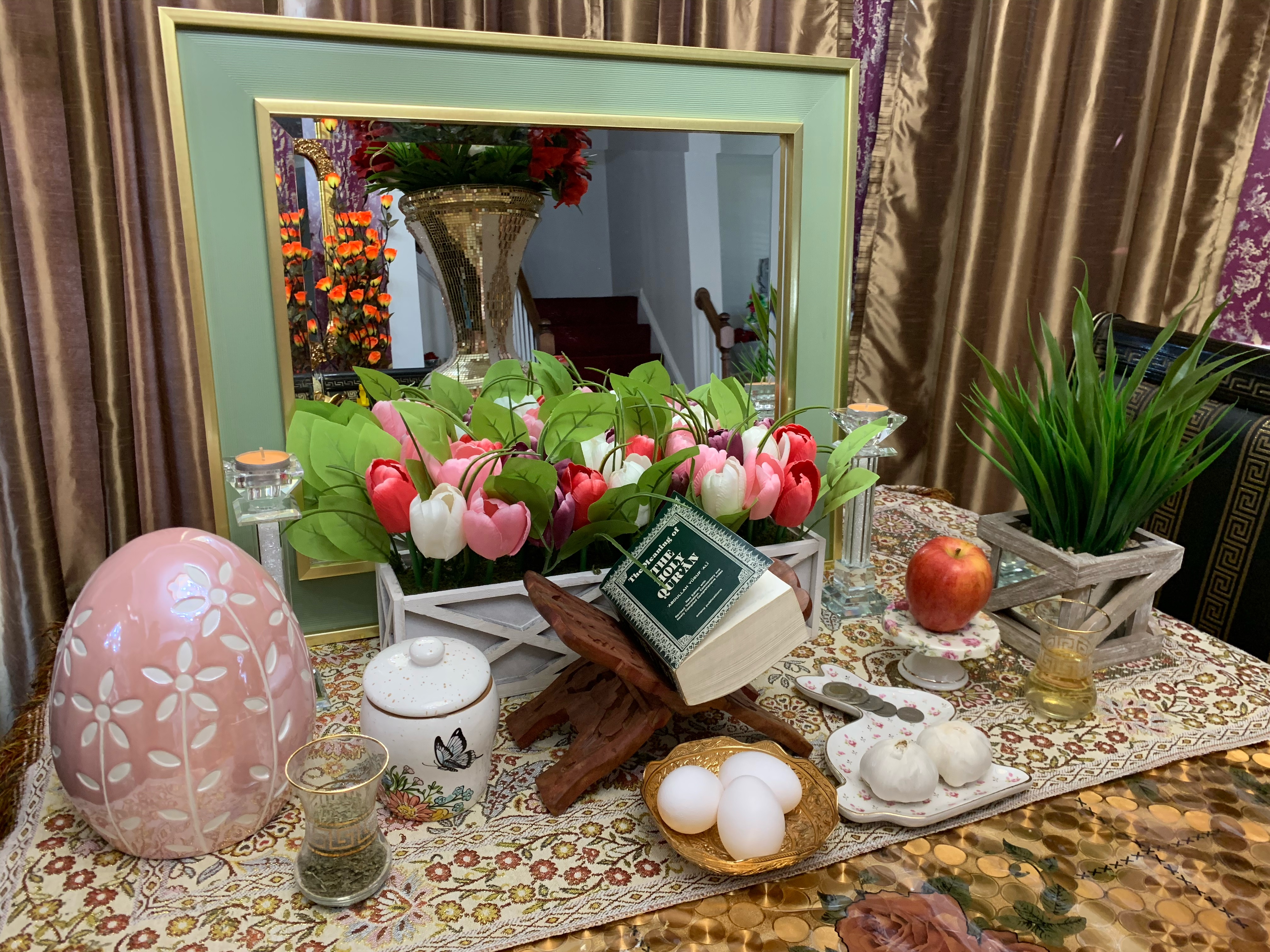 I’m not talking about time travel.
  During the festivities, which start on the Wednesday before the spring equinox, Iranians will gather and jump over fires and light fireworks in observance of

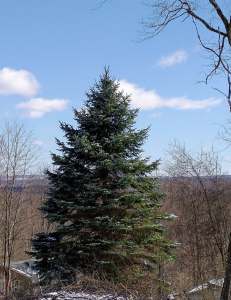
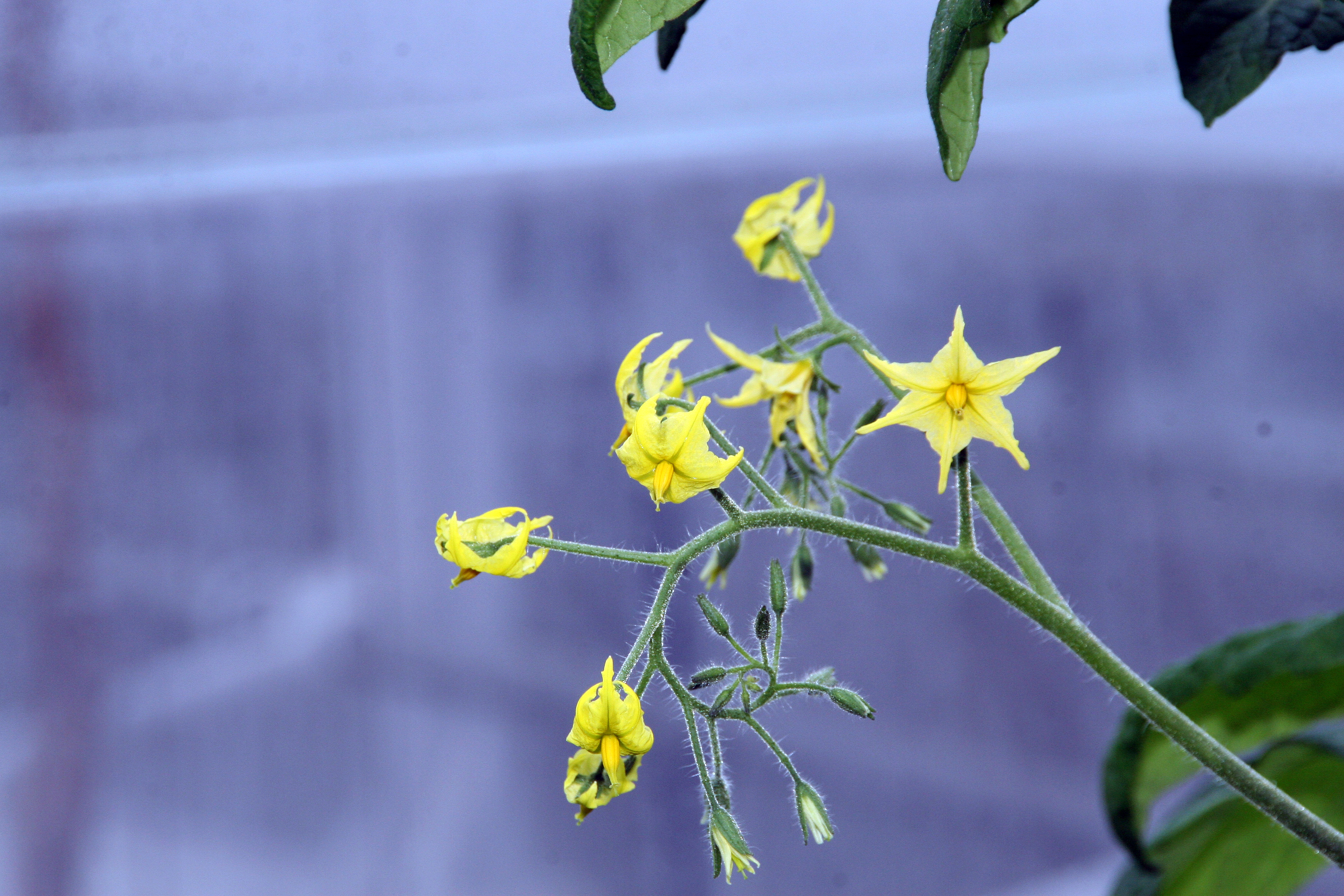
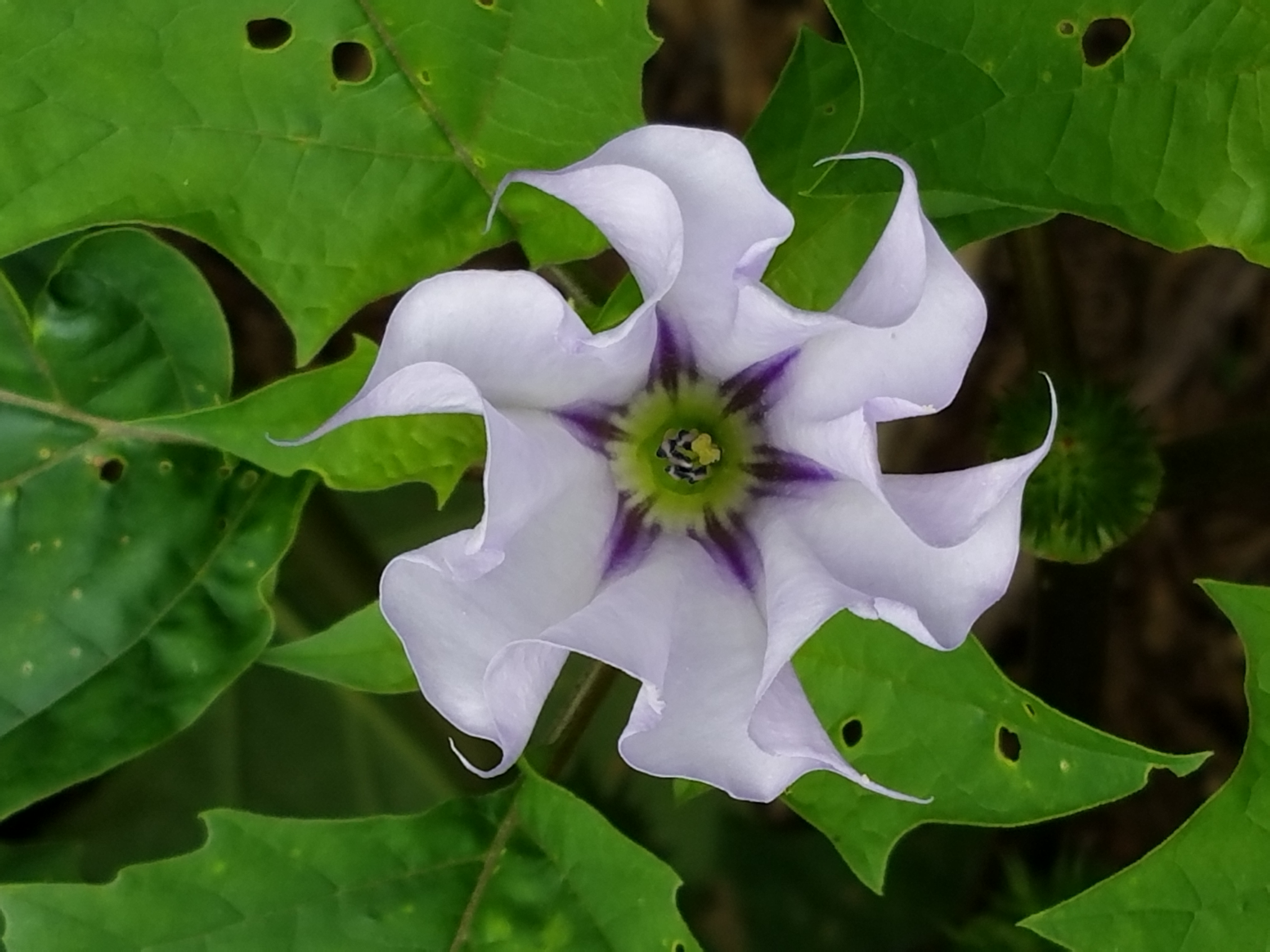 The nightshade family of plants sounds ominous – how could it not with the use of the words night and shade? The official name of this family is Solanaceae, and these plants are characterized by the shape of the flower, which in some cases feature near perfect pentagrams of petals, sepals, and stamens, and in others the petals are fused to form long tubes.
 Although many…
 Chervil,

You must be logged in to post a comment.