
By Amy Forsberg
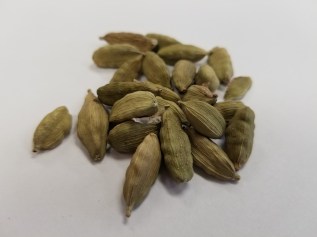 I had what seemed like a simple question: How and why did cardamom, the spice native to southern India, become such an essential and beloved baking spice in snowy Scandinavia? I have Swedish ancestry, and absolutely love cardamom bread and other baked goods made with cardamom. In Scandinavian culture, cardamom often represents comfort and home and family and holiday treats–similar to how we in the U.S. view cinnamon, perhaps. (Of course, cinnamon is also of South Asian origin!) I started with some hazy knowledge of the history of the spice trade–that cinnamon, cardamom, nutmeg, cloves, pepper, and ginger spread throughout the world from their places of origin via complex trade routes over the course of many centuries, contributing to the rise and fall of various empires and economies. But I was curious why cardamom, in particular, took root in Scandinavia of all places. Researching that question took…
View original post 2,005 more words
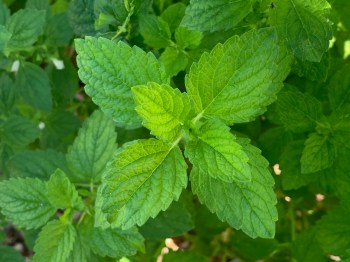 The lazy days of summer quickly transition to the more scheduled and hurried days of autumn. While glorious hues are found in changing leaf color and late season blooms like goldenrod and Joe-Pye weed, the pace of our world undeniably quickens during this season. Add the additional stress and worry about the Covid-19 pandemic and the message is clear–take time to personally cultivate peace and manage stress.
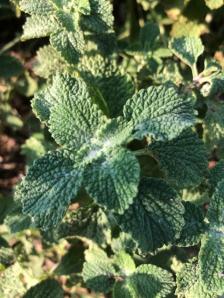 The fuzzy, light gray, deeply-wrinkled leaves of horehound (Marrubium vulgare) offer a nice contrast to other colors and textures in the garden. I love that contrast around the base of the red roses in my garden. Horehound is a perennial herb that grows from one to two feet tall, and can spread in the garden. It prefers dry sandy soil and a sunny location, tolerates poor soil, and is hardy in USDA Zones 4‒8. It may be started from seed in the spring, although germination is slow and sometimes not reliable. Cuttings can be taken from a mature plant or the established plant can be divided. Its leaves have a very bitter taste. Horehound produces whorls of small white flowers at the top of the stalk in the second year. The flowers are very attractive to bees, which makes for a tasty honey. The barbed…
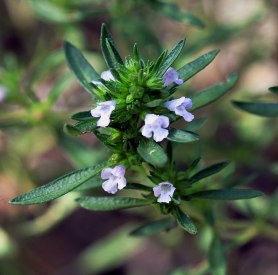 It is summer and a perfect time to learn about summer savory,
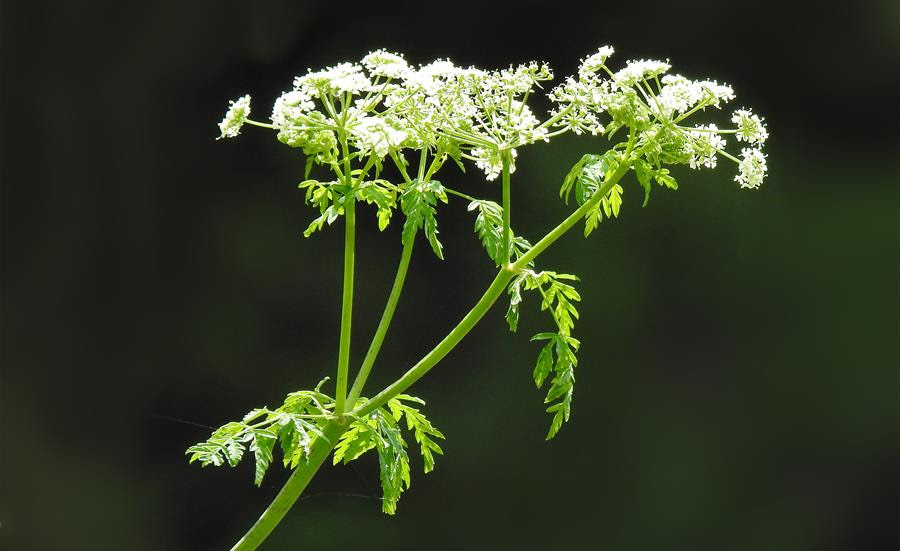


 Paths I Walk
You must be logged in to post a comment.