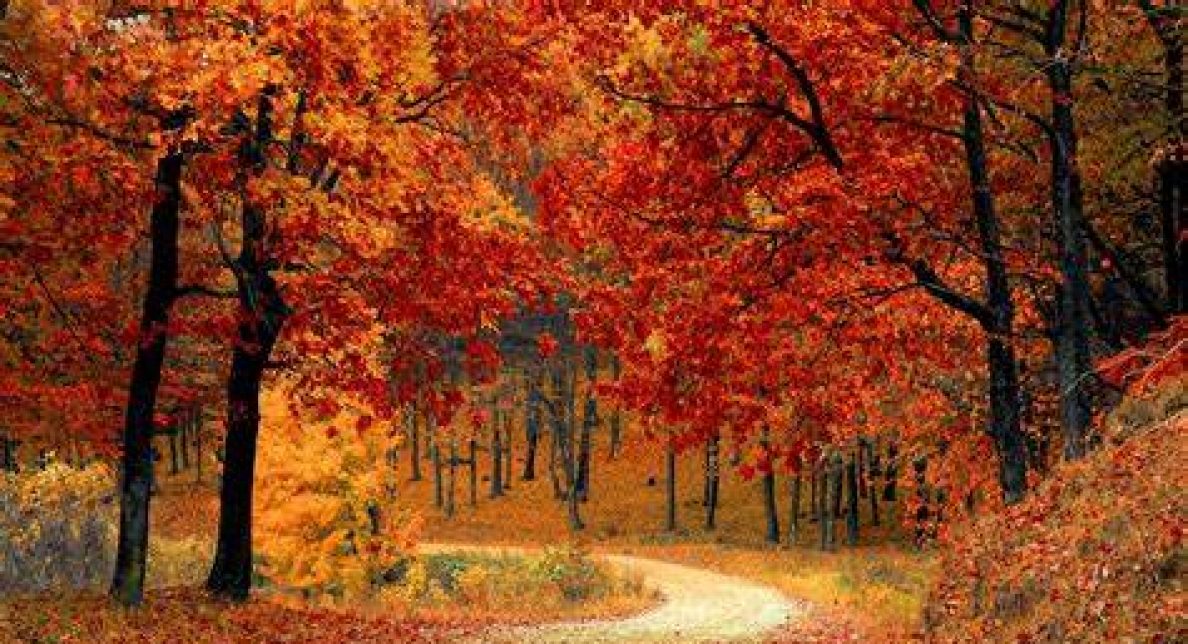

At the heart of the challenges, we face in transitioning from a life-destroying culture to a life-honoring one is to disentangle the many underlying myths and narratives that subconsciously or consciously drive our behaviors. These myths include the myth of progress, the myth of infinite growth, the lure of materialism, and the assumption that nature is there only to serve our needs. These myths have, in part, been the underlying forces that have driven us to the present challenges of our age. I believe many of these myths are rooted in colonialism, and if we are ever to end this awful practice and its centuries-old impacts, we must address them. They drive both larger systems at play as well as each of us. And while we can look to broader
 A nature mandala offered in thanks for our land that provides so much to us.
systems of power and privilege…
View original post 1,731 more words
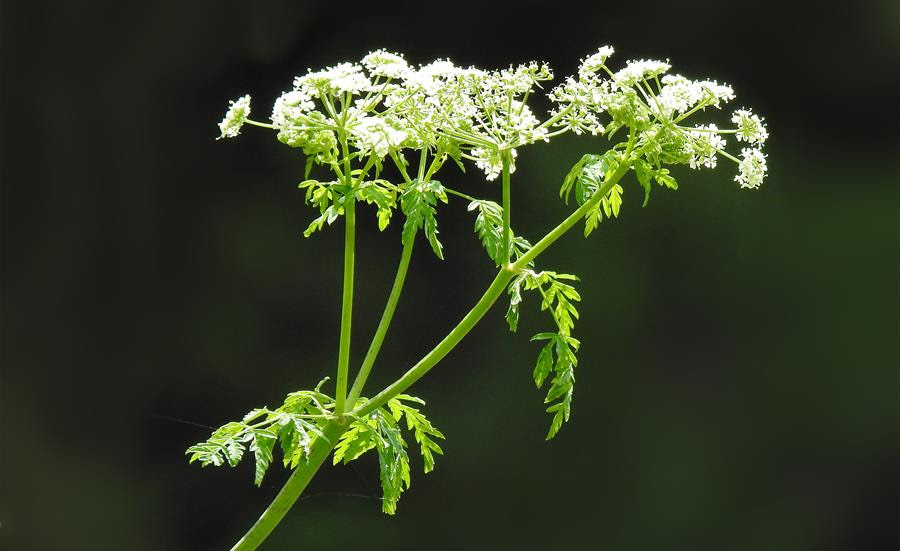

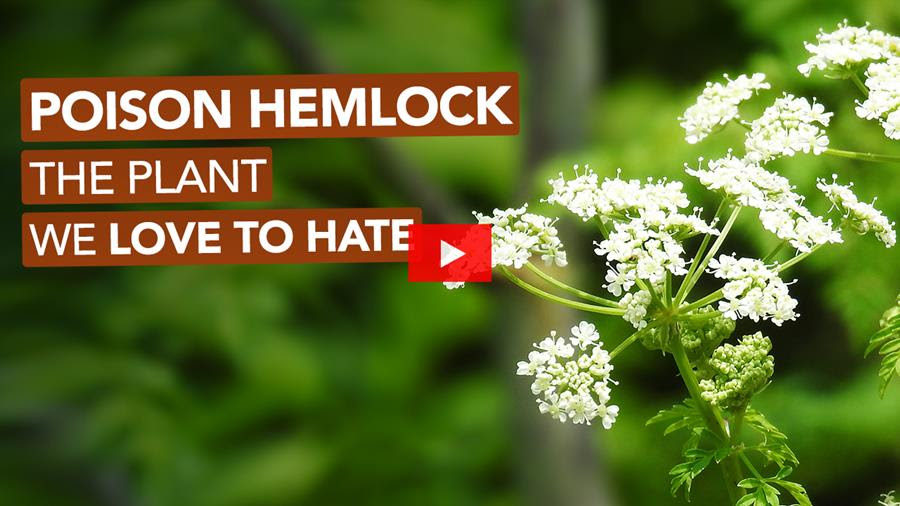


 Tea is the most widely consumed beverage in the world, after water. Countless books have been written about tea, which is the leaf product of this herbal shrub,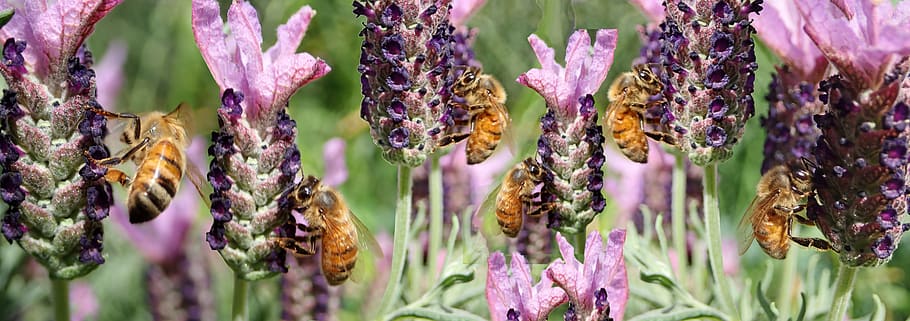
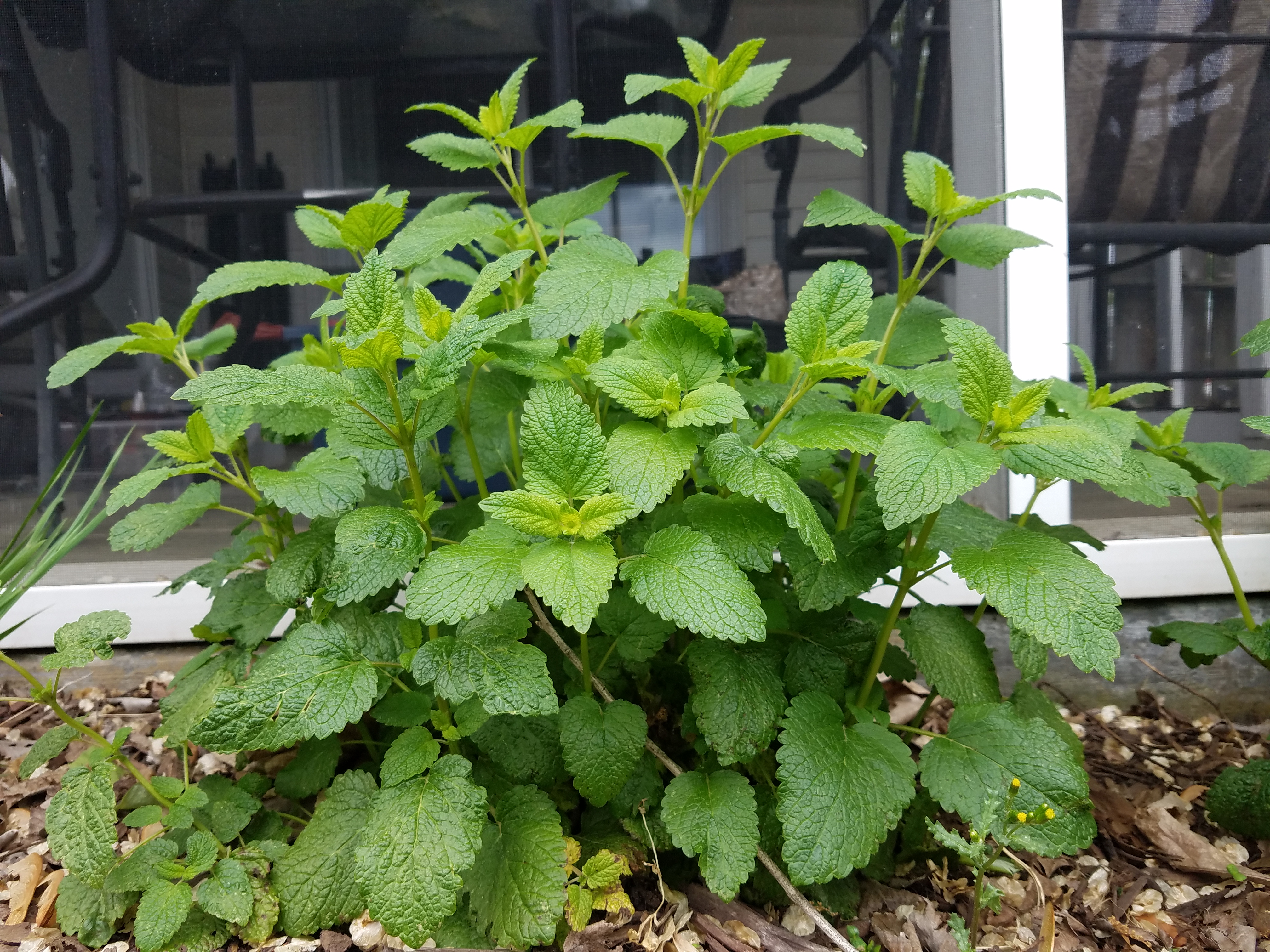 Got a big patch of lemon balm in the garden? Freshen up your sink disposal after trimming the lemon balm leaves to use in salads! Stuff the stems down the drain and whirr away for lemony freshness. – Peg Deppe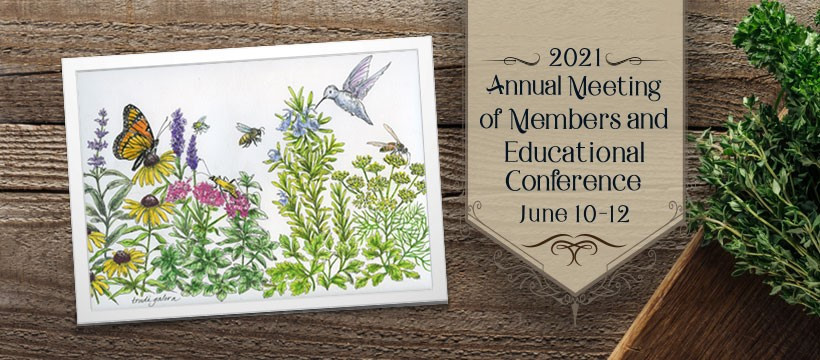
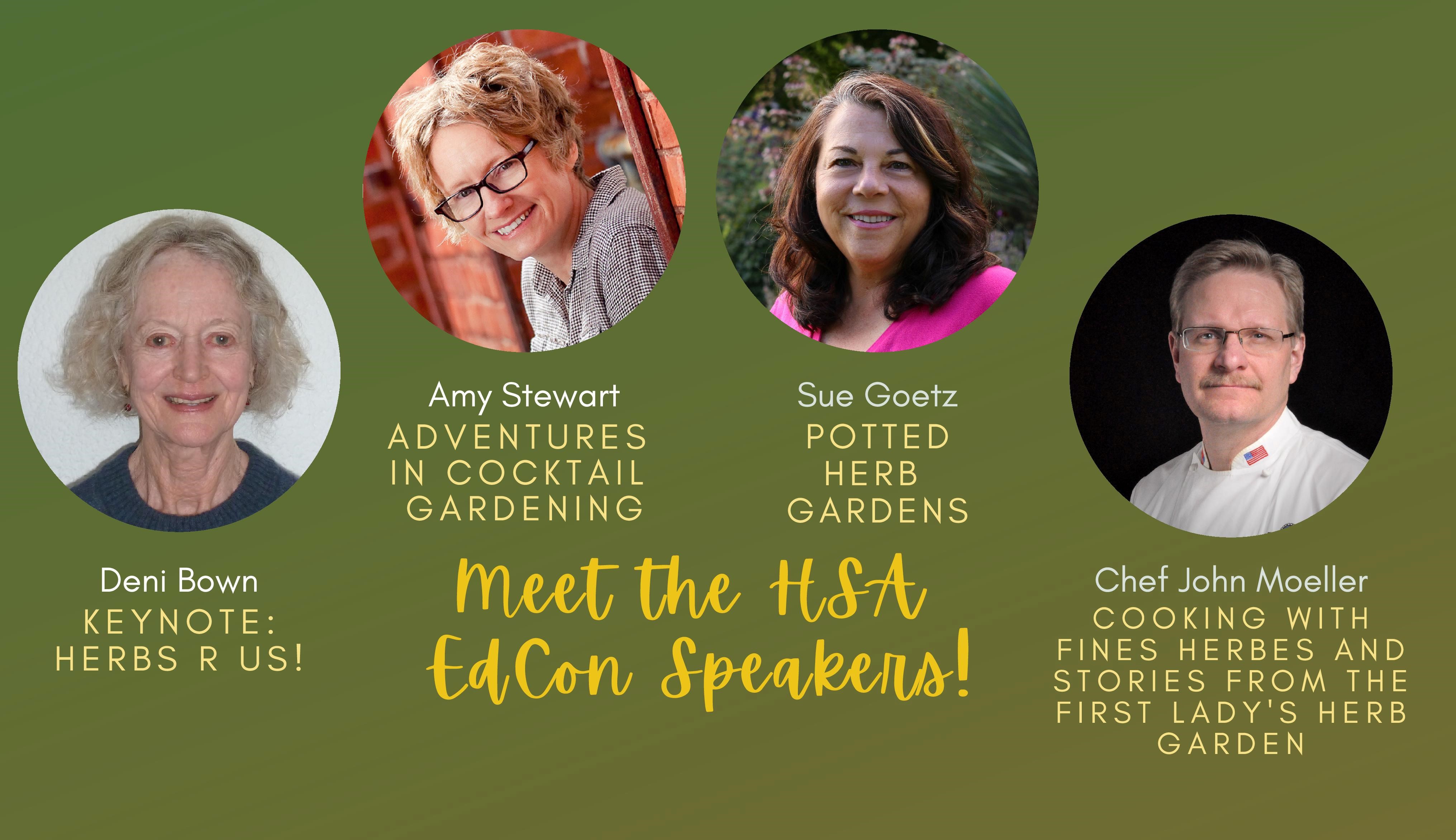 During our Virtual EdCon, you will have the opportunity to enjoy nine outstanding programs featuring presenters from all parts of the country and beyond. Notable HSA member, Deni Bown, joins us from Spain to kick off the educational programming portion of the conference with a keynote titled “Herbs R Us.” Don Haynie, a returning…
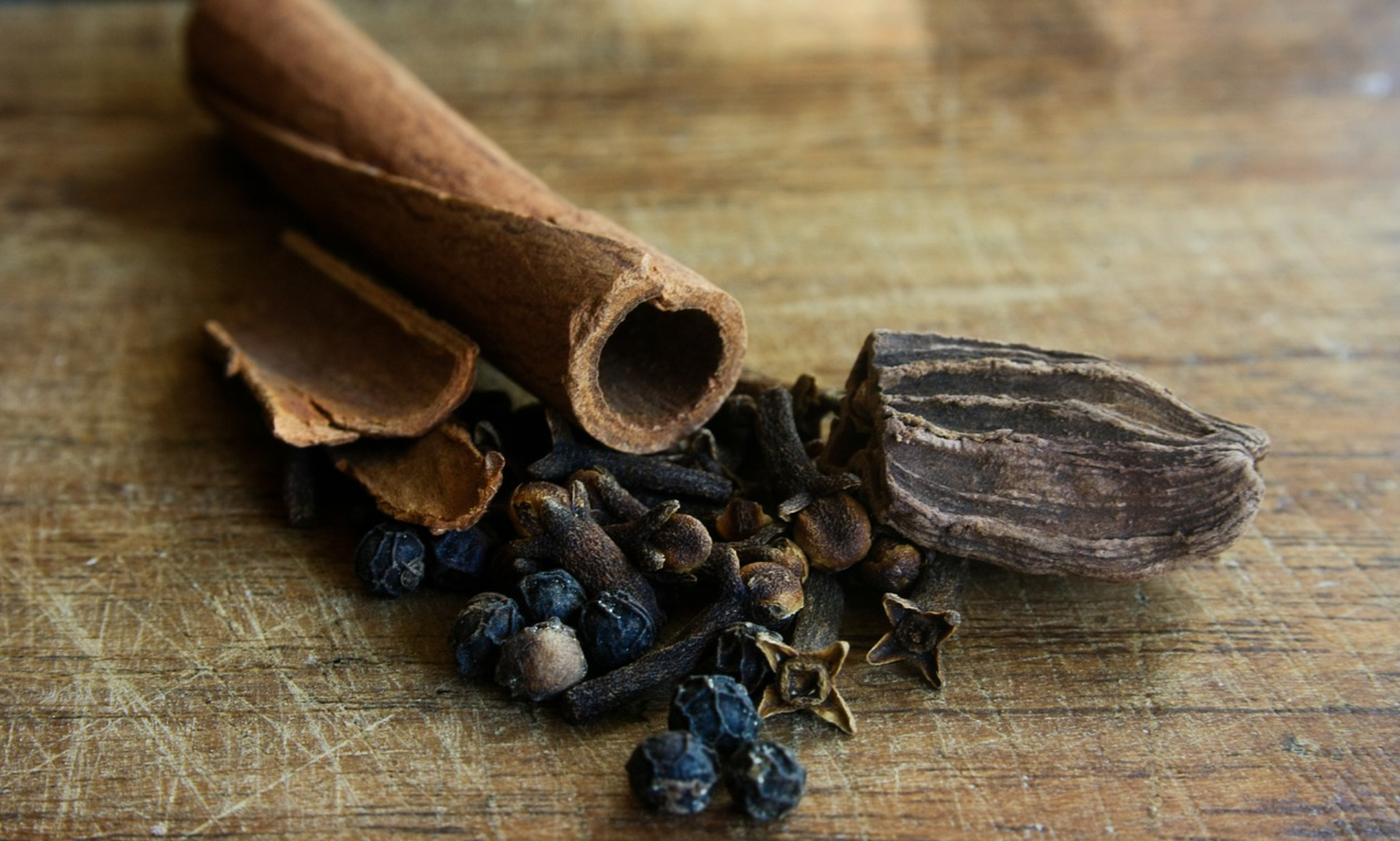 The Herb Society embraces spices as herbs, but what distinguishes an herb from a spice? An herb is the leafy part of a plant, whereas a spice is the “hard” part. So, herbs might include oregano, sage, rosemary, sorrel, and basil, to name a few. Spices, on the other hand, include the bark, root, or seed…think of cinnamon, black pepper, cloves, and nutmeg. Notable exceptions to the herb vs. spice conversation are coriander and dill. Coriander and dill seed are the seeds of the cilantro and dill plants, respectively.


You must be logged in to post a comment.