Second Annual Holiday Herb Fair

Ancestral Arts's avatarAncestral Apothecary

Saturday November 25th from 1 to 6 PM

Studio Grand Oakland, 3234 Grand Ave, Oakland

Join Ancestral Apothecary for our second annual Herbal Fair this holiday season! This a great opportunity to have fun doing holiday shopping and to support your local community of herbalists.  All the vendors are students or teachers from our Cecemmana Herbal Programs.

You’ll find unique, hand-crafted herbal gifts and products like herbal chocolate, tea, flower essences, tinctures, salves, body care, and much more.  We’ll also be offering limpias, Reiki and have a raffle with great gifts.

This event is also a fundraiser for our Herbalism Diversity Fund.  We are raising money for scholarship for our students of color.  If you can’t make this event but still want to donate to this fundraising campaign, check our our Generosity Fundraising Page.

View original post

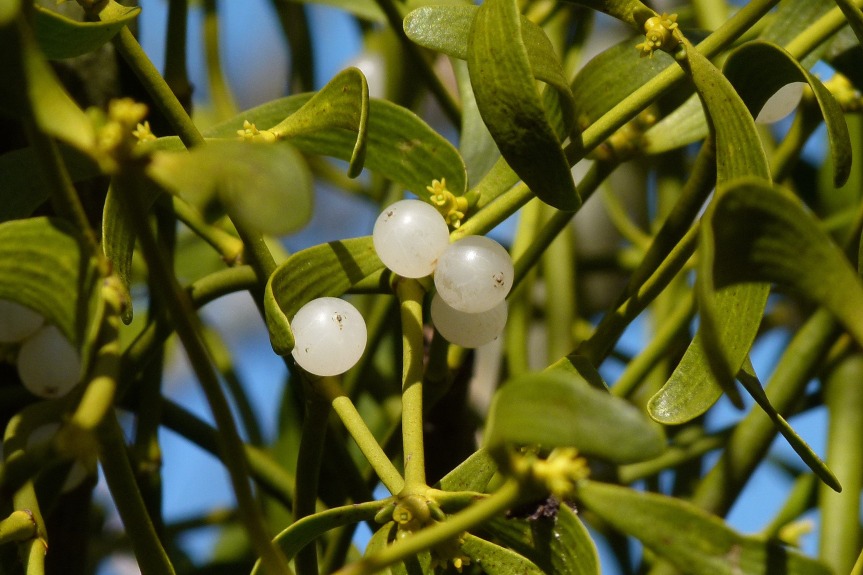
Ozark Encyclopedia – M – Mistletoe

American Botanical Council Publishes Online Version of The Identification of Medicinal Plants Book

Crooked Bear Creek Organic Herbs's avatarCrooked Bear Creek Organic Herbs

Online access to identification book provides new quality control resource for herb industry

AUSTIN, Texas (October 19, 2017) — The American Botanical Council (ABC) announces a new benefit for its members around the world: the online publication of The Identification of Medicinal Plants: A Handbook of the Morphology of Botanicals in Commerce, a manual that addresses the macroscopic assessment of 124 medicinal plants used in North America and Europe.

The book was originally co-published in 2006 by ABC with the Missouri Botanical Garden in St. Louis. It was written by Wendy Applequist, PhD, associate curator at the Missouri Botanical Garden’s William L. Brown Center, and illustrated with botanically accurate black-and-white line drawings by artist Barbara Alongi.

Accurate identification of the correct genus and species of botanical raw materials is the first step in quality control of botanical preparations. While several methods of identification are addressed in the…

View original post 576 more words

Health Benefits of Butterbur

Featured Image -- 4907

Crooked Bear Creek Organic Herbs's avatarCrooked Bear Creek Organic Herbs

Butterbur has a plant extract used in alternative remedies. But what are its health benefits and are there any risks involved in using it?

Butterbur comes from a shrub that grows in Europe, Asia, and parts of North America, and is available as a natural remedy in many health food stores and pharmacies. It is most commonly used to treat migraines and hay fever, although it has a number of other potential uses.

What is butterbur?

Butterbur plant and flower.Butterbur extract comes from the bulb, leaf, and roots of the plant.
The proper name for the butterbur plant is petasites hybridus. It grows best in wet marshland, damp forest soil, or on riverbanks.

The name butterbur is thought to come from the fact that its large leaves were traditionally used to wrap butter and stop it from melting in summer.

Butterbur extract is taken from the leaf, roots, or bulb of the plant.

The use…

View original post 780 more words

Ozark Encyclopedia – M – Mayapple

Fragrances for Fall {DIY}

Featured Image -- 4837

Crooked Bear Creek Organic Herbs's avatarGood Witches Homestead

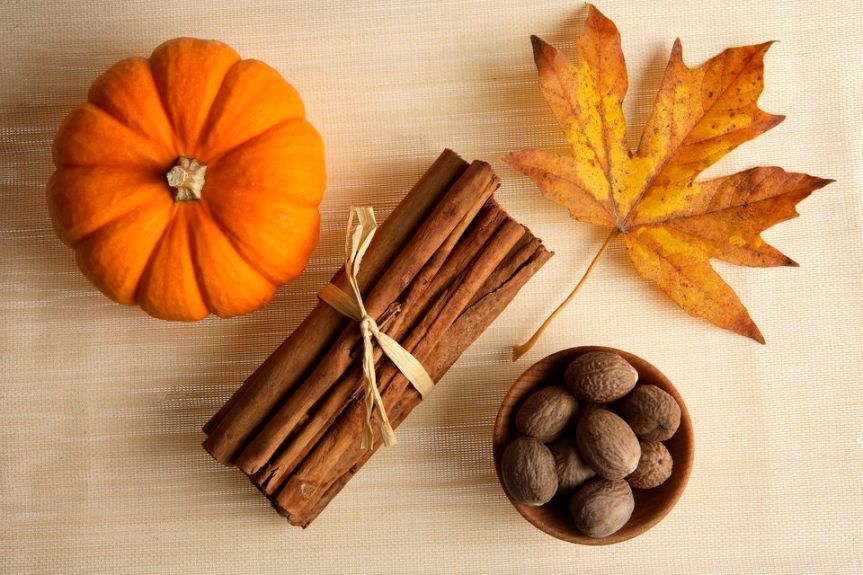
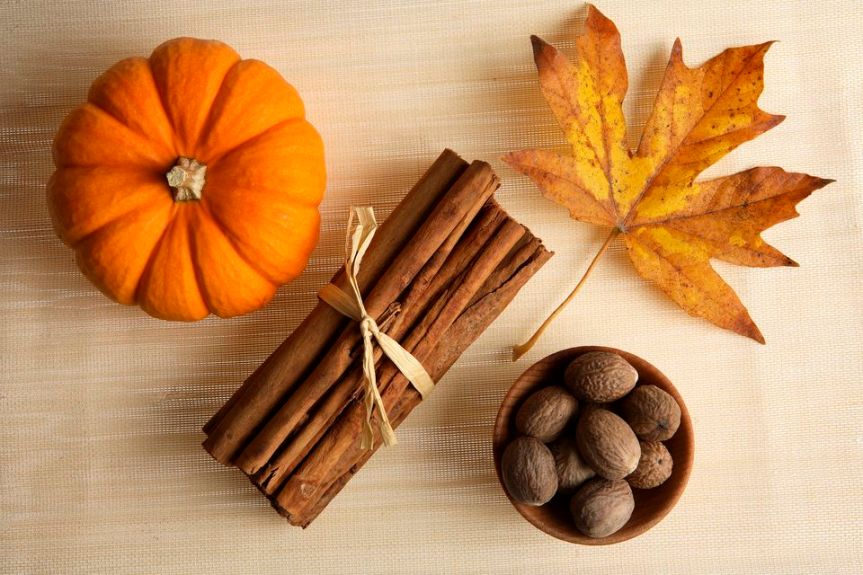
Without question, people adore the cozy smells of fall that brings pumpkin spice, tart apples, crisp leaves and spicy cinnamon. Bring those scents into your own home to celebrate fall without using harsh artificial chemical scents by making your own natural home fragrance on your stove. All you need to do is bring a pot of water to a simmer and add in spices with other fresh ingredients, such as apple peels, cinnamon, and cloves.

Combined together, these ingredients will send an autumn aroma throughout your home. As an added benefit, not only will your home smell like you have been baking (without all the effort) but the simmering water will help to humidify your home, which often suffers from dry air in the fall and winter.

Pumpkin Spice Simmering Pot

Ingredients

  • 2 cinnamon sticks
  • 4 pieces of candied ginger
  • 1 clove of nutmeg

Instructions

  1. Bring a pot of water to a boil, add the candied…

View original post 410 more words

Herbal Astrology

Featured Image -- 4833

Ozark Encyclopedia – L – Lady’s Slipper

Featured Image -- 4802

Welcome October: Pumpkins ~ Magic & Lore

Featured Image -- 4753

Crooked Bear Creek Organic Herbs's avatarGood Witches Homestead

It is a magical time when the mundane laws of time and space are temporarily suspended, and the Thin Veil between the worlds is lifted. According to our Celtic Ancestors, this is the time the souls of people who had died that year make their journey to the Otherworld. During this thinning of the veil, spirits are said to roam the earth freely, and communicating with ancestors and departed loved ones is easier at this time. It’s also told that the Fairy Folk became very active, pulling pranks on unsuspecting humans. People use to dress in white (like ghosts), wear disguises made of straw, or dress as the opposite gender in order to fool the spirits and traveling after dark was not advised. The holiday’s bonfires and glowing turnips (yes, turnips) helped the dead on their journey while protecting the living.

So, let’s talk about the Halloween pumpkin … Pumpkins…

View original post 2,723 more words

Welcome October: Calendula, October Birth~flower

Featured Image -- 4741

Crooked Bear Creek Organic Herbs's avatarGood Witches Homestead

COMMON NAME: calendula
GENUS:Calendula
SPECIES, HYBRIDS, CULTIVARS:
C. Officinalis ‘Golden Gem’- dwarf; double; yellow. ‘Pacific Beauty’- double; yellow, orange, apricot; more heat tolerant than other cultivars. ‘Orange Gem’- double; medium orange. ‘Chrysantha’- double; buttercup yellow.
FAMILY: Compositae
BLOOMS: summer and fall
TYPE: annual
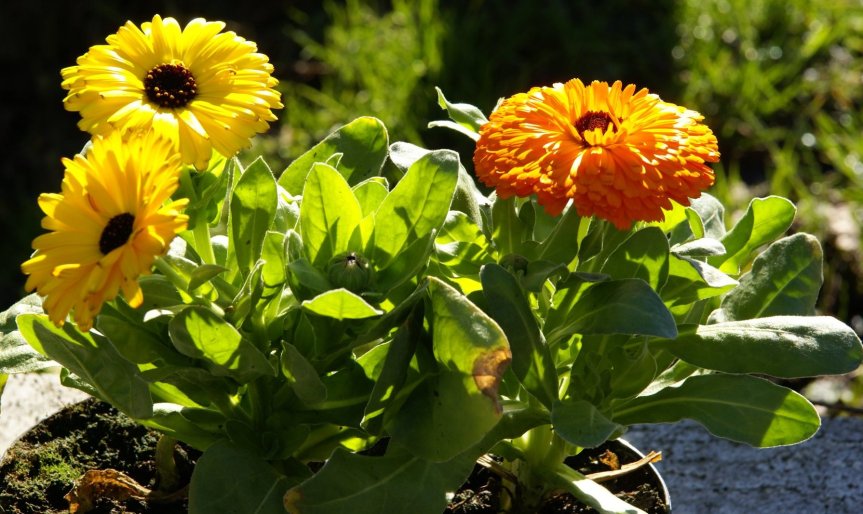
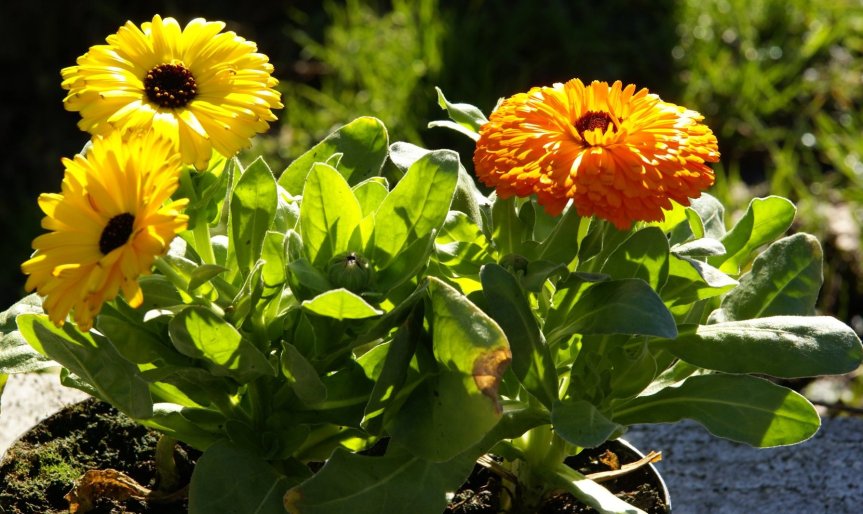
DESCRIPTION: Calendulas have light green aromatic leaves and large {up to 4 inches across}, daisy-like flowers that come in shades of yellow and orange. Plants get to be approximately 2 feet tall with a spread of 12 to 15 inches though dwarf varieties that grow only have that size are also available.
CULTIVATION: Calendula performs best in cool weather and is often used as a fall bedding plant. For fall bloom, the seeds should be sown outdoors in mid-June. The seeds, which should be sown 1/4 inch deep, germinate best at temperatures ranging from 75 to 85 degrees Fahrenheit. They need total darkness, so be sure…

View original post 4,704 more words