Elder Mountain’s Folk Smudge …
Elder Mountain’s Folk Smudge – Autumn 2018
Elder Mountain’s Folk Smudge …
Elder Mountain’s Folk Smudge …
Chinese Medicinal Plant Makes Anti-Cancer Compound …

New research led by Professor Cathie Martin of the John Innes Centre has revealed how a plant used in traditional Chinese medicine produces compounds which may help to treat cancer and liver diseases.
The Chinese skullcap, Scutellaria baicalensis – otherwise known in Chinese medicine as Huang-Qin – is traditionally used as a treatment for fever, liver and lung complaints.
 Scutellaria flower
Previous research on cells cultured in the lab has shown that certain compounds called flavones, found in the roots of this plant, not only have beneficial anti-viral and antioxidant effects, but they can also kill human cancers while leaving healthy cells untouched. In live animal models, these flavones have also halted tumor growth, offering hope that they may one day lead to effective cancer treatments or even cures.
As a group of compounds, the flavones are relatively well understood. But the beneficial flavones found in Huang-Qin roots, such as…
View original post 349 more words
Summer Herbs: Feverfew …
The feverfew herb has been used as an herbal remedy since the time of Dioscorides-78 A.D. The herbal remedies made from the feverfew was used to treat problems such as a headache, the development of menstrual irregularities in women, disorders such as stomachaches, and all types of fevers in particular. The common name of the herb itself is a simple corruption of the name in Latin- febrifuge or the fever reducer. Botanist is still agreed about what proper scientific name to give to this strongly aromatic and perennial herb. The feverfew belongs to the plant family Asteraceae, the disagreement among botanists about naming the plant has been existing for a long time now. The feverfew was in fact, placed into five different genera at different times. At this present time, the herb is known by the botanical name Tanacetum parthenium…
View original post 2,861 more words
Six Bug Repellent Patio Plants …
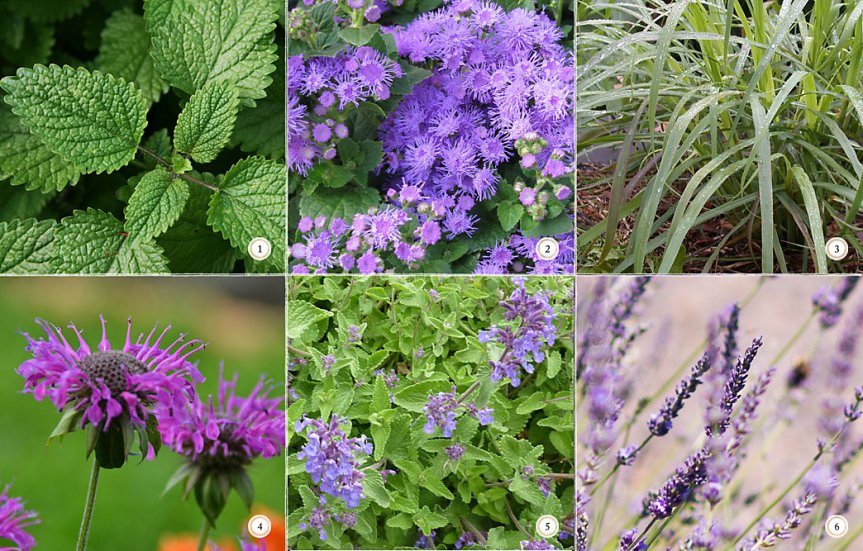
We love to spend our summer days outside with family and friends, but pesky bugs are quick to drive a party indoors. For a chemical-free way to keep insects at bay this season, we asked the experts from our green goods team to recommend their favorite bug repellent plants. Planted near the doorway or transformed into essential oils, these six natural options deter mosquitoes, flies, and more uninvited guests in the summer garden.
1. Lemon Balm (Melissa officinalis): Like many members of the mint family, this herb provides protection against summertime mosquitoes. To make a quick, all-natural bug repellent, crush a handful of lemon balm leaves and rub onto any exposed skin. If you’ve already suffered a bug bite, its soothing oils can limit itching as well. This easy-to-grow herb also has a number of additional applications, from infused teas and vinegar to green salads.
2. Ageratum ‘Artist…
View original post 326 more words
By Crooked Bear Organics
In low desert areas, growers are not blessed with the rich, organic soil we’d prefer to have. Most gardens will need some organic material, soil sulfur, ammonium phosphate, and gypsum. Every year, as a matter of fact, you may need to add organic matter and gypsum. Pay close attention to your garden soil. If you get a soil test, you’ll know what the pH and fertility are and can make any necessary adjustments. If the test indicates your soil needs it, add fertilizer during pre-plant soil preparation, when it is easier to amend the soil; you’ll also find the results more effective. Spade the soil deeply, to a depth of 18 inches, to loosen compact soils. Enrich the soil with plenty of compost and well-rotted manure. It greatly helps gardeners to spade as much as 6 inches of organic material into the top 12 inches of the planting…
View original post 1,437 more words
By Crooked Bear Organics
Mesquite grows well in desert areas from the southwestern United States to the Andean regions of South America. Traditionally, native peoples of the Southwest depended on mesquite. It provided food, fuel, shelter, weapons, medicine, and cosmetics. As times changed, and as refined sugar and wheat flour became staples, the role of mesquite was diminished.
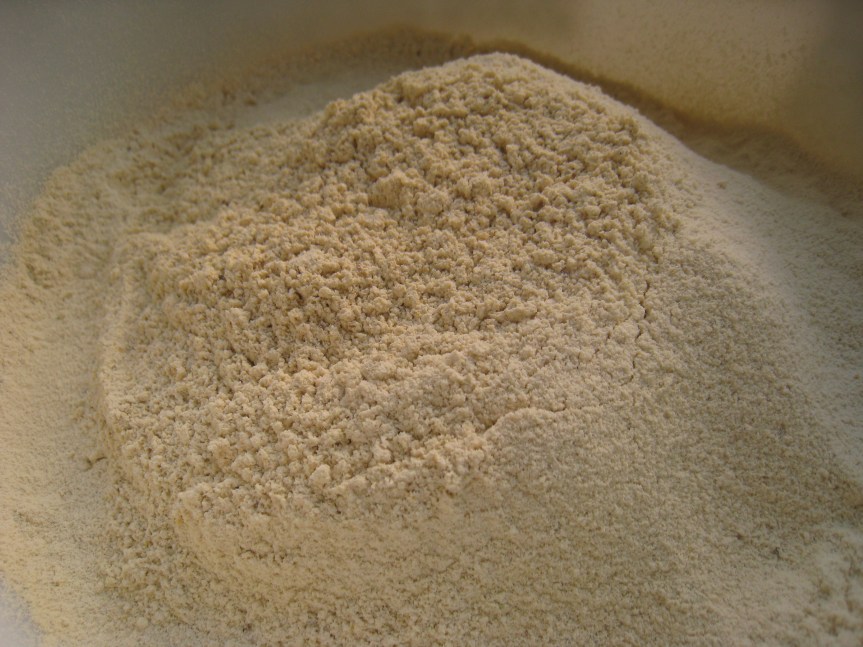
Mesquite meal was once made by hand-grinding the plant’s seeds and pods on stones. Now modern milling techniques speed up the process, grinding the entire mesquite pod at once, including the protein-rich seed. This produces a meal that is highly nutritious as well as very flavorful. The meal ground from the pod contains 11 to 17 percent protein. High lysine content makes it the perfect addition to other grains that are low in this amino acid.

Although desert dwellers used mesquite pods as a source of food for centuries, when you order and use this product…
View original post 1,746 more words
By Crooked Bear Organics
We recommend most plants be planted in the fall or spring. However, if you must plant during the summer months watering may need to be more frequent and you must be diligent about observing your newly planted plants for signs of water stress. Follow the guidelines in the Watering section.
Many cacti and warm-season succulents can still be planted in the summer. When transplanting cacti and succulents, mark either the south or west side and plant facing the orientation you marked to avoid the burning of tender tissues. Most nurseries will mark the side of the container to help you determine proper planting orientation. However, if the original orientation is not known, newly planted cacti and succulents need to be covered with shade cloth if the plant surface appears to yellow or pale suddenly. Use a shade cloth rated between 30-60% as anything higher will block most of the sunlight and…
View original post 1,557 more words
By Crooked Bear Organics
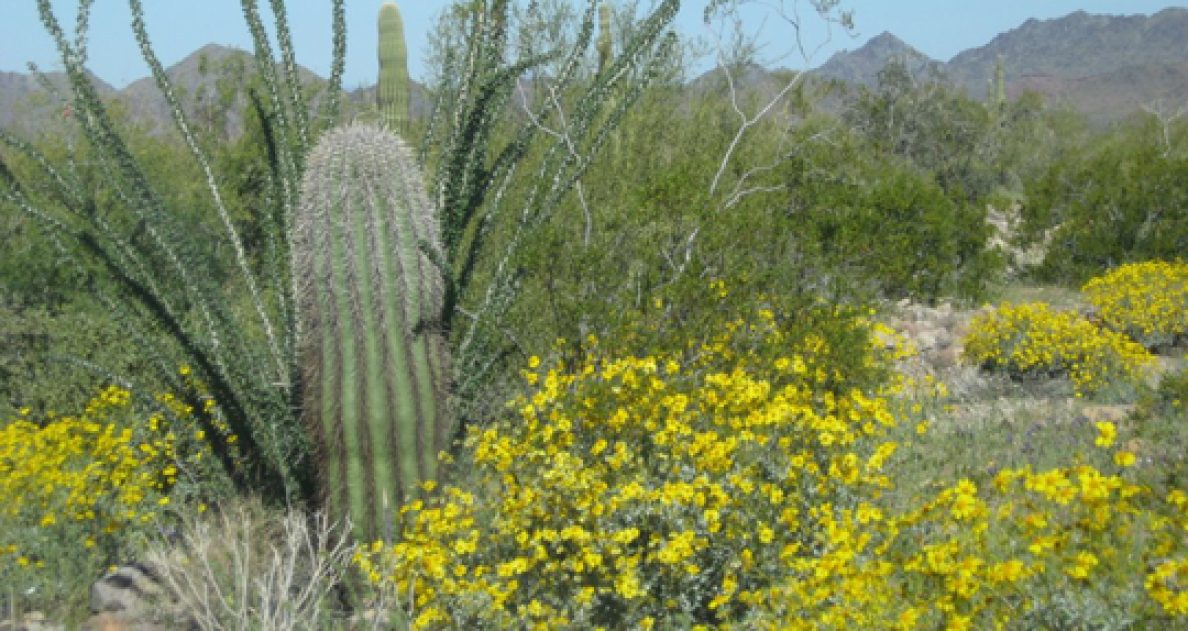
June in the low desert is generally the driest and hottest month. Desert gardeners often must begin their garden activities in the early morning or at sunset to avoid the intense sunlight. Plants must endure the intense heat throughout the day. Many native and desert-adapted plants have numerous adaptations that enable them to live successfully in the desert, such as succulence, drought-deciduousness, and small leaves, to name a few examples. Even with these numerous adaptations, desert plants sometimes need a little help to keep them healthy and thriving in your garden. Native and desert-adapted plants that were newly planted and those that are not established in the landscape need to be watered until they become established in the landscape and can then survive with natural rainfall. Even established plantings will need an occasional supplemental watering during long periods of drought to keep them healthy and stress-free.
Summer is the prime…
View original post 1,684 more words
By Crooked Bear Organics
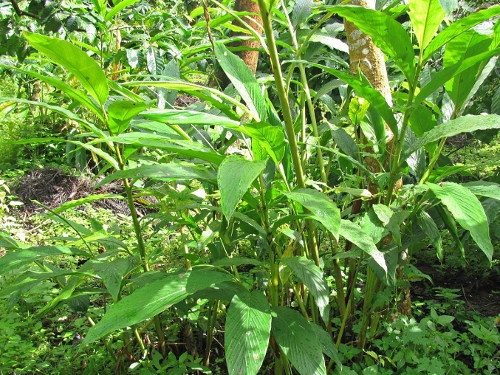
Cardamom is the Queen of Spices and has grown lavishly under the tropical canopy on hillsides in the Ghat Mountains on the Malabar Coast of southern India to be harvested by hand and shipped around the world. The cardamom familiar to India and the western world is called green cardamom and it, along with several other types such as giant cardamom, black cardamom, and bastard cardamom, have been used for cooking, perfumery, incense, and medicine since very early in history.

Ancient Egyptians used it frequently for perfume along with frankincense, myrrh, cinnamon, and cassia, and had a recipe for an ointment called “Oil of Lilies” that included the scent from 1000 lilies. It is often mentioned as one of the ingredients of the ancient incense kyphi. Cardamom essential oil is one of the oldest essential oils known in perfumery…
View original post 1,291 more words
By Crooked Bear Creek Organics
The common herbal product known as the black pepper is a well-known spice around the world and is used in almost every home, this herb is native to southern India, though it is now cultivated widely in many tropical countries of the world. The plant itself is a perennial woody climbing vine which can reach a height of about 15 ft or 5 meters climbing on trees and along man-made wooden trellises. The herb bears characteristic and large oval-shaped leaves, it also has spikes of many small and white colored flowers, the commercial pepper itself is made from the many clusters of small round fruits borne on the plant, these small fruits are the pepper of common use, and these fruits ripen from a green to red coloration as they mature on the vine.
The black pepper vine is not only economically interesting…
View original post 2,150 more words
I believe in happy endings...
Creating stories for pleasure
Shh I'm Writing
Nothing is True. Everything is Connected.
Medical Intuition, Astrology, Soul Readings, Intuitive Coaching, Tarot, Reiki: Inspiring and Empowering Visionaries, Artists and Healers
30th Anniversary Edition
Weekly Challenge from the 118, 126, & 113
all things fanfic...
Crystals, and all things Magical
welcome to the inner workings of my mind...
Learn • Explore • Grow
A Journey of Discovery
Where Canon has No Meaning and Universes Collide
Just another WordPress.com site
The Crime Drama Advent Calendar
Just another WordPress.com site
Here there be Dragons
Fanfiction and original stories from Toasterpop
Seeking Ideas Beyond Conventional Thought
Writting, Drafts, Ideas
All Things Wicked and Wonderful
Author, Editor, Photographer, Artist
Honoring their service and building their legacy. The official blog of the Vietnam Veterans Memorial Fund.
Art and Stories for all things 00Q, since 2014
Where the Writer Comes First.
FanFiction Author
The home of the Every Fandom Bang and Reverse Bang!
n. pl. pe·num·brae (-br) or pe·num·bras 1. A partial shadow, as in an eclipse, between regions of complete shadow and complete illumination.
Witchcraft for the Everyday and the Extraordinary
... and this is what I like
Fanfiction Recommendations ~ Slash, Femslash, & Het Fanfic Recs
EVIL AUTHOR DAY
Recipes from the Past
what my demented mind comes up with
Nothing is True. Everything is Connected
The Multi-Fandom Fix-it Big Bang
a place for me to share what I've written
Enchanted World of Magical Gardening ~ Crystals & Gemstones ~ Locally Grown Organic Herbs
m/m original fiction and fanfic for adults only
It's All About The Romance





 Paths I Walk
You must be logged in to post a comment.