Native American Herbs of the Northeast

Crooked Bear Creek Organic Herbs's avatarCrooked Bear Creek Organic Herbs

A look to the past reveals some of the most important plants used by Eastern woodland tribes – and an inestimable connection to nature.

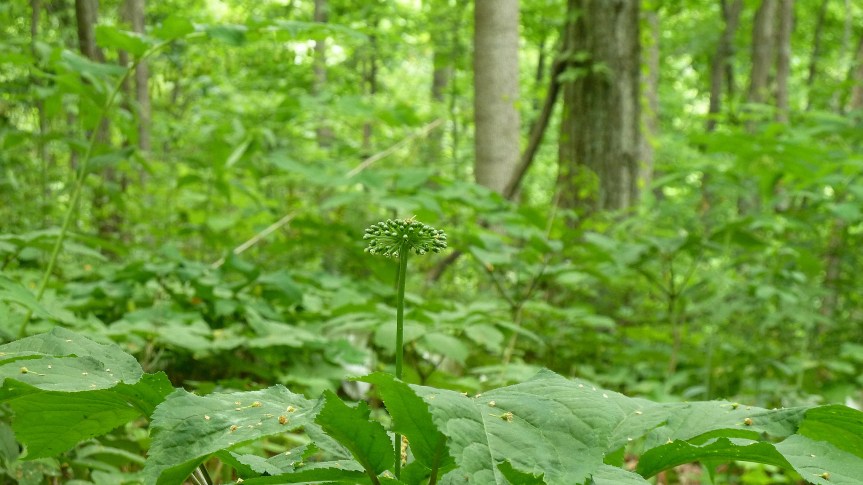
My adventure into the historical uses of many Native American plants began when Maine native Kerry Hardy, author of Notes on a Lost Flute: A Field Guide to the Wabanaki, presented a program for Western Maine’s Greater Lovell Land Trust, billed as “Native American Plant Medicine” last summer. So many plants and so many uses! I was intrigued to find out more about these plants and explore the wealth of medicinal knowledge from Eastern Woodlands tribes like the Mohawk, Wyandot {Huron}, and Iroquois. From Hardy’s work, as well as from the research of author Charlotte Erichsen-Brown, I enjoyed a glimpse into how these tribes looked to nature for healing – and how early pioneers benefited from their knowledge.

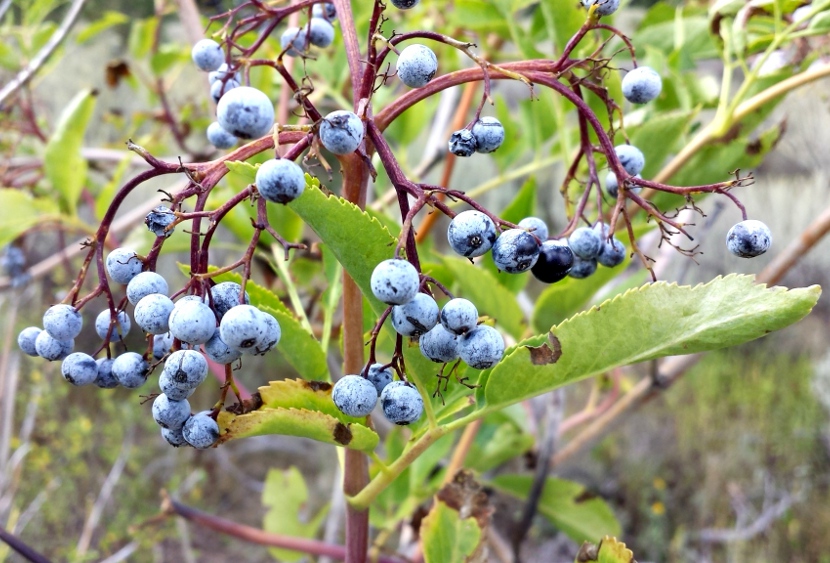
elderberries-af-canyon-3-2013-09-05

The Essential Elderberry

Hardy’s book focuses on…

View original post 2,088 more words

A Druid’s Guide to Connecting With Nature, Part III: Nature Engagement

Dana's avatarThe Druid's Garden

Leading you in deeper! Leading you in deeper!

I’ve heard a lot of conversation in the nature spirituality community, including the druid community, about not touching nature, leaving it alone, to simply “be”.  I remember one influential druid speaking at an event and saying, “The best thing you can do in nature is pick up the garbage and get out.”  From a certain standpoint, this perspective makes a lot of sense. It is the same perspective held by many conservationists trying to preserve pristine lands or lands that have been replanted and are healing; the best thing that can be done is figure out how to keep people from mucking them up, pick up garbage, and leave them undisturbed. Because people have a tendency to come in, move things about, pick things, disrupt ecosystems, and generally cause havoc.  Or worse, much, much worse. Further, in a world where most humans can’t identify even five…

View original post 2,628 more words

How to Brew Herbal Sun Tea

Crooked Bear Creek Organic Herbs's avatarCrooked Bear Creek Organic Herbs

Cool down with delicious, thirst-quenching herbal sun tea. Follow a few simple steps to enjoy a variety of refreshing flavors that are perfect for front porch sipping. Solar tea has never tasted so good.

Fresh organic herbs produce healthier, more refreshing teas, so pick your ingredients straight from the garden or buy from a local grower. All you need to make solar tea is a quart canning jar (good for preserving the herbs’ fragrant oils and properties), water, coarsely cut herbs of choice and sunshine.

To start, toss a half cup to 1 cup of fresh herbs into the canning jar. With practice, adjust this amount to suit your taste and the plants’ nature. Add water, a lid, and a few shakes. Place the jar where it will receive full sunlight, such as on a rooftop, open field or driveway. If possible, give the mixture a couple more shakes throughout…

View original post 1,253 more words

The Ultimate Sun and Plant Connection; Summer Sun Tea

Crooked Bear Creek Organic Herbs's avatarCrooked Bear Creek Organic Herbs

Connecting sun, plants and water is one of the easiest ways to bring herbalism into your life during the summer months.

As plant lovers, we spend time every day during the seasons connecting personally with the foods & plants in our gardens, and the wild spaces around our homes. But no matter where you are, and your level of training in herbalism, sun tea is simple to make, and enjoyed by everyone. Herb availability will change throughout the season as different leaves and flowers come into bloom, so it’s something we do all summer long and like getting creative with our recipes.

My favorite way to make a fresh sun tea is to walk around the garden and pluck a few herbs here and there, noticing which ones are ready to harvest and let the tea blend form itself. If you want to get to know the flavor and energetics…

View original post 336 more words

Easy Candle Protection Spell

Friends of Forest Farming

Crooked Bear Creek Organic Herbs's avatarCrooked Bear Creek Organic Herbs

As armies of amateur wildcrafters pluck Appalachian ginseng, goldenseal, and other medicinal herbs to near extinction, a coalition of universities, nonprofits, and “forest farmers” are working on a solution that will not only help preserve these wild herbs but also prevent supplement adulteration.

The Appalachian Beginning Forest Farmer Coalition includes Virginia Tech, Penn State, and North Carolina State University; the U.S. Department of Agriculture, Pennsylvania Bureau of Forestry, and other government organizations; nonprofits like United Plant Savers and the Blue Ridge Woodland Growers; and Appalachian landowners and farmers. Together, these entities are developing a model called “forest farming” for cultivating traditionally wildcrafted herbs, including black cohosh {Actaea racemosa}, goldenseal {Hydrastis canadensis}, bloodroot {Sanguinaria canadensis}, ginseng {Panaxquinquefolius}, blue cohosh {Caulophyllum thalictroides}, stoneroot {Collinsoniacanadensis}, wild yam {Dioscorea villosa}, and wild indigo {Baptisia tinctoria}.

During…

View original post 614 more words

Pantry Profile: Basil {Ocimum basilicum}

By Crooked Bear Creek Organics

Crooked Bear Creek Organic Herbs's avatarCrooked Bear Creek Organic Herbs

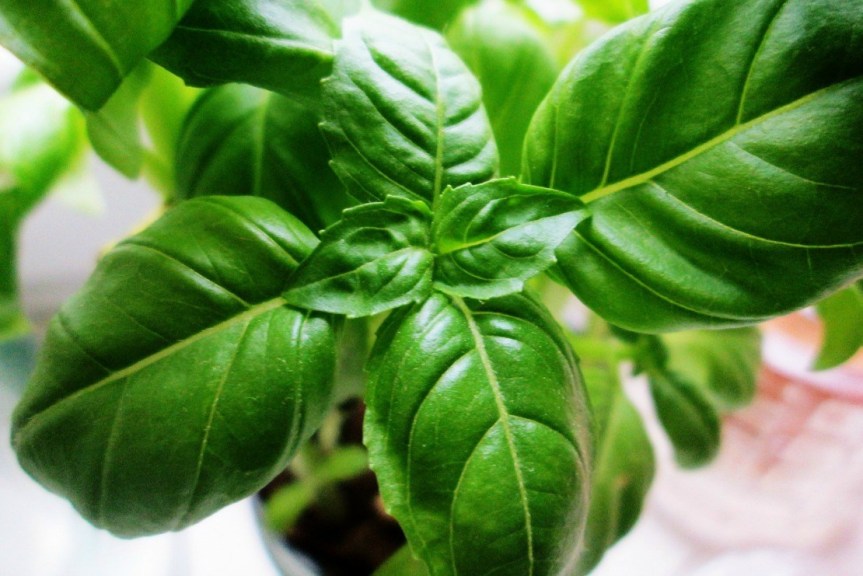
Bright green, tall, and aromatic, basil is a beauty. An ancient plant with a long history and strange folklore, its sweet, peppery flavor has been used for centuries in cuisine and medicine.

Basil is native to Africa and Southeast Asia and was eventually cultivated in the Middle East and the Mediterranean. Roman scholar Pliny the Elder described basil’s {now well-known} benefits as a carminative and digestive, explaining its effectiveness in relieving flatulence, colic, and nausea. It also has a long history of use for coughs associated with colds, and the leaves were routinely used topically as an insect repellent and poultice to relieve bug bites and stings.

Much myth and legend surrounded this plant we now consider a simple culinary herb. The ancient Egyptians believed basil would entice the god Osiris to open the gates of the afterlife. In his book the English Physician Enlarged, 17th-century botanist Nicholas Culpeper…

View original post 859 more words

Pantry Profile: Chives {Allium schoenoprasum}

By Crooked Bear Creek Organics

Crooked Bear Creek Organic Herbs's avatarCrooked Bear Creek Organic Herbs

With its bright green stalks and vibrant, lavender-pink and spiky blossoms, chives are a lovely ornamental plant and herb garden staple. Found fresh in the yard in summer and dried in cupboards in the cooler months of fall and winter, chives hold surprising medicinal and nutritional benefits. A member of the Amaryllidaceae family {Amaryllis}, which includes familiar alliums garlic and onions, chives have a mild and pleasant onion-garlic flavor.

Chives have played a role in medicine and protection for more than 5,000 years. The ancient Romans used chives to relieve sore throats, lower blood pressure, and increase urination, while Traditional Chinese Medicine turned to it for coughs, colds, and congestion. In the Middle Ages, it was a popular remedy for melancholy.

A traditional Romani custom was to use chives in fortune telling and to hang them in the home to ward off disease and evil influences. Planting chives in the…

View original post 638 more words

Mahonia & Lavender Oat Bars: Berry Delicious! — Gather Victoria

Mahonia & Lavender Oat Bars …

20180703_164848.jpg


You may not have heard of Mahonia berries but I know you’d love them – and they’re likely growing near you. Mahonia japonica and Mahonia bealei are both extremely common ornamental shrubs found in a wide variety of urban spaces – and in early July both are laden with deep blue dusky berries hanging in fat grape-like clusters.…

via Mahonia & Lavender Oat Bars: Berry Delicious! — Gather Victoria

Remembering Who We Are: Chinese Botanical Guides

Remembering Who We Are …

Ancestral Arts's avatarAncestral Apothecary

Bekah gets to know the plants of her grandmother’s village in Guangdong, China.

As part of our studies in the Cecemmana program, we as students are encouraged to study our ancestral medicines. We are encouraged to ask questions like: who were the healers in our families? What plant medicine did they use? What healing foods did they eat? What healing songs did they sing? In the first two years of Cecemmana, we as students researched the answers to these and other questions and then presented our findings. In my first year of Cecemmana, I looked forward to learning more about the herbal medicine practices of my Chinese heritage.

I found that before I could get to know the plants, though, I had to better understand my family. Growing up in a mixed race household in a predominantly white community, my sister and I grew up feeling disconnected from our Chinese…

View original post 1,270 more words