Watch Webinar on Native Wildflowers

The Herb Society of America's avatarThe Herb Society of America Blog

By Jen Munson, HSA Education Chair
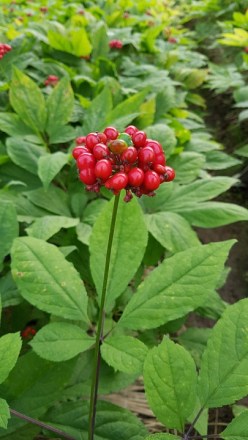
ginseng American ginseng (Panax quinquefolius) a globally rare plant species

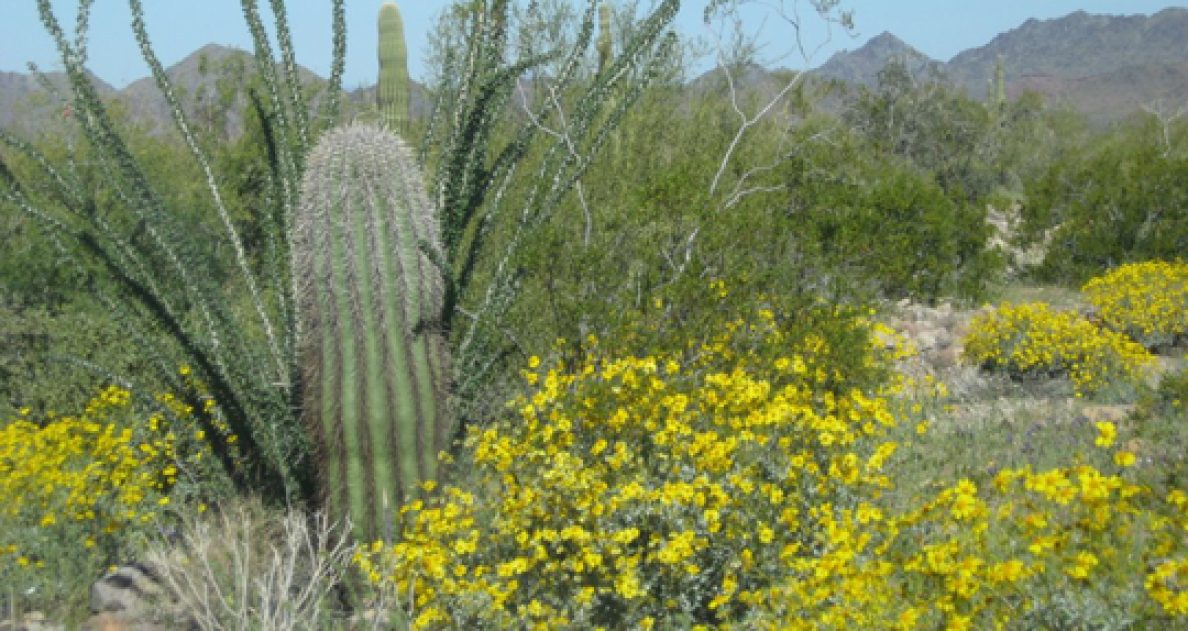
The diversity of the world’s plants has dwindled and/or is threatened. In fact the International Union for the Conservation of Nature estimates that 54 percent of the 19,000 plant species they have identified are at risk. In New England it is estimated that almost 20 percent of New England’s native plants are on the verge of being lost and  another 5 percent has already disappeared. Native plants are under threat from invasive species, habitat loss, climate changes among other impacts.

The New England Wildflower Society seeks to preserve New England native plants. Based at the Garden in The Woods botanic garden in Framingham, Massachusetts, their mission is, “to conserve and promote the region’s native plants to ensure healthy, biologically diverse landscapes.” They secure and preserve seeds from rare plants to protect genetic diversity…

View original post 196 more words

BACOPA MONNIERA: Brain Health and Nervous System Restorer

Crooked Bear Creek Organic Herbs's avatarCrooked Bear Creek Organic Herbs

The Bacopa monniera herb, also known as Brahmi, has been used as a traditional Ayurvedic treatment for mental issues, epilepsy, and asthma. In fact, its documented medicinal uses can be traced back to the 6th century A.D.

A classic brain and nerve tonic, Bacopa is a medicinal herb that has been used effectively for several thousand years as a brain and nervous system restorer. The herb is known to increase mental clarity and promote improved memory and intelligence. It also assists in heightening mental acuity and supports the physiological processes involved in relaxation. In other words, it can keep you feeling relaxed while also boosting mental clarity, your focus, and mood. In fact, Bacopa is thought to help nourish neurons as it restores depleted synaptic activity.

Bacopa Monniera for Improved Memory

A 2006 double-blind, randomized study published in the Indian Journal of Psychiatry showed that the control group taking 125…

View original post 495 more words

September Herb of the Month; Annatto

Crooked Bear Creek Organic Herbs's avatarCrooked Bear Creek Organic Herbs

Annatto, Bixa Orellana

• An orange-red dye or colorant, flavoring for food and healing agent derived from the seeds of
the achiote tree, an evergreen native to tropic and subtropic zones of the Americas
• Spiny red fruits contain the seeds and the reddish pericarp that surround the seed contains
the annatto or color
• Foods colored with the annatto pigment range from yellow to deep orange and include
chorizo sausage, cheese (like cheddar and American), smoked fish, popcorn, oil, butter,
margarine, rice as well as processed products like snacks and breakfast cereals
• Historically used to create a face or body paint by rainforest tribes and natives of the
Caribbean; Applying the paint lips dubbed achiote tree the lipstick tree; annatto paint was
also used as a sunscreen, bug repellent, food, and medicine
• Aztecs enhanced the color of hot chocolate with annatto
• Commonly used in Mexican cooking…

View original post 608 more words

Food as Medicine: Stinging Nettle (Urtica dioica, Urticaceae)

Crooked Bear Creek Organic Herbs's avatarCrooked Bear Creek Organic Herbs

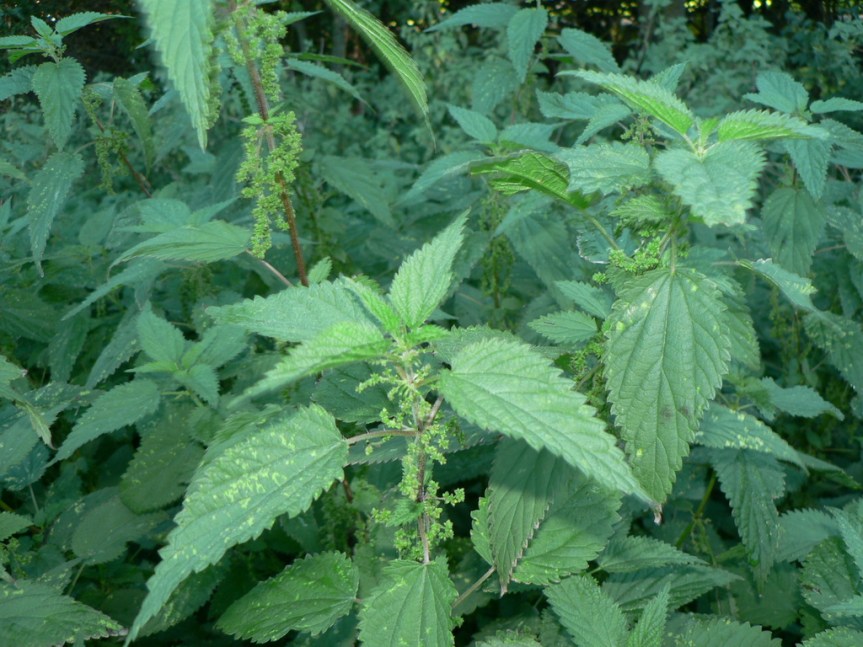
Urtica dioica (Urticaceae) is commonly known as nettle, common nettle, or stinging nettle. The species is an herbaceous perennial with a spreading growth habit. Growing 4-6 feet tall, stinging nettle produces numerous erect and wiry stems that hold up its opposite, roughly textured, serrated leaves.1-4 It produces small, inconspicuous greenish-brownish flowers that emerge as axillary inflorescences.The stems and undersides of leaves are covered with hairs called trichomes. When touched, these stinging trichomes inject a chemical cocktail that typically causes localized skin irritation as well as a painful, tingling sting from which the species has derived its most common name, stinging nettle.1,5

The Urticaceae family contains about 500 known species, distributed mainly in tropical areas.1 The genus Urtica, whose name comes from the Latin uro (to burn) and urere (to sting), consists of both annual and perennial herbaceous plants known for the burning properties of the…

View original post 3,981 more words

Herbal Healthwatch, September 2018

Crooked Bear Creek Organic Herbs's avatarCrooked Bear Creek Organic Herbs

Rhodiola Relieves Stress

Rhodiola {Rhodiola rosea} is a perennial groundcover that grows in some of the harshest conditions on Earth; the Arctic regions, from Scandinavia to Siberia. For centuries in Russia, Rhodiola enjoyed a folk reputation as a while-body strengthener or tonic. After World War II, Russian researchers added it to the short list of “adaptogens,” plants such as ginseng that strengthen the entire body. But during the Cold War, the Russian military seized Rhodiola supplies and suppressed information about the herb, convinced that it could give Soviet troops an edge in potential battle. After the fall of the Soviet Union, Russian Rhodiola research was published in the West and the herb became available in the U.S. and Europe.

More recent research shows it has several health benefits, particularly in the realm of coping with physical and emotional stress, and a new study shows that it helps prevent…

View original post 1,345 more words

Our Pantry Profile: Rosemary

Crooked Bear Creek Organic Herbs's avatarCrooked Bear Creek Organic Herbs

Rosemary {Rosmarinus officinalis}

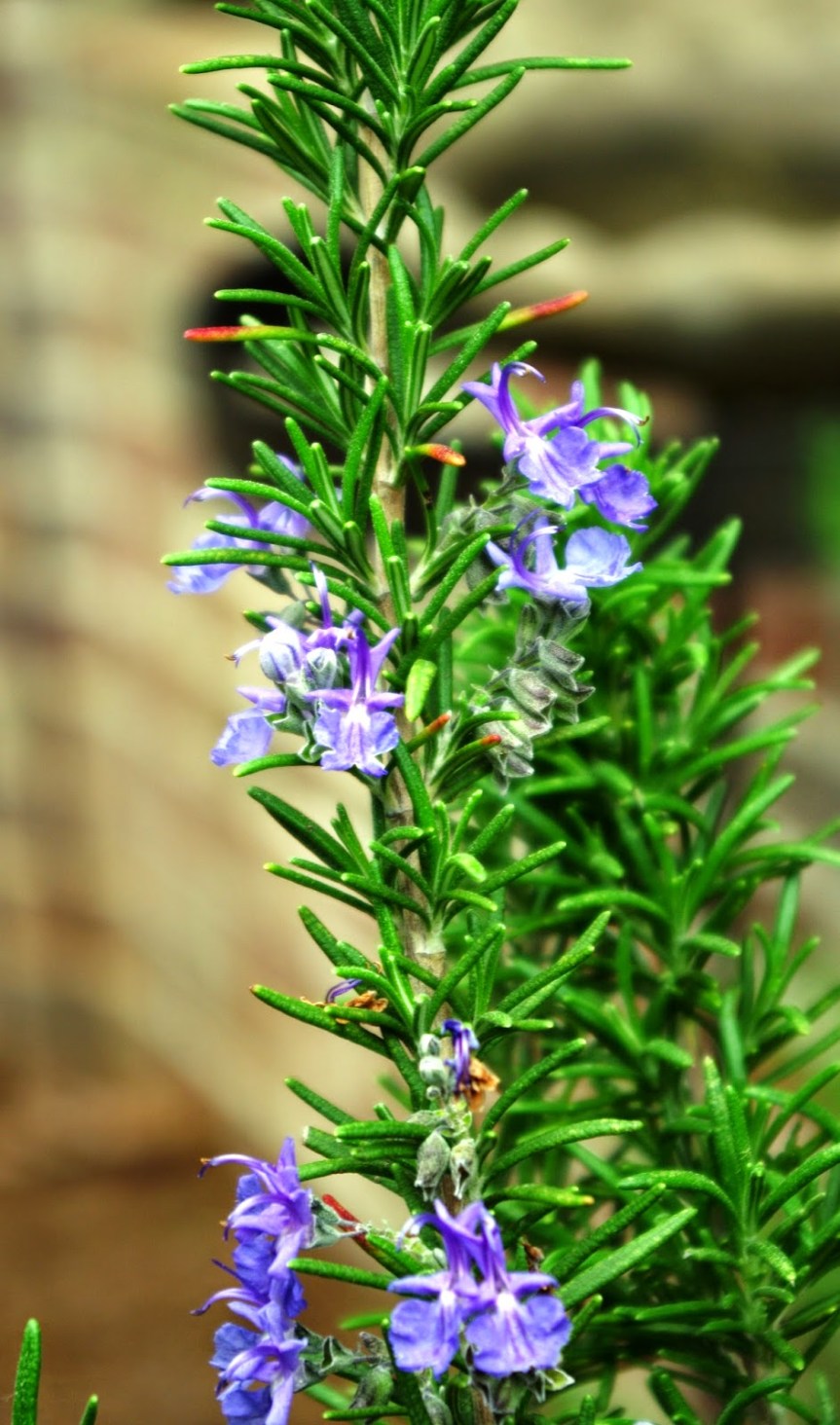
The name Rosmarinus loosely translates to “dew of the sea,” given to rosemary because of its affinity for the wind-swept cliffs of the Mediterranean coast, where it originates. Beloved for centuries for its aroma and health benefits, this strongly aromatic member of the mint family is now cultivated worldwide.

Greek scholars wore garlands of rosemary to improve their memory and concentration, and many ancient herbalists recommended rosemary for failing mental acuity. During the Middle Ages, some would wear it around the neck to protect from the plague. Thirteenth-century Queen Elisabeth of Hungary claimed at 72 years of age, crippled with gout and rheumatism, that she had regained her beauty and strength by using “Hungary Water” {largely rosemary-infused}, compelling the King of Poland to propose marriage to her. Along with juniper, rosemary was frequently burned by the tub-full to disinfect the air from disease, from ancient times through…

View original post 827 more words

Our Pantry Profile: Thyme

Crooked Bear Creek Organic Herbs's avatarCrooked Bear Creek Organic Herbs

Thyme {Thymus vulgaris}

Common garden thyme has been used for protection, courage, food, and medicine since the beginning of recorded history. A low-growing, aromatic shrub native to the rocky hills of the Mediterranean and Southern Europe, it’s now a staple of herb gardens around the world.

Roman soldiers bathed in thyme to maintain their courage and strength before a battle, and in medieval times, departing knights received thyme-embroidered scarves from their lady loves to keep up spirits and inspire courage. A popular belief was that thyme tea prevented nightmares and even encouraged dreams of fairies. Carrying thyme warded off evil spells and witchcraft, while sewing thyme and fern into the hem of a dress kept the Devil from taking a woman as his bride. Placing a sprig of thyme in one shoe and a sprig of rosemary in the other on the Eve of St. Agnes {January 20} was said…

View original post 827 more words

Food as Medicine: West Indian Lemongrass (Cymbopogon citratus, Poaceae)

Crooked Bear Creek Organic Herbs's avatarCrooked Bear Creek Organic Herbs

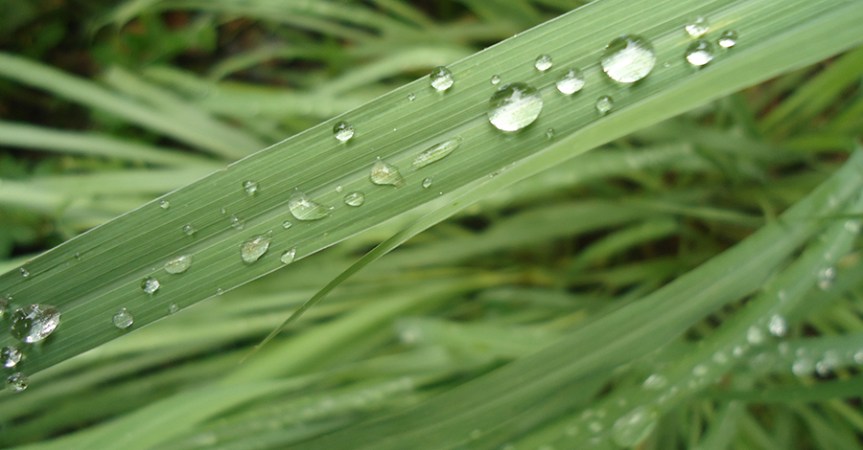
West Indian lemongrass (Cymbopogon citratus, Poaceae) is an aromatic tropical perennial with long, slender, light green leaves that grow in groups with bulbous and fibrous stems at the base of the plant.1-3The grass can grow from two to six feet tall, and its leaves are approximately one inch wide with slightly toothed, saw-like margins.2 West Indian lemongrass likely originated from India, Malaysia, or Sri Lanka.1,2,4,5 It is now cultivated in tropical and subtropical countries.4 The largest exporter of lemongrass leaves and stalks is Guatemala,5 while India is the largest producer of lemongrass essential oil, 80% of which is exported annually.6Lemongrass grows well in warm and humid areas with plenty of sunshine and moisture.4 The leaves and fleshy part of the stem are used for flavoring teas and broths in many Asian cuisines, and its essential oil is used in…

View original post 2,696 more words

Activity of Lemon Balm and Moldavian Dragonhead Essential Oils against Foodborne Microorganisms

Crooked Bear Creek Organic Herbs's avatarCrooked Bear Creek Organic Herbs

It has been postulated that plant essential oils can be used as natural preservatives to delay food spoilage, inhibit pathogen growth, and improve food quality. Lemon balm (Melissa officinalis, Lamiaceae) aerial parts and Moldavian dragonhead (Dracocephalum moldavica, Lamiaceae) aerial parts have antibacterial and antifungal activity. The purpose of this study was to evaluate the chemical composition, antimicrobial activity, and antioxidant capacity of lemon balm and Moldavian dragonhead essential oils with the goal of finding natural agents to protect against oxidation changes and pathogenic bacteria of food.

Lemon balm and Moldavian dragonhead aerial parts were collected at blossoming in the summer of 2013 in Urmia, Iran. The plants were confirmed by the Herbarium Department of Jahad Agriculture and Natural Resources Center of West Azerbaijan, Iran. Essential oils were extracted via hydro-distillation, and gas chromatography-mass spectrometry (GC-MS) was used to analyze the compounds in the essential oil. Antibacterial…

View original post 327 more words

Plant Spirit Communication, Part I: Your Native Langauge

Dana's avatarThe Druid's Garden

When I was  new to my first job, a colleague had given two of us both who had been recently hired an elephant ear plant seedling for our offices. Our offices were next to each other, both with the same window. Each plant was planted in an identical pot and in identical soil. My elephant ear plant grew quite large and beautiful, while my colleague’s plant kept sending up small shoots and dying back. Finally, she said to me, “Why is your plant doing so much better than mine?” And I responded as a druid, totally without thinking, “I just talk to the plant and it tells me what it needs.” She rolled her eyes at me, let out an exasperated sigh, and walked away. She was never a very pleasant person, but she was particularly nasty to me for some time after that. Perhaps she thought I was mocking…

View original post 1,837 more words