Food as Medicine: West Indian Lemongrass (Cymbopogon citratus, Poaceae)

Crooked Bear Creek Organic Herbs's avatarCrooked Bear Creek Organic Herbs

West Indian lemongrass (Cymbopogon citratus, Poaceae) is an aromatic tropical perennial with long, slender, light green leaves that grow in groups with bulbous and fibrous stems at the base of the plant.1-3The grass can grow from two to six feet tall, and its leaves are approximately one inch wide with slightly toothed, saw-like margins.2 West Indian lemongrass likely originated from India, Malaysia, or Sri Lanka.1,2,4,5 It is now cultivated in tropical and subtropical countries.4 The largest exporter of lemongrass leaves and stalks is Guatemala,5 while India is the largest producer of lemongrass essential oil, 80% of which is exported annually.6Lemongrass grows well in warm and humid areas with plenty of sunshine and moisture.4 The leaves and fleshy part of the stem are used for flavoring teas and broths in many Asian cuisines, and its essential oil is used in…

View original post 2,696 more words

Activity of Lemon Balm and Moldavian Dragonhead Essential Oils against Foodborne Microorganisms

Crooked Bear Creek Organic Herbs's avatarCrooked Bear Creek Organic Herbs

It has been postulated that plant essential oils can be used as natural preservatives to delay food spoilage, inhibit pathogen growth, and improve food quality. Lemon balm (Melissa officinalis, Lamiaceae) aerial parts and Moldavian dragonhead (Dracocephalum moldavica, Lamiaceae) aerial parts have antibacterial and antifungal activity. The purpose of this study was to evaluate the chemical composition, antimicrobial activity, and antioxidant capacity of lemon balm and Moldavian dragonhead essential oils with the goal of finding natural agents to protect against oxidation changes and pathogenic bacteria of food.

Lemon balm and Moldavian dragonhead aerial parts were collected at blossoming in the summer of 2013 in Urmia, Iran. The plants were confirmed by the Herbarium Department of Jahad Agriculture and Natural Resources Center of West Azerbaijan, Iran. Essential oils were extracted via hydro-distillation, and gas chromatography-mass spectrometry (GC-MS) was used to analyze the compounds in the essential oil. Antibacterial…

View original post 327 more words

Plant Spirit Communication, Part I: Your Native Langauge

Dana's avatarThe Druid's Garden

When I was  new to my first job, a colleague had given two of us both who had been recently hired an elephant ear plant seedling for our offices. Our offices were next to each other, both with the same window. Each plant was planted in an identical pot and in identical soil. My elephant ear plant grew quite large and beautiful, while my colleague’s plant kept sending up small shoots and dying back. Finally, she said to me, “Why is your plant doing so much better than mine?” And I responded as a druid, totally without thinking, “I just talk to the plant and it tells me what it needs.” She rolled her eyes at me, let out an exasperated sigh, and walked away. She was never a very pleasant person, but she was particularly nasty to me for some time after that. Perhaps she thought I was mocking…

View original post 1,837 more words

Attraction Body Mask & Bath Ritual… Recipe Included!

Linden Sends Soft Sleep

The Herb Society of America's avatarThe Herb Society of America Blog

By Beth Schreibman-Gehring, Chairman of Education for The Western Reserve Herb Society unit of The Herb Society of America

6a00d8349ca72c53ef017c36657a78970b-320wiMeet one of my favorite wellness remedies — the flowers and leaves of the lovely linden tree. You may know it by its other names, lime tree or American basswood. It’s an easily identifiable tree with lovely boxy leaves and pretty seed pods. It’s easy to identify when blooming. Just use your ears and nose.  A linden tree may be called a “bee tree” for good reason. Walk under it and look up. If it’s covered with flowers it will undoubtedly be covered with busy, buzzy honeybees. I have been obsessed with its clean yet sweet and floral fragrance. A stand of linden in full bloom is the scent of warmed raw floral honey and freshly mown hay.

In European countries it’s commonly referred to as the linden and in America as…

View original post 650 more words

Geographical Variation in Nutritional Content of Baobab

Crooked Bear Creek Organic Herbs's avatarCrooked Bear Creek Organic Herbs

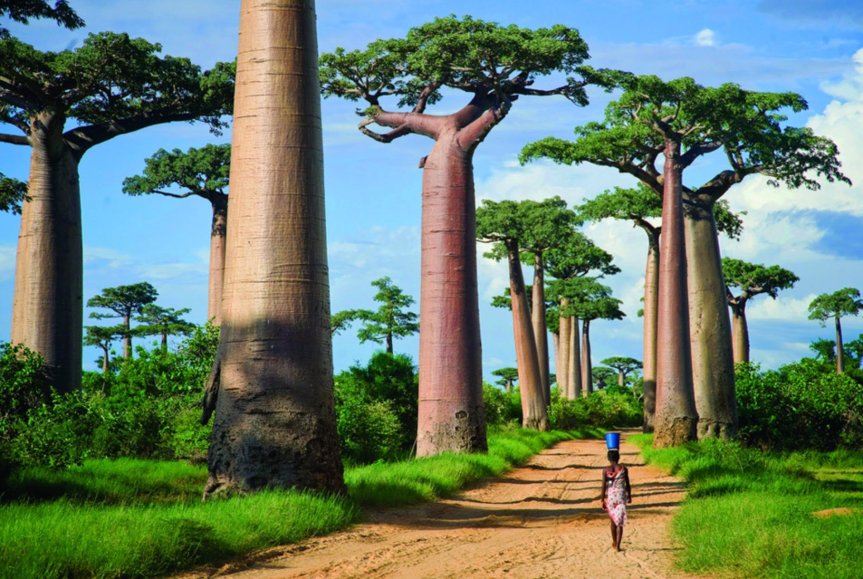
The baobab (Adansonia digitata, Malvaceae) tree is indigenous to sub-Saharan Africa and is an important source of food and economic generation. Leaves, fruit, and seeds are eaten, and timber, fodder, and fibers from the tree are marketed. With roles in traditional medicine, culture, and religions, it is widely considered a sacred tree and often allowed to thrive in agricultural lands. Baobab is known to be high in vitamin C and other nutrients. However, nutritional studies on baobab vary greatly by sourced material and analytical methods. In addition, data on nutrients from east and south African baobabs have not been previously reported. Therefore, the authors analyzed fruit pulp and seeds from 17 populations in east, south, and west African nations (Kenya, Tanzania, Mali, Zambia, Zimbabwe, and Malawi) to determine if the region of origin affects nutrient content.

Provenances were from 8-1114 meters above sea level with rainfall of 463-1125…

View original post 816 more words

Useful Links and Resources

Crooked Bear Creek Organic Herbs's avatarCrooked Bear Creek Organic Herbs

For more information and updates on the work of the three partner organizations of the ABC-AHP-NCNPR Botanical Adulterants Program, please visit ABC at www.herbalgram.org, AHP at www.herbal-ahp.organd NCNPR at www.pharmacy.olemiss.edu/ncnpr/.

Other Helpful Resources and Links: 

AHPA’s Botanical Identity References Compendium:
http://www.botanicalauthentication.org/index.php/Main_Page

AHPA’s Keep Supplements Clean Website:
http://www.keepsupplementsclean.org/intl_enforcement.html

Botanical Nomenclature Resource – Royal Gardens-Kew:
http://mpns.kew.org/mpns-portal/

Chinese Medicinal Plants Authentication Centre:
http://www.kew.org/science/ecbot/ecbot-cmpac.html

European Commission’s Rapid Alert System for Food and Feed:
https://webgate.ec.europa.eu/rasff-window/consumers/

Food and Drug Administration’s Center for Drug Evaluation and Research (CDER) List of Tainted Products Marketed as Dietary Supplements
http://www.accessdata.fda.gov/scripts/sda/sdNavigation.cfm?sd=tainted_supplements_cder

Safety Alerts and Products Recalls: Products found to contain undeclared medicines. Drug Office, Department of Health, The Government of the Hong Kong Special Administrative Region:
http://www.drugoffice.gov.hk/eps/do/en/consumer/safety_alerts_and_medical_recalls/undeclared_medicines.html

US Botanical Safety Laboratory:
http://www.botanical-safety.com/us-botanical-safety-laboratory/85-botanical-identity-testing

USP Food Fraud Database:
http://www.foodfraud.org/

View original post

New event scheduled! Old Growth Forest Hike & Spring Water Gathering

Greetings!

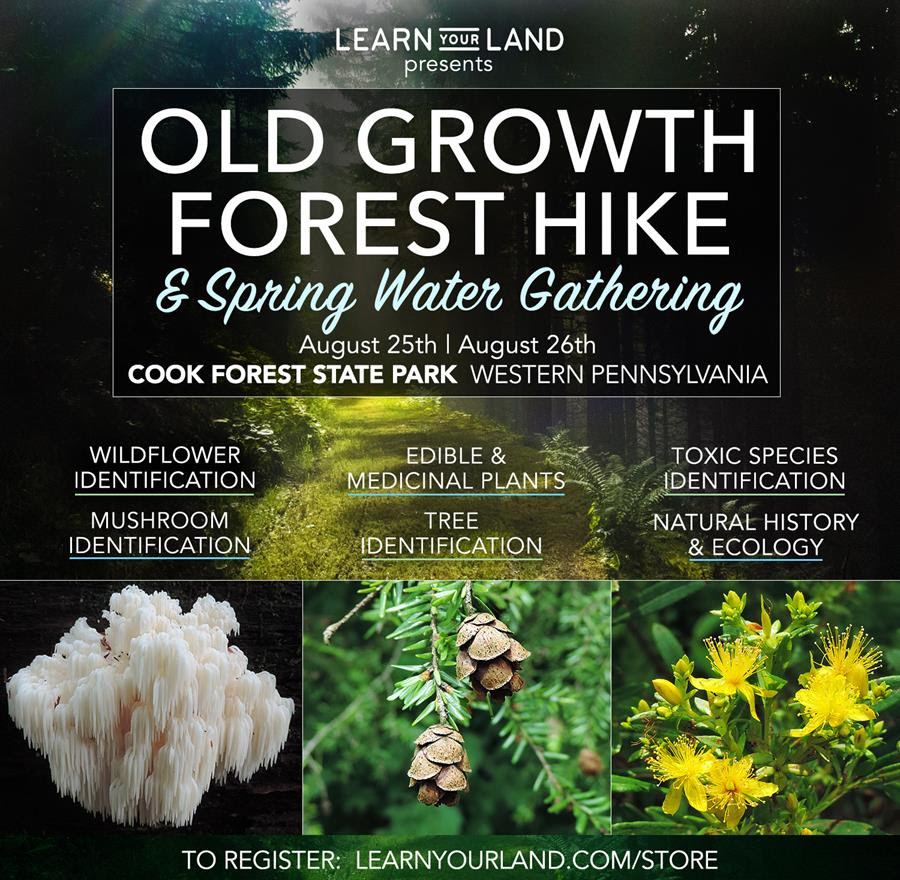
I am excited to announce that I will be leading the Old Growth Forest Hike & Spring Water Gathering during the weekend of August 25th and 26th at Cook Forest State Park.  And of course, I’d love for you to join us!

If you’ve never experienced the magnificence of Cook Forest, it truly is one of the most remarkable natural areas in Pennsylvania.  This particular ecosystem encompasses one of the last remaining old growth forests in the entire eastern United States, currently hosting 11 old growth areas that total over 2,300 acres.  One of these areas within the park, the Forest Cathedral, contains arguably the finest concentration of old growth trees in the northeastern United States.  This special area is home to dozens of old growth eastern white pine and hemlock trees, many over 300 years old and towering above 140 feet in height!

In this event, we will hike and explore the Forest Cathedral surrounded by Pennsylvania’s tallest and oldest trees while discussing:

  • Edible and medicinal plants
  • Edible and medicinal mushrooms
  • Tree identification, along with edible and medicinal uses
  • Medicine-making using wild plants and mushrooms
  • Natural history of the area

…and lots more!

For the second part of the event, we will visit a pristine spring to gather wild Pennsylvania water straight from the source.  As you may or may not know, I’ve been harvesting wild water from springs all over the country as part of my personal health strategy for several years, championing the idea that nature’s wild water can provide the perfect alternative to other conventional hydration strategies (tap water, bottled water, commercial filters, etc.).

During this second part of the event, we will discuss the benefits of drinking wild spring water, the importance of developing your own personalized water strategy, and locations of other fantastic springs.  You are encouraged to bring your own collection vessels so that you can harvest fresh, clean spring water following the event.

Interested?  Here are more details:

What: Old Growth Forest Hike & Spring Water Gathering
When: Saturday, August 25th OR Sunday, August 26th
Where: Cook Forest State Park, Western Pennsylvania
Time: 12:00 PM — 5:00 PM

The program is geared toward adults and will entail moderate hiking (about 1.5 miles).

Please note that in order to maximize your learning experience, space is limited and registration with payment in advance is required to secure your spot.

To purchase your ticket, and to learn more about the outing, please visit the following link and choose the appropriate session:

Old Growth Forest Hike & Spring Water Gathering

I’d love to see you there!
—Adam Haritan
Honeysuckle {Lonicera caprifolium / Lonicera japonica}

Crooked Bear Creek Organic Herbs's avatarCrooked Bear Creek Organic Herbs

Also Known As,

  • Honeysuckle
  • Jin Yin Hua

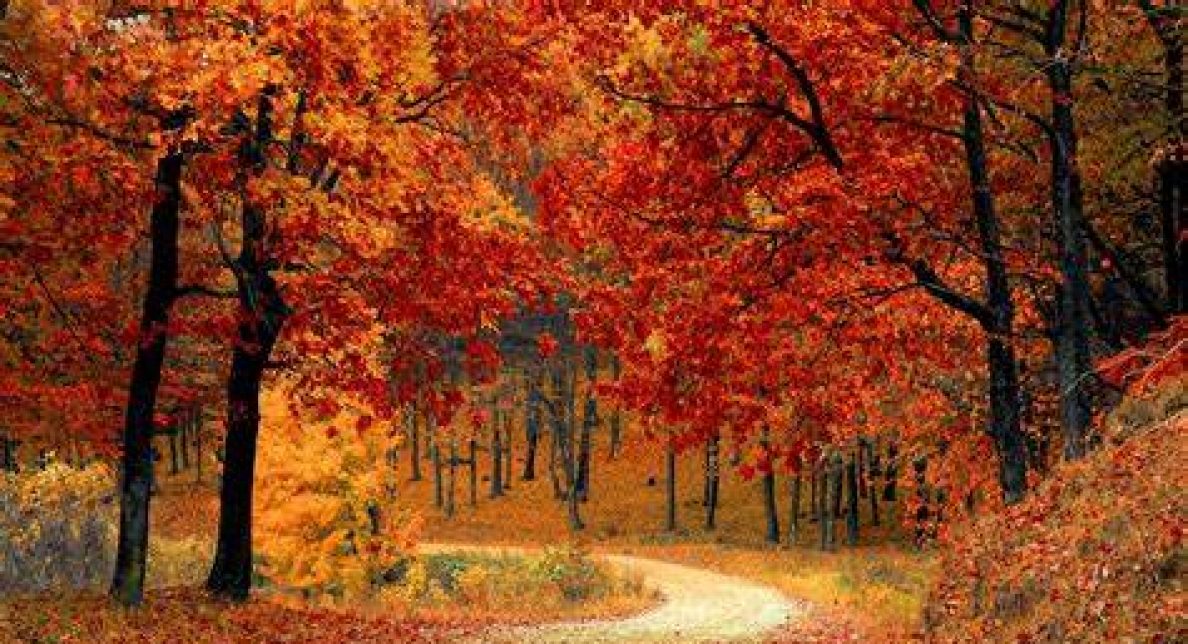
The herbal plant called the honeysuckle is a climbing plant that can grow to twelve ft – four meters – in length. The plant comes in several varieties, and some varieties are deciduous – example, the L. caprifolium variety – while some are semi-evergreen – the Asian honeysuckle or jin yin hua, L. japonica. The plant bears oval-shaped leaves that come in pairs on the branches. The tubular shaped flowers of the plants come in a variety of colors, the yellow-orange flowers of the European variety or the yellow-white colored ones of the jin yin hua. The European honeysuckle variety bears red colored berries and while the berries of the jin yin hua variety are black in color.

The European honeysuckle or “Woodbine” – the L. periclymenum to botanists – was at one time employed widely as an herbal remedy for problems like…

View original post 1,376 more words

Herbal Meditations and Magic for Thriving in a Neo-Colonial World

Ancestral Arts's avatarAncestral Apothecary

Guest student post by Avani Mody


Sunrise:

There is an incomparable beauty to sunrise. The time of the gods, as it is described in Ayurvedic traditions. As a child my father told me, walk barefoot on the earth and take in the green grass at sunrise, to strengthen my eyes. The combination of a luscious green and morning sunlight, calmed my eyes and mind. During my recent, formal herbal education, this advice remains in my psyche. The colors, beauty and feel of the plants, indeed calm my mind, and strengthen my vision my ability to see in multiple dimensions. Plant meditations are one of the ways I like to spend time with plants and imbue myself with their serenity.

Neo-Colonial Herbalism:

Learning herbal medicine that is rooted in traditional cultures, resilience and a holistic worldview is complex and profound. In our contemporary society, and perhaps especially here in the…

View original post 900 more words