
Lemon grass is probably one of the easiest, cheapest herbs you can grow.
via Add Lemongrass to Your Garden Plans — The Herb Society of America Blog
Lemon grass is probably one of the easiest, cheapest herbs you can grow.
via Add Lemongrass to Your Garden Plans — The Herb Society of America Blog

These two recipes are prepared as teas but are not taken in your tea cup – they help with the discomfort of flu season in other ways.
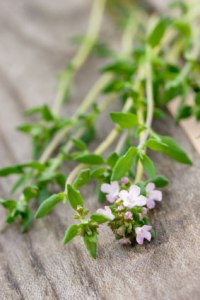 This traditional herbal steam helps open your sinuses, discourages bacterial and viral growth, and reduces pain and inflammation. Remember to stay a comfortable distance from the steaming pot to avoid burning your face.
8 – 12 teaspoons fresh or 4 teaspoons dried eucalyptus leaf {Eucalyptus globulus}
2 – 3 tablespoons fresh or 1 tablespoon dried peppermint leaf
2 – 3 tablespoons fresh or 1 tablespoon dried thyme herb
3 cups purified water
Essential oils of the herbs above {optional}
Place the eucalyptus, peppermint, thyme, and water in a saucepan and stir to thoroughly combine. Bring to a boil, reduce the heat, and simmer, covered, for 5 to 10 minutes. Remove from the heat and uncover. Drape a large towel…
View original post 371 more words
Little is firmly known about the particulars of today’s holiday since the limited sources available are either folkloric literature like the Celtic sagas or Roman authors who would have likely “trashed” the traditions of a culture with which they were often in conflict.
Although, you can kind of imagine what really went on back then. Different cultures around the world gathered in a ceremony to honor their ancestors on and around November 1st. This sacred day was often known as a cosmic aperture, where the veils get thin, and the souls from “the other side” can contact us with more ease. There’s plenty of written experiences where people have encounters with spirits or ancestral anecdotes from all over the world regarding the ceremonial processing of these mystical energies. Samhain, for example, is very well known as its a three day ancient Celtic pagan festival…
View original post 814 more words
Autumn is the time to ground down and return to our inward selves. After the ethereal light and abundant days of summer, we start to prepare for the darker days ahead. It’s the best time of year to set intentions, get quiet, create and manifest dreams, and to re-commit to healthy habits–the simple things that add up to a healthier state of being.
Wherever you are in the world and whether you experience a dark winter or not, honoring the seasons within the body is one of the most fundamental practices within herbalism.
From a holistic, traditional standpoint, each season is characteristic to an element or quality within nature, and we should guide our lifestyle choices to support the season. For example, in Traditional Chinese Medicine, this season marks the beginning of the Yin (cool, watery, deep) part of…
View original post 618 more words
The moonlight shines through the window in my kitchen as I carefully use a mortar and pestle to grind dried herbs for making tea. Candlelight softly illuminates the space, and I have my recipe book with me, ensuring that I record everything that I’m doing for future use. Magic is in the air; working in a sacred space at a sacred time on the Fall Equinox ensures that these medicines will be potent, effective, and magical. On the counter, I’ve already finished my fresh New England Aster flower tincture; this keeps my lungs in good health and helps me manage my chronic asthma without pharmaceuticals. A pot of olive oil is infusing with herbs is on the stove; I am getting ready to add beeswax and pour it off into small jars. This healing salve will be for friends and family as Yule gifts. The kitchen is bursting with good…
View original post 2,609 more words
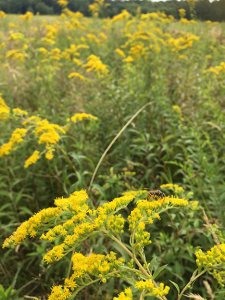 Field of Goldenrod in Fall
A field of goldenrod, nettle, and aster greet me on this warm post- Fall Equinox day. As the moon comes up with a sliver in the afternoon sky, I joyfully take my basket and harvest knife into the field for my fall plant preparations. The breeze has change on the air–winter is coming soon, and the sacred medicines I prepare will bring my family nourishment and strength for the coming dark half of the year. As we are well into the harvest season at this lovely Fall Equinox, I thought I’d take the time to talk about harvesting and preparation by the sun and moon and honoring the harvest. Next week, I’ll talk about the most basic plant preparations and we’ll end this series with talking about energetic preparations through the creation of flower and leaf essences. That is, we’ll talk about the medicine of…
View original post 1,533 more words
Guest student post by third year Cecemanna student Beth Sachnoff.
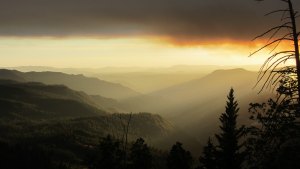
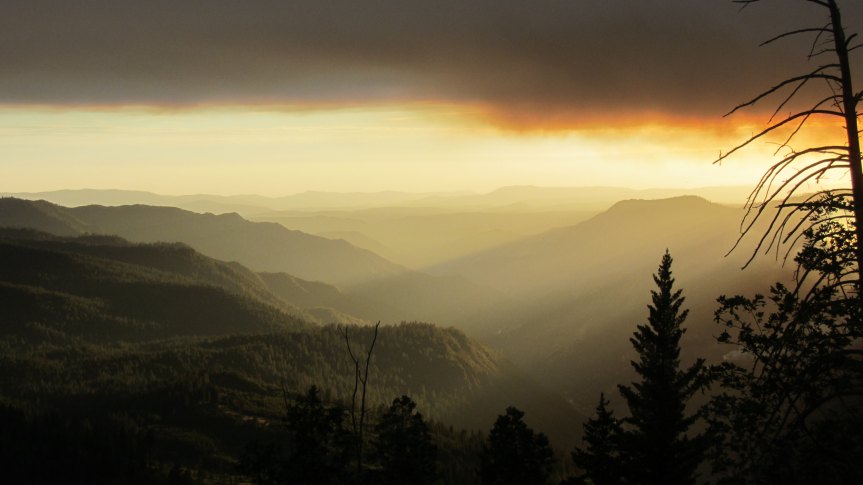
Here in California a fifth season has emerged. As we move from the warm months of summer into the dry winds of autumn we enter what has been the peak time for California wildfires. In this era marked by extreme drought, years of fire suppression and climate change, fires have raged up and down California and the Pacific Northwest. This year alone, 1,258,880 acres have burned in California[1].
Driving up north to the mountains last month I was met with gray skies and smoky hazy air. The land is on fire. There was a heaviness in my heart and a deep sense of grief for the lives, homes and livelihoods lost. Back home in the Bay Area the air hung heavy with pollution carried from fires miles and miles away. Schools were instructed to keep children in-doors, and air…
View original post 1,443 more words
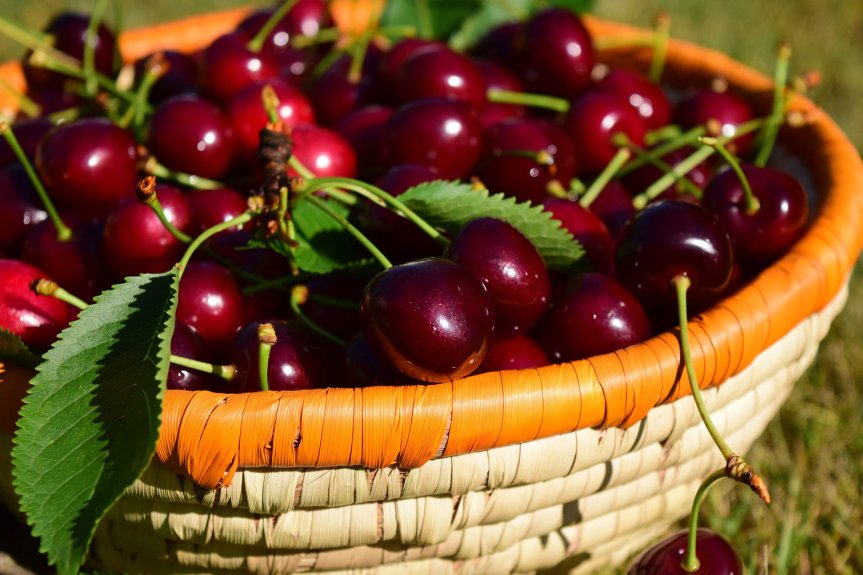
Take advantage of the fleeting cherry season to explore the fruit’s sweet side, sour side, and beneficial side. Due to their anti-inflammatory properties, cherry fruit and cherry bark have been used to treat and support a wide variety of chronic inflammatory conditions. In addition, the fruit’s rich phenolic compound content has been studied for their potential benefits for sleep disorders, exercise recovery, and cognitive function.
Known for both their ornamental beauty and sweet and tart fruits, cherry (Prunus spp.) trees are among the 3,400 species that belong to the economically important rose (Rosaceae) family. This botanical family also includes other fruit-bearing trees such as apples (Malus spp.) and pears (Pyrus spp.), as well as herbaceous perennials like strawberries (Fragaria spp.) and brambles like blackberries (Rubus spp.) and raspberries (Rubus spp.).1
Cherry fruits are produced by various trees…
View original post 3,878 more words
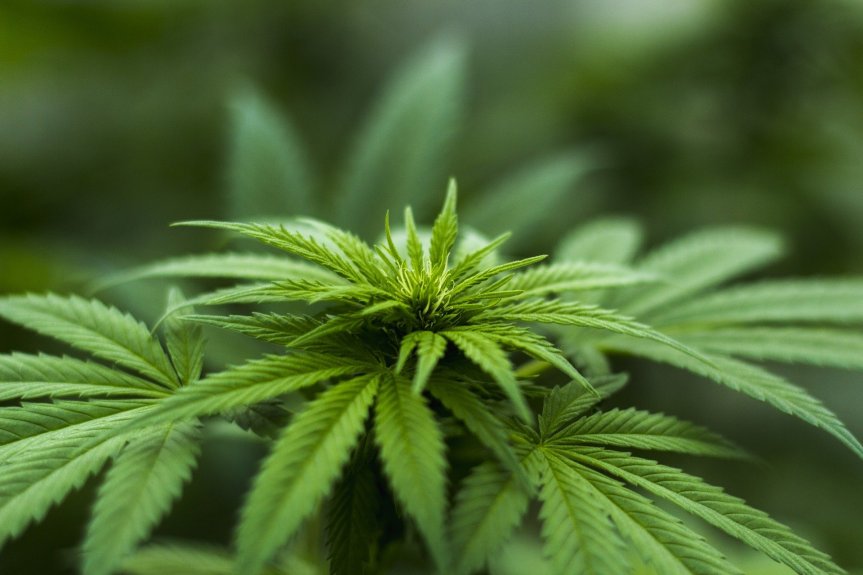
Proper exposition requires definition, certainly the case in the longstanding debate over cannabis (Cannabis sativa, Cannabaceae) speciation. Authors briefly introduce the ongoing dispute between followers of Fuchs (1542 CE) and Linnaeus (1753) and those of Lamarck (1783) and Schultes (1974). Lamarck described the putative “C. indica” and has been followed by proposed “compromise” naming like “C. afghanica,’ “C. ruderalis,” etc. If one holds that a species includes all plants capable of reproduction with each other, there is no debate. Cannabis is quite variable in height, branch density, leaf width, seed size, organoleptic and chemical traits, but all cannabis plants can interbreed. Nonetheless, “Sativa” and “Indica,” especially, have entered the popular lexicon, used even in medical cannabis dispensaries to denote the reputed differences in effect. A plethora of “strain” names – more properly varieties or cultivars, despite the illegality of the plant in…
View original post 667 more words
I believe in happy endings...
Creating stories for pleasure
Shh I'm Writing
Nothing is True. Everything is Connected.
Medical Intuition, Astrology, Soul Readings, Intuitive Coaching, Tarot, Reiki: Inspiring and Empowering Visionaries, Artists and Healers
30th Anniversary Edition
Weekly Challenge from the 118, 126, & 113
all things fanfic...
Crystals, and all things Magical
welcome to the inner workings of my mind...
Learn • Explore • Grow
A Journey of Discovery
Where Canon has No Meaning and Universes Collide
Just another WordPress.com site
The Crime Drama Advent Calendar
Just another WordPress.com site
Here there be Dragons
Fanfiction and original stories from Toasterpop
Seeking Ideas Beyond Conventional Thought
Writting, Drafts, Ideas
All Things Wicked and Wonderful
Author, Editor, Photographer, Artist
Honoring their service and building their legacy. The official blog of the Vietnam Veterans Memorial Fund.
Art and Stories for all things 00Q, since 2014
Where the Writer Comes First.
FanFiction Author
The home of the Every Fandom Bang and Reverse Bang!
n. pl. pe·num·brae (-br) or pe·num·bras 1. A partial shadow, as in an eclipse, between regions of complete shadow and complete illumination.
Witchcraft for the Everyday and the Extraordinary
... and this is what I like
Fanfiction Recommendations ~ Slash, Femslash, & Het Fanfic Recs
EVIL AUTHOR DAY
Recipes from the Past
what my demented mind comes up with
Nothing is True. Everything is Connected
The Multi-Fandom Fix-it Big Bang
a place for me to share what I've written
Enchanted World of Magical Gardening ~ Crystals & Gemstones ~ Locally Grown Organic Herbs
m/m original fiction and fanfic for adults only
It's All About The Romance



 Paths I Walk
You must be logged in to post a comment.