Category: Herbs
Sage the Savior by Susun S Weed
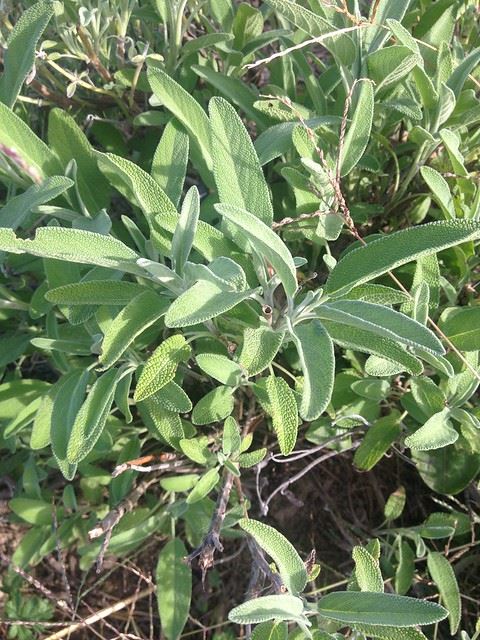
Does the odor of sage evoke warmth, cheer, and holiday feasts for you? Sage has long been used to add savor, magic, and medicine to winter meals. Culinary sage is available at any grocery store, and sage is one of the easiest of all herbs to grow — whether in a pot, on a windowsill, or in the garden. So, grab some sage, inhale deeply, and let me tell you more about this old friend.
Sage is Salvia, which means “savior.” As a member of the mint family, it has many of the healing properties of its sisters. Of special note are the high levels of calcium and other bone-building minerals in all mints, including sage, and the exceptionally generous amounts of antioxidant vitamins they offer us.
Everywhere sage grows — from Japan to China, India, Russia, Europe, and the Americas — people have valued it highly and used…
View original post 983 more words
Valerian Root Benefits: How to Use Nature’s Wonder Root


When Hippocrates had a headache, it’s possible he enjoyed a nice steaming cup of valerian root tea. The ancient Greek physician was one of the first to describe the therapeutic benefits of valerian root.
Since the early days in Greece and Rome, people sought the benefits of valerian for everything from head discomfort to heart health, nervousness, feminine issues, and the blues. Valerian brings some unique mythological history as well. People once used it to keep away troublesome elves — stay away Dobby! — and folklore experts believe it helped the Pied Piper lure rats away from town.
What Is Valerian?
Garden valerian (Valeriana officinalis) is also known as garden heliotrope, Tagar (in Ayurvedic medicine), cut-finger, and all-heal — funny names for a potent plant! The species originally grew in Asia and Europe, but it now grows throughout North America, as well. Its scientific name derives from the Latin…
View original post 1,544 more words
Astragalus; Adaptogen Herb for Stress and Balance
What are adaptogens?
Adaptogens are herbs that help us adapt to changes and stress caused by physical, biological, emotional, and environmental factors. They can assist in restoring balance within the body and help us defend against both chronic and acute stressors.
One of my favorite adaptogens is astragalus.
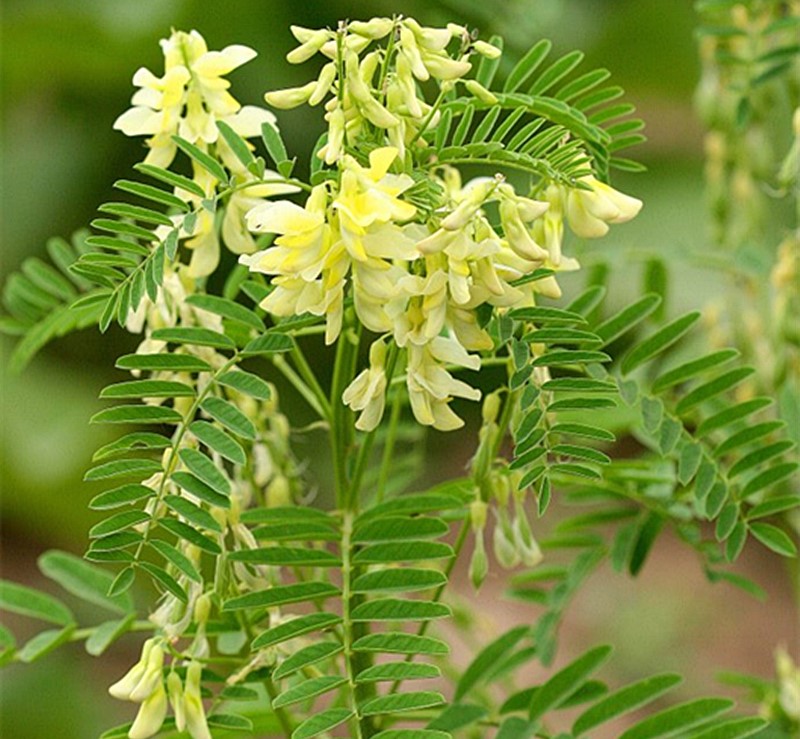
Astragalus (Astragalus Membranaceus)
Astragalus is an adaptogenic herb often used in Chinese medicine. It is calming to the Central Nervous System (CNS) and has antimicrobial properties. Astragalus helps support respiratory functions making it useful in times of infection and useful for allergies and asthma. This herb thought to boost the immune system, increase energy, and address fatigue associated with chemotherapy and chronic illness.
Due to it’s antibacterial and antiviral properties, along with its immune-boosting capabilities it may be useful in preventing and decreasing the severity of common colds and respiratory infections. Astragalus may also be used with herbs such…
View original post 1,327 more words
Thornapple, Gender and Ritual Application | Coby Michael Ward
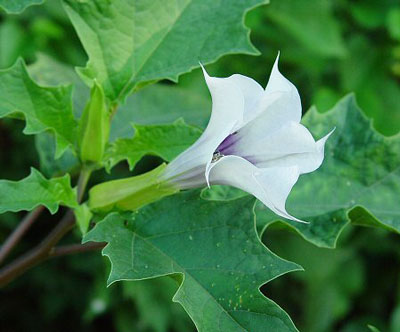
Cultivating the Devil’s Apple aka Thornapple
I spent part of this afternoon harvesting my Thornapple plants. One of them grew to be close to five feet high! The Thornapple I grew this year is a Datura stramonium var. tatula; similar to the common Datura stramonium only it is less shrubby and has lavender-purple flowers. I harvested leaves, seedpods, and stems. I have a few workshops coming up over Samhain season on different aspects of the Poison Path and like to have the actual plants on hand for anyone interested in working with them. Part of my bargain with said plants is to make them available to others and teach people how to use them. All parts of the plant are going to be put to various uses. The leaves are dried and used for spirit offerings, intense personal cleansing and as spell ingredients. The stems, when dried become hard…
View original post 1,105 more words
Warm, Spicy Aroma of Cinnamon

The warm, spicy aroma of cinnamon wafting from baked goods and hot apple cider is one of the first and welcome signs of autumn. An ancient and beloved spice, we have long valued cinnamon to enliven cuisine, create exotic perfumes, and as a staple spice rack remedy.
Though many species of cinnamon exist, the most common is Cassia {cinnamomum cassia}, known also as Chinese cinnamon, and Ceylon {Cinnamomum zylanicum}, which is a related species of tropical evergreen trees in the Lauraceae family native to East and Southeast Asia. While Cassia is most familiar to the United States, its cousin Ceylon is considered “true” cinnamon and more popular in Europe and Mexico.

First appearing in Traditional Chinese Medical texts over 4,000 years ago, cinnamon was used to boost the immune system and unblock yang qi. The Egyptians prized it as food, perfume, and incense while Ayurvedic…
View original post 678 more words
Deadly Delicacies from Emporium Black | Coby Michael Ward

I love introducing people to new things in the magical community. I love networking with fellow practitioners and pointing people in the right direction to help meet their needs because I know how difficult this labyrinth can be to navigate.

The chocolate was amazing and the subtle taste of the herb-infused honey was noticeable enough that you knew there was more than a trace amount of plant material in them. The exact amounts are a trade secret, and Seamus is always happy to answer any questions potential customers might have.

The rose flavor was pervasive, not in a bad way. You could taste and smell the roses long after eating the truffle, an interesting aromatic effect. The flavor was exactly like the smell of fresh roses, and not artificial at all. The effects of this truffle came on in about an hour as well.

The white chocolate coating of these…
View original post 155 more words
The Best Places to Purchase Herbs and Supplies World-Wide
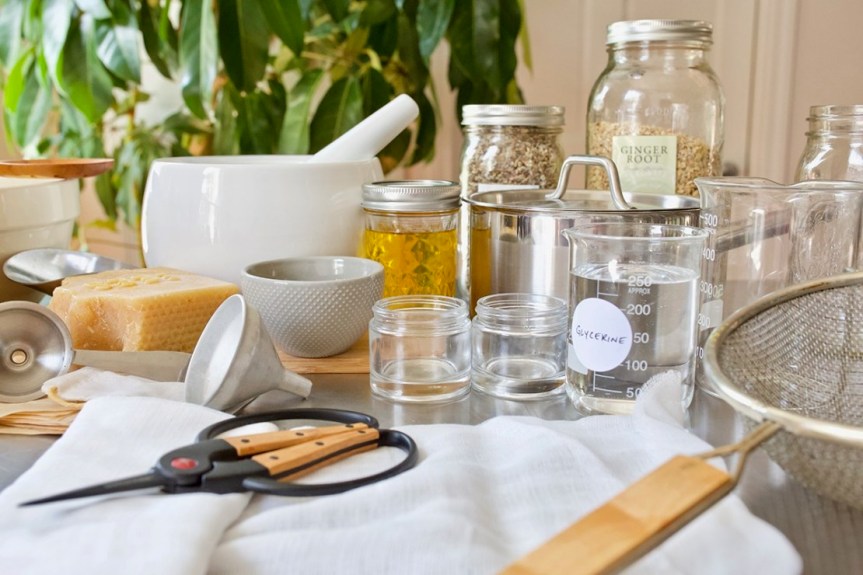
Please keep in mind that the vendors shared here are not endorsed by the Herbal Academy. We have reviewed these suppliers to the best of our ability, but as we mentioned earlier, we recommend that you do your own research to determine if the supplier you are considering ordering from is a good fit for your needs!

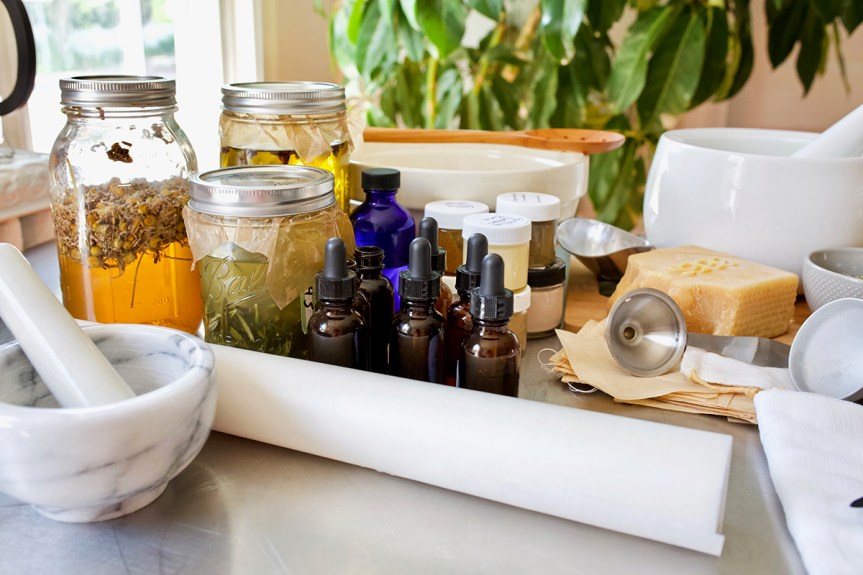 We’ve pulled together some of the best places to purchase herbs and supplies world-wide to make it easier to find what you need for your herbal studies!
Source: The Best Places to Purchase Herbs and Supplies World-Wide
A Deeper Look At Forest Roots

Sandy loam, a substance created by the breakdown of minerals (rock) mixed with the breakdown of carbon (tree or grass detritus). Sandy loam is what we all want, because it is the best all around substrate for growing the plants we love the most: Goldenseal, Ginseng, Black and Blue Cohosh, Wild Yam, Twinleaf, Bloodroot, Stonerooot, Mayapple — the entire interconnected clan of powerfully medicinal shade-loving forest roots. My book “Growing At-Risk” gives a chapter on each of these (and other) herbs of the hardwood forest biome. Let’s look a bit deeper into what can be done to bring these entities down home and help them prosper!
Survey the growing area. It may be a woodland with trees, brush and diverse broadleaf species already intact. If this is the case, identify areas overgrown by weedy species or heavily shaded by dead wood or thin-able trees. Such areas have often been left undisturbed for some time, and the soil may be rich and undisturbed. Clear away dead wood and crowded trees, giving access to the forest floor and providing more light to the growing beds. Forest roots like dappled shade, where sunlight moves across the moist and humus-laden soil in amorphous patches.
After all, even shade-loving herbs eat light! Remove existing weedy species and push your spade into the ground. If you have at least 6 inches of good dirt, then it’s a go. Pull the existing mulch away from the planting bed, which should be at

least 4 feet wide, arranged with a path to the side to guide forest creatures and humans away from the planting, not over the top of the sensitive plants. Pile the mulch in the path, and plant the dormant roots in the bed, then rake the mulch back over the top of the bed. Mark the bed with a heavy stake and a label giving the date and the species planted there. Metal tags may be used for this, so that they do not fade or disintegrate with time. You will be oh-so-happy that you marked your planting spot!
Read full article via Ricoh’s Blog: A Deeper Look at Forest Roots
Make Your Own Herb Kombucha

This popular, fizzy beverage provides flavor, health benefits, and an opportunity to use some of your favorite herbs. Learn how to brew up a batch of homemade kombucha.
Known as the “tea of immortality” in China, where the earliest recorded use dates back to 221 BCE, kombucha has enjoyed an epic rise in popularity here in North America over the last several years. Cruise through the beverage aisles in any grocery store and you’ll likely find kombucha from several different brewing companies, with a huge range of flavors to choose from. The appeal of this unique beverage and the opportunity to personalize it with herbs and other additions make brewing your own kombucha a creative endeavor that tastes good and may also offer some benefits to your health.
Getting Started
So, what exactly is kombucha? It’s a fermented tea – a combination of brewed tea from the Camellia sinensis plant…
View original post 1,975 more words
 Paths I Walk
You must be logged in to post a comment.