
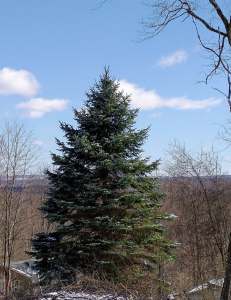
 The beautiful blue spruce looking across the landscape on a mountain in Western PA
When I lived in a walkable small town, what drew me every day was a line of beautiful blue spruce trees. Right around the corner from my house, they were on my daily walking commute to work. We used to say hello and do an energy exchange each day. One day that following summer, I watched as the city landscaping people came through and ruthlessly cut them back away from the power lines (they were not growing even close to the lines) and I held space for the trees. Over the next few months, those trees began to heal, and they produced copious amounts of amazing tree resin as a first line of defense. In the years that followed, eventually, the resin grew hard and the trees invited me to harvest small amounts that could be…
View original post 3,220 more words

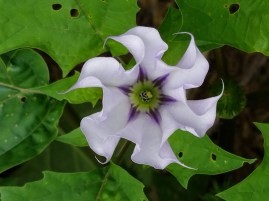 The nightshade family of plants sounds ominous – how could it not with the use of the words night and shade? The official name of this family is Solanaceae, and these plants are characterized by the shape of the flower, which in some cases feature near perfect pentagrams of petals, sepals, and stamens, and in others the petals are fused to form long tubes.
 Although many…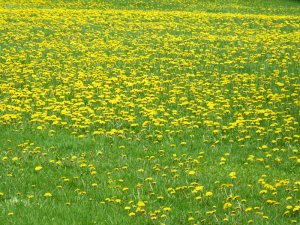
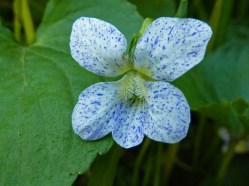 A common harbinger of spring is the showy dandelion with its bright yellow flower that pops against newly greening lawns. With dandelion sightings, so the debate begins between those who want the perfectly manicured lawn and environmentalists who see dandelions as an early food source for pollinators and beneficials. The dazzling dandelion outshines another harbinger of spring, and that is the less-assuming violet.
 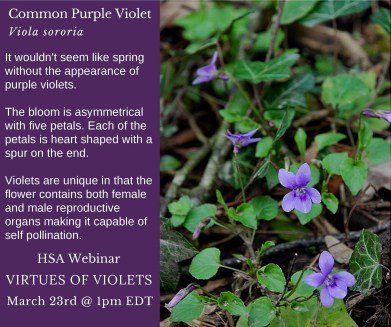 Little do many of us realize that v

 As an herbalist I’m interested in many aspects of plants – from their use in herbal and conventional medicine, to lore that informs us how those in the past viewed the plant. I knew that Taxol was a cancer drug made from the yew tree, but when a friend mentioned its poisonous aspects, I decided to dig a bit deeper.






 Paths I Walk
You must be logged in to post a comment.