Create Your Own Personal Haven—Anywhere

Crooked Bear Creek Organic Herbs's avatarGood Witches Homestead

Stress! It’s the scourge of our contemporary society. And the thought of retiring to a safe haven where you can banish stress, repair your nerves, and renew your life is a concept whose time has come. Creating a personal sanctuary, whether it be in a bedroom, bathroom, patio, garden, or the Great Outdoors, seems to be a cherished goal for many of us stressed-out people.

But how to go about fashioning such a retreat? What elements are required, and can you do it in a limited space and on a tight budget? These questions and many others form the contents of my book, A Sanctuary of Your Own. Perhaps you’ve read books, visited websites, and watched TV programs dedicated to this subject. With wild enthusiasm, you’ve started designing your space, and you’re halfway there. But, somehow things aren’t quite gelling. So in this short article, I’ll distill some of…

View original post 1,536 more words

LEGAL ALERT: FDA sends warns 15 companies for allegedly selling CBD products that violate the FD&C Act (FDA)

Crooked Bear Creek Organic Herbs's avatarCrooked Bear Creek Organic Herbs

FDA sent warning letters to 15 companies for allegedly selling products containing cannabidiol (CBD) in ways that violate the Federal Food, Drug, and Cosmetic Act (FD&C Act). In a press release, the FDA stated that based on the lack of scientific information supporting the safety of CBD in food, it cannot conclude that CBD is generally recognized as safe (GRAS). Previously, the FDA had primarily maintained that CBD was prohibited in conventional food products because substantial clinical investigations were initiated and made public on a drug containing CBD. FDA continues to explore potential pathways for various types of CBD products to be lawfully marketed and plans to provide an update on its progress in the coming weeks.
FDA highlighted specific concerns in the warning letters, including:
  • Products intended to treat a disease or otherwise have a therapeutic or medical use, and any product (other than food) that is intended to…

View original post 1,619 more words

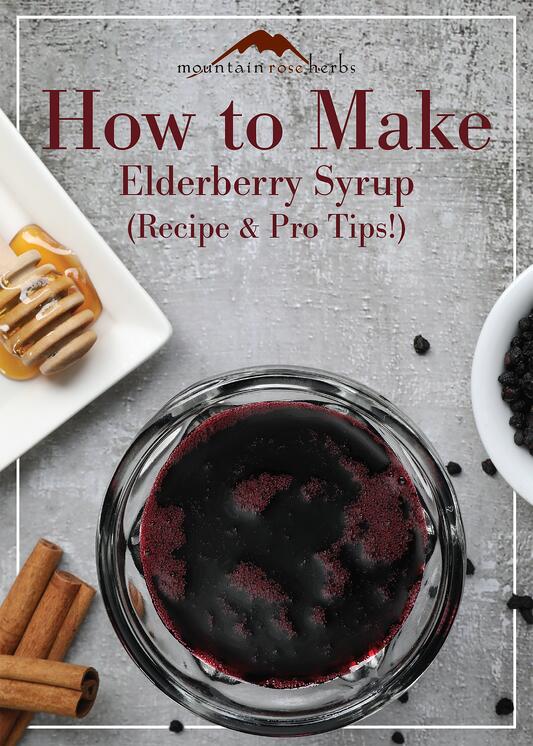
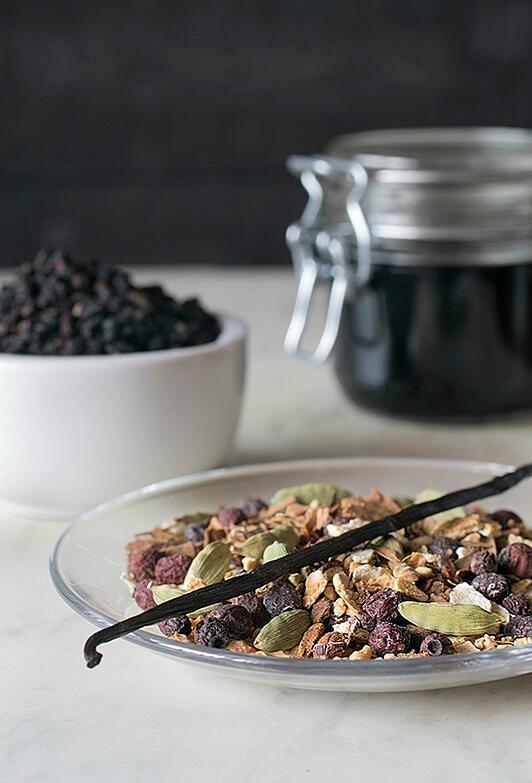
How to Make Elderberry Syrup for Immune Health

Crooked Bear Creek Organic Herbs's avatarGood Witches Homestead

Each year as winter approaches, I reliably find my patients asking me about the best herbal remedies to use during the cold weather months. One of the most common questions I encounter is, “What nutritional preparations can I use to help keep my family strong and healthy throughout the sniffle season?”. There’s a wide array of herbs well-suited to addressing specific and general winter wellness goals, but one of my favorite, tried-and-true choices for general immune support is the elderberry.

And while there are lots of ways to enjoy the healthful benefits of elderberries, one of the best-loved is that longtime herbal apothecary staple, elderberry syrup.

Elderberry Syrup Benefits

The berries, flowers, and bark of the elder (Sambucus) plant have long been prized by herbalists across the globe, and modern studies have also substantiated the berries’ ability to help maintain normal, healthy functioning of our immune system*. This makes elderberry an…

View original post 1,163 more words

Ancestral Herbalism and Samhain: Working Deeply with Rosemary

Dana's avatarThe Druid's Garden

Rosemary from the Plant Spirit Oracle Rosemary Card from the Plant Spirit Oracle

As we quickly approach Samhain, it is a useful practice to spend some time with rosemary (Rosmarinus officinalis) and build here into your Samhain practices. In this post, we look into some of the magic and medicine of Rosemary, and I share a number of ancestor and Samhain-focused practices that you can use with Rosemary.

An Ancestral Ally of Humans: History, Medicine, Magic

Before we get into what you can make or do with rosemary, let’s spend some time exploring and understanding this ancient herb. Rosemary has been with humanity almost as long as we have written records. Native to the mediterranean region, rosemary was first found referenced on cuineform tablets from Ancient Egypt that are from 5000 BCE–thus, humanity has at least an 8000 year old relationship with this herb (but I suspect it is much longer than our written history!)…

View original post 1,368 more words

DIY Decongestant Rub

Crooked Bear Creek Organic Herbs's avatarCrooked Bear Creek Organic Herbs

Use this DIY decongestant rub to drive away persistent coughs.

I’m not going to lie, I actually love the smell of Vicks vapor rub, but in the aim of having a DIY home, I had to give this a go myself and it really does work. The other beauty here is that when you put Vicks under your nose, it kind of burns; this does not! It’s also great for headaches – just put a little on your temples and where the pain is on your forehead.

Yield: makes 150g

Ingredients

  • 150g coconut oil
  • 4 sprigs each of oregano, sage, thyme, and basil, ripped into pieces
  • 15 drops of thyme essential oil
  • 15 drops of eucalyptus essential oil
  • 15 drops of lavender essential oil
  • 10 drops of lemon essential oil

Instructions

Gently heat the coconut oil and all of the herbs in a double boiler until the oil begins to…

View original post 120 more words

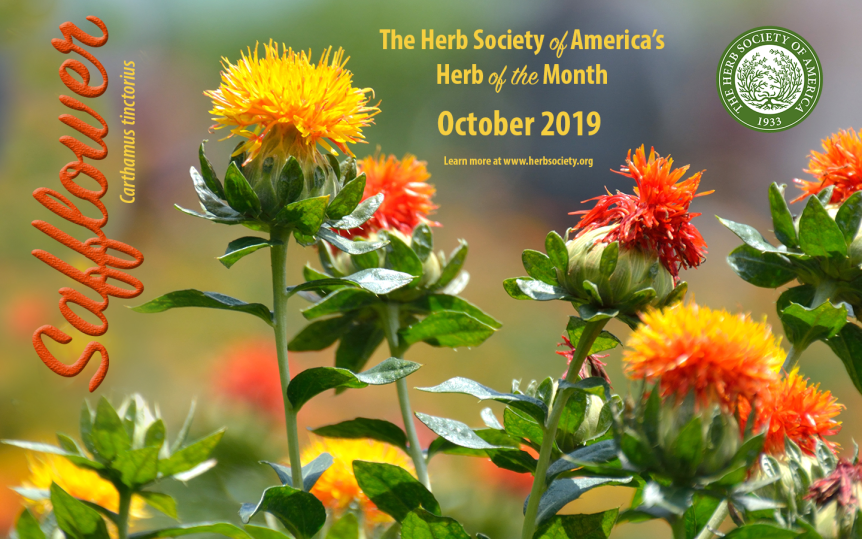
October Herb of the Month, Safflower

Crooked Bear Creek Organic Herbs's avatarCrooked Bear Creek Organic Herbs

Safflower, Carthamus tinctorius

Did You Know?

• Safflower produces a thistle-like flower ranging in color from yellow to dark red.
• It is one of the oldest cultivated plants, originally grown to use the flowers as coloring agents for food,
cosmetics, and textiles.
• Safflower garlands were found in Tutankhamun’s tomb (around 1323 BCE).
• The pigment from the flower petals is known as carthamin and was used to dye Egyptian textiles dating back to the 12th dynasty.
• As a food additive, carthamin is known as Natural Red 26.
• The flower petals have been substituted for saffron since they do produce a similar color and flavor.
• Commercial production of safflower is primarily for oil pressed from the seeds. By-products of this process create livestock meal and are used in making soap.
• A small amount of commercially grown safflower is for birdseed.
• There are two types of safflower…

View original post 674 more words

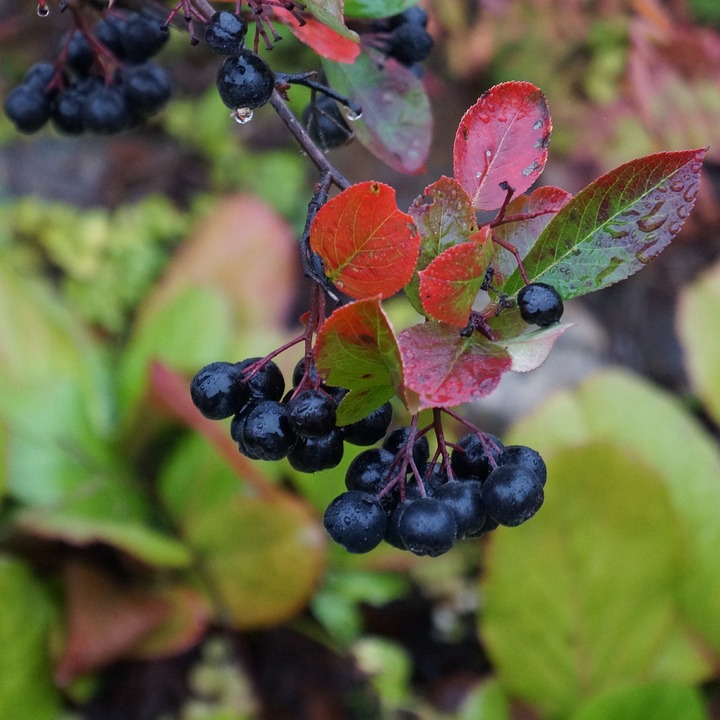
Food as Medicine: Black Chokeberry (Aronia melanocarpa, Rosaceae)

Crooked Bear Creek Organic Herbs's avatarCrooked Bear Creek Organic Herbs

Black chokeberry (Aronia melanocarpa), also known as aronia berry, is a member of the economically important rose (Rosaceae) family, which includes other pome-producing plants like apple (Malus spp.), pear (Pyrus spp.), and quince (Cydonia oblonga). A pome is a fruit produced by the Malinae subtribe within Rosaceae. The genus Aronia includes two species of shrubs that are both native to North America: A. melanocarpa (black chokeberry) and A. arbutifolia (red chokeberry).1 Aronia melanocarpa grows to a height of 4-8 feet (1.2-2.4 meters) and is a cold-hardy, deciduous, thicket-forming shrub that prefers full sun and woodland edges.2,3 Black chokeberry’s natural range extends from the northeastern part of North America and the Great Lakes region to the Appalachian Mountains.1

In spring, black chokeberry shrubs produce clusters of white-to-pink flowers that are 2-2.5 inches long and each form 10-15 pea-sized, purple-black pomes after…

View original post 3,344 more words

How To Be Naturally Healthy Featuring Rosemary Gladstar (FREE Registration)

Crooked Bear Creek Organic Herbs's avatarCrooked Bear Creek Organic Herbs

Home Medicine Summit: October 14 – 20, 2019

Home Medicine Summit

Here’s Just A Small Sample Of The Practical Skills And Knowledge You Can Expect To Gain During This Exciting FREE Global Event:

4 garlic

Why herbs that are grown Biodynamically yield the most potent medicinal herbs.

2 chili

The link between your gut microbiome and your sleep + the best herbs for better sleep.

flower

Discover Rosemary Gladstar’s most favorite herb.

1 mortar

7 Tips for staying healthy while traveling, and the herbs you need if you do get sick on the road.

6 lavender

How to make the most effective cannabis medicines in your own kitchen.

5 elder plant

5 Uses Of Elderberry – Go beyond syrups and discover its 15,000-year history.

4 garlic

What to do (and NOT do) if an influenza epidemic or pandemic breaks out.

2 chili

Understand the 4-stage process of Lyme disease (and specific protocols for handling each stage).

flower

Learn how to translate human herb dosages to treat pets, and what you…

View original post 362 more words

A New Study Supports The Claim That This Mushroom Can Stave Off Dementia

Greetings!

I’m constantly scanning the scientific literature in search of new studies that document the healing potential of mushrooms.  Recently, I encountered a study whose results lend even more support to the use of one particular mushroom for cognitive health.

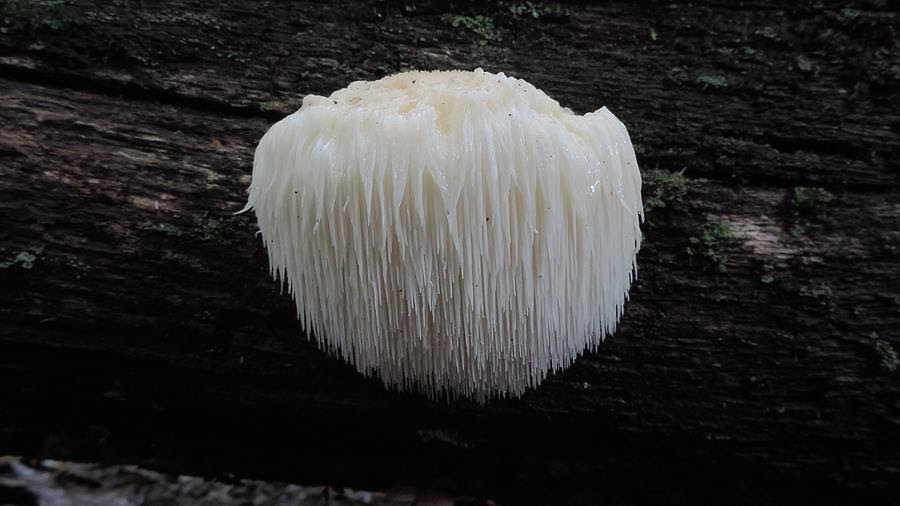
Lion’s Mane (Hericium erinaceus) is an edible mushroom whose fruiting body consists of an unbranched, cushiony mass of icicle-like spines.  This fungus is a common decomposer of hardwood trees and can often be found late summer through early winter in eastern North America.

In addition to its culinary use, Lion’s Mane is valued for its potential therapeutic applications.  More specifically, extracts from this fungus have been shown to offer support for the treatment of cognitive impairment and depression.

A brand new study published in the journal Biomedical Research revealed that ingestion of Lion’s Mane fruiting bodies significantly improved cognitive function in human participants.

This double-blind, randomized, placebo-controlled trial utilized 31 humans over the age of 50.  Participants in the experimental group ingested 4 supplements — each containing 0.8 grams of powdered Lion’s Mane — every day for 12 weeks.

After 12 weeks of ingestion, the participants in the experimental group significantly outperformed those in the control group (participants who received a placebo) on tests that are commonly used in medicine to screen for dementia.

Researchers concluded that compounds within Lion’s Mane known as hericenones potentially have the ability to influence “brain neural networks and improve cognitive functions” (Biomedical Research, 2019).

Even better, Lion’s Mane is currently fruiting in eastern North America and will continue to make appearances throughout the next few months.  In other words, you have the ability to forage your own wild medicine right now.

If you’re interested in learning how to forage Lion’s Mane and dozens of other wild fungi, don’t forget to check out what Foraging Wild Mushrooms has to offer.

This online course is designed to teach you the skills necessary to safely and confidently harvest wild fungi for food, for medicine, for study, and for fun.

Today (Monday) is the last day to enroll, as registration will close at midnight.

To learn more, you can follow this link:  Foraging Wild Mushrooms

In the meantime, consider delving deeper into the fascinating world of Lion’s Mane and its ability to protect the human brain against cognitive decline.  The research seems promising!
Thanks for reading, and as always, thank you for your support!

-Adam Haritan

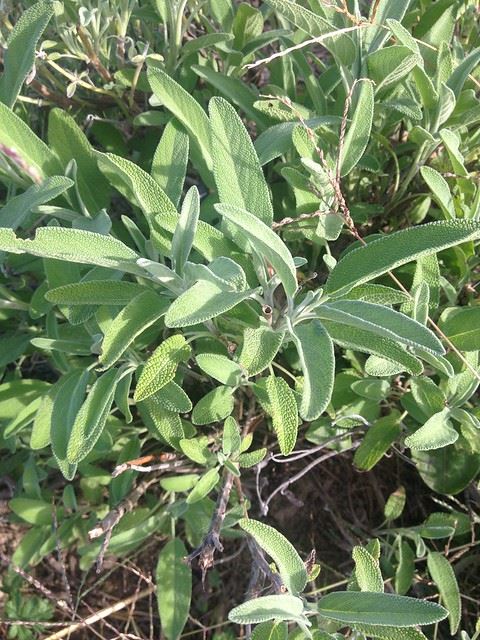
Sage the Savior by Susun S Weed

Crooked Bear Creek Organic Herbs's avatarGood Witches Homestead

Does the odor of sage evoke warmth, cheer, and holiday feasts for you? Sage has long been used to add savor, magic, and medicine to winter meals. Culinary sage is available at any grocery store, and sage is one of the easiest of all herbs to grow — whether in a pot, on a windowsill, or in the garden. So, grab some sage, inhale deeply, and let me tell you more about this old friend.

Sage is Salvia, which means “savior.” As a member of the mint family, it has many of the healing properties of its sisters. Of special note are the high levels of calcium and other bone-building minerals in all mints, including sage, and the exceptionally generous amounts of antioxidant vitamins they offer us. 

Everywhere sage grows — from Japan to China, India, Russia, Europe, and the Americas — people have valued it highly and used…

View original post 983 more words