Florida Herbal Conference

Crooked Bear Creek Organic Herbs's avatarCrooked Bear Creek Organic Herbs

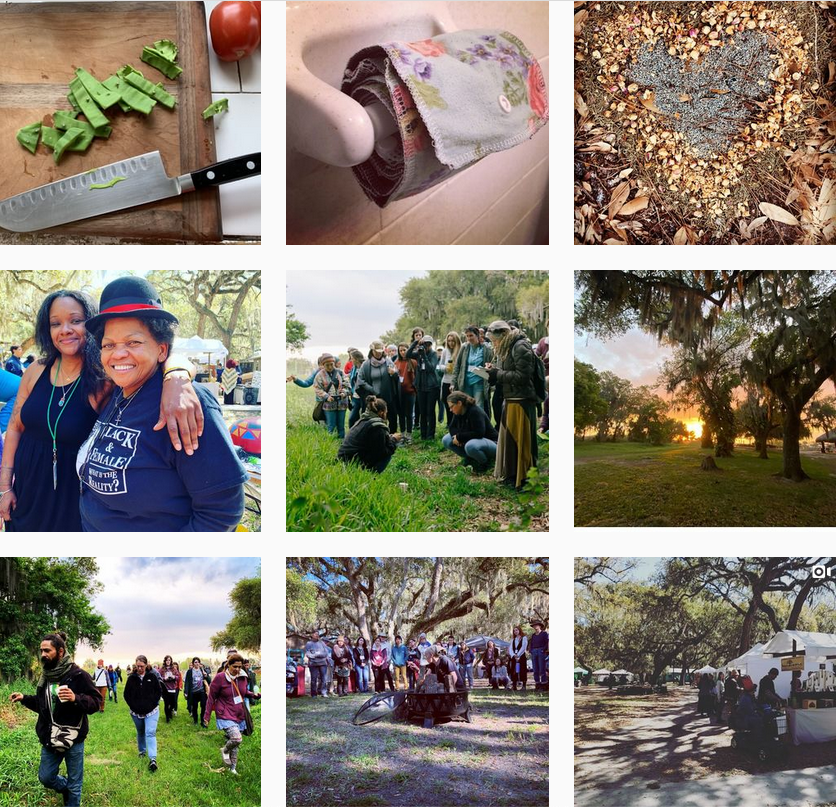
Though winter snows continue to fall here in the Northeast, we are daring to dream of Spring, flowers, and new gardens filled with beauty and fragrant, healing herbs! For more inspiration, exciting workshops, deepening your understanding of the green world, great music and marvelous fun connecting with herbalists around the world ~ head on over to the Florida Herbal Conference site! Emily Ruff and her amazing team are making this conference available to EVERYONE with the pay-what-you-are-able registration fee.   I so hope you have the time to show up and be a part of this Herbal Celebration!! Enjoy!

Source: Florida Herbal Conference

View original post

Wildcrafted Druidry: Using the Doctrine of Signatures, Ecology and Mythology to Cultivate Sacred Relationships with Trees

Dana's avatarThe Druid's Garden

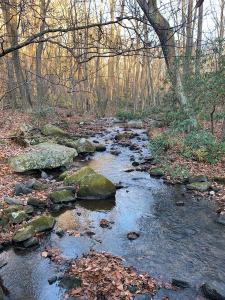
A stream in winter

Nature spirituality is most obviously tied to one’s local nature–the trees, plants, animals, landforms, and other features of what makes your own landscape unique. One of the formidable challenges before those of us practicing nature-based spiritualities in the United States and other “colonized” regions is that not only do we not have the right/access to native traditions on local uses of plants, we also have systems that are inherited from other places and may not properly fit. Ogham is a good example of this: if you use the traditional ogham in the US, it is kind of like wearing a pair of ill-fitting shoes: you can get by, but the system isn’t working with what is outside your door.

With that said, I have always been fascinated by the idea of a language of trees, a system that we can use for magical and divination purposes…

View original post 3,672 more words

Frost Flowers

The Herb Society of America's avatarThe Herb Society of America Blog

By Katherine Schlosser

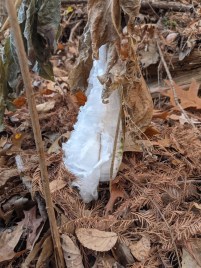
There is something peaceful about a frosty pre-dawn morning. On the morning that I wrote this, I waited at the front door for our latest grand-dog to arrive. We keep him during the day while our daughter and son-in-law work, he providing as much company for us as we do for him. The sky was just turning a rosy pink near the horizon, but overall it was cold and cloudy.

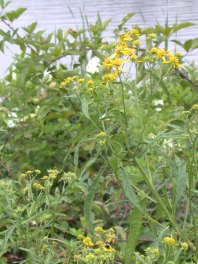
Verbesina alternifolia Wingstem Strawberry Rd by Kathy SchlosserShivering as I stood looking out the door, a glimpse of white caught my eye.  My first thought was squirrels had again torn open the chairs on the deck, ripping out stuffing to line their nests. Walking down the steps to retrieve the wisps of cotton, I realized these are FROST FLOWERS!!

These fleeting beauties look as though they are made of cotton candy and are not flowers at all. They are found on those days when…

View original post 415 more words

Magickal Properties and Uses of Viola, Violet Magic

Crooked Bear Creek Organic Herbs's avatarGood Witches Homestead

Viola is a quiet, little magic. She springs up in fields, lawns, and at the edges of forests. Before her companions begin to bud, she’s blooming away, gathering in the cool, damp spring days. In spring’s quiet while everyone else has yet to awaken, Viola works her magic.

Violas come in a variety of colors and shapes. The ones herbalists are most sweet on are a species called Viola odorata, although we may well fall in love with some of her close cousins, too. Viola odorata sports blue blossoms. Viola tricolor, like the ones in my garden, bloom in deep purples, sometimes sporting a few yellow or white petals. Sometimes they’re called Johnny Jump-ups, Hearts-ease Violets, Sweet Violets, or Pansies by garden centers, sometimes just plain violets. Part of what makes V. odorata and her medicinal cousins particularly special is her scent.

Viola odorata or Violet is a…

View original post 39 more words

Herbs are expensive – Grow your own

pobept's avatarTown & Country Gardening

Herbs Fresh or Dried purchased from your local Supermarket or Farmers Market are exceeding expensive.

These are sample prices taken from Walmart

The best solution is to grow your own Herbs. Herbs take up little space and are very forgiving if neglected.
Most herbs will do well in containers, window boxes and planted directly in your garden soil.
If herbs are conventionally located to you and your kitchen you are more willing and more likely to use them when cooking and serving meals.

Herbs Make Common Foods Taste Special

Sage is a herb that does well if properly cared for. It requires a lot of pinching and cutting to keep it from becoming woody. As a rule, sage will need to be replanted about every 3 years since it will become woody with few leaves no matter what, so keeping it in a pot makes this change that much easier…

View original post 545 more words

Join This Thursday’s Free Ethnobotany Webinar on The Development of Crofelemer – American Botanical Council

Crooked Bear Creek Organic Herbs's avatarCrooked Bear Creek Organic Herbs

We are happy to announce the next webinar in the Sustainable Herbs Program (SHP) Toolkit Webinar Series: The Development of Crofelemer: Connecting Ethnobotany, Conservation, Biocultural Diversity, Indigenous Knowledge, and Global Public Health.

In this webinar, ethnobotanist, Steven King, PhD, will discuss his work creating a sustainable harvesting program for Croton lechleri, (the source of Crofelemer) for use in Crofelemer, the first oral botanical drug approved by the US FDA. King, in particular, will talk about his work with international partners and indigenous and local communities on conserving biological diversity, recognizing intellectual property rights, and meeting global human health care needs.

Dr. Steven R. King is an ethnobotanist who has conducted field research on the use of plants for food and medicine in the highland and lowland regions of South America, Africa and parts of Southeast Asia over the past 42 years. Dr. King holds a Ph.D in Biology…

View original post 113 more words

Sacred Trees in the Americas: Ironwood or Hornbeam (Ostrya virginiana, Carpinus caroliniana)

Dana's avatarThe Druid's Garden

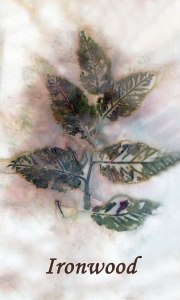
Ironwood tree ecoprint from my upcoming Tree Alchemy Oracle!

There are actually two tree species that are known as both “hornbeam” and “Ironwood” along the US East Coast and into the midwest: The American Hop Hornbeam (Ostrya virginiana) and the American Hornbeam (Carpinus caroliniana).  After doing a lot of research and interaction with both of these trees, I see them as interchangeable.  First, they are both in the Beech family (Order: Fagales, Family: Betulaceae). They actually have a very similar growth habit and look to their bark (like muscles), their wood is quite similar, and the hop-looking fruits are similar on both trees.  Thus, if you can find either of these trees, you can apply the information I’m sharing.  I have primarily focused on Ostrya Virginiana (Ironwood/Hop Hornbeam) in my comments here as it is the more dominant tree in my specific ecosystem.

This post is part of my Sacred…

View original post 1,348 more words

Herbal Hacks, Part 3: Garden Care and Herb Drying Tips

The Herb Society of America's avatarThe Herb Society of America Blog

The good ideas just keep coming! Read on for the third installment of reader-submitted herbal hacks: garden care and herb drying tips.

flowers-5792157_1920_Image by Prawny via Pixabay In summer, I dry herbs in paper bags in the rear window of my car. It only takes 2-4 days, depending on the amount of sun. – Gail Seeley

Fill a lidded, plastic trash can with water, then measure out and and add your favorite water soluble plant food. Store your watering can inside. This tip will make caring for plants in containers much easier. –Holly Cusumano

Folded and rolled towel cropped_Carol KaganExcerpt from Herbal Sampler, 2nd ed. You can dry herbs in your frost-free refrigerator. This method results in good quality and keeps the bright color of the herbs. Make sure the herbs are clean and dry. Remove the leaves from stems and place on a section of paper towel. Roll or fold the towel to cover the herbs…

View original post 420 more words

The Butzemann (Magical Scarecrow) Tradition at Imbolc and through the Light Half of the Year

Dana's avatarThe Druid's Garden

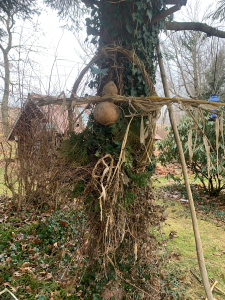
Last year’s butzemann, dressed in her finery (Technically, she was a Butzefrau!)

For the last three years, I’ve spent part of my Imbolc celebration making a Butzemann for our land.  The Butzemann is a really interesting tradition from PA Dutch (German) culture called the Butzemann (literally, Boogieman).  In a nutshell, the Butzemann is a magical scarecrow that protects the land for a season.  He is created at Imbolc from natural materials and given clothes and a heart. At the Spring Equinox, the Butzemann is shown the property and the breath of life is breathed into the Butzemann, naming him/her for the season.  Then the Butzemann is displayed prominently throughout the season to protect the and.  Before or on Samhain, the Butzemann is burned and the protective spirit is released and then at Imbolc, a new tradition begins. Today I thought I’d share this tradition with my readers, in case they…

View original post 1,420 more words

American Botanical Council

Crooked Bear Creek Organic Herbs's avatarCrooked Bear Creek Organic Herbs

We are happy to announce the next webinar in the Sustainable Herbs Program (SHP) Toolkit Webinar Series: COVID and the Botanical Industry: Perspectives from the Field.

How is the unprecedented growth in the botanical industry impacting producer groups around the world? What can ingredient suppliers, finished product companies, and consumers do to support the work these companies do to source high quality botanicals from their regions?

In this webinar, SHP Director, Ann Armbrecht will speak with Puspa Ghimire, from ANSAB, Nepal; Tarun Prajapati from Cultivator Natural Products, India; and Paulo Barriga from Pebani, Peru about the challenges of the past year in producing and supplying high quality, sustainable, and fairly traded botanicals to the global market.

COVID and the Botanical Industry: Perspectives from the Field
A conversation with Puspa Ghimire, from ANSAB, Nepal; Tarun Prajapati from Cultivator Natural Products, India; and Paulo Barriga from Pebani, Peru
Thursday, January 21…

View original post 17 more words