HSA Special Program: Foodscaping with Herbs

The Herb Society of America's avatarThe Herb Society of America Blog

by Jen Munson, HSA Education Chair

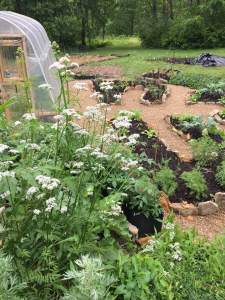
image-assetFoodscaping–it’s so simplistic. In its most basic form, it is landscaping with an edible twist. It’s the intersection of the purely ornamental garden with the purely edible or vegetable garden. Herbs, vegetables, berry-producing bushes, and fruit trees intertwine with ornamentals to become design elements. 

Join us for Foodscaping with Herbs with bestselling author Brie Arthur on Friday, May 14th from 12pm to 1:30pm ET. Brie will share creative ideas about foodscaping with herbs in this lively, virtual session. Lemongrass suddenly becomes a replacement for other tall grasses, providing beauty and enjoyment. Blend Thai basil with lemon basil for a stunning border. Use chives and garlic for structure and as natural pest deterrents. Discover how to plant beautiful and bountiful designs for year-round use, and learn easy-to-apply strategies to deter browsing mammals, including voles!

Brie Arthur - 2Food in our landscapes is not new. Cottage gardens and the…

View original post 309 more words

Pineapple Mint – Herb of the Month

The Herb Society of America's avatarThe Herb Society of America Blog

A Two-Color Mint

by Maryann Readal

The Herb Society of America’s Herb of the Month for May is pineapple mint, Mentha suaveolens ‘Variegata’.

With its lime green leaves edged with a creamy white ruffle, pineapple mint is a perfect plant for the spring garden. This mint is a variegated cultivar of apple mint (Mentha suaveolens). However, its taste and smell does not remind one of apple mint. It has a sharp initial taste that fades into a light fruity flavor. Like other mints, pineapple mint thrives in a moist, rich soil. It does well in sun or in partial shade. In the south, it may need to be grown in partial shade. Also similar to other mints, pineapple mint can be a fast spreader, so containing it in a pot is a good way to control its growth. It is a nice plant to add to a hanging…

View original post 588 more words

Sacred Trees in the Americas: Flowering Dogwood (Cornus Florida) Magic, Medicine, and Mythology

Dana's avatarThe Druid's Garden

With the advent of Beltane, it is an excellent time to share about the magic and sacredness of the dogwood tree–a tree that is in bloom across the landscape this time of year. I feel like dogwood is one of those trees that everyone knows, but nobody takes the time to know well.  In all of my time in the druid community, when people talk about their favorite trees, I don’t think I’ve ever heard dogwood mentioned.  She’s a quiet and unassuming understory tree, and after her spring show of white or pink bracts and yellowish tiny flowers, she fades into the rest of the forest.  And yet, in studying her medicine and ecology, we can gain so much from this wonderful tree.

Dogwood is a popular tree here in North America, both as a native tree found in the understories and edges of Oak-Hickory forests throughout its wide range…

View original post 2,370 more words

Spring Plantain Herbal Infusion | The School of Aromatic Studies — Crooked Bear Creek Organic Herbs

It’s finally spring and all around there are cleavers, violet flowers, chickweed, plantain, and a few other early spring medicinal plants in the area around us. I am sure if you look around your yard or in a field yet to be touched by modern-day‘ weed killers’ you will stumble upon plantain.  Today we… Continue […]

Spring Plantain Herbal Infusion | The School of Aromatic Studies — Crooked Bear Creek Organic Herbs

Beltane Gardening Rituals: Garden Blessings, Standing Stones, and Energy Workings

Dana's avatarThe Druid's Garden

Here in the Laurel Highlands of Western PA, Beltane marks the start of “planting” season, where we move our indoor seeds out into the greenhouse to harden off, where many seeds like carrots and beans start to go into the ground directly, and where the land is budding and blooming with the joy that spring offers.  And so in today’s post, I’m going to share some Beltane spring garden blessing ideas for you, as you can craft your own sacred “druid’s garden”.

One of our amazing sacred gardens here at the Druid's Garden Homestead! One of our amazing sacred gardens here at the Druid’s Garden Homestead!

The concept of “blessing” is quite wide-ranging.  In the broadest sense, a garden blessing is any working that offers positive energy and protection to a growing space for a season, ensuring your plants a bountiful harvest, long life, and joyful existence.  Blessings can be extremely wide-ranging and pretty much anything you do can have some positive…

View original post 2,021 more words

Bewitching Maibowle Cream Cake For Walpurgis Nacht (May Day Eve) – Gather Victoria

Crooked Bear Creek Organic Herbs's avatarGood Witches Homestead

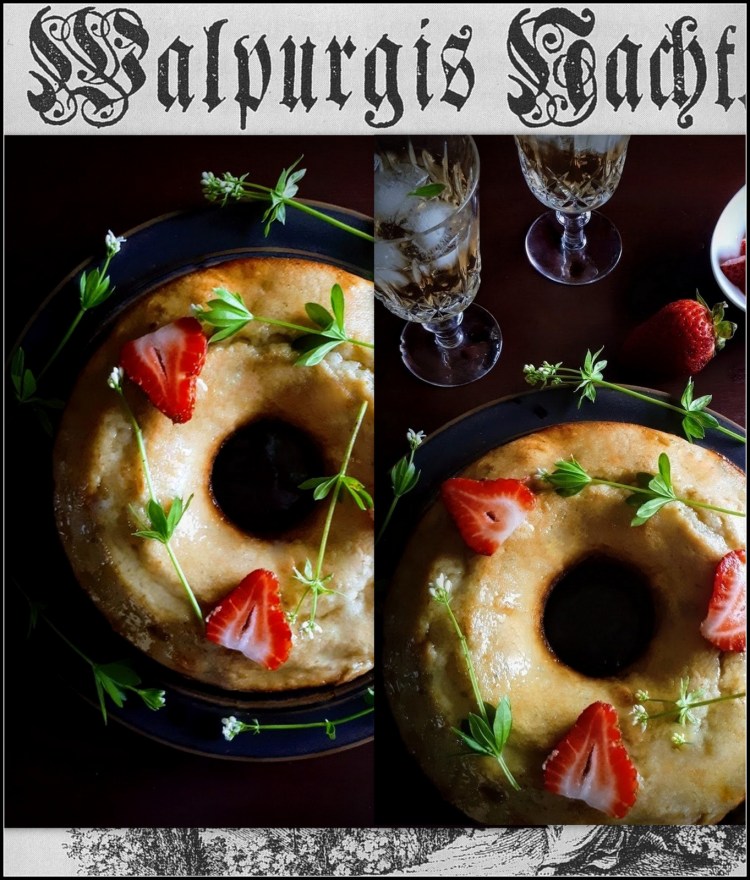
Soon May Day Eve will be upon us – so I’m sharing this recipe posted last year at Gather Patreon. (Patrons will see a new recipe coming soon!) This Maibowle Cream Cake – made and…

Source: Bewitching Maibowle Cream Cake For Walpurgis Nacht (May Day Eve) – Gather Victoria

View original post

The Incredibly Tasty Tulip: Chèvre Cheese Balls — Gather Victoria

I’m not sure about you but Vancouver Island is awash in tulips! From pale yellows, crimson reds, pumpkin oranges, deep purples, lustred pinks and snow-white, their luminous colours are stunning. The most unsung of tulips many spring charms, however, is her edibility. With flavours and textures as diverse as her colours, her blooms offer not…

The Incredibly Tasty Tulip: Chèvre Cheese Balls — Gather Victoria

HSA Webinar: Shedding Light on the Solanaceae: An Exploration of Our Relationship with Nightshades

The Herb Society of America's avatarThe Herb Society of America Blog

by Jen Munson, HSA Education Chair

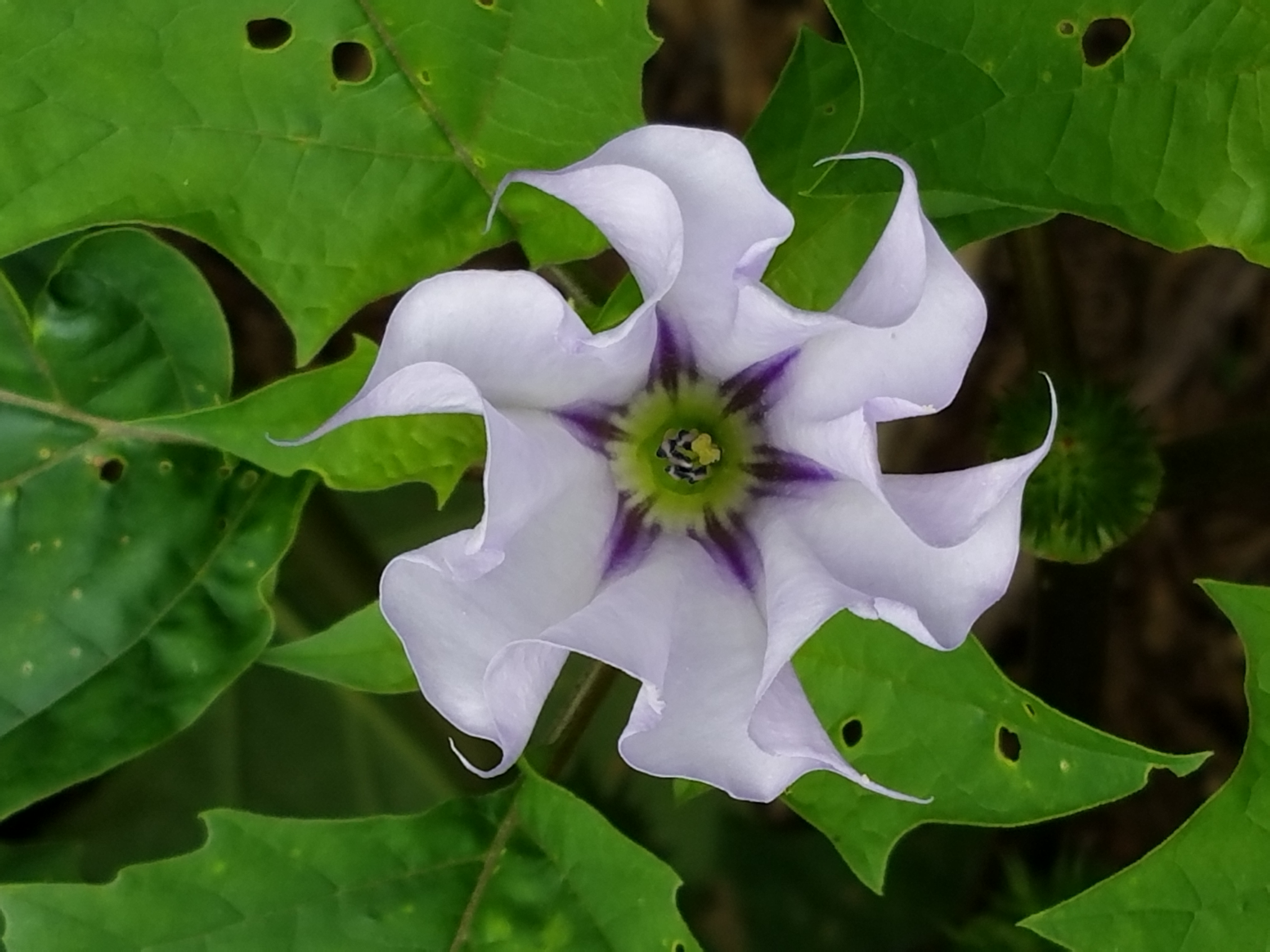
20170811_093151The nightshade family of plants sounds ominous  – how could it not with the use of the words night and shade? The official name of this family is Solanaceae, and these plants are characterized by the shape of the flower, which in some cases feature near perfect pentagrams of petals, sepals, and stamens, and in others the petals are fused to form long tubes.
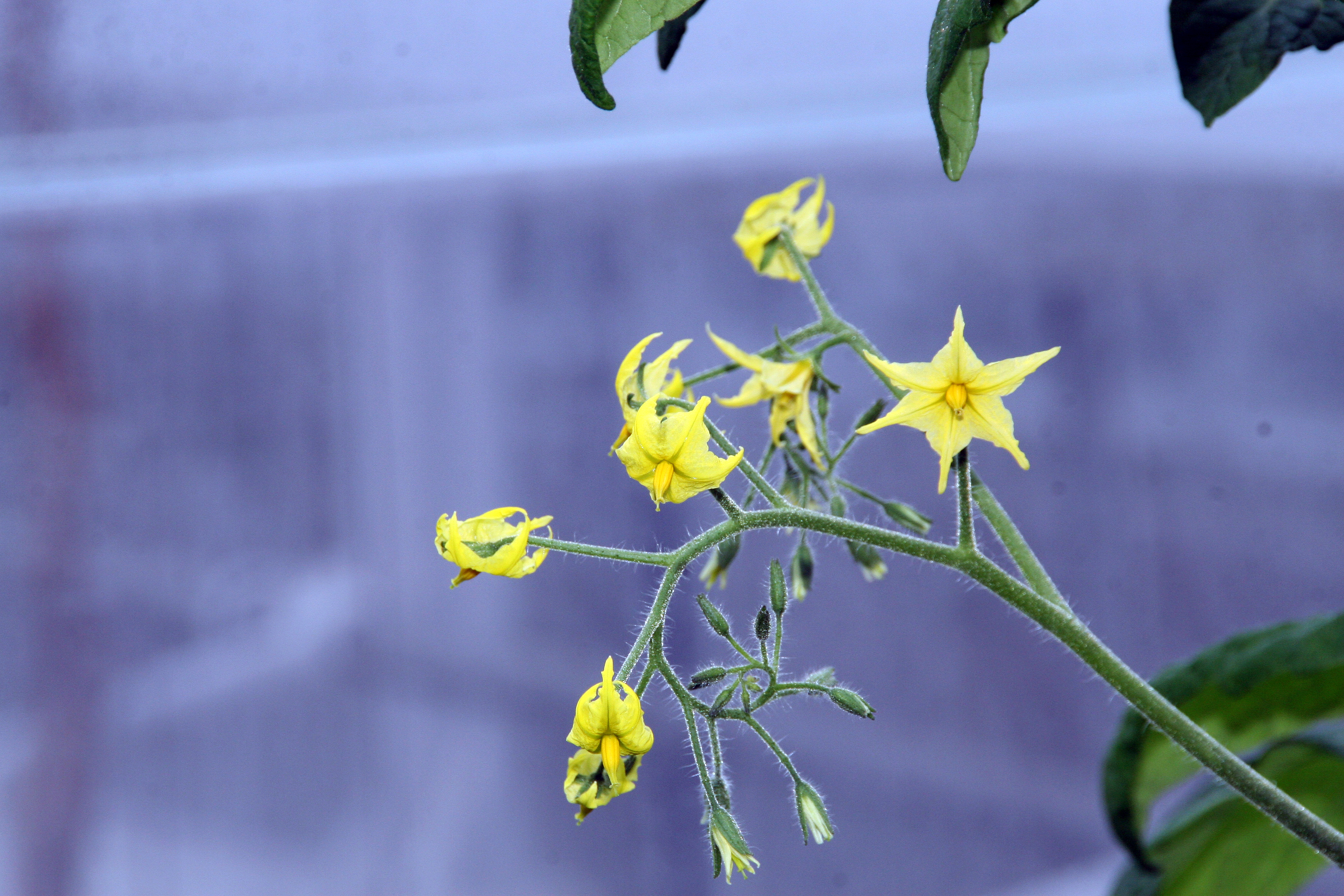
The Solanaceae features nearly 90 genera and 3,000 species, including some of humanity’s most important plants. You may be surprised to learn that many of our everyday foods fall in the nightshade family. These include hot and bell peppers, potatoes, eggplant, and tomatoes. To learn more, join HSA on April 13th at 1pm EDT when National Herb Garden gardener, Erin Holden, joins us for “Shedding Light on the Solanaceae: An Exploration of Our Relationship with Nightshades.” 

Lycopersicon_esculentum_Supersweet_100_0zz by David J StangAlthough many…

View original post 352 more words

Chervil – Herb of the Month

The Herb Society of America's avatarThe Herb Society of America Blog

by Maryann Readal

chervil plantChervil, Anthriscus cerefolium, is similar to parsley but has a milder, anise flavor. It is sometimes called French parsley or garden parsley. The Romans named it cherifoliu, the ‘cheri’ part meaning delight and the ‘folium’ part meaning leaves—the joy of leaves.

Chervil is important in French cuisine, where it is an ingredient in classic sauces such as béarnaise and ravigote. These sauces pair well with fish, veal, or chicken. Along with parsley, chives, and tarragon, chervil is in the French herb combination, herbes fines. Chervil is better used fresh as it loses its flavor when dried. It should be added at the end of cooking to get the most out of its flavor. It is a good addition to omelets and salads and can be sprinkled over fresh fruit. Chervil makes a flavorful and colorful butter. The leaves and flowers can…

View original post 1,075 more words

Sensory Herb Gardens for Special Needs Children

The Herb Society of America's avatarThe Herb Society of America Blog

By Candace Riddle

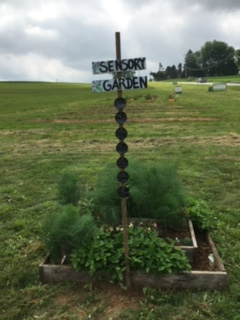
IMG_0317Ever since Beatrix Potter wrote The Tale of Peter Rabbit,children and gardens have had a special friendship. That friendship is even stronger between children with special needs and special gardens called “sensory gardens.” 

The difference between a sensory garden and a “regular” garden is the human factor— regular display gardens are designed primarily for visual beauty, while a sensory garden is designed to stimulate all the senses: sight, sound, scent, touch, and taste. A display garden is meant to be viewed or seen from either a short or long distance, whereas a sensory garden is meant to be experienced close and personal using all five of the human senses.  

Educators describe a sensory herb garden as peaceful and calming with the ability to draw kids into the moment; even non-verbal kids can show their feelings about their garden experience.

When we use the term “children…

View original post 1,142 more words