The Winter Solstice has long been a time of feasting and fires, especially with regional and special foods, a tradition that has global significance in many cultures. I’ve always enjoyed this time as a chance to dig into some really interesting sacred cooking and bring back the light by enjoying foods that were preserved in…
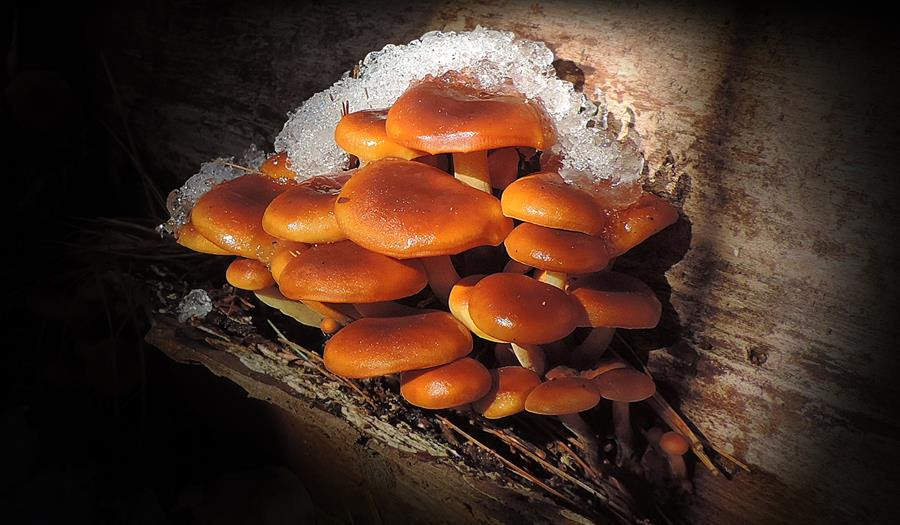
Winter might not seem like an ideal time to find wild edible mushrooms, but let me assure you: edible mushrooms can be found during the coldest months of the year.
Many fungi are psychrophilic (“cold” + “loving”). They require cold temperatures to grow. Examples of habitats that support psychrophilic fungi include permafrost, glacial ice, and off-shore polar waters.
Fortunately, local forests also support cold-loving mushrooms, so while it might be fun to look for fungi on icebergs this winter season, we can simply hunt our local woods instead.
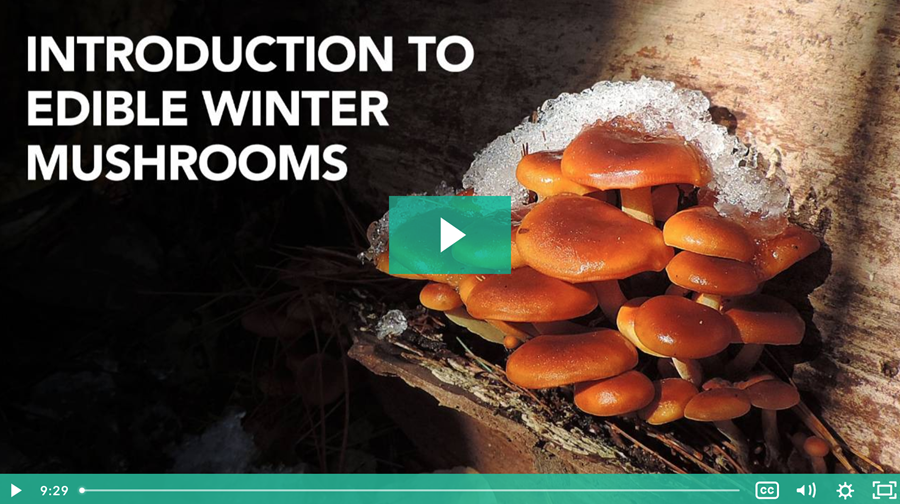
To help you find more edible mushrooms this winter season, I created a video in which I share 6 tips that will greatly improve your harvest. (The 6th tip in particular sounds counterintuitive but is quite effective when you implement it.)
I’d also like to mention that the video is one of over 80 exclusive videos featured in Foraging Wild Mushrooms — a four-season online course designed to help you successfully forage wild mushrooms.
The online course is currently open for enrollment and on sale ($100 off)until Monday, December 19. To get a sneak peek into the kinds of content found within the course, check out the video.
*Please note that this video is publicly available until Monday, December 19. It will only be available to registered students afterwards.
Thanks for reading and watching, and thanks for your continued support.
Happy St. Barbara’s Day! It never ceases to amaze that if you scratch the surface of any holiday dish you’ll find a goddess history thousands of years old. Take this German Lemon Loaf Cake baked by my Oma for as long as I can remember. Its intensely lemony glaze soaks into the cake making it…
From quince, medlar to barberry, I love to forage for the odd fruits which abound this time of year. The following recipe for this intensely moist almost pudding-like bundt, however, is filled with two strange-looking fruits I’ve not cooked much with before. It’s adapted from the Chocolate Cherry Samhain Bundt I just posted on Gather…
Tropical fruit flavors are not commonly detected in my neck of the woods. When they are, the experience is unforgettable.
Mayapple (Podophyllum peltatum) is an eastern North American plant whose ripe fruit tastes like a mix between pineapple and Starburst candy. All other parts of the plant (e.g., rhizomes, leaves, stems, and unripe fruits) are considered toxic.
My first encounter with a ripe mayapple fruit was unforgettable. I actually smelled the fruit before I saw it. Within seconds of harvesting, I indulged in what little edible material was available. The taste was ambrosial — almost too good to be true — and from that day forward I became a devout seeker of ripe mayapple fruits.
As it turns out, conditions this year have been very good for mayapple fruits. Foragers in many locations have been reporting bountiful harvests. Because conditions have been fruitful, I decided to film a video in which I discuss key tips for improving your yield.
If you are interested in becoming a devout seeker of ripe mayapple fruits, check out the video!
Foraging Wild Mushrooms is an online course that is currently open for enrollment until September 2nd. This go-at-your-own-pace video course is perfect for beginners who are looking to develop their skills. If you are eager to harvest wild mushrooms but don’t know where to start or where to go, Foraging Wild Mushrooms will equip you with the necessary skills to ensure that your harvests are safe and rewarding. You can learn more by clicking this link.
Thanks for reading and watching, and thank you for your continued support!
What would summer be without a trip to the local berry patch?
In my neck of the woods and fields, it wouldn’t be summer at all.
Some of nature’s tastiest fruits — black raspberries, red raspberries, blueberries, and blackberries — ripen during the warmest days of the year. A perfectly timed visit to a prime location can yield a berry bonanza.
One such prime location includes sunny openings within rich woods. It is here where a particular kind of raspberry grows. Known as wineberry (Rubus phoenicolasius), this semi-recent newcomer to the North American continent produces delicious edible fruits that taste like tangy red raspberries.
During my latest visit to a local wineberry patch, I filmed a video in which I discuss the factors that contribute to the success of wineberry in North America, as well as tips for locating wild populations.
I was a recent guest on the WildFed Podcast hosted by Daniel Vitalis. In this conversation, we chat about my favorite topic as of late: trees. You can listen to the interview through one of the following links:
OH, MY GODDESS – you’ve got to make these Wild Chamomile/ Pineapple Weed muffins! Their unique aromatic flavor ( a cross between zingy pineapple and soothing chamomile) just permeates these moist fragrant muffins which are made doubly scrumptious by the cream cheese filling. These are one of my favorite summer treats and my poor pre-diabetic…
This is especially true when we consider what it takes to harvest pawpaws.
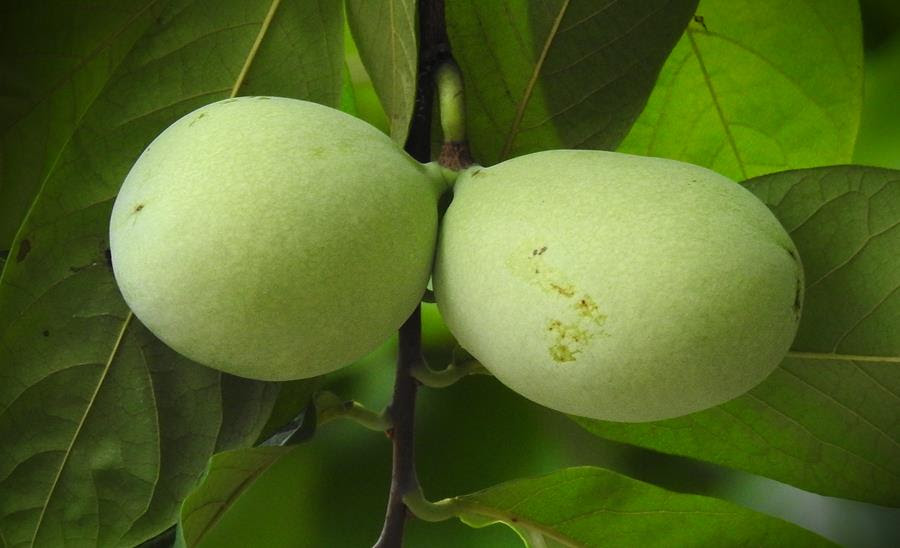
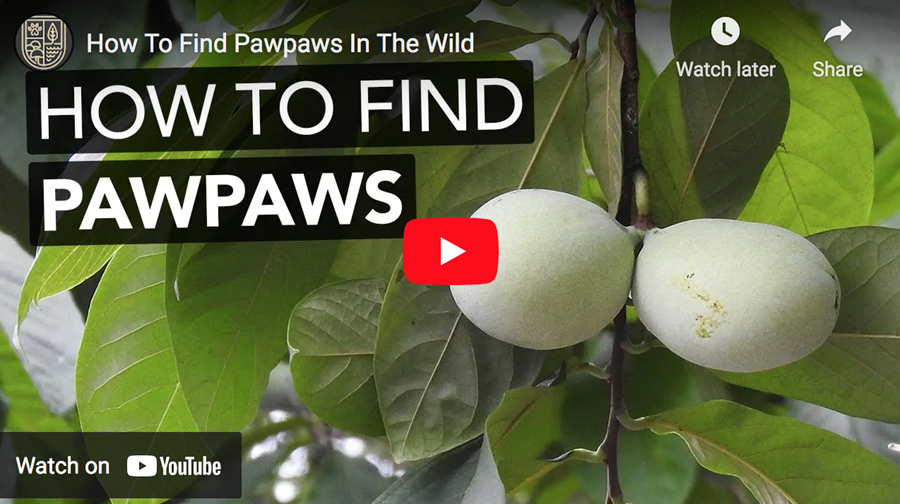
Pawpaws are incredibly delicious fruits that are produced by pawpaw trees (Asimina triloba). Green and kidney-shaped, these tropical-tasting berries are considered to be the largest edible fruits produced by any native North American tree.
Many people are interested in finding pawpaws for the first time this year. Some people will wait until the fruits are ripe in September to begin their search.
I would suggest another approach: begin your search right now.
Scouting the land in advance is an essential part of harvesting wild food. When preparatory work has been done ahead of time, successful harvests are much more likely to occur. Such is the case when we understand what it takes to find pawpaws.
What does preparatory work look like? How do we begin our search for pawpaws? What kinds of habitats are worth exploring?
I answer all those questions in a brand new video. If you are interested in harvesting pawpaws this year, check it out!
I was a recent guest on the Silvercore Podcast hosted by Travis Bader. In this conversation, we chat about foraging, the importance of learning trees, and why money is necessary to protect land. You can listen to the interview here.
In last week’s post , we began exploring the build of an earth oven. An Earth Oven is a simple structure, made of clay, sand, straw, stone, and fire brick, that you can use to cook foods in a traditional way. Last week’s post walked you through the first set of steps for building your…
I am enamored of lilac. Her scent on warm spring evenings evokes the happiest of memories. Every year I attempt to capture her glorious scent in baking and every year I learn yet another lesson about her culinary intricacies. Through trial and error, I discovered what perfumers knew long ago, lilac’s intoxicating fragrance is notoriously…






You must be logged in to post a comment.