Author: Paula Cas
I write fiction, non-fiction, verbiage for all our websites, and have been publishing my fan fiction on my various sites for many years. https://paulacas.com
I am a Spiritual Medium and use Tarot cards as one my primary tools in doing readings. For 30 plus years have been doing readings in settings from my living room to truck stops. I tell you what Spirit wants you know for your betterment, not what you think you need to know.
I’ve worked on computers since before there was such a creature as Windows.
A Mountain Maryland native, but have spent years spent living in Oklahoma, Colorado, Texas, Oregon, California, Nevada, and Arizona. My husband, Oro Cas, and I spent 10 years driving tractor-trailer across the 48 contiguous states.
Oro Cas and I produced and hosted Internet Radio shows on BlogTalk Radio, video productions on KDCL Media and Oro Expeditions YouTube Channels.
Happiness
~ An Esu Moon and Season ~
By Iya Olusoga – Bisi Ade – Astrorisa Moon Forecaster
HAPPY SUPER FULL MOON & MERCURY RETROGRADE SEASON
December starts with a BANG!! We’re going to experience a Super Full Moon in Gemini and Mercury retrograde at the same time. The number 11 will play a significant role during these planetary changes. Time to align with wisdom and clarity; chose your path wisely.
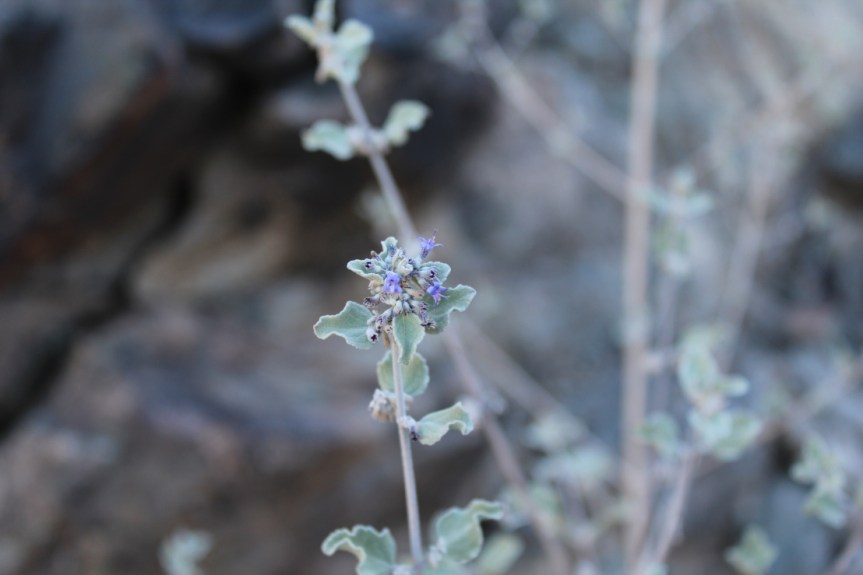
Medicinal Herb: Desert Lavender
Hyptis emoryi
FLOWERS
Violet up to 1 inch wide and in clusters.
DESCRIPTION
Medium to tall, cold tender, perennial shrub, found in the southwestern United States of Arizona, Nevada, California, and northwestern Mexico in Sonora and Baja California.
HABITAT
Dry washes, and on rocky slopes, up to 3000 feet in elevation. It is evergreen or cold deciduous, depending upon its location.
REGION DESERTS
The Southwestern United States of Arizona, Nevada, California, and northwestern Mexico in Sonora and Baja California.

Energetics: Cooling, calming, stimulating
Actions: Bitter, astringent, aromatic, diaphoretic, antimicrobial, styptic
Wound healing. Hyptis makes a top-notch wound wash (strong decoction) or applied to bleeding wounds in infused oil or salve form. I’ve used it for various wounds over the years (often combined with white sage), and it is effective not only in stopping the bleeding but because it is also strongly antimicrobial, it helps prevent infection. It’s proven useful as…
View original post 1,619 more words
As We Approach the Winter Solstice
If you are like me, December can be overwhelming…. As we approach the Winter Solstice, the gift of sunlight is hard to come by, causing light deprivation, circadian disturbances, and shifts in melatonin regulation. The subsequent effects on mood, behavior and health can be difficult to deal with, especially since the reins of life’s expectations don’t loosen to accommodate these seasonal shifts. Instead, the holidays bring their own unique stresses and can add to a sense of depletion and anxiety.
In my case, it’s the same each year. The effects of light deprivation sneak up on me, much in the way that seasonal allergies seem to. I start feeling sluggish and apathetic. My eyes take on a dull ache and my skin and hair feel like straw. My sleep is less rejuvenating and I feel starved for more of it. When the morning alarm rings, it takes me by surprise…
View original post 1,026 more words
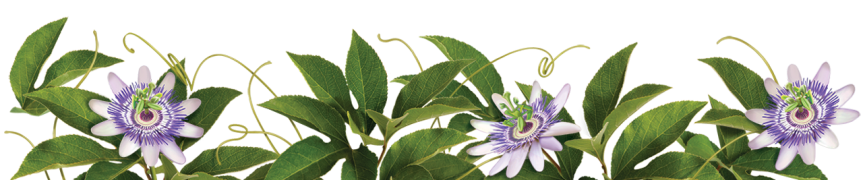
Medicinal Herb: Passiflora {Homeopathy}
Passiflora incarnata
The homeopathic remedy passiflora is obtained from the herb called Passiflora incarnata, which is also known as purple passion flower, maypop, true passion flower, wild passion vine and wild apricot. Passiflora incarnata is a perennial vine having a climbing or sprawling stems and grows quite rapidly. Belonging to the genus Passiflora, Passiflora incarnata or the maypop bears big and elaborate flowers having outstanding styles and stamens. Passiflora incarnata is considered to be among the most resilient species of passion flower and is a very common wildflower in the southern regions of the United States. The Cherokee, Native Americans who historically settled in the southeastern regions of the United States, of Tennessee region called this herb Ocoee and is the State Wildflower of Tennessee.
The long and trailing stems of passion flower are found in two forms – smooth or covered with fine hairs (pubescent) and have several tendrils. The plant…
View original post 1,745 more words
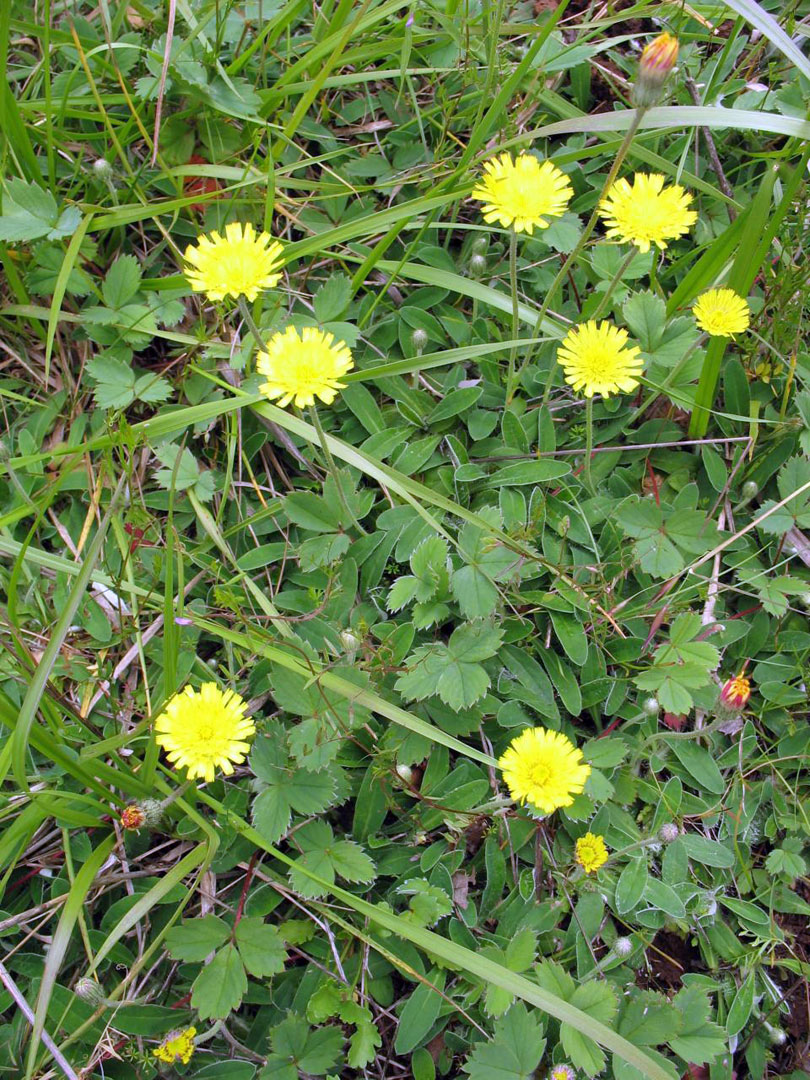
Mouse-ear {Hieracium pilosella syn. Pilosella officinarum}
Also, Known As:
- Felon Herb
- Hawkweed
- Mouse-ear
- Pilosella
Mouse-ear (botanical name Hieracium pilosella) is a perennially plant that grows up to a height of anything between three and 15 inches. Mouse-ear is a creeping herb that usually grows like a carpet on crawling runners, every one of which takes the form of a basal rosette of oval-shaped leaves. Mouse-ear bears green leaves having white bristles on the upper side and white or gray-green color relatively softer bristles on the under side. The herb bears vivid yellow to orange-yellow flower heads that look like dandelions during the period between May and September. These flower heads appear solitarily on stalks without leaves. The entire plant, barring the flowering parts, is swathed with glandular bristles, which are generally white, but occasionally reddish when growing on the stems. The rose-shaped arrangement (rosette) of the leaves are complete, varying from sharp to blunt, and they vary…
View original post 1,205 more words
Medicinal Herb: Partridgeberry
My botany professors first introduced me to partridgeberry, and with excitement, I recognized the scientific name as a medicinal from one of my herbal books. This was back in the late 70’s when the modern herbal literature was scanty, computers were not in my reality, and I still had yet to meet a herbalist in the flesh. I would learn a plant in school and then ride my horse home to devour any information I could find on the medicinal uses of that plant. Partridgeberry and I became quick friends, as it would accompany me on my stream-side explorations and canoe rides. I spent a lot of time in the woods by myself at that time and relished the relationships with my newfound and cherished plant allies. These relationships were the threads that wove me into the interconnected majestic quilt of biodiversity and Gaian consciousness. I began to gain a…
View original post 1,714 more words
Medicinal Herb: Bearberry
Arctostaphylos uva ursi or Arbutus uva ursi
Also, Known As:
- Arberry
- Bearberry
- Bear’s-grape
- Crowberry
- Foxberry
- Hog Cranberry
- Kinnikinnick
- Mealberry
- Mountain Box
- Mountain Cranberry
- Red Bearberry
- Sagackhomi
- Sandberry
- Upland Cranberry
- Uva Ursi
The uva ursi herb, which is more commonly known as the bearberry is a small and evergreen shrub belonging to the plant order: Ericaceae. Bearberry is found growing mostly in sandy and gravel-rich as well as dry soils, large populations can be found in many parts of continental Europe and in some areas along the northern regions of the continental U.S. – the plant grows well in dry soils and grows at an optimal rate in soils composed mostly of sand and gravel. Morphologically, the shrub can be distinguished by the presence of a long and solitary fibrous main root that radiates out several buried and prostrate stems in different directions, out of these prostate roots, raise the main aerial…
View original post 1,992 more words
Medicinal Herb: Pipsissewa
Chimaphila umbellata
Also, Known As:
- Butter Winter
- Ground Holly
- King’s Cure
- Love in Winter
- Pipsissewa
- Princes pine
- Pyrola Umbellata
- Rheumatism Weed
Pipsissewa is a petite evergreen herb that grows perennially and up to a height of 3 inches to 10 inches. Plants of this species produce glossy, vividly green, jagged leaves that emerge in order of whorls the length of the stem. Pipsissewa bears tiny flowers whose color range from white to pink and they blossom during July and August. The flowers of pipsissewa are clustered at the apex of a straight stalk. When the leaves of this herb are crushed, they exude a strange flavor which is sweetish and astringent and also has a pleasingly bitter taste.
The herb derives its name from the Cree (a native tribe of Canada) term ‘pipsisikweu’ which translated into English literally means ‘it breaks into small pieces’. This name of the plant is…
View original post 1,616 more words

You must be logged in to post a comment.