What Is Orris Root?

Crooked Bear Creek Organic Herbs's avatarCrooked Bear Creek Organic Herbs

Iris pallida

Also, Known As

  • Dalmatian Iris
  • Orris Root
  • Sweet Iris

The term orris root is used to denote the roots of a number of species, including Iris germanica, Iris pallida and Iris florentina. They have a very sweet fragrance, which is more distinct in some bearded irises compared to others. The aroma of the flowers of a particular species known as Iris pallida is considered to be the best. In fact, it is difficult for one to miss the characteristic fragrance of this flower, which blooms during spring. Just take a sniff of the aroma and you will surely admit that its smell is akin to that of grape soda.

The flowers of Iris pallida measure about four inches in diameter and appear in the later part of spring. Every branched stem of this plant bears anything between two and six attractive pale bluish-purple blooms.

Native to Croatia, this…

View original post 1,549 more words

Blue Flag: Wild Irisis

Crooked Bear Creek Organic Herbs's avatarCrooked Bear Creek Organic Herbs

Iris versicolor

Also, Known As:

  • Blue Flag
  • Blue Iris
  • Flag Lily
  • Fleur-de-lis
  • Flower-de-luce
  • Iris
  • Liver Lily
  • Poison Flag
  • Snake Lily
  • Water Flag
  • Wild Iris

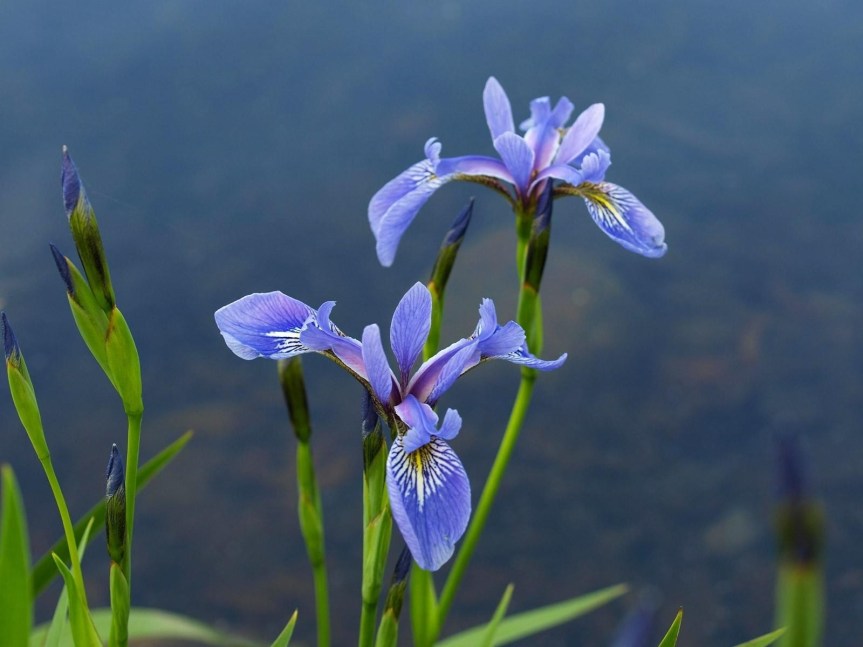
Blue flag (botanical name, Iris versicolor) is also known as wild iris and it prevails nearly all over the West. The appearance of the blue flag is similar to that of the common iris, having elongated lance-shaped leaves and decorated with a pale lavender or bluish-purple bloom just a bit lesser in size compared to the garden varieties. In effect, the blue flag is considered to be an affable plant which prefers to grow in clusters rather than growing in isolation. It is said that there is nothing more beautiful compared to walking across a complete meadow with a blue flag in bloom during the period between late June and early July.

The leaves of blue flag are slender, lance-shaped and have two levels of sword-shaped…

View original post 1,507 more words

Symbolism of Violet: February Birth Flower

Crooked Bear Creek Organic Herbs's avatarGood Witches Homestead

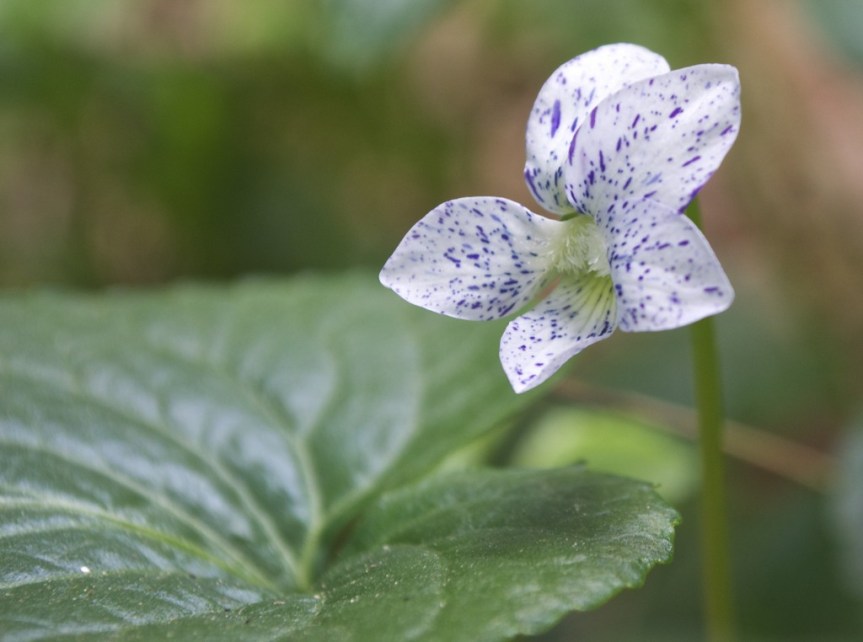
The violet has a charming and long history of mythology. Greek myth states that Zeus fell in love with Io. Zeus was afraid that Hera, his wife, would discover him and Io, so he made Io into a white heifer. Zeus created the sweet-scented flower that we know as the violet for Io to eat while she was a heifer. Hera placed an insect pest on Io as the white heifer, so she roamed all over the land trying to free herself from the pest.  Zeus finally caught the heifer and put his hand on her, and she turned back into Io. She gave birth to their child, who founded many nations.

Another Greek myth states that Persephone, a young lady, was walking in a field of violets when Hades saw her and fell in love with her. Hades took her to his kingdom of death and the world became…

View original post 857 more words

Taking up the Path of the Bard III: Practice makes Perfect

Dana's avatarThe Druid's Garden

“You have so much talent” or “I’m talented enough” are powerful statements, statements I hear on a regular basis from those who long for a creative practice. The idea of talent can cause an incredible amount of inaction, of people not feeling they are “good enough” to even try.  I see this, in particular, with the visual arts. But the first time you put pen to paper, if you aren’t Picasso or Monet, you might as well forget about it. This larger cultural ideal, of course, seems at odds with the druid tradition where Eisteddfod and the channeling of Awen are central to our spiritual life. In the druid tradition, creativity isn’t about producing something of commercial value or high quality, its about the channeling of creativity for spiritual purposes. But for those coming out of mainstream Western culture with all of the cultural baggage, this can be difficult to…

View original post 2,416 more words

The Medicinal Properties and Health Benefits of Violets.

Crooked Bear Creek Organic Herbs's avatarGood Witches Homestead

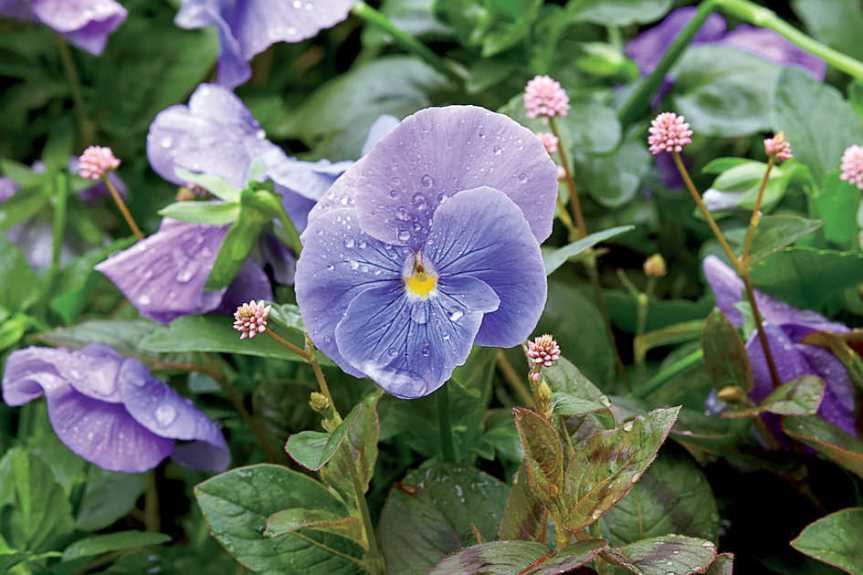
Violets have been known throughout history as a healing herb. An example that was proven by research was that Viola odorata contains phenolic glycosides, flavonoids, saponins, alkaloids, mucilage, and tannins among other things. These compounds work in several ways to cure ailments.

Violets have been known throughout history as a healing herb. Hippocrates, in the ancient times, classified the violet as a “moist” plant, which is best used for treating liver disorders as well as bad tempers. In the 16th century, the English used syrups made from violets for their laxative properties. Violet remedies were also used for pleurisy, epilepsy, and jaundice. Culpepper, a 17th-century herbalist states that “All the violets are cold and moist while they are fresh and green, and are used to cool any heat or distemperature of the body.” He personally recommends the use of violet concoctions to treat various skin and eye disorders, as well…

View original post 1,641 more words

The Energies of February

Crooked Bear Creek Organic Herbs's avatarGood Witches Homestead

The start of February is the midpoint between the December solstice and the March equinox, an occasion traditionally marked by the Celtic fire festival Imbolc, a celebration that honours the slowly returning light in the northern hemisphere. The corresponding festival for those in the southern hemisphere is Lammas, which traditionally celebrates the gathering in of the first fruits of the year’s harvest and serves as a reminder to conserve inner resources for the approaching autumn/winter season. So where ever you may be in the world, the beginning of February is a good time to pause, breath and connect with nature in gratitude for the season’s offerings.

On January 31st we had a powerful full moon lunar eclipse that will most likely already have provided you with illumination on some of the themes likely to be resonating for you in February’s energy flow.

Not only was this event a super moon…

View original post 893 more words

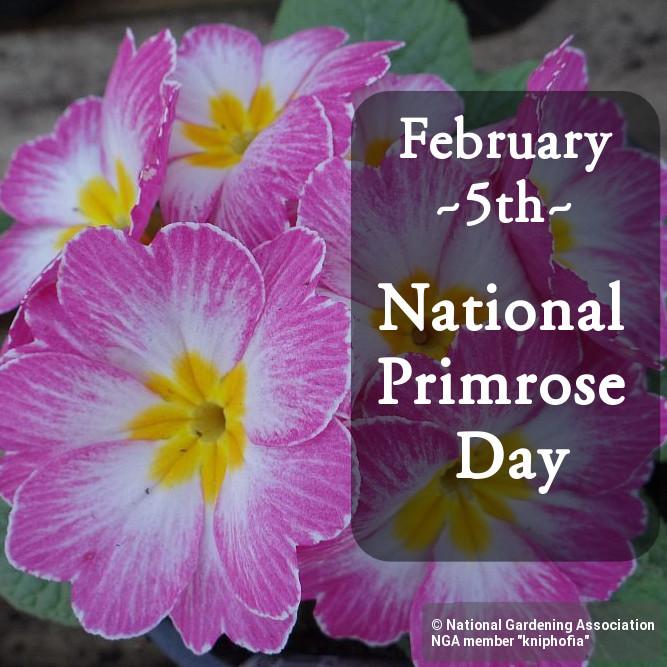
Primrose: The Flower of February

Crooked Bear Creek Organic Herbs's avatarGood Witches Homestead

COMMON NAME:  primrose
GENUS:  Primula
SPECIES, HYBRIDS, CULTIVARS:
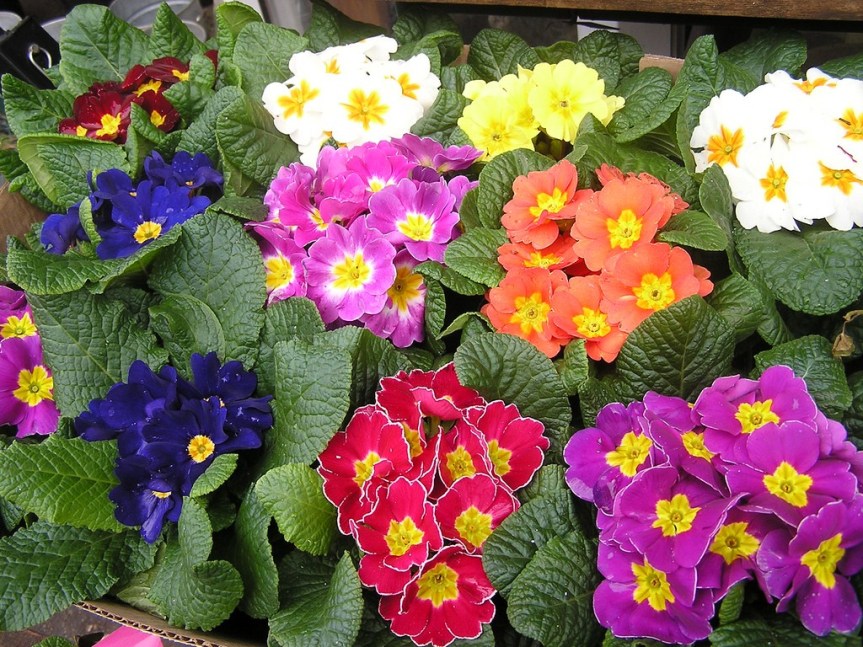
P. denticulata-lavender, purple, or white flowers; grows to 12 inches. P. japonica ‘Millar Crimson’-flowers whorled around 24-inch stem; blooms May-June. P. polyanthus-best known; colors are red, pink, blue, gold, and white, all with small yellow eyes.
FAMILY:  Primulaceae
BLOOMS:  spring
TYPE:  perennial
DESCRIPTION:  Primroses form an attractive rosette of crinkly, light green leaves. The flowers are generally brightly colored and occur in tight bundles on individual stems above the leaves.
CULTIVATION:  Needing partial shade, primroses thrive in well-drained, rich soil. They are indigenous to cool, moist meadows and woodland environments  Duplicating these conditions as closely as possible will create the best growing conditions for primroses. The soil should not be allowed to dry completely. To retain vigorously blooming plants, divide clumps every four to five years. Seeds should be sown in midsummer for bloom the following spring.

primrose day

Primrose is beloved…

View original post 706 more words

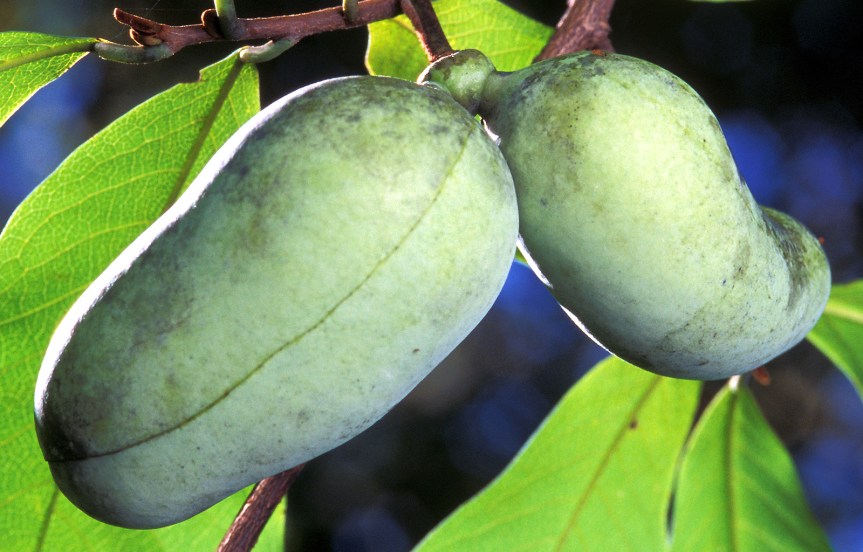
Ozark Encyclopedia – P – Pawpaw

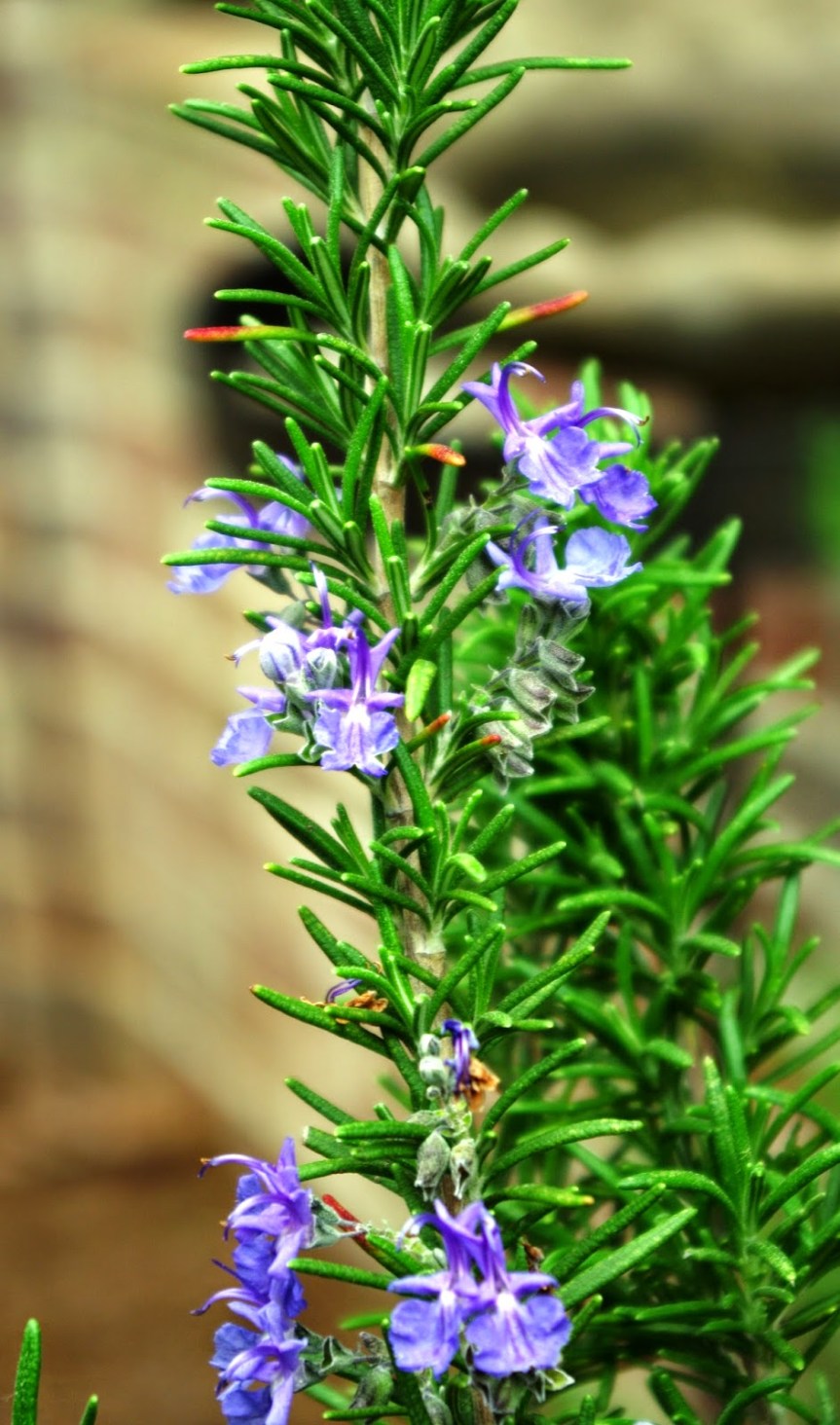
Rosemary Lore

Crooked Bear Creek Organic Herbs's avatarGood Witches Homestead

Rosmarinus officinalis

Also, Known As:

  • Compass Weed
  • Dew of the Sea
  • Garden Rosemary
  • Incensier
  • Mary’s Mantle
  • Mi-tieh-hsiang
  • Old Man
  • Polar Plant
  • Rosemary
  • Rosemary Plant

Rosmarinus officinalis L. (family Lamiaceae), is also known as rosemary. This herb is an evergreen shrub, with lovely aromatic linear leaves. Colored a dark shade of green above and white below, the leaves of the rosemary give off a beautiful fragrance, and with its small pale blue flowers, the plant is cultivated extensively in many kitchen gardens across America and elsewhere.

The evergreen shrub originated in the Mediterranean area, but it is today cultivated almost everywhere in the world, primarily for its aromatic leaves. The shrub has several ash colored branches, and the bark is rather scaly. The leaves, as described earlier, are opposite and leathery thick. They are lustrous and dark green above and downy white underneath, with a prominent vein in the middle and…

View original post 3,130 more words

Crystal Support For The Leo Full Moon + Lunar Eclipse

By Krista Mitchell

Crystal Support for the Leo Full Moon + Lunar Eclipse Wednesday Jan. 31st at 8:27am ET

This is a north node eclipse that is pulling us towards our destiny, a defining moment where we’re being asked to let go of what’s old and no longer of service to us, so that we can open doorways to the future.

Common themes:

  • manifesting your own fate and destiny
  • closing the door on old ways of being, old versions of yourself
  • opening up to newer and greater ways of being, to what you can be
  • expanding your heart energy
  • identifying what matters most to you and taking steps to protect it
  • womanhood, motherhood, and divine feminine energy
  • intensified creative energy
  • releasing what you need to in order to be able to tune into the future
  • prophecy
  • observing themes and honoring lessons
  • discovering and pursuing your guiding light or north star
  • becoming the leading man/lady, king/queen of your own life
  • potential and power

Either wear or hold one or more of the following crystals during the full moon eclipse to help your harness the energy:

(from top)

Lapis lazuli – inner knowledge, soul desires
Tourmalined quartz – purification, release
Ruby – king or queen energy, inner strength, nobility
Carnelian – Leonine goddess energy, passion, creation
Smithsonite – prophetic vision, intuition, knowing