Author: Paula Cas
I write fiction, non-fiction, verbiage for all our websites, and have been publishing my fan fiction on my various sites for many years. https://paulacas.com
I am a Spiritual Medium and use Tarot cards as one my primary tools in doing readings. For 30 plus years have been doing readings in settings from my living room to truck stops. I tell you what Spirit wants you know for your betterment, not what you think you need to know.
I’ve worked on computers since before there was such a creature as Windows.
A Mountain Maryland native, but have spent years spent living in Oklahoma, Colorado, Texas, Oregon, California, Nevada, and Arizona. My husband, Oro Cas, and I spent 10 years driving tractor-trailer across the 48 contiguous states.
Oro Cas and I produced and hosted Internet Radio shows on BlogTalk Radio, video productions on KDCL Media and Oro Expeditions YouTube Channels.
What to Harvest: March
Freedom From Within

The real tragedy of our time lies not so much in the unprecedented external events themselves as in the unprecedented ethical destitution and spiritual infirmity which they glaringly reveal.
Paul Brunton
Plant Profile: Crampbark
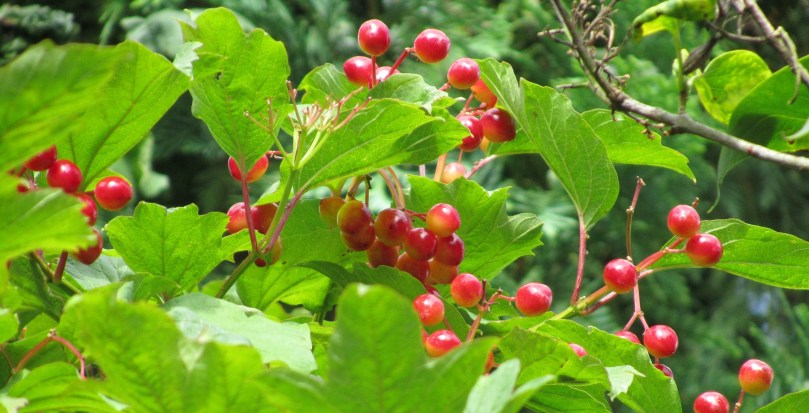

Viburnum opulus
Also, Known As:
- Crampbark
- Cranberry Bush
- Cranberry Tree
- Guelder Rose
- Pembina
- Pimbina
- Whitten Tree
Crampbark (botanical name Viburnum opulus) is basically a shrub that is indigenous to Europe as well as North America and is also found growing in the northern regions of Africa and Asia. The US National Formulary documented crampbark as late as in the 1960’s in the form of a tranquilizer for conditions related to the nervous system as well as in the form of an antispasmodic in treating asthma. As the name ‘crampbark’ suggests, the therapeutic use of this herb is primarily related to easing cramps as well as other conditions, for instance, painful menstruation due to excessive tightening of the muscles as well as colic.
Crampbark is a shrub that sheds its leaves annually (deciduous) and usually grows up to a height of 4 meters to 5 meters. The leaves of this herb…
View original post 2,112 more words
Cabin Fever: You Get What You Ask For
Dandelion, A Common Garden Herb
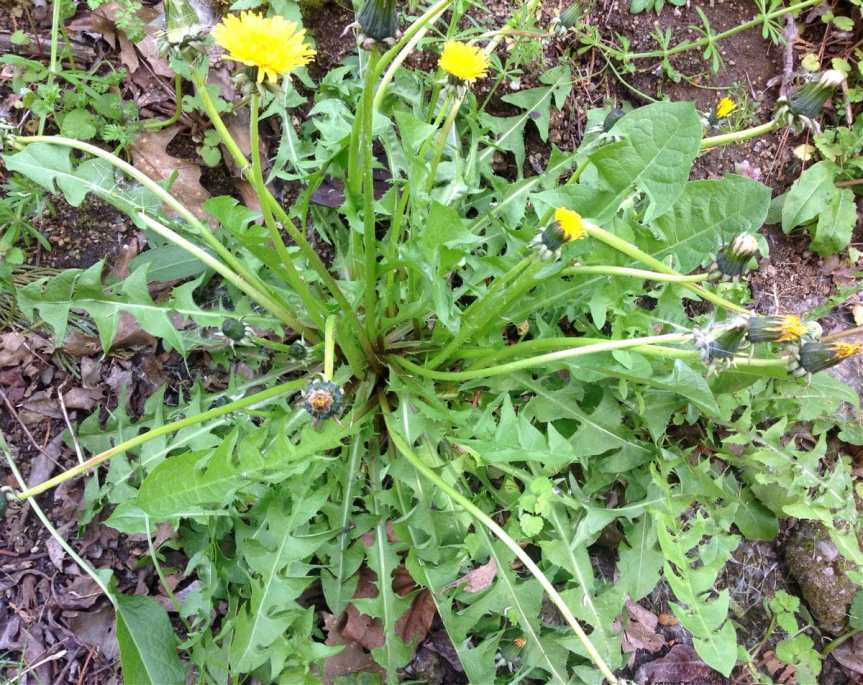
I make a wilted dandelion greens dish that’s fantastic after a long winter. Get the leaves young for eating. The older leaves are bitter.
Taraxacum officinale
Also, Known As:
- Blow Ball
- Cankerwort
- Dandelion
- Lion’s Tooth
- Pissabed
- Priest’s-crown
- Puff Ball
- Pu Gong Ying
- Pu-kung-ying
- Swine Snout
- Telltime
- White Endive
- Wild Endive
The dandelion is a common garden herb, with easily recognized flowers. During the spring season, the leaves and the root of the dandelion begin to produce mannitol, which is a substance utilized in the treatment of conditions such as hypertension and a weakened heart in continental Europe – where it is often prescribed by herbalist for patients with these conditions. A herbal dandelion tea made using the roots and the leaves of the herb are good to take from about the mid of March to about mid-May in the treatment of such conditions. Prepare the herbal dandelion tea in this way, first, boil a quart of water in a pot, slowly reduce the heat and then add 2 tbsp. of cleaned and chopped fresh…
View original post 2,664 more words
Deadly Nightshade VS Bittersweet Nightshade
Sustainable Wild Collection Protects People, Plants, and Animals
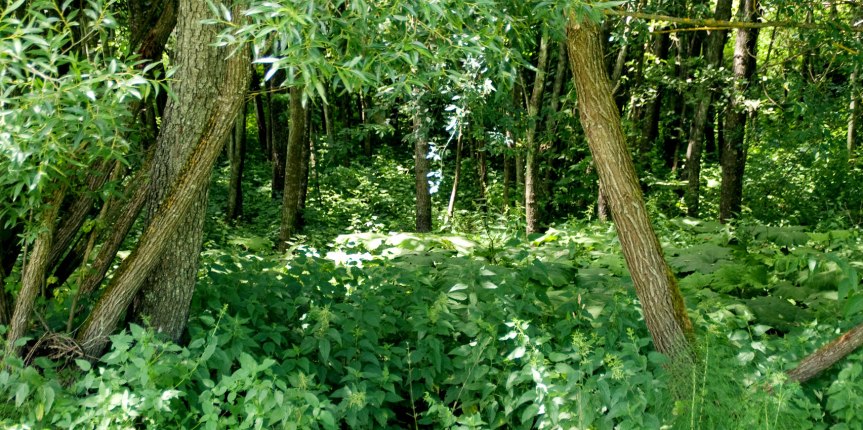
Chances are, you’re deeply connected with wild plants and don’t even realize it.
All of us in countless ways, whether we recognize it or not, are deeply connected to wild collecting.
Wild plants, as the term suggests, aren’t grown on farms. Instead, they’re collected in meadows, forests and deserts. Since ancient times, they’ve served as natural and essential ingredients in foods, fibers, dyes, cosmetics and traditional medicines.
Consider the açai berries in your super smoothie. They’re wild collected in the Brazilian Amazon. The pure maple syrup you save for special breakfasts most likely comes from the forests of Canada or the northern regions of the United States. The candelilla wax in your favorite skin care products originates in the deserts of northern Mexico. The licorice root used in candies and lozenges could be wild collected in many places — Afghanistan, Kazakhstan, Pakistan, Turkmenistan or Uzbekistan. And at Wildwood Enterprises, more…
View original post 3,466 more words
Wild Foods and Foraging
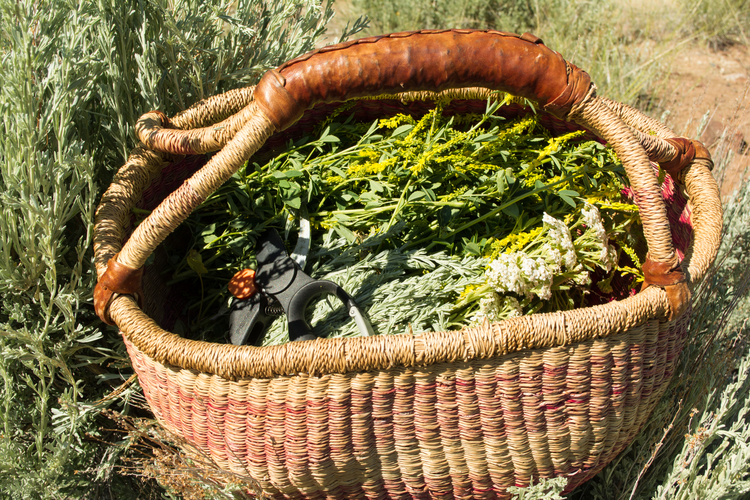
It’s all rainy days, low slung clouds, and rain on tin-roofs around the Gunnison Valley these days—a much needed, thirst-quenching storm has arrived and settled in. A perfect excuse for warm coffee, bouquets of flowers on the table, and a book, of course.
It’s also a great time to get well-versed in the foraging dos and don’ts. There is plenty to learn in the way of safety, sustainability, legalities, terms, and botany in the world of foraging, and its best to have at least a cursory grasp on these things before heading out, wicker basket and clippers in hand.
Today, a word on foraging safety, considerations, and a note on common poisonous plants to the mountain states. All of which, can be found in Briana’s new book Mountain States Foraging, a guidebook to wild edibles in the mountain west.
Foraging for Briana has been a lifeline to a wild…
View original post 584 more words
Elderberry’s | Colorado School of Clinical Herbalism
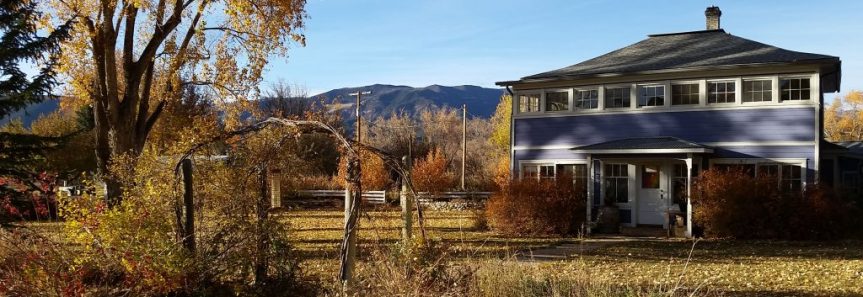
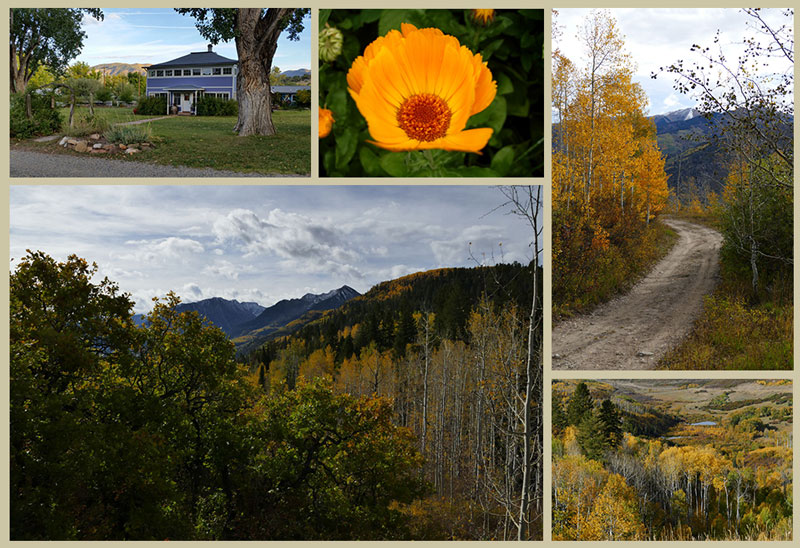 CSCH is thrilled to begin the process of creating an Herbal Healing Center at Elderberry’s, a delightful 4-acre farm in Paonia, Colorado! Experience traditional Nature Cure and Vitalist therapeutics among the gardens, herb beds, fruit trees, and wildlands nearby.
Source: Elderberry’s | Colorado School of Clinical Herbalism
Elderberry’s is home to a charming, periwinkle-blue 1908 farmhouse, graced with Peach, Plum, and Apple trees, where chickens free-range among organic vegetable and herb gardens. Our botanical sanctuary is on the edge of town, in a quiet, peaceful, varied landscape with huge Cottonwood trees shading the lawns. It’s the perfect place to shed the chaos of city life and recharge your vitality. Eat fresh food right from local farms and gardens and rest in the camping meadow under brilliant stars or stay in one of our tiny houses. Find yourself at home among healing waters, where the Minnesota creek and mountain snowmelt converge…
View original post 11 more words


You must be logged in to post a comment.