Using an Oracle or Tarot Deck to Establish Sacred Space

Dana's avatarThe Druid's Garden

Plant Spirit Oracle

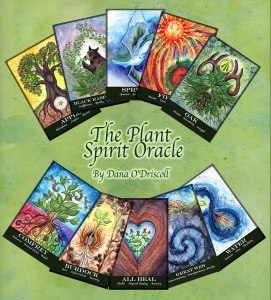
As some of you may know from my posts on Facebook and Instagram, in early 2020, I’ll be releasing the Plant Spirit Oracle as my second self-published divination deck (if you want to support the project, see link in the right sidebar with the Oak image). I described the Plant Spirit Oracle project a bit in an earlier post. For today’s post, I wanted to share a ritual space strategy that I developed as part of the PSO project–how to use a tarot or oracle deck to establish a sacred space.

The idea in a nutshell is that rather than calling in th elements or powers in a more static way, you can use an oracle deck to draw upon them in a more dynamic way. Thus, each time you create sacred space, you will be asking the cards to help you select the right…

View original post 1,702 more words
A Simple Ritual for the Autumn Equinox

Greetings!

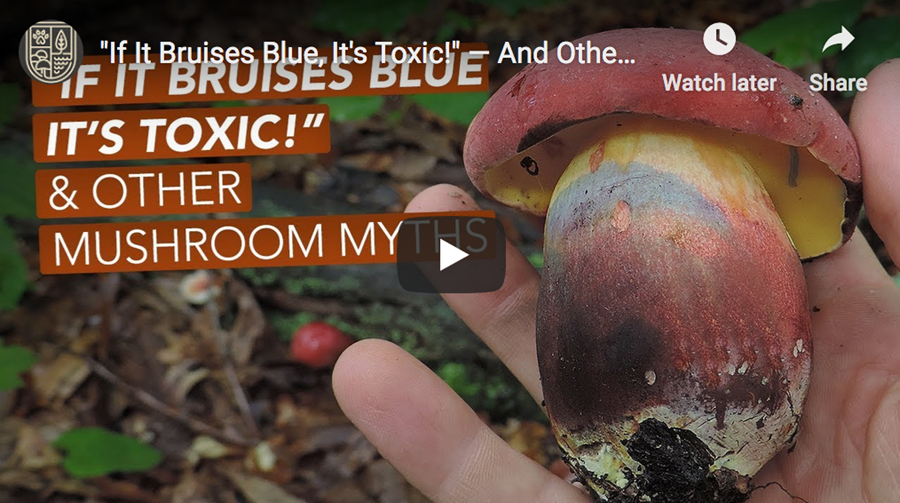
If you’ve taken an interest in foraging wild mushrooms, you’ve undoubtedly encountered rules of thumb that are meant to simplify the learning process.

“If it bruises blue, it’s toxic.”

“Mushrooms shouldn’t be consumed with alcohol.”

“Pulling up a mushroom by its ‘roots’ is a poor harvesting technique.”

In many cases, however, well-intentioned advice and general rules of thumb turn out to be nothing more than myths.

To clear up some confusion, I thought I’d address many popular myths surrounding the foraging and consumption of wild mushrooms.

The following video is one of over 70 exclusive videos featured in Foraging Wild Mushrooms.  While all content within the online course is only available to students who register within the next 4 days, I thought I’d share this video with everyone because of the timely information contained within it.

If you’re interested in foraging mushrooms for food, for medicine, for study, or just for fun, check out what Foraging Wild Mushrooms has to offer.  This 4-season course covers the most important lessons to get you started and to keep you going.

To learn more, you can follow this link:  Foraging Wild Mushrooms

(Don’t forget that Monday is the last day to register.)

In the meantime, here are 16 mushroom myths!

Thanks for reading and watching, and as always, thank you for your support!

-Adam Haritan

Sage the Savior by Susun S Weed

Crooked Bear Creek Organic Herbs's avatarGood Witches Homestead

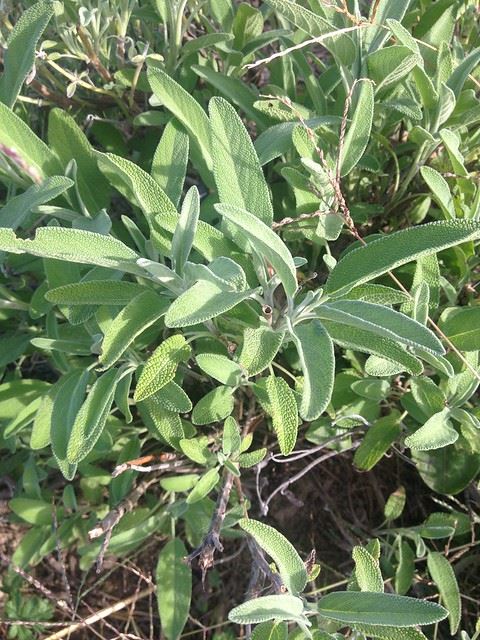
Does the odor of sage evoke warmth, cheer, and holiday feasts for you? Sage has long been used to add savor, magic, and medicine to winter meals. Culinary sage is available at any grocery store, and sage is one of the easiest of all herbs to grow — whether in a pot, on a windowsill, or in the garden. So, grab some sage, inhale deeply, and let me tell you more about this old friend.

Sage is Salvia, which means “savior.” As a member of the mint family, it has many of the healing properties of its sisters. Of special note are the high levels of calcium and other bone-building minerals in all mints, including sage, and the exceptionally generous amounts of antioxidant vitamins they offer us. 

Everywhere sage grows — from Japan to China, India, Russia, Europe, and the Americas — people have valued it highly and used…

View original post 983 more words

Valerian Root Benefits: How to Use Nature’s Wonder Root

Crooked Bear Creek Organic Herbs's avatarCrooked Bear Creek Organic Herbs

When Hippocrates had a headache, it’s possible he enjoyed a nice steaming cup of valerian root tea. The ancient Greek physician was one of the first to describe the therapeutic benefits of valerian root.

Since the early days in Greece and Rome, people sought the benefits of valerian for everything from head discomfort to heart health, nervousness, feminine issues, and the blues. Valerian brings some unique mythological history as well. People once used it to keep away troublesome elves — stay away Dobby! — and folklore experts believe it helped the Pied Piper lure rats away from town.

What Is Valerian?

Garden valerian (Valeriana officinalis) is also known as garden heliotrope, Tagar (in Ayurvedic medicine), cut-finger, and all-heal — funny names for a potent plant! The species originally grew in Asia and Europe, but it now grows throughout North America, as well. Its scientific name derives from the Latin…

View original post 1,544 more words

Astragalus; Adaptogen Herb for Stress and Balance

Crooked Bear Creek Organic Herbs's avatarCrooked Bear Creek Organic Herbs

What are adaptogens?

Adaptogens are herbs that help us adapt to changes and stress caused by physical, biological, emotional, and environmental factors. They can assist in restoring balance within the body and help us defend against both chronic and acute stressors.

One of my favorite adaptogens is astragalus.

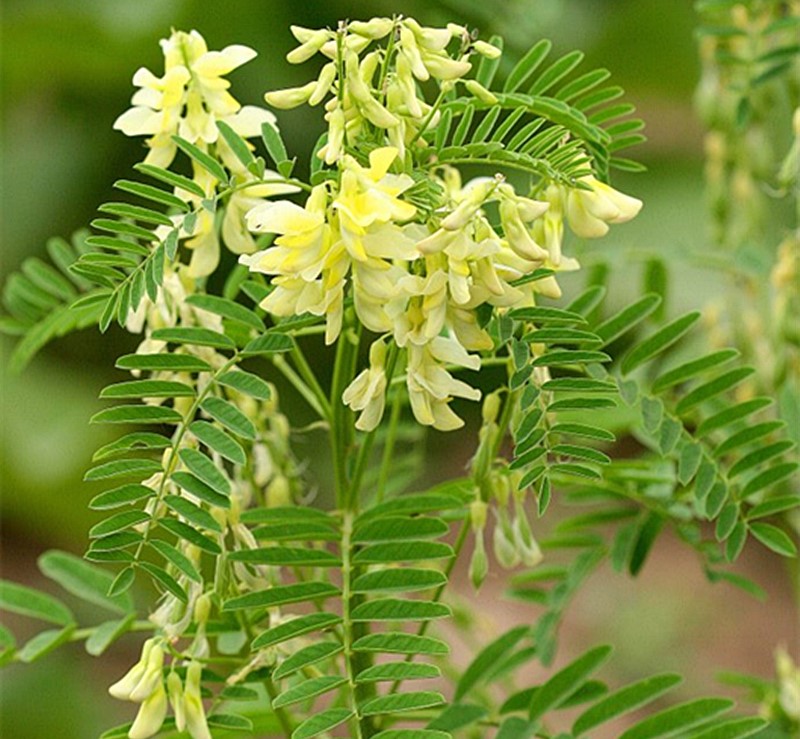
Astragalus (Astragalus Membranaceus)

Astragalus is an adaptogenic herb often used in Chinese medicine. It is calming to the Central Nervous System (CNS) and has antimicrobial properties. Astragalus helps support respiratory functions making it useful in times of infection and useful for allergies and asthma. This herb thought to boost the immune system, increase energy, and address fatigue associated with chemotherapy and chronic illness.

Due to it’s antibacterial and antiviral properties, along with its immune-boosting capabilities it may be useful in preventing and decreasing the severity of common colds and respiratory infections. Astragalus may also be used with herbs such…

View original post 1,327 more words

Skull and Crossbones

Thornapple, Gender and Ritual Application | Coby Michael Ward

Crooked Bear Creek Organic Herbs's avatarGood Witches Homestead

Cultivating the Devil’s Apple aka Thornapple

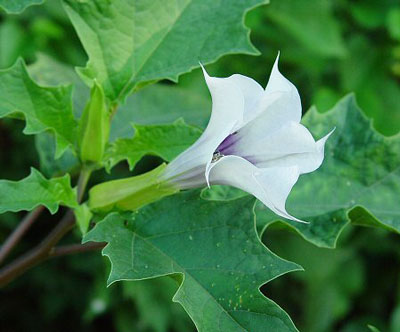
I spent part of this afternoon harvesting my Thornapple plants.  One of them grew to be close to five feet high!  The Thornapple I grew this year is a Datura stramonium var. tatula; similar to the common Datura stramonium only it is less shrubby and has lavender-purple flowers.  I harvested leaves, seedpods, and stems.  I have a few workshops coming up over Samhain season on different aspects of the Poison Path and like to have the actual plants on hand for anyone interested in working with them.  Part of my bargain with said plants is to make them available to others and teach people how to use them.  All parts of the plant are going to be put to various uses.  The leaves are dried and used for spirit offerings, intense personal cleansing and as spell ingredients.  The stems, when dried become hard…

View original post 1,105 more words

Praise of the Pumpkin

Crooked Bear Creek Organic Herbs's avatarGood Witches Homestead

The pumpkin is a fall fruit with a rich heritage and flexible flavor that has been used for centuries.

If the tomato is the queen of garden vegetables, the pumpkin may well be the king. In fact, in some parts of China, it is called “Emperor of the garden.” And why not? No plant produces a larger edible fruit, and what other plants can yield tens (or even hundreds) of pounds of healthful, delicious eating from a single seed in only a few months’ time? Pumpkins are known and loved around the world, for their beauty as well as for the gifts they bestow so generously, asking so little in return.

What’s In A Name?

A pumpkin is a winter squash, but not all winter squash are pumpkins. Confused? So is everyone else. The Oxford English Dictionary defines pumpkin as the large fruit of Cucurbita pepo, “egg-shaped or nearly…

View original post 3,989 more words

Earthen Nature Spirit Statues with Cob

Dana's avatarThe Druid's Garden

An earth spirit statue in my greenhouse, freshly made with sticks and an oak gall

A lifetime ago, myself and a dear friend dug some clay out of a hillside.  We each took half of it.  My half of the clay was used to form an earthen statue, a guardian statue, for that same friend who was struggling with terminal cancer while still in his early 20’s. It had a wooden tree knot head, stones for its belly, a stick staff, and an earthen body.  My friend accepted it reverently, and it went with him everywhere, even till the end. As he struggled with his battle with cancer, it grew nicked and chipped.  The wooden head fell off, just as my friend’s brain cancer grew more serious. When he passed on, the earthen statue passed on with him, returning to the earth. This statue was an impermanent being; fashioned of…

View original post 1,586 more words