IPM For The Herb Garden

By Crooked Bear Creek Organics

Crooked Bear Creek Organic Herbs's avatarCrooked Bear Creek Organic Herbs

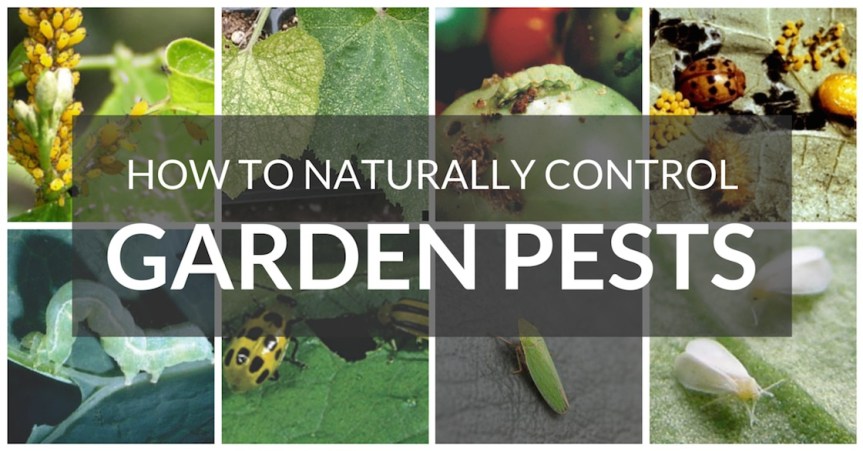
Designed as an alternative to the rampant use of insecticides in agriculture, Integrated Pest Management has proven to be an effective means of promoting healthy growth in the backyard garden as well. Learn more about how you can implement this technique in your herb plot.

Even under the best of care, your herb garden may be affected by pests or disease at some point. It can be difficult to choose the right moment and method to deal with these problems that arise, but implementing an Integrated Pest Management {IPM} strategy can help get your garden on the right track. With its multipronged approach of prevention, observation, identification, and control {if necessary}, IPM can have a significant impact in any garden, large or small, and will reward you with healthy, thriving plants with minimal impact to the environment.

The concept of IPM was first explored by American scientists and agriculturalists after…

View original post 2,021 more words

Companion Planting with Herbs

By Crooked Bear Creek Organics

Crooked Bear Creek Organic Herbs's avatarCrooked Bear Creek Organic Herbs

Boost your garden this season with the right pairings of plants.

Companion planting is a fantastic addition to any garden. By specific plants next to certain fruits, flowers, and vegetables, you can boost their health and increase their production. Of course, knowing what pairings work best is key, especially when it comes to herbs.

How It Works

Companion planting improves growth in a number of ways. To start, some plants serve to repel unwanted pests while providing shelter and safety for beneficial insects. Others encourage pollination, which is especially needed for those fruits and vegetables that don’t have noticeable flowers. Species with bright shades of blue, white, or yellow and/or with high concentrations of nectar can attract bees to these lesser-flowered plants. Larkspur, sunflowers, sweet peas, cosmos, zinnias, and mints all do well in vegetable gardens {though the mint does spread quickly}. Companion planting is a wonderful tool for organic…

View original post 2,129 more words

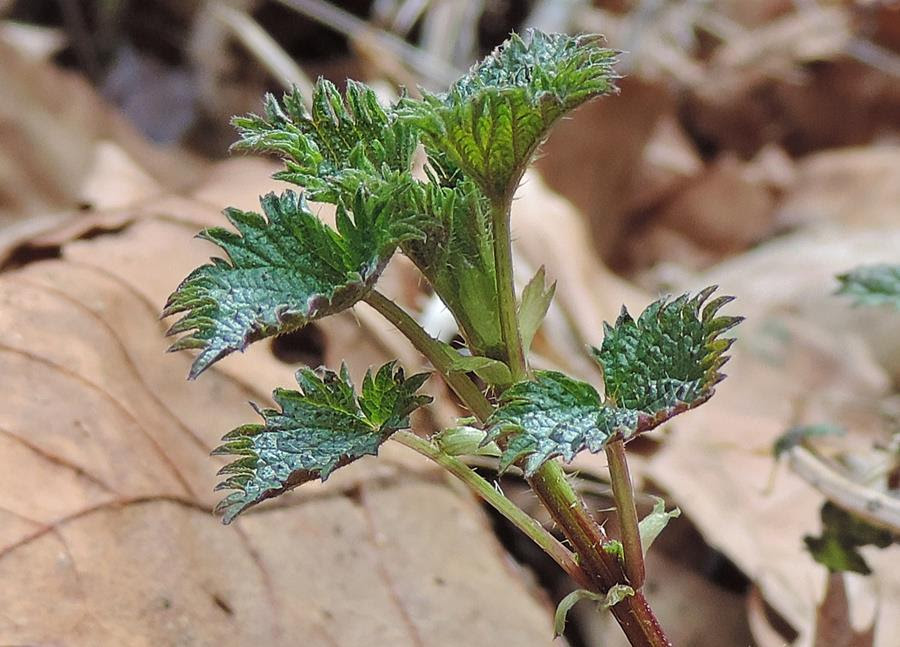
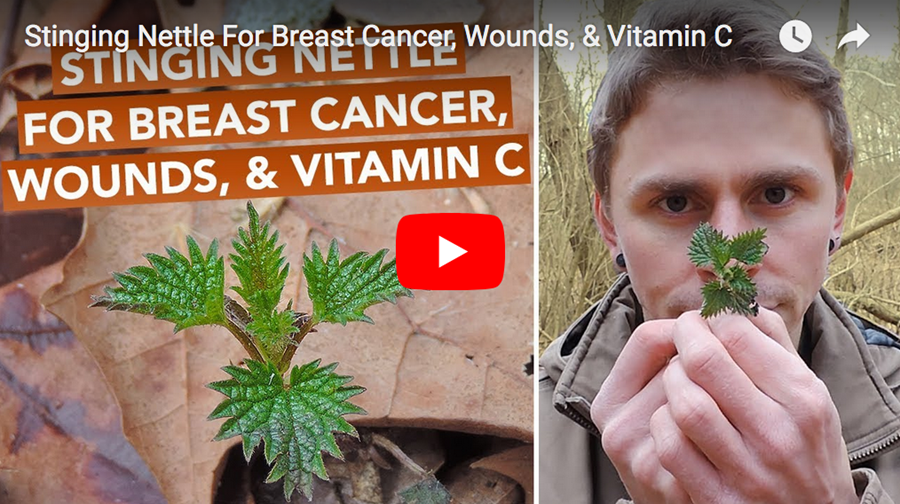
The Common Backyard Plant That Treats Breast Cancer & Repairs Wounds

Greetings!

On Sunday, April 22nd, I’ll be leading the Wild Medicinal Mushroom Workshop at Una Biologicals in Pittsburgh.  This is a 2-hour class that will focus on the medicinal properties and health benefits associated with various local wild fungi.  Participants will learn the steps involved in making mushroom decoctions and tinctures, and everyone will receive starting materials to create a personalized medicinal mushroom extraction!

Space for this class is limited, and if you’re interested in attending, you can pre-register by following this link:  Wild Medicinal Mushroom Workshop

Moving forward, let’s talk about Stinging Nettle.

Some people love it, and some people dislike it, though there’s no denying Stinging Nettle’s potential role in treating serious illnesses.

Last year, I filmed a video in which I discussed this plant’s ability to treat type 2 diabetes, benign prostatic hyperplasia, and allergies.

Since then, many more scientific studies have been published on Stinging Nettle’s therapeutic qualities.

For example, in the past two years, three studies have documented Stinging Nettle’s ability to treat breast cancer.  Another recent study discovered that Stinging Nettle can significantly enhance the wound-healing process.  And one more recent study evaluated the best way to make an infusion (i.e. “tea”) from Stinging Nettle in order to extract the maximum amount of vitamin C (which itself is associated with numerous health benefits).

After personally digging into the research on Stinging Nettle, I felt the need to share the latest information with you.  If you’re interested in optimizing your personal health utilizing locally sourced, wild edible plants… check out this brand new video!

Thanks for reading and watching, and perhaps I’ll see you at the Wild Medicinal Mushroom Workshop on April 22nd!

-Adam Haritan