A Bardic Storytelling Ritual for Empowerment

Dana's avatarThe Druid's Garden

Everyone has a story to tell, and some stories are worth their weight in gold. How we retell past events, through the bardic art of storytelling, can help shape our present understanding.  Thinking about stories as acts of empowerment in this way is particularly important in an age where so many of us feel disempowered. One of the things I’ve noticed a lot lately is that people, of all ages, are really down, feeling defeated, and feeling burned out. They feel like they don’t have a lot of agency or power. And so, using ritual and spiritual practices to help us find our power, and better understand it, is an extremely useful practice.  Storytelling is a form of magic, in this case, through a bardic storytelling ritual, to help empower us and bring us hope.  So today’s post, in line with my larger series on the bardic arts, will…

View original post 1,555 more words

Medicinal Herbs: Arnica

Crooked Bear Creek Organic Herbs's avatarGood Witches Homestead

Arnica {Arnica montana}

Arnica has been an important topical healing herb since the 15th century. It is a member of the large and varied Asteraceae, or Composite family, along with sunflowers, daisies, lettuce, and chicory. This perennial herb originated in the mountains of Europe and Siberia and is now widely cultivated in North America.

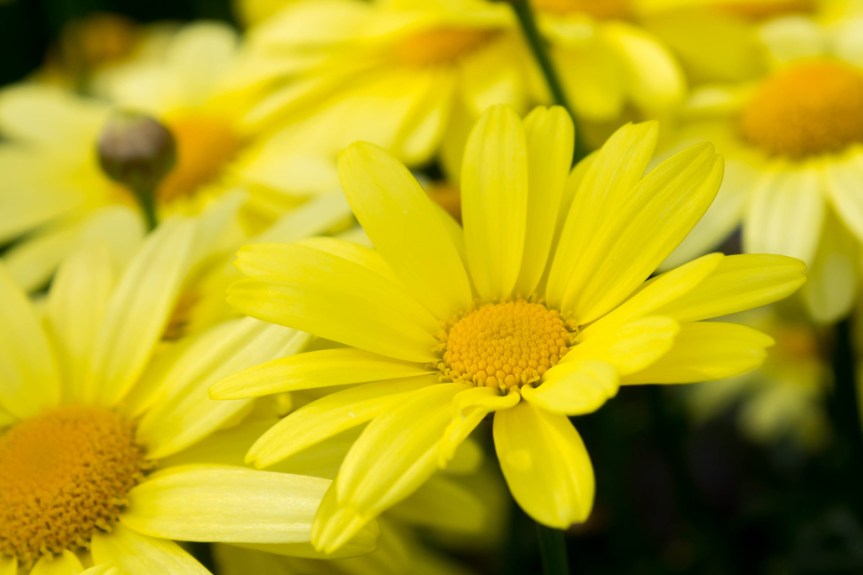
The plant’s genus name derives from arna, Greek for “lamb,” because of the soft, fleecy hair on its green leaves. It reaches an average height of one to two feet and produces daisy-like yellow-orange flowers that begin to bloom in May.

Healing Properties

Arnica’s flower heads, either fresh or dried, are the base of creams, salves, ointments, liniments, or tinctures that are applied to the skin to treat muscle aches, sprains, strains, and bruises. Arnica can also be useful in treating superficial phlebitis, inflamed insect bites, and swelling from broken bones. There…

View original post 428 more words

Third New Moon of Autumn

Vibration

Medicinal Herbs: Clary Sage

Crooked Bear Creek Organic Herbs's avatarGood Witches Homestead

Clary Sage {Salvia sclarea}

Clary Sage is an ancient herb that has been used by many cultures to medicate the eyes and treat a variety of diseases. This biennial member of the mint family, Lamiaceae, is native to the northern Mediterranean, parts of North Africa, and Central Asia. It is now a commercial crop in the Mediterranean, Russia, the United States, England, Morocco, and Central Europe, cultivated primarily for its essential oils. It still grows wild in many places.

The plant begins as a rosette, and, by its second year, produces strong, hairy stems that reach an average height of three feet. The large, downy green leaves are paired and show a hint of purple. The herb produces lush spikes of lilac or blue flowers that bloom from spring to mid-summer and attract bees and other pollinators.

Healing Properties

Written records of the herb’s healing powers go…

View original post 728 more words

Depolarization

Crystals at the Table

By Sonia Acone

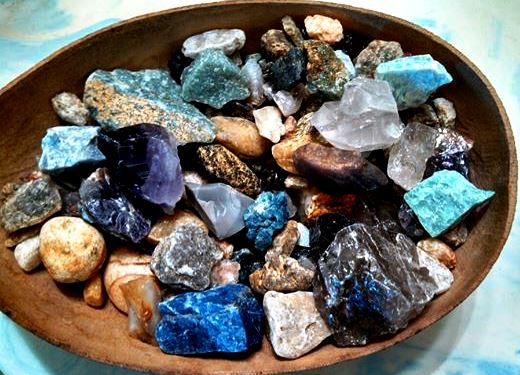
Gemstone jicara

For some years now, I’ve kept a dish of crystals on our kitchen table.  The dish may change with the seasons or my moods, and the crystals often change to reflect what the family needs at certain times, but the message is always the same: the crystals stay on the table. My oldest son, Jeremy, started what is now a long-running joke when someone knocked over a salt shaker which, in turn, crashed into my dish of crystals. Jeremy threw out his hands and yelled, “Nobody move! Mom’s crystals have been disturbed!  You will feel their wrath!” Narrowing his eyes, and in a sinister whisper, he continued, “Now we’ll await the hellfire and brimstone…”  To which I naturally gave him the “Mom eye-roll” and proceeded to put things to rights at the table.

The family doesn’t always know the reasons by which some crystals appear in the dish while others are taken away, but they all understand that they are there for a specific purpose and they respect the fact that the crystals do help us, especially when we are all at the dinner table together.  Many an argument has ensued between my husband and oldest son (both are Leo’s) over dinner-table conversations, or there could be way too much goofing off between our two boys, especially when my husband is trying to have a more serious discussion which, in turn, almost always evolves into some sort of life lesson.  So, in the interest of peace and tranquility at the table, I set out a dish of crystals that I had hoped would be beneficial to everyone.

There is always a Clear Quartz crystal, but then I have added DumortieriteMoonstoneLapis Lazuli and Blue Lace Agate for peace; Lepidoliteand Sunstone for a bit of fun; MalachiteBloodstoneChrysocolla, etc. for healing; Hawk’s Eye (Blue Tiger Eye) and Pietersite for a bit of creativity and intuition; Shattuckite for letting go of past issues; and a Rutilated Quartz for those times when I look up to the ceiling and whisper, “Heaven help me with these guys!”

One of the amazing aspects of this dish is often found when the boys’ friends come over and one or more of them almost always notices if new crystals have been added to the dish. I do one of my little happy dances in my head when I see their interest in the crystals. A friend of Jeremy’s was here recently and couldn’t take her eyes (or her hands) off a tumbled Tiger Eye. She was enthralled with it, which gave me a hint as to what she would be getting as a Christmas gift.

To have young people appreciate and understand that crystals can be used in their daily lives is something that has brought me immense joy over the years, and I will continue to introduce them to more of the same. Speaking of Christmas, when I asked what Jeremy wanted for Christmas, he replied, “Can I have a crystal necklace?”  Talk about a happy dance – and yes, I did grab a tissue for the few tears of joy that fell.

Update: Jeremy now has his own place. And yes, every year, he asks for some crystal item for Christmas. His apartment is becoming a crystal haven, just like our home. He still freaks out if someone knocks over the crystal dish, whether here at home or at his own.
The Three Great Myths about America’s Wild Horses

R.T. Fitch's avatarStraight from the Horse's Heart

by as published on HorseTalk

One of the favorite tools used by the cattle industry to push competing grazing animals off the lands they covet is that of supporting outright myths and also funding questionably designed studies and then promoting the highly questionable results.

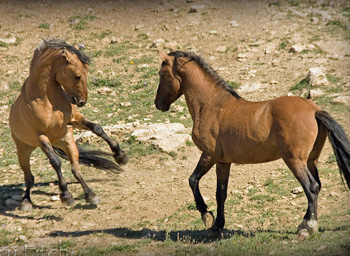
photo by Terry Fitch of Wild Horse Freedom Federation

Throughout American history, the cattle industry has been for the most part unreasonable to other livestock producers. The American range and Sheep Wars of the 18th and early 19th centuries are clear evidence of this statement, as is outlined in this summary:

Wikipedia: The Sheep Wars, or the Sheep and Cattle Wars, refers to a series of armed conflicts in the Western United States which were fought between sheepmen and cattlemen over grazing rights. Sheep wars occurred in many western states though they were most common in Texas, Arizona and the border region of…

View original post 62 more words

Ozark Encyclopedia – M – Mustard

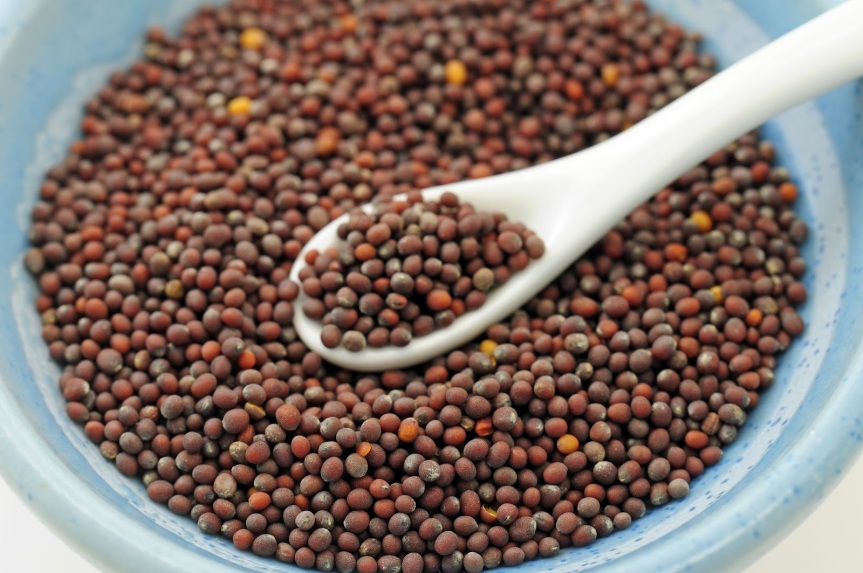
My grandmother was a BIG believer of in mustard plasters.

A Druid’s Anchor Spot

Dana's avatarThe Druid's Garden

Current statistics from the United States EPA suggest that Americans spend almost not amount of time outside: the average American now spends 93% of their total time enclosed (including 87% of their lives indoors and 6% enclosed in automobiles). A UK-based survey indicated that children now spend less than 30 minutes or less outside and 20% of children don’t spend any time outdoors on an average day (which is less time than prisoners spend outside per day). I think that the reason that a lot of people find druidry is because of statistics like these: increasing work and life demands make it harder to get outside, increased urban sprawl makes it harder to find “wild spaces”, and our relationship with nature is at a deficit that has implications for our health, happiness, and well being.

If (re)connection with nature is a clear goal for those on the druid path…

View original post 2,415 more words