At the heart of the challenges, we face in transitioning from a life-destroying culture to a life-honoring one is to disentangle the many underlying myths and narratives that subconsciously or consciously drive our behaviors. These myths include the myth of progress, the myth of infinite growth, the lure of materialism, and the assumption that nature is there only to serve our needs. These myths have, in part, been the underlying forces that have driven us to the present challenges of our age. I believe many of these myths are rooted in colonialism, and if we are ever to end this awful practice and its centuries-old impacts, we must address them. They drive both larger systems at play as well as each of us. And while we can look to broader
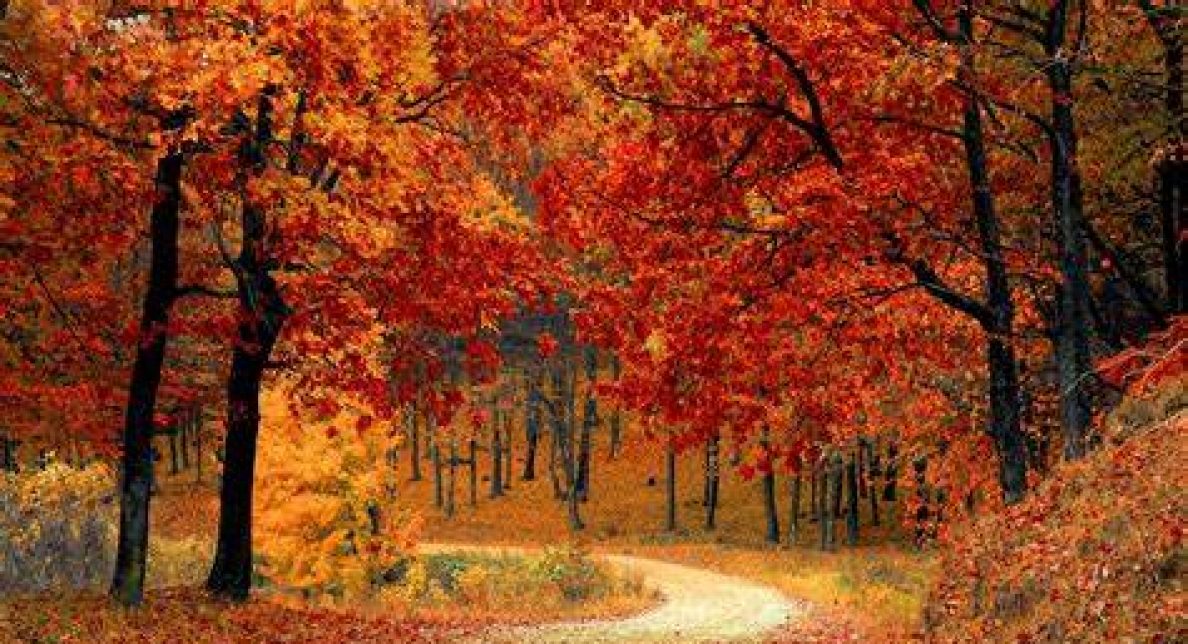
A nature mandala offered in thanks for our land that provides so much to us.
Poison hemlock gets an incredibly bad rap these days.
It’s weedy. It’s aggressive. And it’s lethally toxic.
Here in the United States, poison hemlock grows in almost every single state. Because many of us will inevitably encounter a naturalized population of poison hemlock, it’s important that we learn its key features and its effects on the human body.
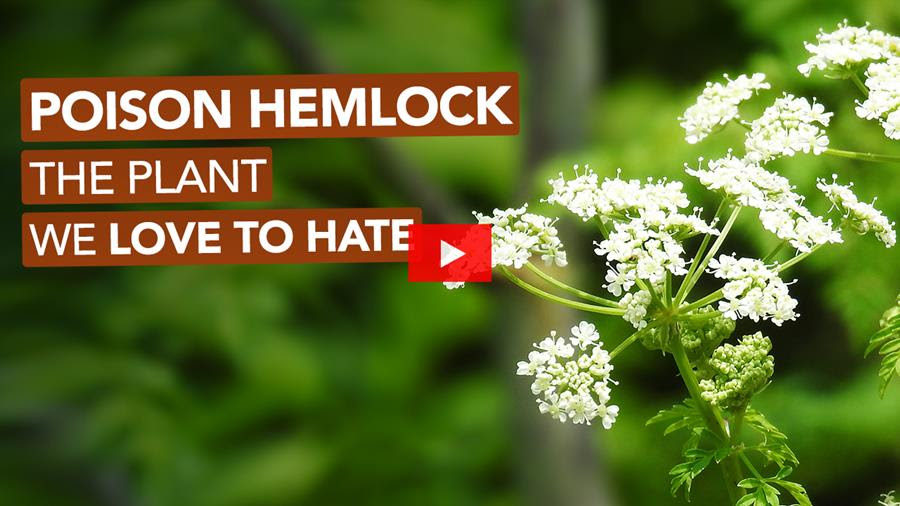
The trend these days is to write scathing articles about poison hemlock where personal feelings eclipse objective information. Today, however, I’ll offer something different.
In a new video, I don’t get too angry talking about poison hemlock, but I instead try to remain fairly neutral when discussing its attributes.
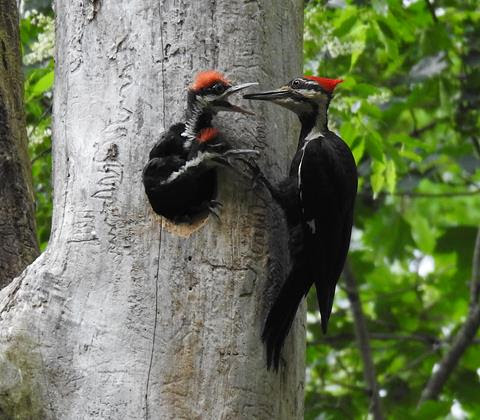
Last year, I stumbled upon a pileated woodpecker nest for the first time. Exactly one year later, I encountered a second site in a different location. To read about my recent experience, and to view more photographs of the nest, check out the latest Instagram post!Click to view post
Thanks for reading and watching, and thanks for your continued support!
Juneberry Tree in Abundance We are now at the time when it is at peak throughout the Eastern US and thus,it is a great time to learn about this wonderful tree. Juneberry, also known as Amelanchier, Serviceberry, Saskatoon, or Shadbush is a grouping of 20 deciduous small trees or large shrubs. Juneberry is a delightful understory […]
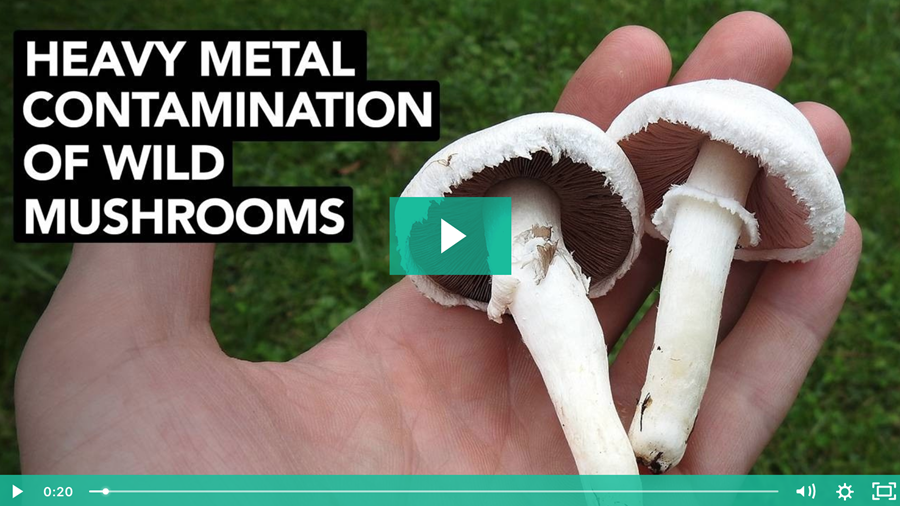
Harvesting edible mushrooms that are contaminated with impurities is disappointing and potentially dangerous.
One of the most common questions I receive from concerned foragers is this:
“I hear that mushrooms bioaccumulate all kinds of substances. How do I know that the edible mushrooms I’ve harvested are safe for consumption?”
This is an issue that requires a lot of attention. Fungi, like many living organisms, can harbor all kinds of contaminants, including synthetic chemicals (e.g., pesticides and herbicides), radionuclides, and heavy metals.
While many factors remain outside the personal control of foragers, several actions can be taken to mitigate harm caused by these contaminants.
To shed light on heavy metal contamination, I created a video in which I answer 6 important questions. Information in the video includes:
The most problematic heavy metals.
Habitats that are known to be contaminated.
Edible mushrooms that hyper-accumulate heavy metals.
Specific parts of mushrooms that are most likely to concentrate heavy metals.
Cooking techniques we can implement in the kitchen to reduce contamination.
…and lots more.
The following video is one of over 80 exclusive videos featured in Foraging Wild Mushrooms — a four-season online course designed to help you confidently and successfully forage wild mushrooms.
Registration for Foraging Wild Mushrooms is open until Monday, May 24th at midnight. After May 24th, registration will be closed.
If you’ve ever considered harvesting wild mushrooms but didn’t know where to start, or where to go, or how to discern between edible and poisonous species, Foraging Wild Mushrooms will equip you with the skills necessary to ensure that your harvests are safe and successful.
To get a sneak peek into the kinds of content found within the course, check out this video.
Please note that this video is available until Monday, May 24th, and will only be available to registered students afterwards.
Thanks for reading and watching, and thanks for your continued support.
The spring mushroom season is well underway for many of us, and although morels have called it quits in more than a few parts of the country, plenty of additional edible mushrooms will faithfully appear over the next several months.
In anticipation of the late spring/early summer mushroom season, I’m excited to announce that registration for my online course will open on Monday, May 17th.
Foraging Wild Mushrooms is a four-season course designed to help you confidently and successfully forage wild mushrooms. This course is presented entirely online and it features over 70 exclusive videos that cover all the essentials for beginner-level mushroom hunters, including mushroom ecology; mushroom biology; common edible mushrooms; medicinal mushrooms; poisonous mushrooms; cooking techniques; medicine-making; and more.
Registration for Foraging Wild Mushroomswill be open for one week only, from midnight on May 17th to Monday, May 24th. After May 24th, registration will be closed.
Upon registration, you can watch the videos at your own pace and you will have access to the course forever.
If you are interested in signing up for Foraging Wild Mushrooms, mark your calendar for Monday, May 17th and visit this link.All additional information — including course outline and tuition — will be posted on Monday.
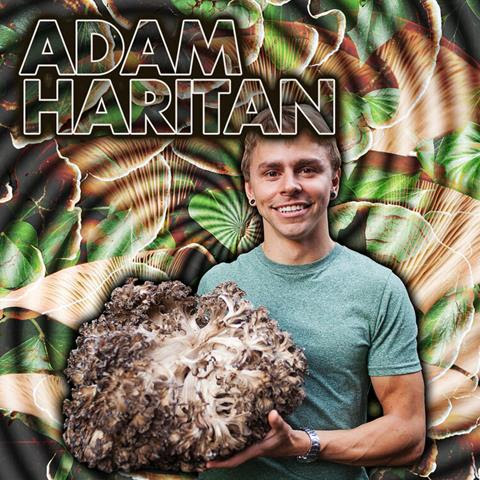
I look forward to seeing you on Monday! -Adam Haritan
We are happy to announce the next webinar in the Sustainable Herbs Program (SHP) Toolkit Webinar Series: Equity and Wild-Harvested Plants: Building Mutually Beneficial Relationships.
This webinar will discuss what it takes to create and maintain mutually beneficial long term trade relations among those wild-harvesting plants for the global supply network, including equitable sharing of the costs of sustainable production. The speakers will talk about what these trade relationships entail, the responsibilities of buyers, and the role of standards and certifications like FairWild.
Speakers include: Marin Anastasov, Sourcing Manager at Pukka Herbs; Peter Rangus, Business Development Manager of Arxfarm, Slovenia; and Bryony Morgan, Executive Officer of the FairWild Foundation. Guest discussants include: Krystyna Swiderska, Principal Researcher in IIED’s Natural Resources Group, and Elizabeth Bennett, Associate Professor of International Affairs, Lewis & Clark College.
Equity and Wild-Harvested Plants: Building Mutually Beneficial Relationships Thursday, May 20…
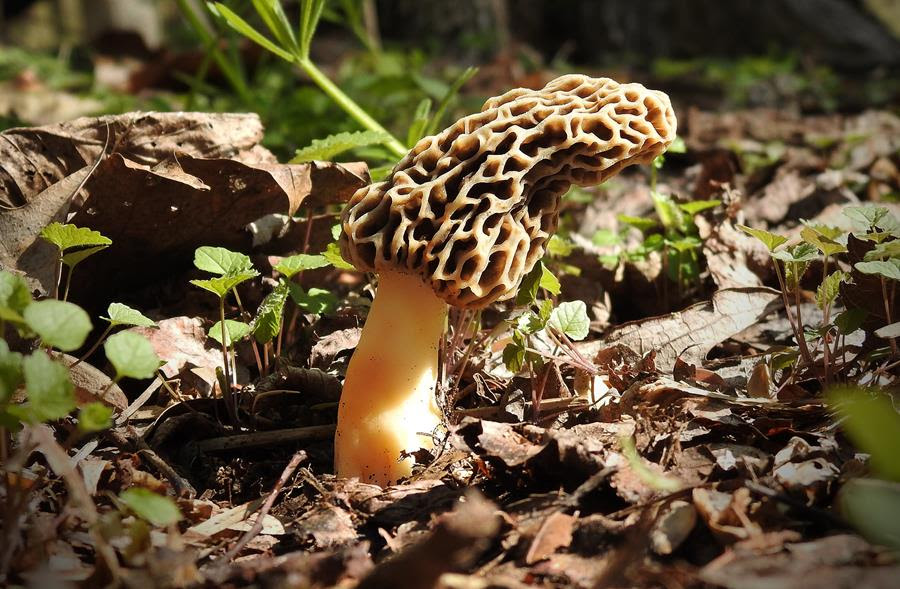
Experience has shown me that morel mushroom hunting involves no less than three general factors.
Luck.
Like a first-time bowler who bowls a 200 game, some people find morel mushroom honey holes without even trying.
Skill.
This is a somewhat more predictable factor. Without proper awareness of habitat, timing, and tree associations, a successful morel hunt will be impaired.
Persistence.
Any inveterate morel hunter will tell you that leg work is essential. In order to consistently find, one must fearlessly seek.
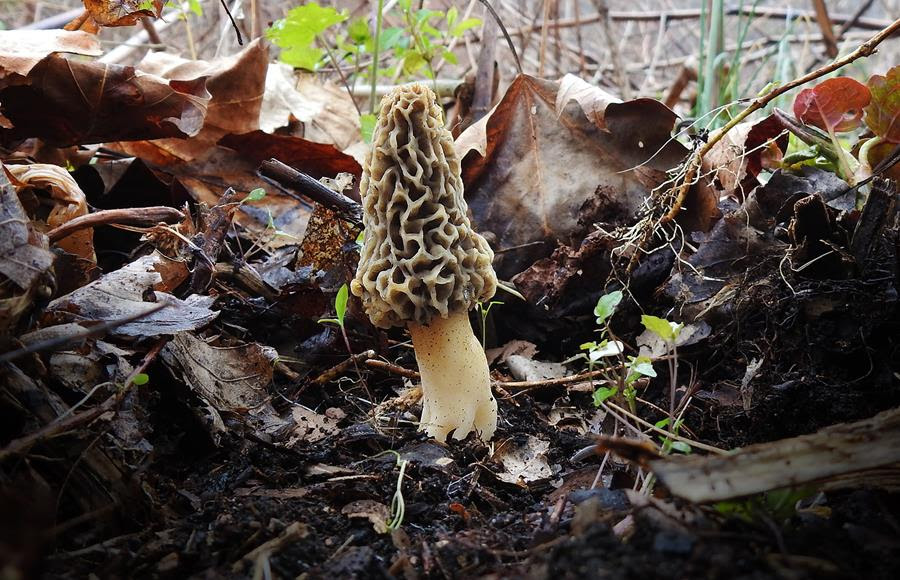
During a recent excursion in the woods, I found several morels near elms and tulip poplars. Instead of harvesting every mushroom and calling it a day, I decided to film a video and analyze the specific factors involved in finding such a bounty.
The following analysis parallels the specific points mentioned in the previous video (“6 Reasons You Can’t Find Morels”) in order to help you better locate these elusive fungi.
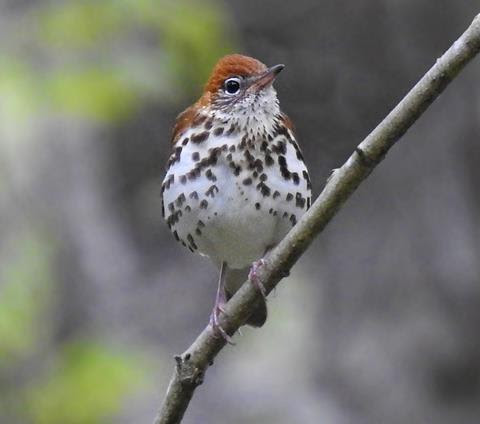
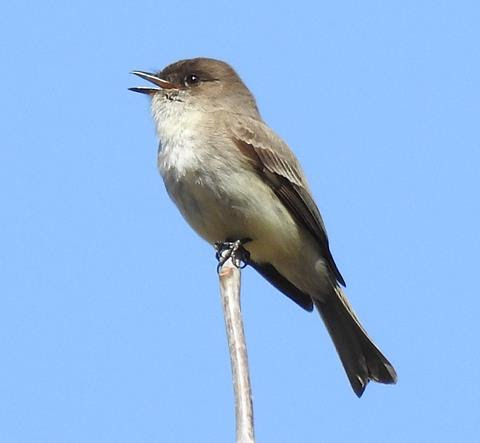
Experience has also shown me that encountering spring migratory birds can be just as exciting as finding morels. This particular bird spent his winter in Central America and has recently returned to the wilds of Pennsylvania. Have you seen him or heard his song? Check out the latest Instagram post to learn more.Click to view post
I was a recent guest on the Awake Aware Alive podcast hosted by Jacob Gossel. In this interview, we discuss many topics including how to read landscapes more effectively, the importance of learning directly from humans, and what I think about ticks. You can listen to the interview through one of the following links:
Some wild mushrooms are easy to locate and are so large that single specimens can easily weigh 15 pounds.
Morels are different.
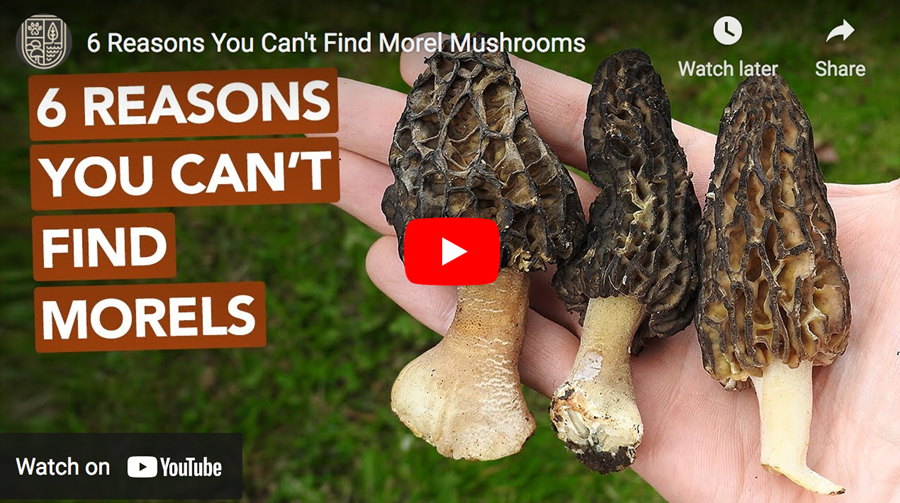
They’re not easy to locate. Their season is short. And multiple specimens are required just to provide a single meal. Still, morels are among the most coveted of all wild fungi.
Every year countless foragers eagerly head to the woods in search of these treasured mushrooms, and every year countless foragers dishearteningly leave the woods without them.
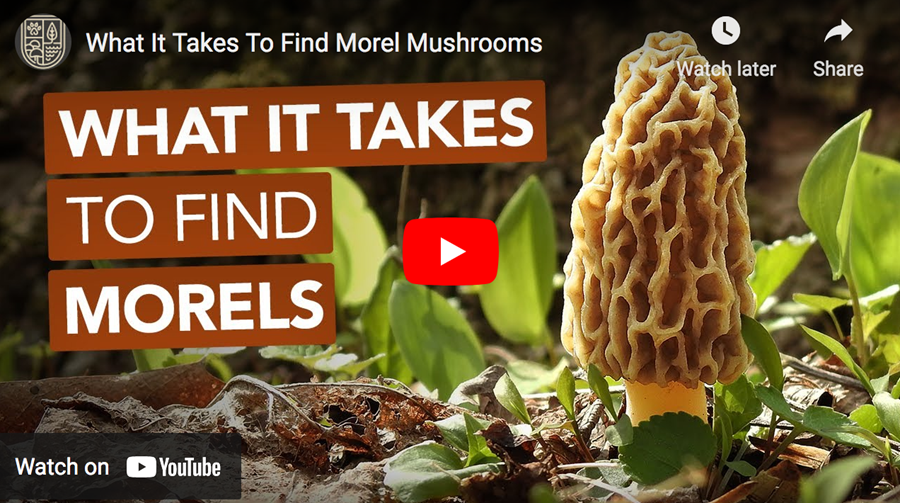
If you are someone who cannot seem to find morel mushrooms no matter how hard you try, check out the following video. In it, I discuss 6 common reasons why people have trouble locating these elusive fungi.
You may be one of the growing numbers of home gardeners who have put shovel to soil in the effort to nourish themselves and their families with wholesome, organic, fresh, and ultimately local vegetables and fruits. It is empowering to know exactly where your food comes from. And, while gardening is perfect exercise…it can be a lot of work! What if you could grow food plants that all but took care of themselves? Or better yet simply harvest, with caution of course, from the wild.
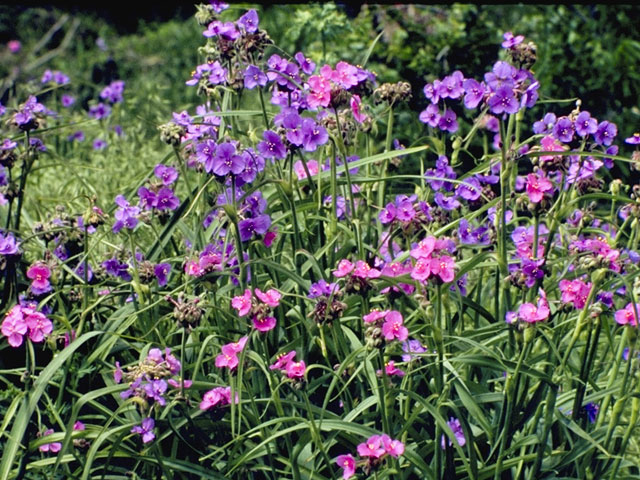
Native produce? Yes! The plants I’m about to tell you about are all easy to cultivate within their home ranges and, once established, may not require any attention outside of harvest. There are many virtues of raising locally native plants, such as decreased use of water, fertilizers, and pesticides, and promoting regional identity, and providing for wildlife. But those aren’t my main…
One of the hallmarks of spring is the blooming of the vibrant and colorful dandelion. Emerging as soon as the coldest of the temperatures ease, the blooming of the dandelions affirm that the long, dark winter is indeed over and summer is just around the corner. In today’s post, and in honor of the Spring Equinox and the incredible dandelion, I offer a spring tonic and meditative journey to celebrate the Spring Equinox and learn more about the mysteries of the dandelion. This is one of my monthly AODA-themed posts, so I hope you enjoy it and have a blessed spring equinox!
About the Dandelion
The blooming of the dandelions is a special time of year. For us here in Western PA, dandelions bloom just as the final frosts are easing, and are a sign that we can start planting some of our more tending crops in…

 A nature mandala offered in thanks for our land that provides so much to us.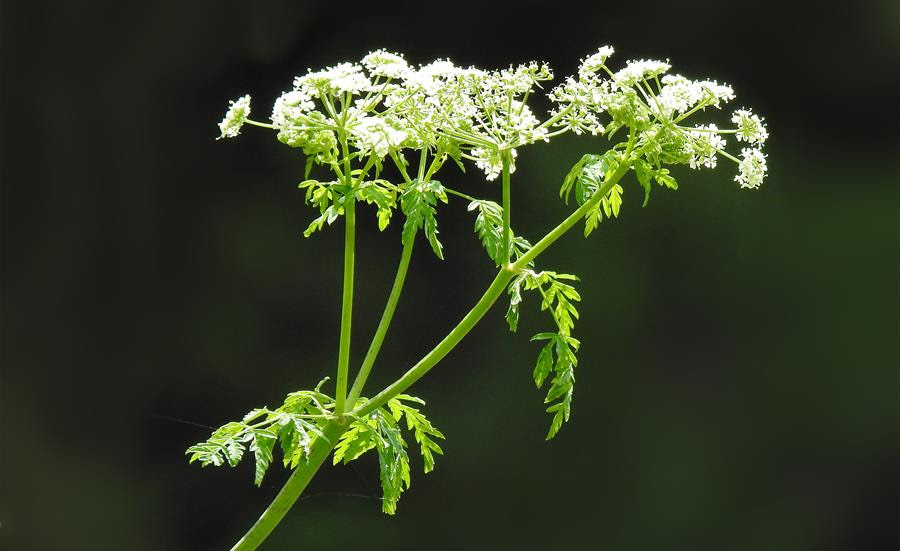








 You may be one of the growing numbers of home gardeners who have put shovel to soil in the effort to nourish themselves and their families with wholesome, organic, fresh, and ultimately local vegetables and fruits. It is empowering to know exactly where your food comes from. And, while gardening is perfect exercise…it can be a lot of work! What if you could grow food plants that all but took care of themselves? Or better yet simply harvest, with caution of course, from the wild.


You must be logged in to post a comment.