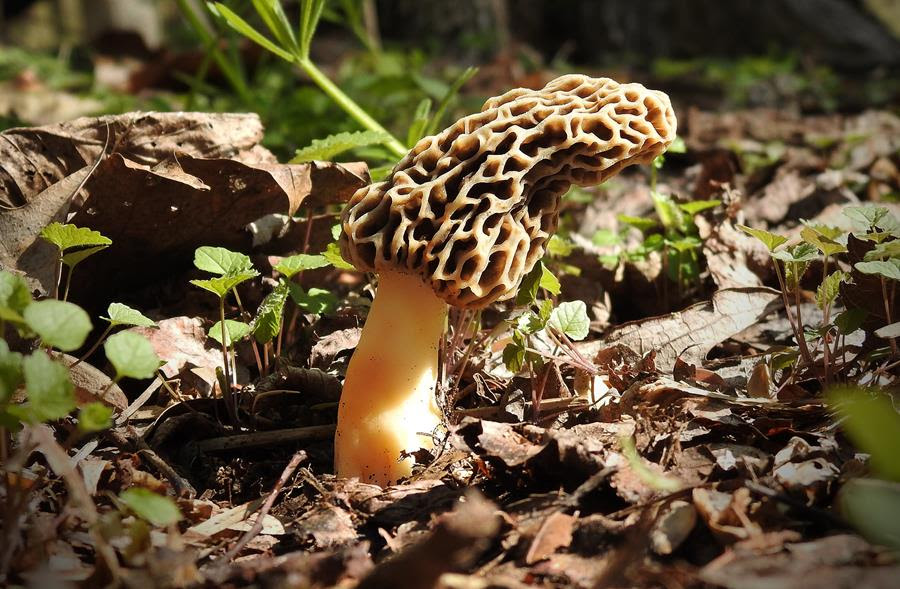

Experience has shown me that morel mushroom hunting involves no less than three general factors.
Luck.
Like a first-time bowler who bowls a 200 game, some people find morel mushroom honey holes without even trying.
Skill.
This is a somewhat more predictable factor. Without proper awareness of habitat, timing, and tree associations, a successful morel hunt will be impaired.
Persistence.
Any inveterate morel hunter will tell you that leg work is essential. In order to consistently find, one must fearlessly seek.
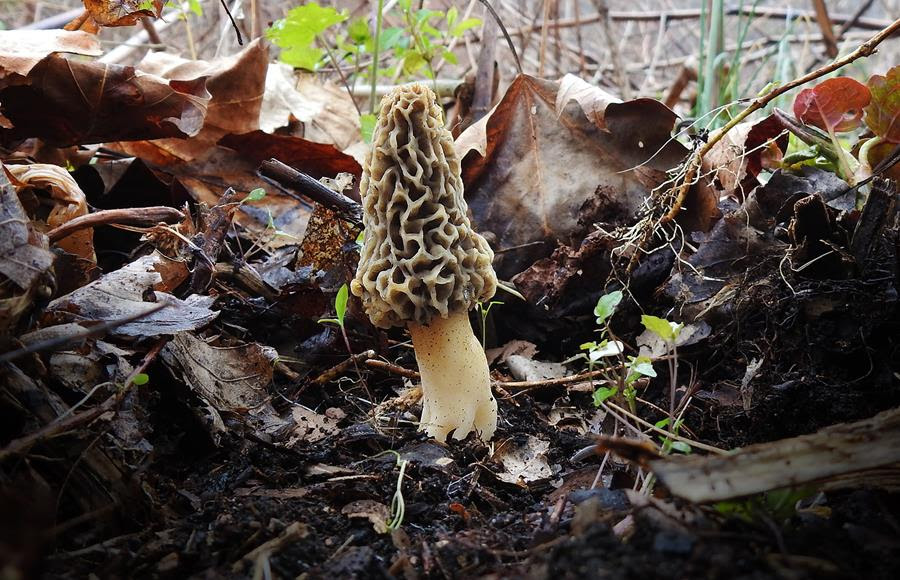
During a recent excursion in the woods, I found several morels near elms and tulip poplars. Instead of harvesting every mushroom and calling it a day, I decided to film a video and analyze the specific factors involved in finding such a bounty.
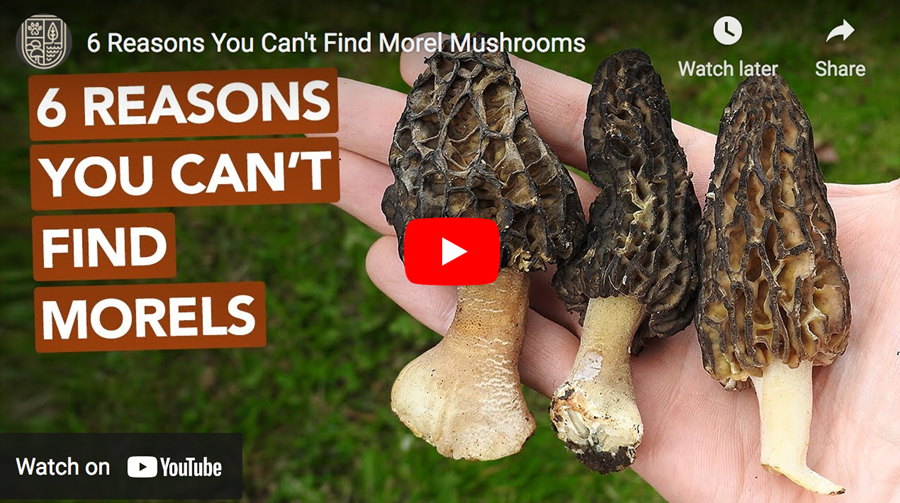
The following analysis parallels the specific points mentioned in the previous video (“6 Reasons You Can’t Find Morels”) in order to help you better locate these elusive fungi.
You can watch the brand new video here.
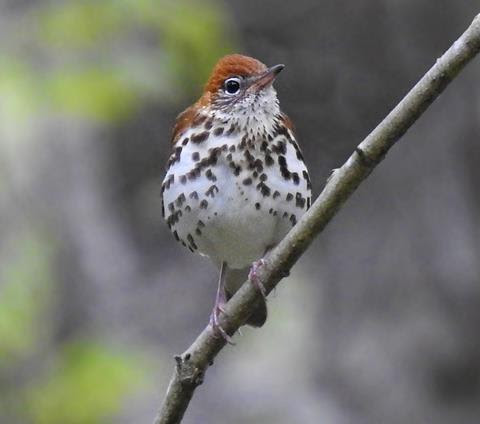
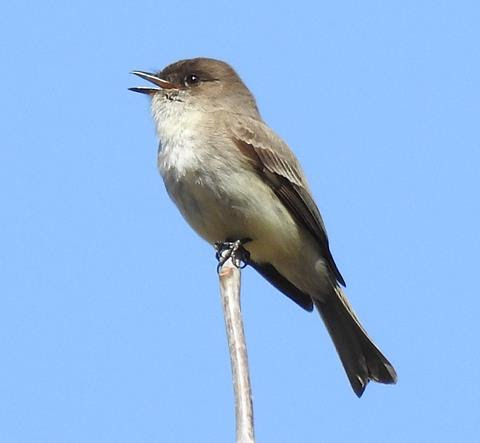
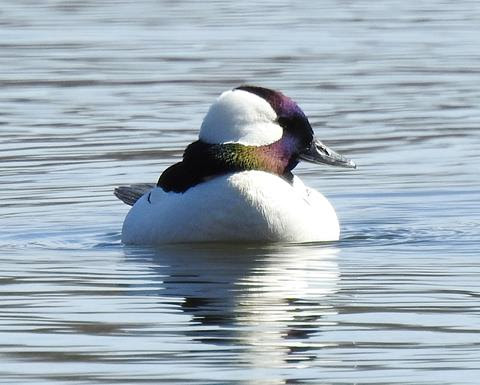
Experience has also shown me that encountering spring migratory birds can be just as exciting as finding morels. This particular bird spent his winter in Central America and has recently returned to the wilds of Pennsylvania. Have you seen him or heard his song? Check out the latest Instagram post to learn more.Click to view post
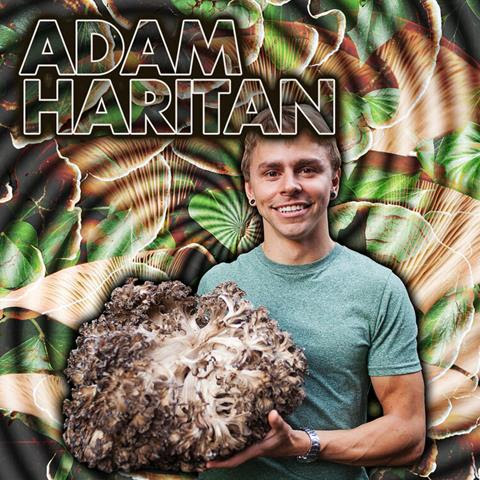
I was a recent guest on the Awake Aware Alive podcast hosted by Jacob Gossel. In this interview, we discuss many topics including how to read landscapes more effectively, the importance of learning directly from humans, and what I think about ticks. You can listen to the interview through one of the following links:
Thanks for reading and watching, and thanks for your continued support!
-Adam Haritan


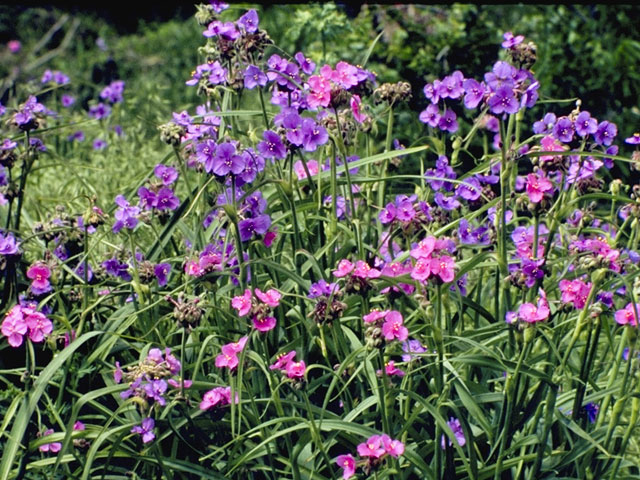 You may be one of the growing numbers of home gardeners who have put shovel to soil in the effort to nourish themselves and their families with wholesome, organic, fresh, and ultimately local vegetables and fruits. It is empowering to know exactly where your food comes from. And, while gardening is perfect exercise…it can be a lot of work! What if you could grow food plants that all but took care of themselves? Or better yet simply harvest, with caution of course, from the wild.
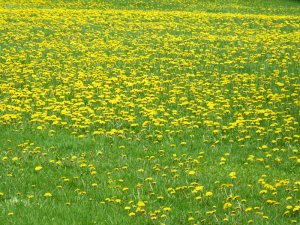
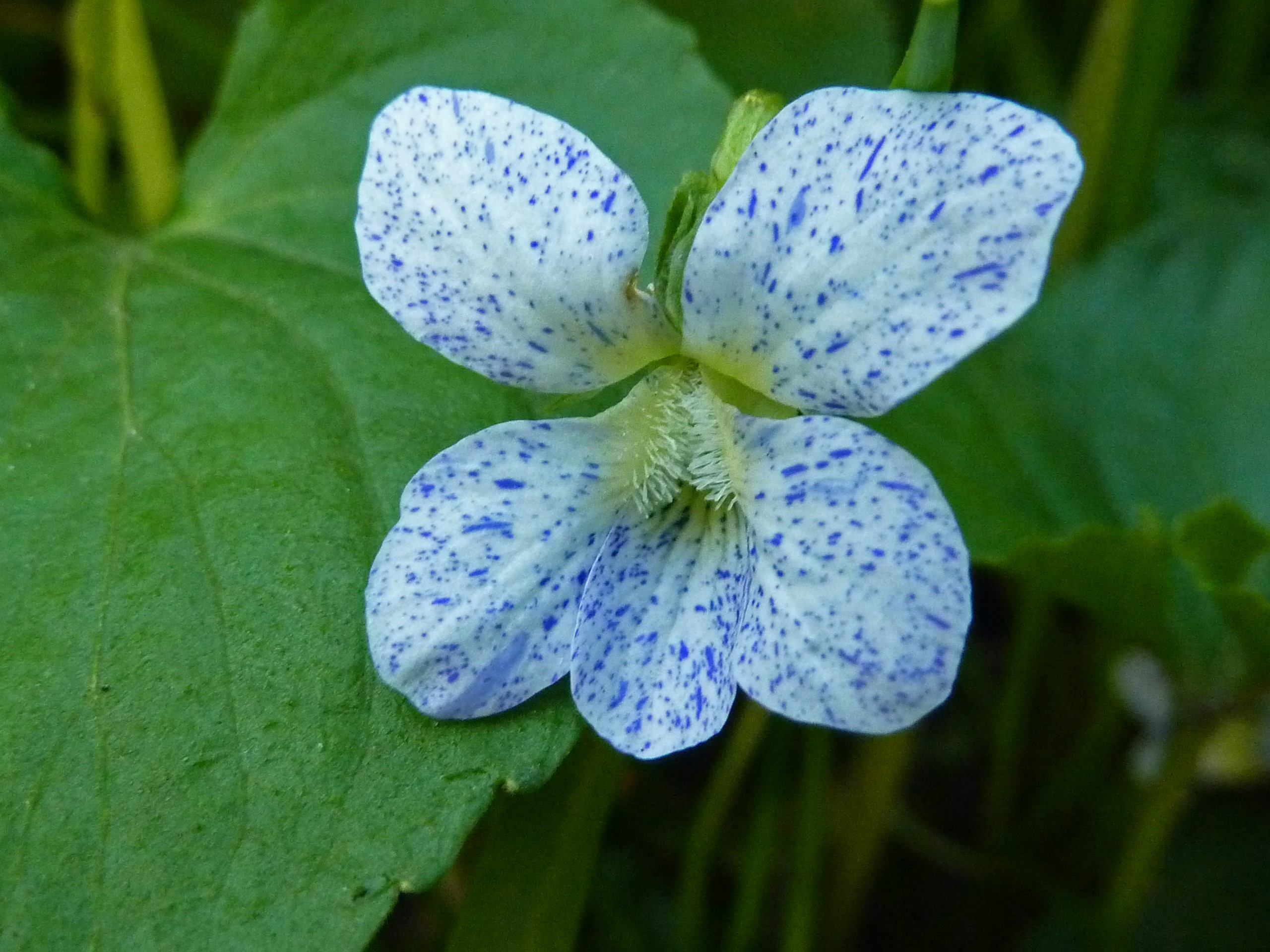 A common harbinger of spring is the showy dandelion with its bright yellow flower that pops against newly greening lawns. With dandelion sightings, so the debate begins between those who want the perfectly manicured lawn and environmentalists who see dandelions as an early food source for pollinators and beneficials. The dazzling dandelion outshines another harbinger of spring, and that is the less-assuming violet.
  Little do many of us realize that v





 Paths I Walk
You must be logged in to post a comment.