
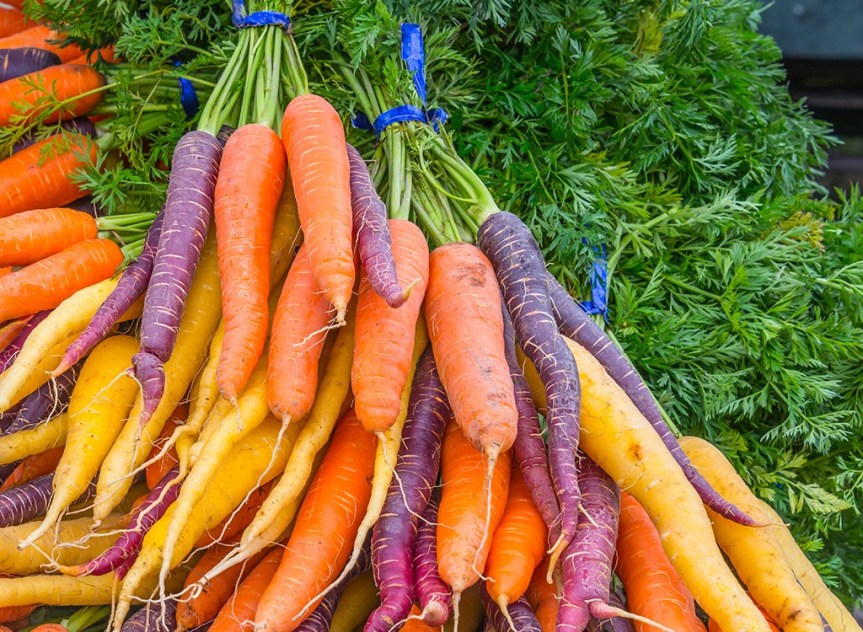

Widely available at most supermarkets, the common root vegetable carrot (Daucus carota subsp. sativus, Apiaceae) is a biennial plant with erect, green stems and fine, feathery leaves.1 The plant produces densely clustered white blossoms in an umbrella shape, which is typical of plants in the Apiaceae family. The edible taproot comes in a variety of colors: orange is the most widely available in stores, but the root can also be white, yellow, red, or purple.2
The modern carrot is a domesticated cultivar of wild carrot, Daucus carota, also known by the common name Queen Anne’s lace. Indigenous to Europe and southwestern Asia, frost-tolerant carrots are now cultivated in a wide range of environments.1 Carrots are popular with home gardeners due to their colorful varieties as well as their hardiness.
Phytochemicals and Constituents
Favored for their sweet flavor and versatility, carrots contain a vast array…
View original post 1,435 more words

 My father had over three acres of the most glorious organic gardens, filled with historic roses, lilies, and every kind of beautiful perennial and herb imaginable. I remember perfect summer evenings when he’d wander his gardens with a cocktail in one hand and a sprinkling hose in the other. He taught me everything I know about growing beautiful gardens organically and with a minimum of intervention.
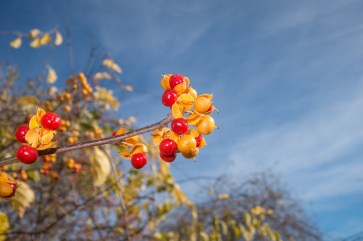 A lot of legends of magic, revenge and sorcery begin with two sisters. Sometimes they are friends. Sometimes they are rivals. But an unspoken message in many stories is, “Don’t pick the wrong one!” Increasingly, North American gardeners are finding themselves faced with this dilemma. The choice may be between a native plant and its sometimes seductive, sometimes invasive sister, introduced from elsewhere.

 Leaves – nutrients AND enjoyment!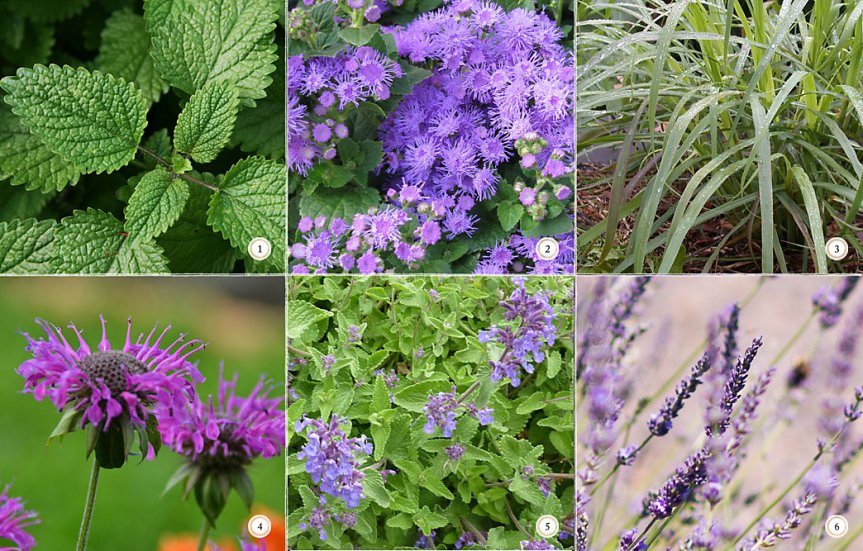

 Paths I Walk
You must be logged in to post a comment.